News


Alphabet's Waymo driverless cars to be first deployed in west of S'pore, starting with Labrador & HarbourFront area
The government is also supporting drivers to find new opportunities.
September 18, 2026, 12:41 PM
Photos by Aiman Nadzri/Mothership


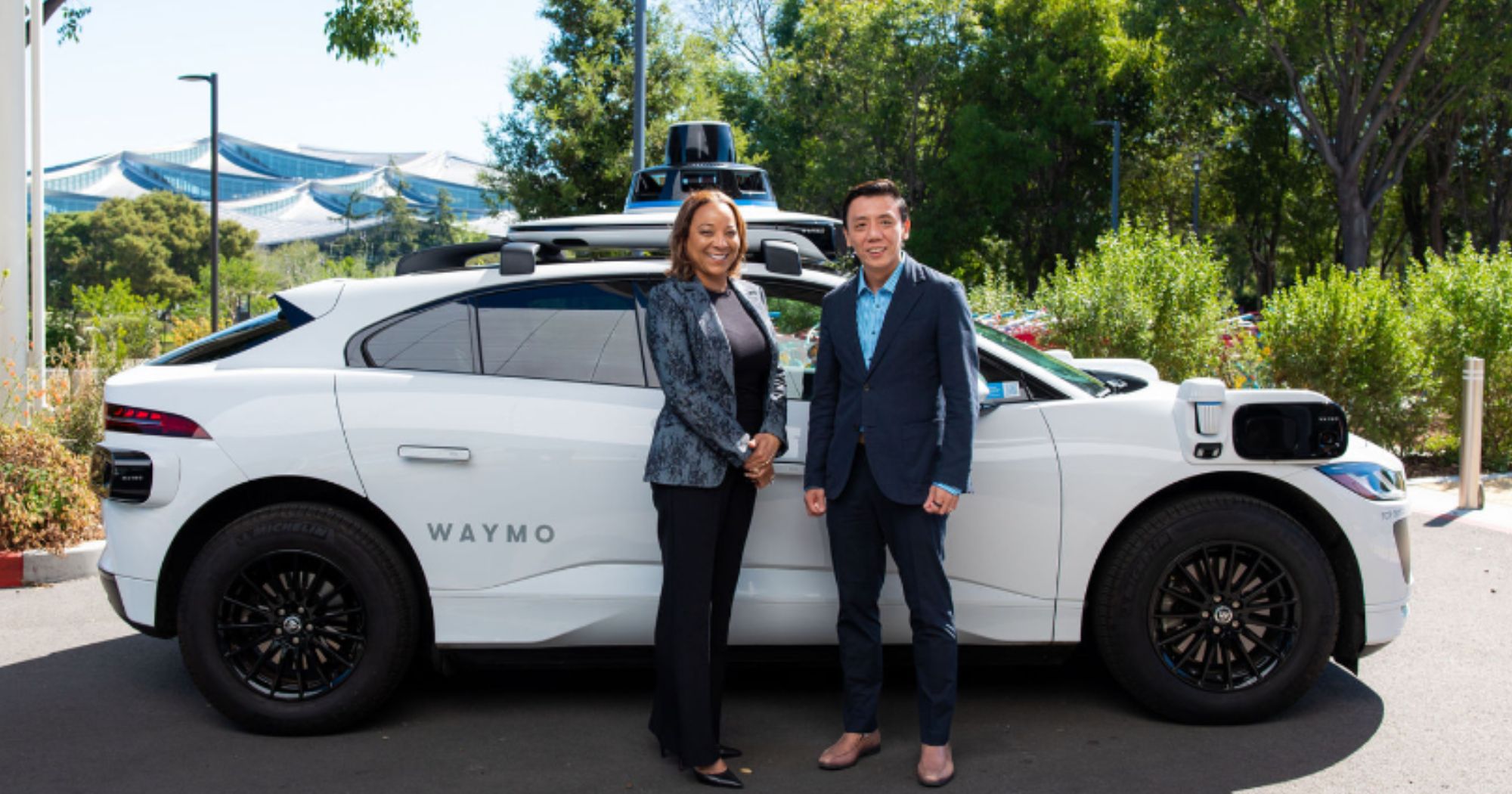
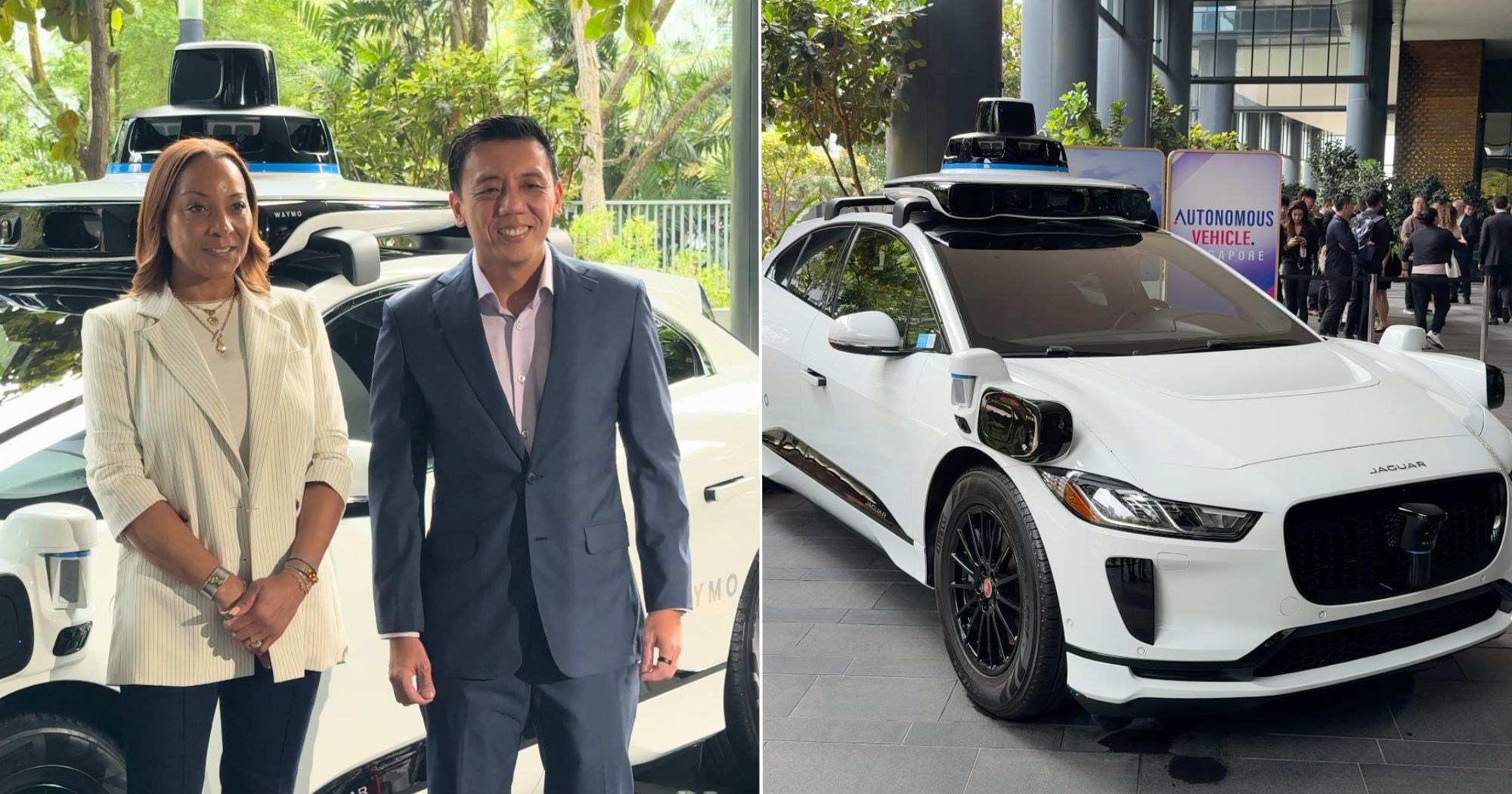
The launch of autonomous ride-hailing service Waymo in Singapore by 2028 was announced on Sep. 18.
Minister for Transport Jeffrey Siow said during the launch event that the robotaxis will be first deployed in the west of Singapore, starting with the Labrador and HarbourFront area.
In his speech, Siow also emphasised that Singapore will expand the deployment of autonomous vehicles (AV) with safety as a priority.
He also touched on the growing AV industry, saying new jobs will be created while drivers will be supported in finding new opportunities in the industry.
Waymo in Singapore
An independent subsidiary of Alphabet Inc., Google’s parent company, Waymo was the first company to launch a self-driving public robotaxi service in the U.S. in 2020.
The expansion to Singapore is in partnership with the Ministry of Transport (MOT) and the Land Transport Authority (LTA), Waymo said in a press release.
Siow shared that talks with Waymo's Tekedra Mawakana, co-chief executive officer, on the partnership began in March this year.
Mawakana was also in Singapore for the launch announcement on Sep. 18.
Siow said that AVs would complement public transport, adding to the capacity of the country's taxi and private hire car fleet.
It could also fill some gaps, such as going to places where human drivers are not keen to go, and providing service after hours, when public transport is not operating, he said.
Expanding to West
Singaporeans first experienced AV rides when trials with fixed routes were first launched in Punggol in April 2026.
Siow said that with Waymo, their AVs will be deployed in the western part of Singapore, starting with the Labrador and Harbourfront area.
This will include new use cases such as travelling to work, weekend travel, and serving industrial areas which have fewer transport options, he added.
Within Punggol, Siow said they will start trialling point-to-point service within the whole estate, without the need for fixed routes.
This will be done progressively, by adding more pick-up and drop-off points, he said.
"Beyond Punggol, we plan to deploy autonomous vehicles in one to two more HDB towns that are further away from the city, which will benefit from more transport options, like Tampines North and Tengah," he added.
Currently, there are 16 passenger AVs that are all in Punggol, though current operators in the market are planning to expand their fleet.
Just a few days prior, on Sep. 14, Grab had announced that it will be expanding its AV fleet from 10 to 50 vehicles over the next six months and also broaden its AV service coverage beyond Punggol.
With Waymo also bringing vehicles into Singapore, Siow said Singapore's total fleet of AVs will increase to several hundred vehicles in the next two years.
Safety is the key priority
In expanding the AV deployment in Singapore, Siow said that the key priority is safety.
He noted that while Singapore’s roads are safer than many other cities, there is still one fatal road accident every three days.
"In theory, driverless vehicles should improve safety on our roads. After all, they do not drink-drive, they do not road rage, they do not speed," he said.
Data indicates AVs are "significantly safer" than human drivers, including in mixed environments, and the technology is still improving, Siow said.
"Nevertheless, we will still expand the deployment of autonomous vehicles carefully, only when we are confident that it is safe," he said.
New jobs
Siow noted that as the AV industry grows, new jobs will be created.
"We will need people to manage the vehicle fleets, operate vehicles remotely, maintain sophisticated systems, test new applications, analyse data, and ensure that the services run safely and reliably," he said.
Such jobs will be open to taxi and private hire car drivers, and operators have launched training programmes to help drivers who are interested in these roles, Siow said.
He announced that the government will subsidise up to 90 per cent of salaries during training.
Waymo will also be opening a local office in Singapore, giving rise to new jobs, he noted.
"Driverless technology sits at the intersection of some of the most important technologies of this decade: AI, robotics and the application of intelligence to the physical world," Siow said.
"I believe that Singapore will be one of the best places in the world to design and deploy such technologies."