



News


POV: I'm 19. Here's how S’pore youths get exposed & react to extreme content online.
Exposure to certain content online has led some down rabbit holes.
September 13, 2026, 04:17 AM
Photos from social media


The 2026 edition of the Singapore Terrorism Threat Assessment Report highlighted that youths who spend a significant amount of time on the internet may be exposed to violent, extremist or ideologically radical content.
Such encounters can happen both voluntarily and involuntarily.
For some youths, encountering such content online has become an unfortunate norm.
I can attest.
I am a 19-year-old Singaporean who has spent too much time online.
Algorithmic recommendations
While some may be surprised and view the consumption of extreme media as uncommon—given that we are in Singapore and there must be guidelines and restrictions in place—some of this content will always slip through filters.
As a likely result of algorithmic recommendations, content such as memes or edits referencing or glorifying extremist sentiment or acts of violence, and in some cases, straight-up gore, appear on social media platforms unsolicited.
This is the natural workings of a network distributing content to users to ensure people always have stuff to consume.
Some people will flag and report it.
Others will like it.
The content will get taken down.
Only to pop up elsewhere.
Once again, I can attest.
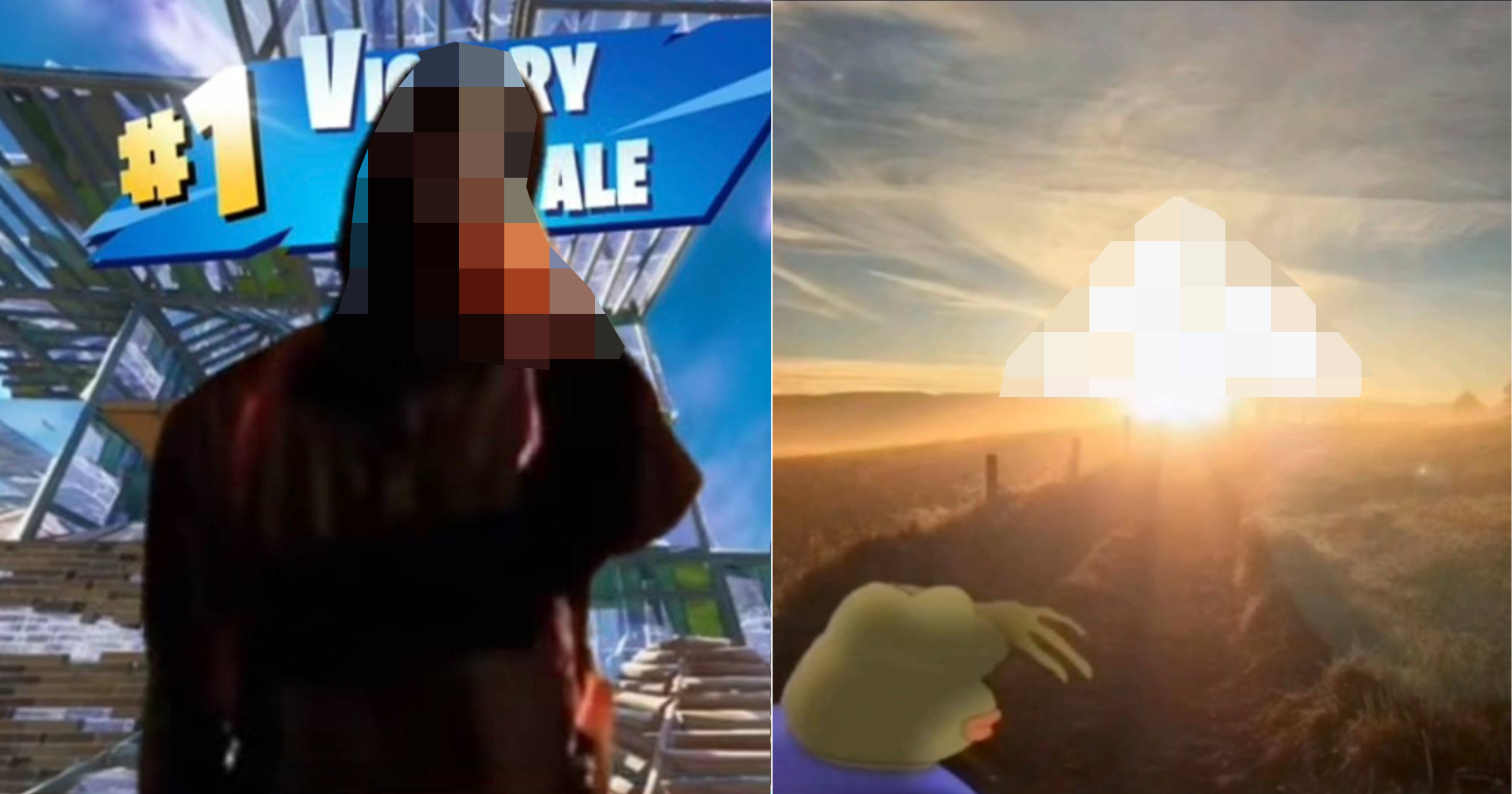
Here's what I have been exposed to.
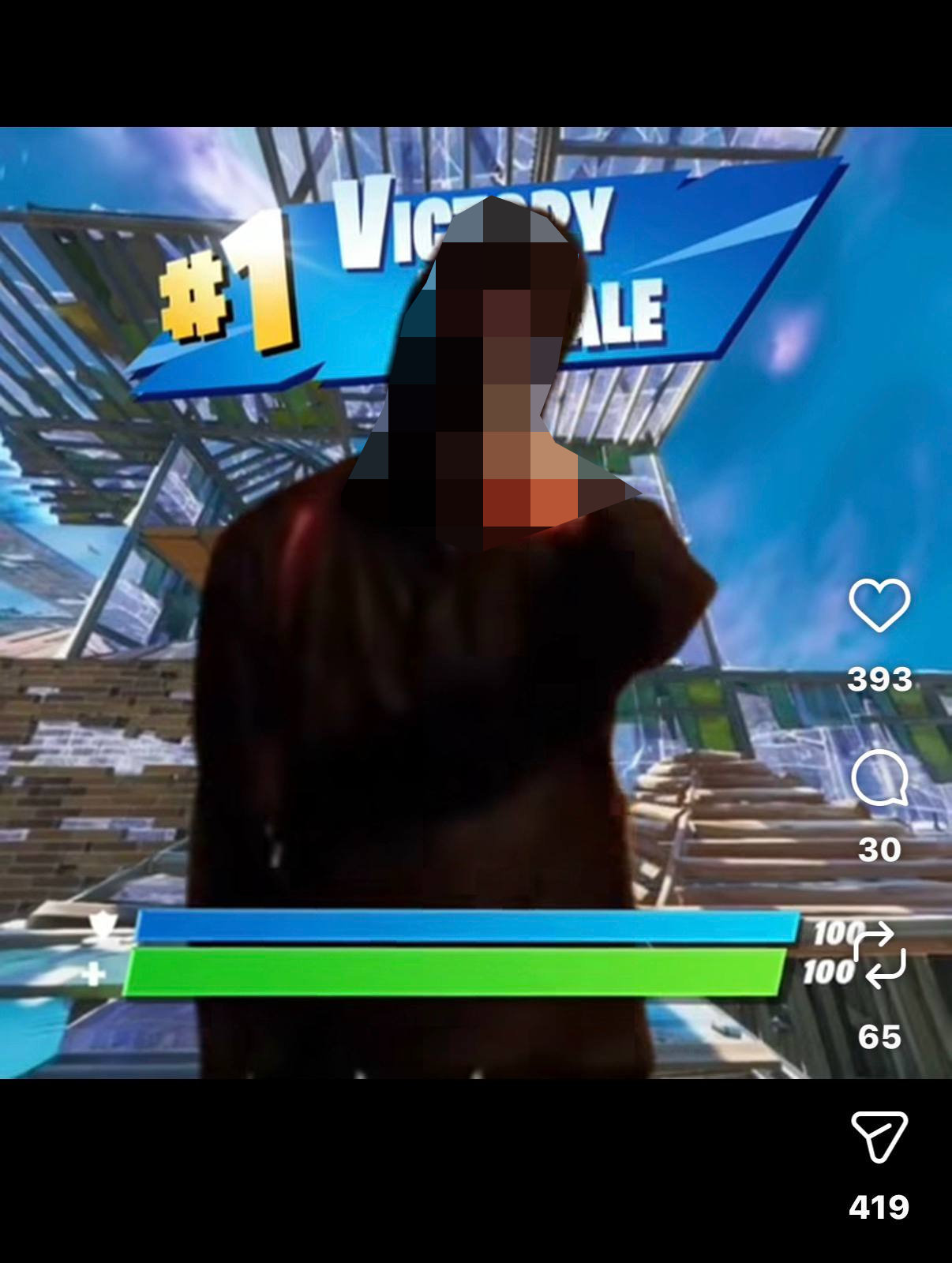 A meme depicting Jihadi John, a propaganda symbol for the extremist group Islamic State (IS). Photo from social media.
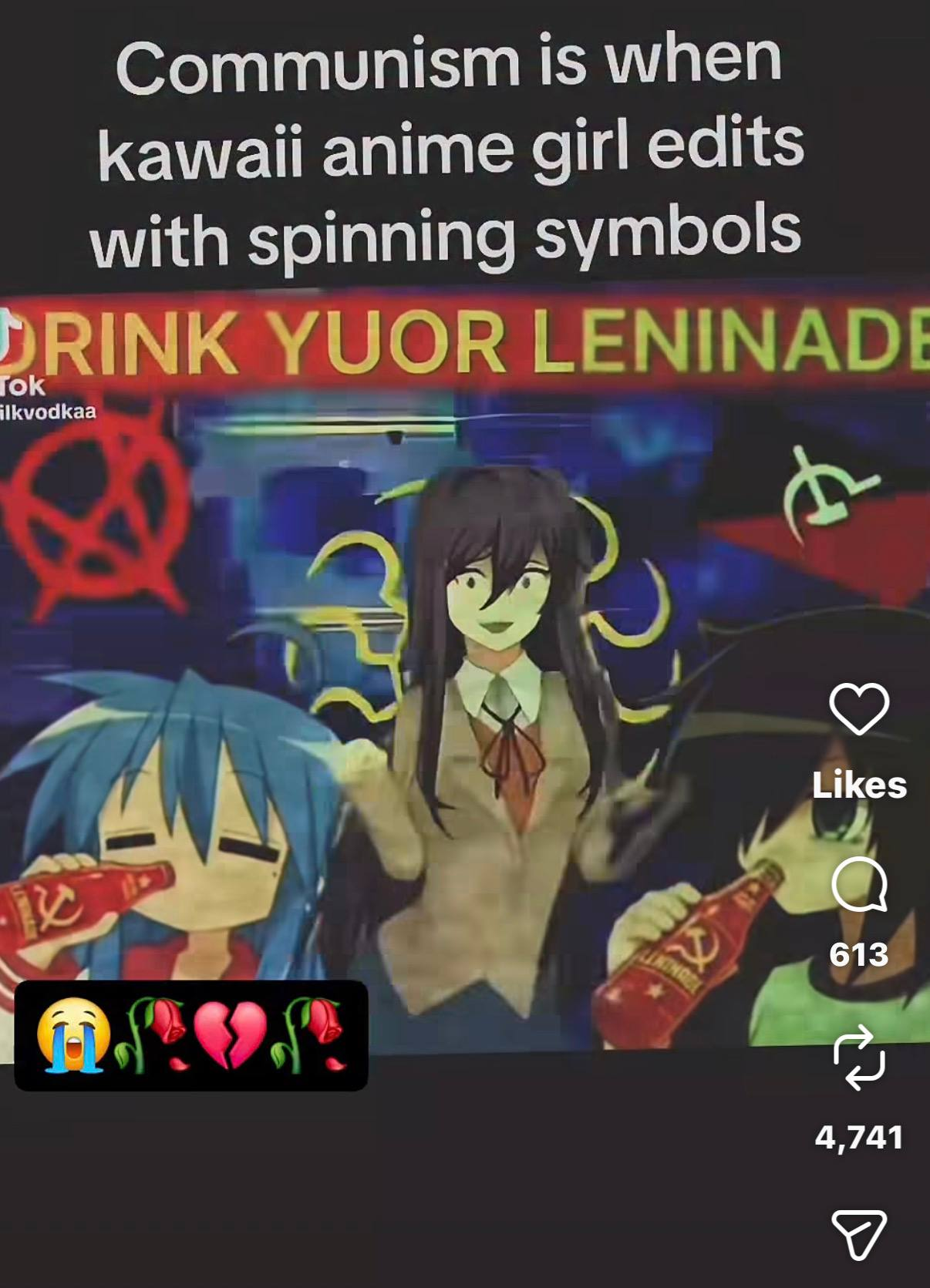 A video edit using themes and symbols related to communism. Photo from social media.
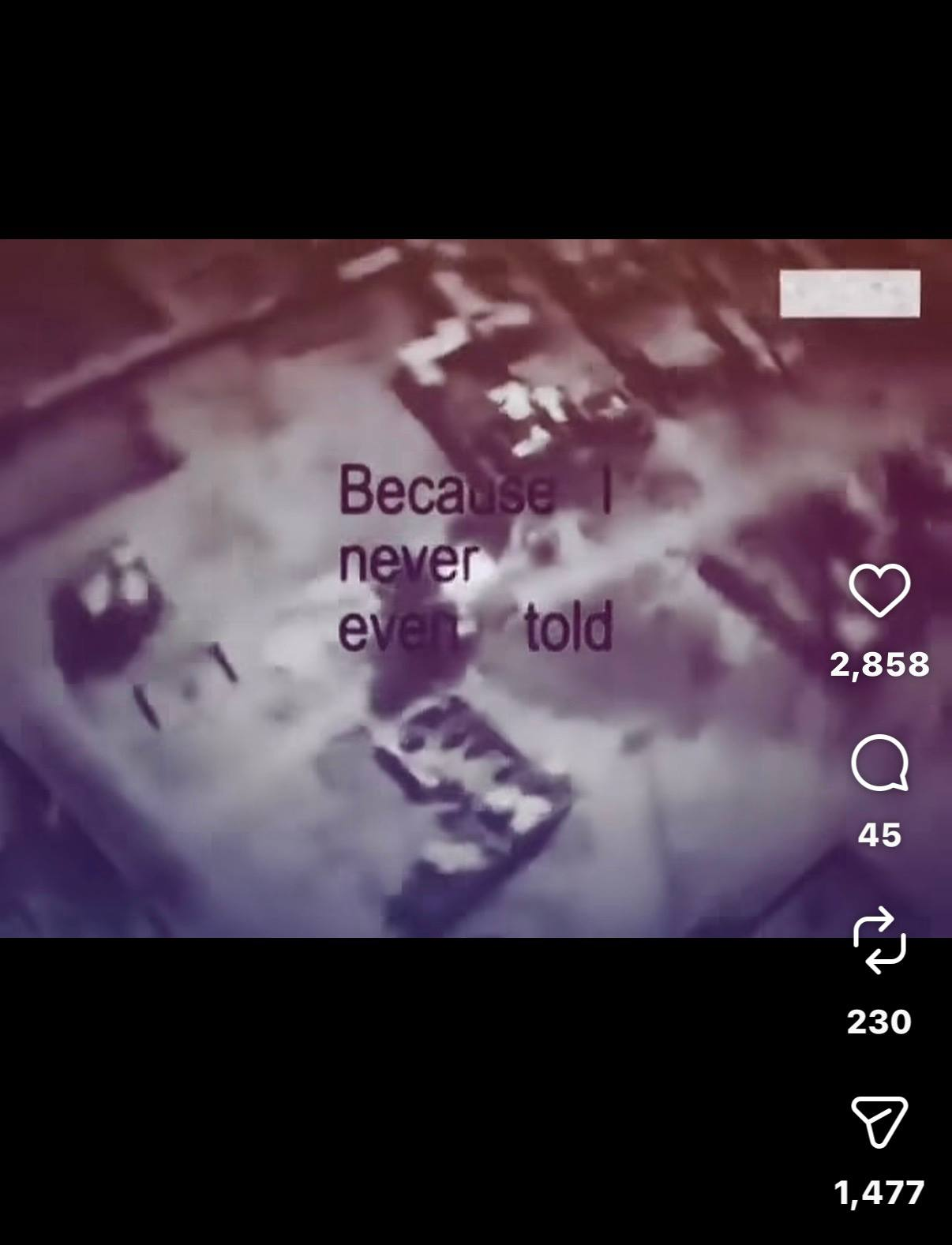 A video edit depicting footage of a Vehicle-Borne Improvised Explosive Device (VBIED) bombing in the Middle East. Photo from social media.
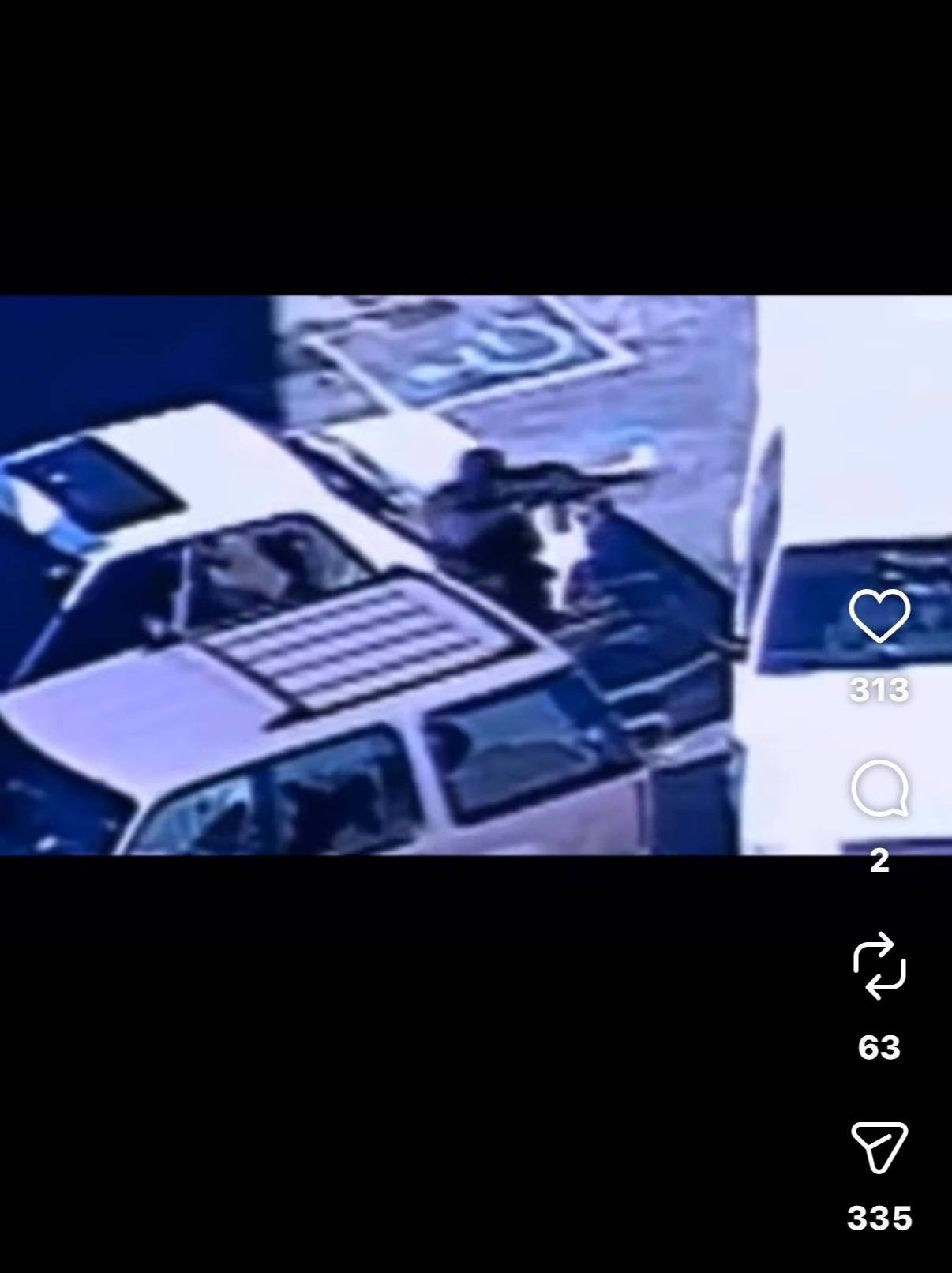 A video edit depicting the North Hollywood shootout. Photo from social media.
Here's what the Internal Security Department (ISD) said some youths in Singapore have been exposed to.
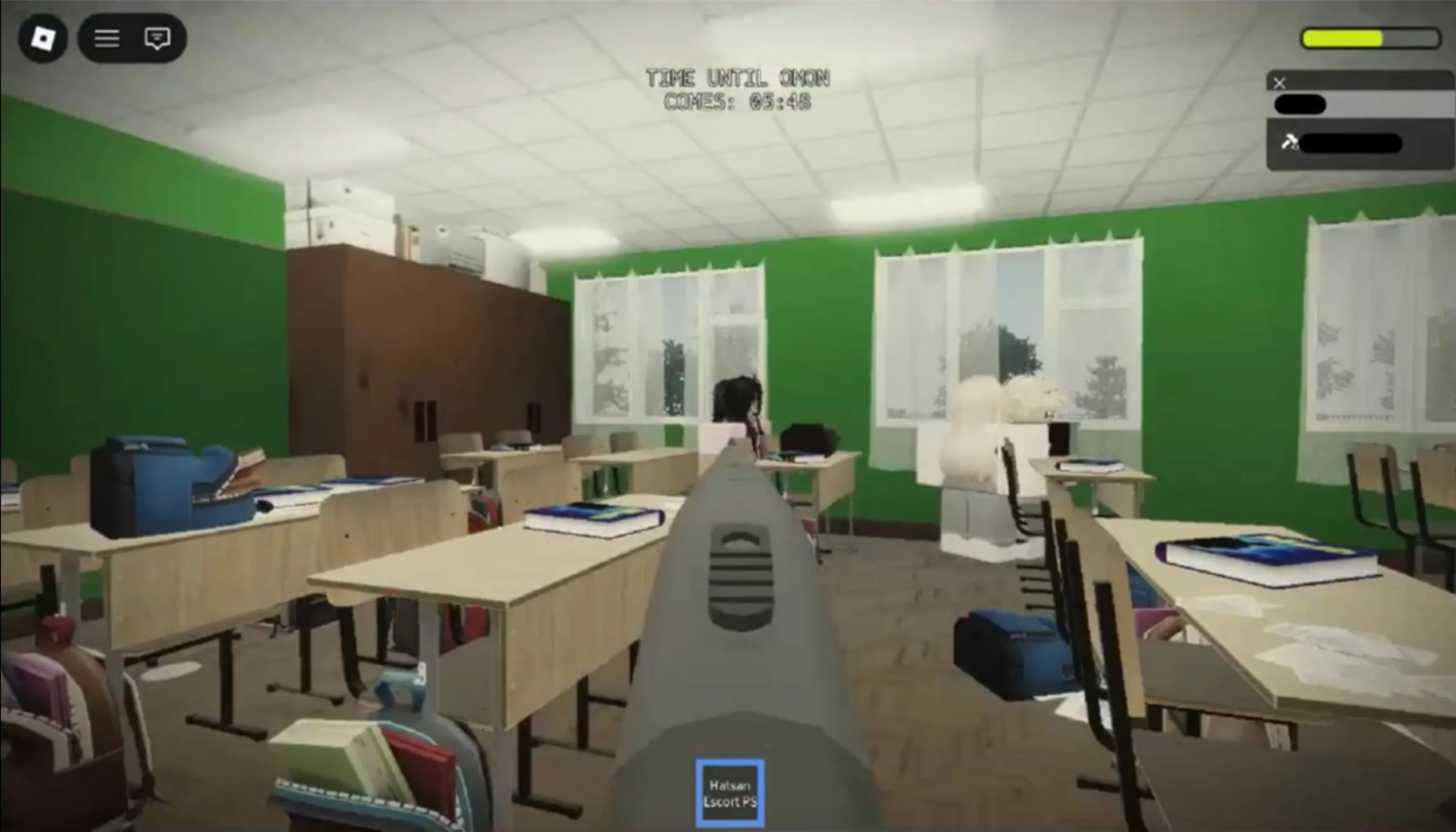 Screenshots of Roblox first-person shooter gameplay that recreated mass shootings found in the possession of a 14-year-old. Photo via ISD.
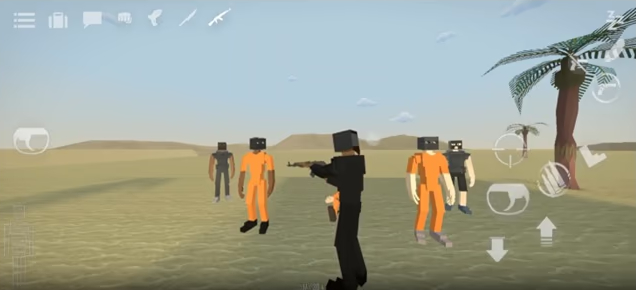 Screenshots of Roblox and Goreblox gameplay footage recreating ISIS-style attacks and executions found in the possession of a youth. Photo via ISD.
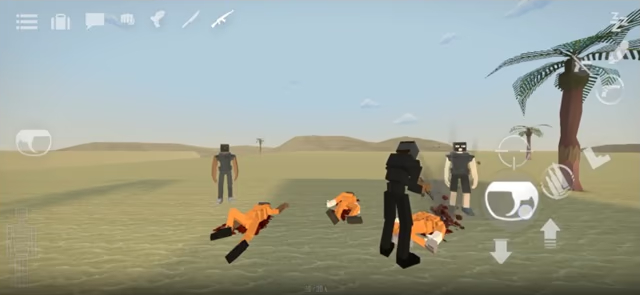 Screenshots of Roblox and Goreblox gameplay footage recreating ISIS-style attacks and executions found in the possession of a youth. Photo via ISD.
Worse, while platforms monitor such content, algorithmic malfunctions can still occur.
In February 2025, Instagram saw an algorithmic malfunction in which hundreds of accounts pushed content depicting uncensored real-life graphic violence to its viewers.
Some have dubbed the incident the “Instagram Liveleak incident”, in reference to a now-defunct video-sharing website that was known for hosting extreme violence and gore content without much context.
Exposure
If you don't want to take my word for it, you can listen to others my age.
I've checked with them.
Adam, a 19-year-old, said he has been exposed to such content involuntarily since he was 14.
“When I was in secondary school, some guy went around showing everyone an ISIS (Islamic State of Iraq and Syria) execution video. It was kind of a novel shock value thing,” he said.
“I couldn’t get the clip out of my head for a good two days,” he added
He was also recommended such content online and said he felt that nebulous algorithms “are the root cause for how often one sees extremist-related content”.
However, Adam feels that exposure to such content, particularly on Instagram, was “unsurprising”, even though it was “extreme”.
Is there a degree of desensitisation?
Perhaps.
Is there an innate curiosity that also makes kids want to dig deeper?
Perhaps as well.
“The gateways to extremist content or themes usually stem from interest in historical events and military or gun culture,” he theorised.
It is like scratching an itch.
Curious about extreme content
Another 19-year-old, Roman (not his real name), claimed that he was immersed in extreme content voluntarily at 14, when he first got on the Reddit forum.
“I mainly saw cartel execution videos, police bodycam footage, etc,” he said.
Roman claimed he initially viewed extreme content out of curiosity.
“I wanted to see if it is like how the movies depicted it,” he added.
However, Roman viewed himself as a rational and “tactical” person when it comes to consuming such media.
“There’s a fine line between doing it for exposure and knowledge, rather than viewing it with the intent to support actions,” he clarified.
“This is what evil people do, and there are evil people in the world,” he said.
Entertainment
However, other youths have also treated such content as humour.
Pravin, a 20-year-old, said he has been exposed to extreme content through social media “quite often”.
He was first exposed to it via YouTube.
However, Pravin viewed them as “stupid memes”.
He claimed that exposure to such content does not affect his actual worldview, as he is aware of the “misinformation and sensationalism” that comes with it.
“If anything, very extremist content kinda opens my eyes more to these kinda things,” he added.
Blurred lines
For some, exposure has also normalised and desensitised them to the gravity of such content to the extent they just become part of online consumption.
And the trend with online consumption is that everything can be waved off as "nothing can be truly personal" because you can be anyone online.
Krishna, an 18-year-old, attributed Instagram as the platform that made “hateful” content seem comedic.
He said he viewed the content as “just entertainment” and “treating it as not serious”.
When asked whether he views such content appearing in his algorithm as normal, Krishna agreed.
“I see a lot of my friends like that type of content too,” he said.
That does not make them budding terrorists or miscreants.
This attitude also has nothing to do with being "edgelord".
There is this age-old adage, which comes in a number of forms, one of which sums up this attitude: "You can be anybody on the internet, but you chose to be butt-hurt."
Therefore, getting riled up is a choice.
In other words, getting influenced can also be a choice.
And people like Krishna said they move on quite quickly: “I would rather find something I find entertaining than enjoy some mass-produced slop.”
Vulnerability
But it is not just about downplaying the effects of extreme content and ideologies perpetuated online.
For some, exposure to certain ideologies on the internet has led them down rabbit holes.
And they cut pretty close.
Jovann, a 19-year-old who is diagnosed with attention deficit hyperactivity disorder (ADHD), said he experienced what he described as his own journey down an online ideological rabbit hole and nearly became politically radicalised when he was 13.
This is his re-telling of the sequence of events.
He was first exposed to political ideologies via the Political Compass online questionnaire.
The Political Compass is a two-axis grid that maps political beliefs based on economic and social views.
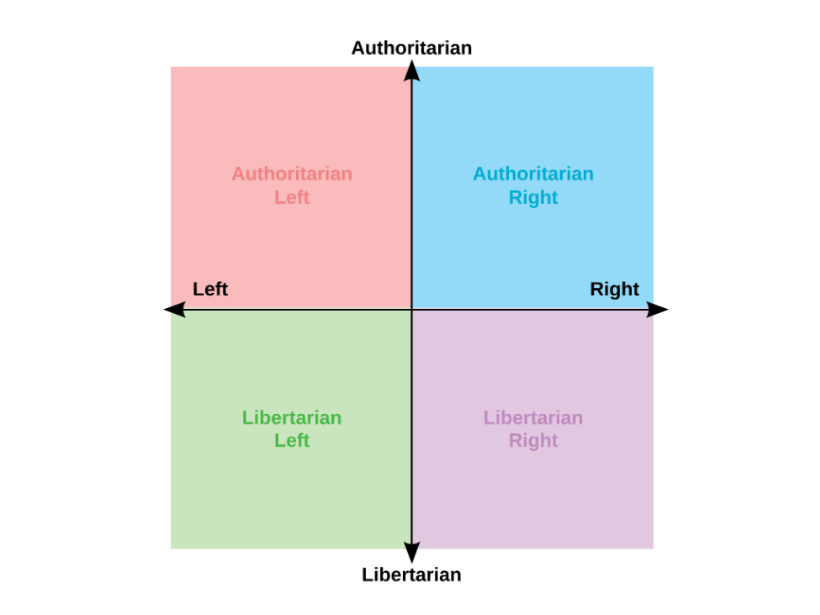 Photo from wikiHow
“The test is very flawed because kids are exploring politics and have very black-and-white and unnuanced views,” Jovann said.
After getting his Political Compass result, Jovann dug deeper into the rabbit hole and came across left-leaning content on YouTube in 2020.
This led him to “subscribe” to Anarcho-communism, a political philosophy that advocates a stateless, classless, and moneyless society based on common ownership and voluntary cooperation.
Jovann started reading political books and became active in political communities on Reddit.
He also added that his neurodivergence apparently made him more susceptible to such beliefs.
“We hyperfocus and obsess about things. Also, many neurodivergent people lack real-life social circles growing up, leading to them finding niche communities which tend to be political and wacky,” he explained.
Jovann claimed that his views eventually “fizzled out” and became more “moderate”, and he realised that Anarcho-communism is quite “niche”.
“When I was 13, I told my siblings about my Anarcho-communist ideals, and they laughed and tore it apart. I realised I couldn't rationalise the ideology and was like LARPing (Live Action Role Play).”
“So it made me read more. The more I learned, the less extreme and more grounded I got,” he added.
Jovann also acknowledged that not every trip down an online ideological rabbit hole necessarily ends the same way as his case.
“For those who fall into the other extremes, there are communities," he reflected. "And then it's dangerous."
Jovann also admitted he had tried getting involved in ongoing geopolitical conflicts, but failed.
“I realised that there was nothing I could do,” he said.
Community needs to step in
ISD said in the Singapore Terrorism Threat Assessment Report that family members, friends and the community are key in reporting early signs of radicalisation.
Jovann also reflected on his experiences and weighed in on how to address radicalisation among youths.
“When you tell kids that what they believe is evil and they can't learn about it, it reinforces it and makes them believe it in secret.”
Drawing from his experiences, Jovann also said parents “should, without judgment, get their kids to express their views”.
“They should have logical debates and discussions, not shoot down ideas and say 'it's wrong because it's extreme',” he added.
ISD also advise members of the public to watch for common signs of radicalisation and stay vigilant, including among people close to them.
The public can report any suspicious terrorist activities or signs of radicalisation early to ISD at 1800-2626-473.
ISD will keep informants' identities confidential.
No action will be taken if the person reported is not found to be radicalised or to pose a security threat.
If the person is in the early stage of radicalisation, they may be referred for counselling or other interventions, without the need to be dealt with under the Internal Security Act (ISA).