Parliament


No pay increase when civil servants join politics: PM Wong on ministerial salary myth
He also explained more about ministerial salaries in Singapore's context.
September 10, 2026, 04:35 PM
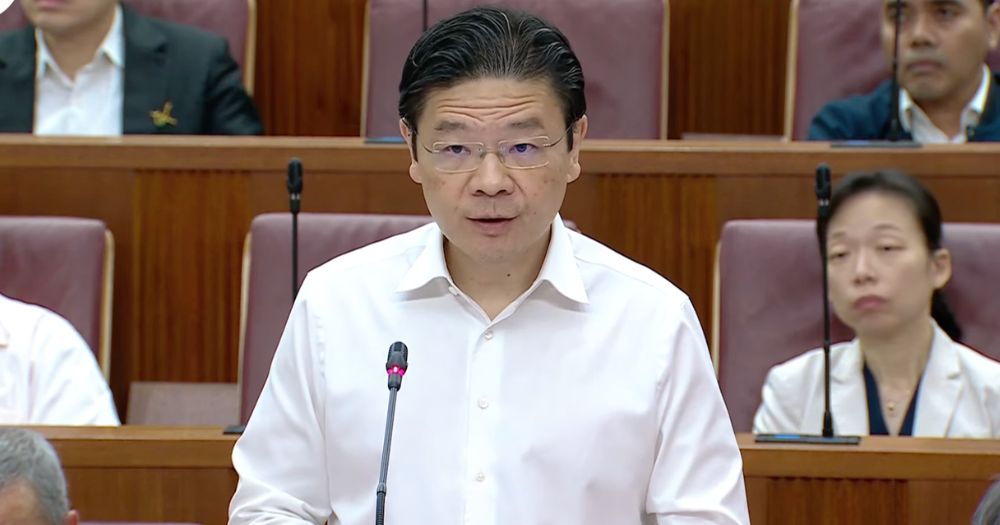


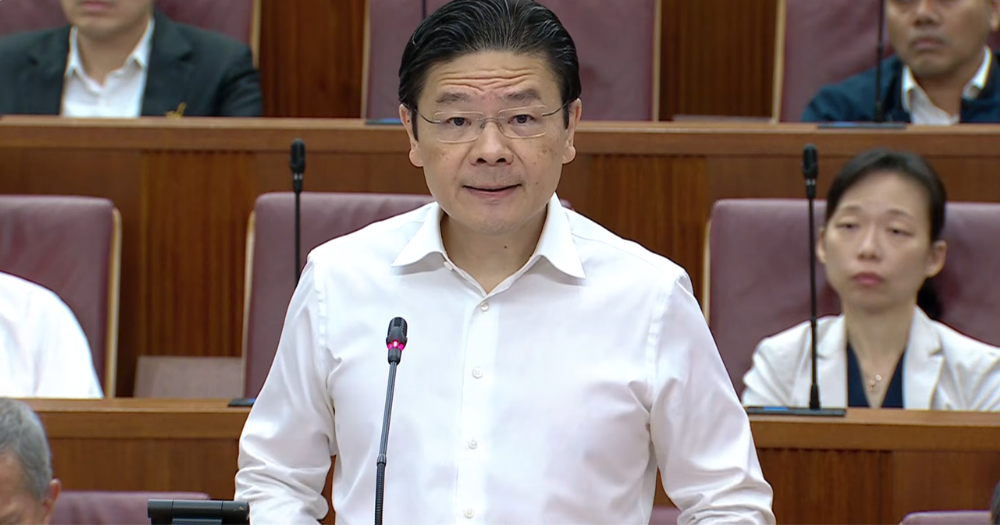
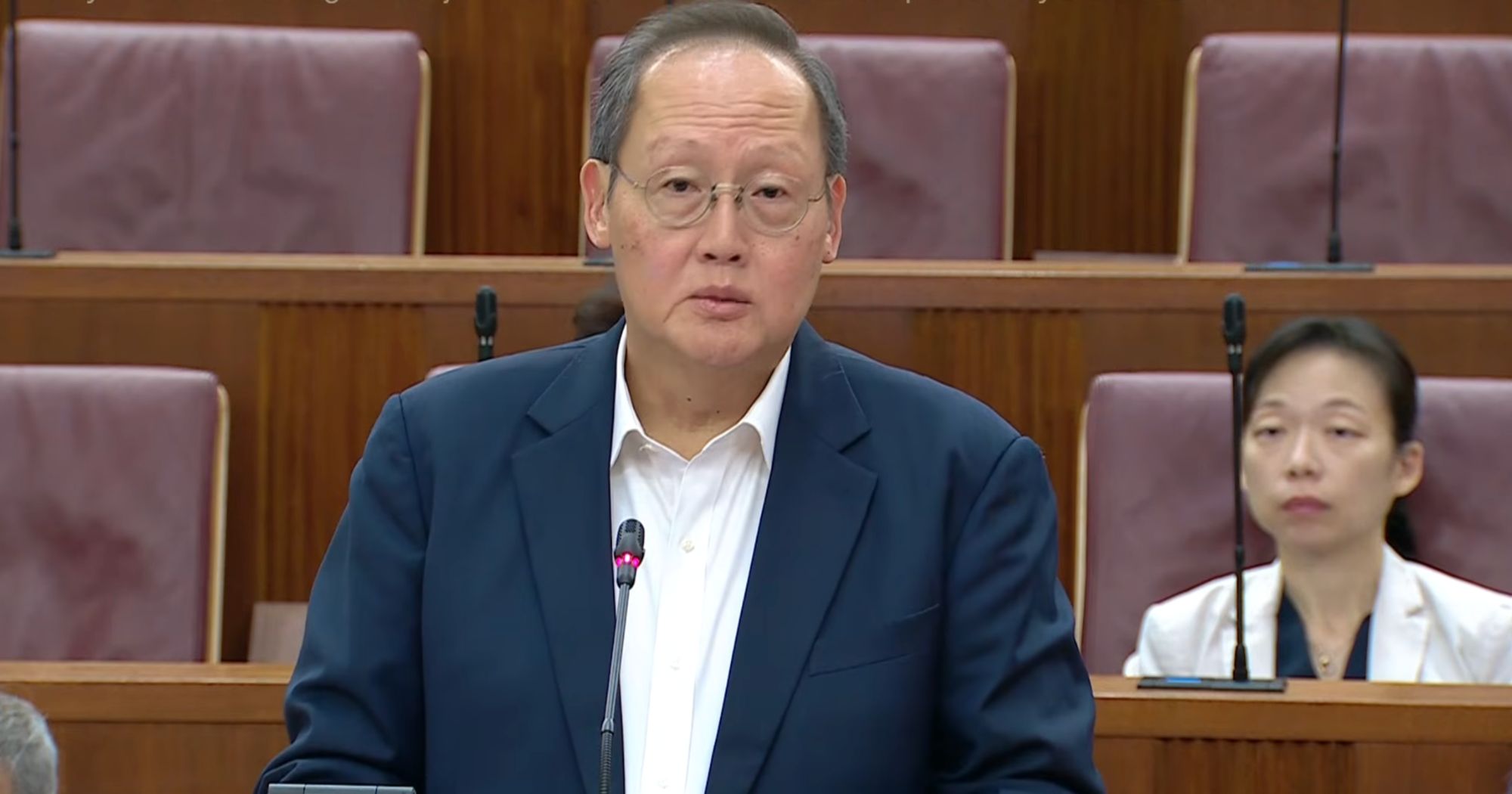
There's a perception that when civil servants join politics, they get a pay increase, Prime Minister Lawrence Wong noted.
"I want to dispel that myth"
He said in Parliament on Sep. 10's ministerial salaries debate.
PM Wong said that in fact, sometimes, there's a pay cut when capable civil servants join politics.
"When you look at the earnings over subsequent years for civil servants, if they had stayed on and done well, they would very likely have earned more in the civil service," PM Wong added.
PM Wong also shared an anecdote of him resigning from civil service to enter politics in 2011, not knowing what to expect.
"At that point, I did not know where I would contest, whether I would be elected, what responsibilities I might be asked to take on, or what I would be paid, no one told me if you win, this is the position you will get. This is the remuneration package. No one. It was a complete leap of faith," he said.
PM Wong said that when he resigned, he realised he would be just short of the 15 years in the civil service to qualify for government pension.
Headline salaries can be misleading
PM Wong also acknowledged that it is "fair" to question the increase in political salaries.
However, he added that one should not just look at headline salaries but should look at each system in its entirety. In many countries, the overall remuneration of office holders go beyond official salary.
There may be pensions, allowances, housing and other benefits, which do not appear in the headlines.
Therefore, comparisons based on published headline salaries can be "misleading", PM Wong said.
Expectations
In some countries, responsibilities are distributed across national, regional and local governments.
However, Singapore is a city-state with a single national government.
Singapore also expects its political office holders "to govern, to master their briefs, lead their ministries, and do so with a longer-term perspective".
"They cannot just preside over the ministry as a non-executive chairman. They have to set the tone and direction, make big decisions," PM Wong said.
Political office holders should be able to front and lead major reforms. This means to develop the case for change, bring the public along, work through the implementation, and see the reforms through, PM Wong added.
"So in Singapore, we expect our ministers to be effective politicians, effective executives, and effective leaders," PM Wong concluded.