Parliament


Wouldn't have joined politics if money was primary consideration: Tan See Leng on stepping up despite private sector background
He explained the opportunity costs of entering politics for those in the private sector.
September 10, 2026, 02:31 PM
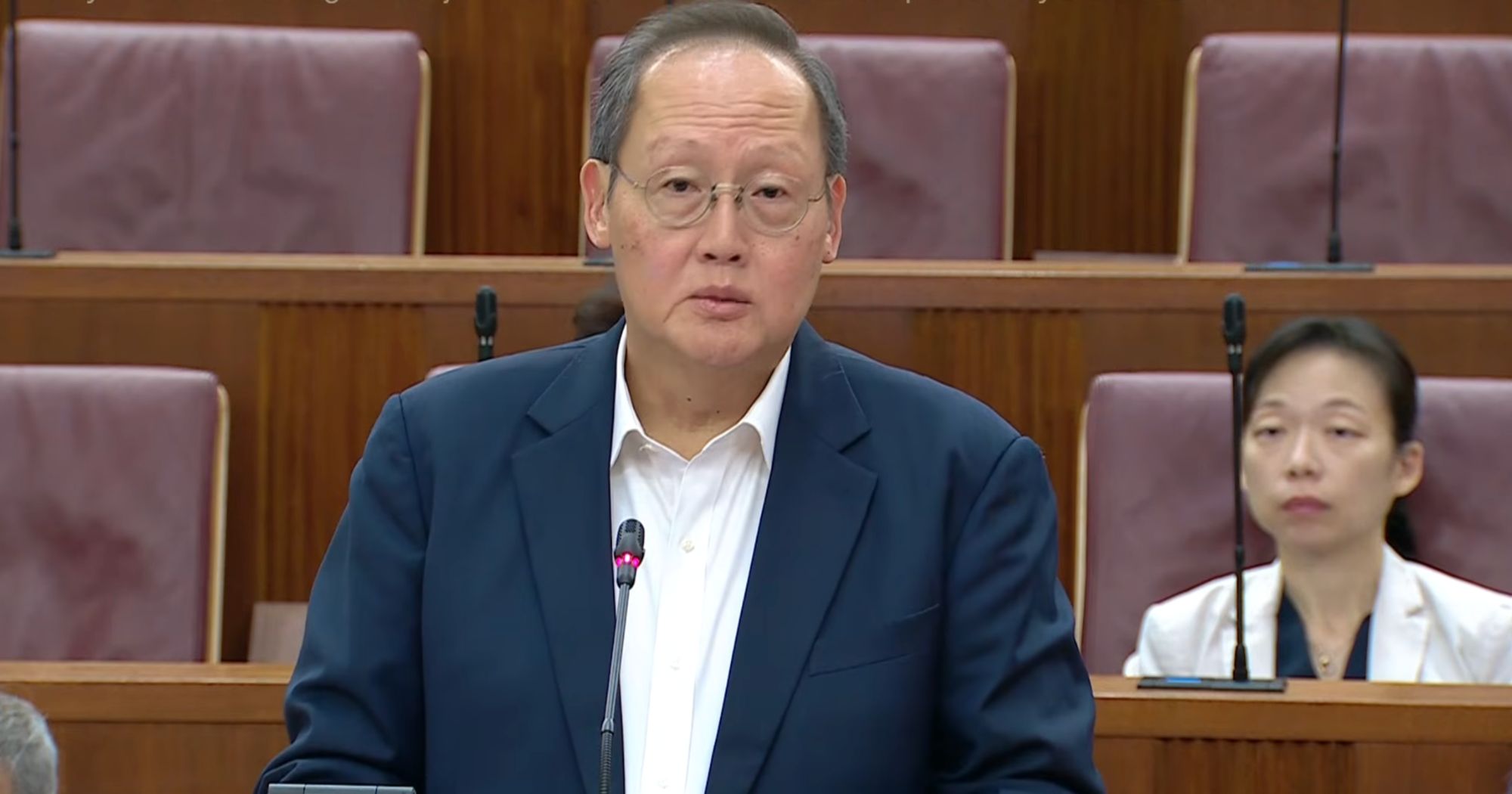
Photo from MDDI/YouTube


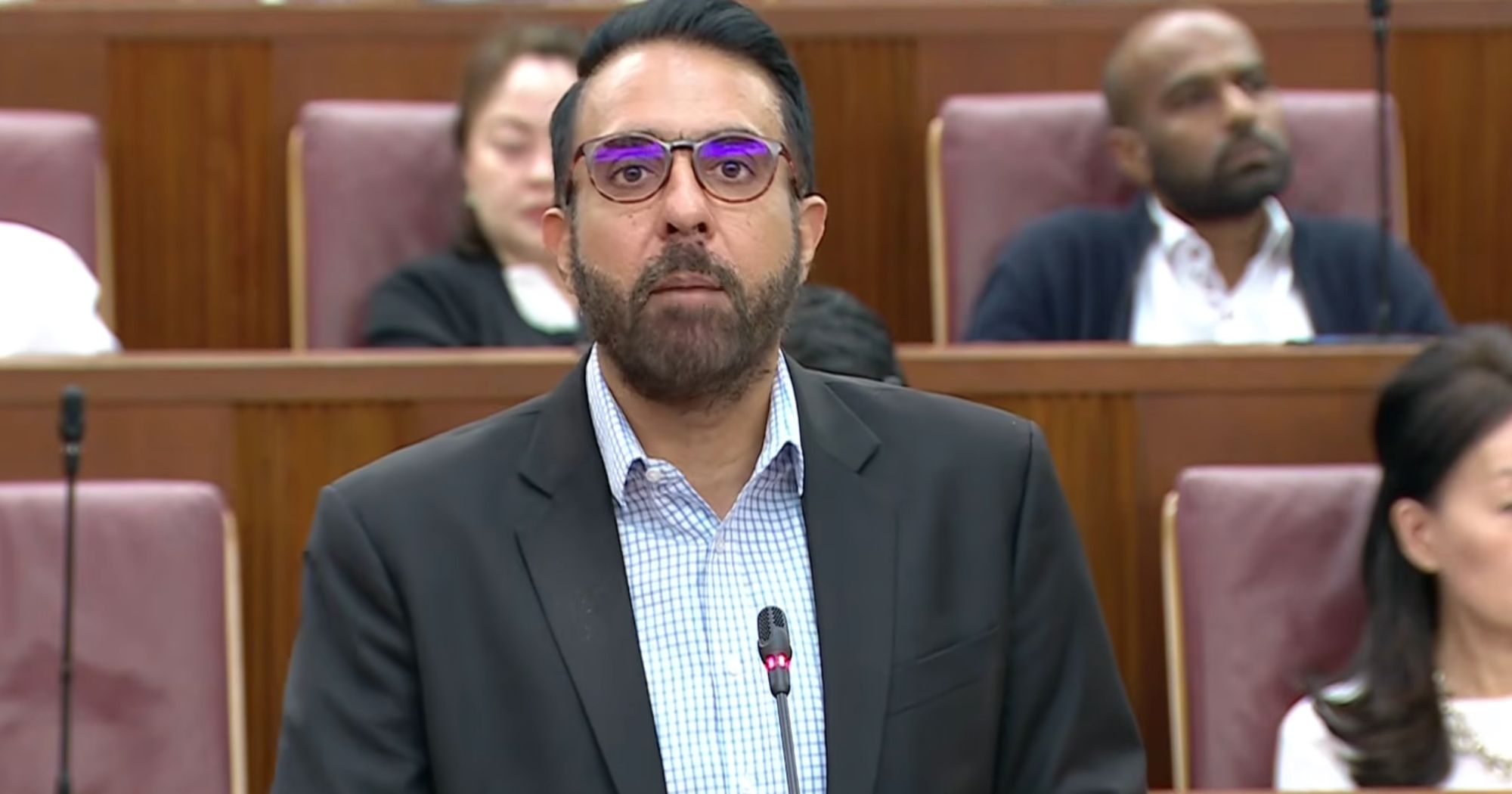
“Had money been my primary consideration, I would have never entered politics,” said Minister of Trade and Industry (Energy and Industry) Tan See Leng.
He was speaking at the parliamentary debate on the ministerial salary review, titled “2026 Review of Salaries for Political Appointment Holders and Members of Parliament” on Sep. 10.
Tan joined politics in 2020, after over three decades in the private sector, where he was first a doctor and later an entrepreneur in the healthcare sector.
In his speech supporting the salary review, Tan sets out how he “stepped forward” to serve, despite a fulfilling career that would have earned him more than a ministerial salary.
Tan said though, that money was not the primary consideration; he felt he had to “give back to the country and people who had given [him] so much”.
He acknowledged that not everyone may feel the same way when faced with the dilemma of either continuing to pursue their own careers or stepping into the uncertainties of public office.
Career in private sector
Tan first spoke about his experience in the private sector.
He practised first as a doctor before becoming involved in the business of healthcare — as an entrepreneur, founder of a healthcare enterprise, and subsequently as the head of a global private healthcare conglomerate.
Calling his work “deeply meaningful and fulfilling”, he said it challenged him intellectually, stretched him as a leader and "also rewarded [him] handsomely".
On why he left this all behind, Tan shared that there wasn’t a “single defining moment” but a “gradual but growing inner realisation” that his experience could be put to use in a different way to give back to his country and his people.
“So when the opportunity came to serve, I stepped forward,” he said.
Stepping forward
Tan went on to paint what it was like to first step into politics.
Calling public service a “special, but tough calling”, he said the learning curve was not just steep, but "humbling".
"Even after decades of experience in leadership, I find myself having to learn something new every single day."
He also admitted:
"In fact, I still ask myself sometimes: Did I make the right choice coming into politics; have I given up too much; am I really doing good to justify my choice of public service?"
The reality of the political office
“The reality is that political office demands significantly more from those who choose to serve,” he said.
He explained that the role demands longer hours and greater responsibilities, with every decision subject to scrutiny and little separation between public duty and private life.
“Running a ministry is not a matter of chance or rolling the dice — tikam-tikam; you can’t make spur-of-the-moment decisions — anyhow also can,” he said.
Tan shared that sometimes he wished he could have been better equipped for public office, with a longer runway that would have allowed him to eventually contribute more and be more useful.
However, he acknowledged that for young professional executives, it is not easy to step away from careers they have spent years building, Tan said.
They would have to give it all up and “make a hard pivot into full-time public service” before they reach their peak in the private sector, he added.
Opportunity costs of answering the call
"Speaking only for myself, no realistic level of ministerial salary could have matched what I was earning before I joined government," Tan said, adding that he could have continued to earn more if he stayed in the private sector.
He acknowledged that with the career he had built, he had the “financial security and independence to make a decision based entirely on [his] political convictions", with less regard for his personal financial consequences.
"I recognise that this is a privilege that most Singaporeans will not have."
Tan cited Minister for Foreign Affairs Vivian Balakrishnan and former Minister for Defence Ng Eng Hen, who had left their careers as surgeons to join politics.
“These are exactly the kinds of people whose experiences Singapore might benefit from, if they chose public service. People who come into politics in their prime, have enough runway to learn the ropes from their seniors, and then make lasting contributions to Singapore,” he said.
Tan emphasised that asking such talents to enter public service is also asking them to make “considerable changes” to their lives and that of their family.
These opportunity costs include time, future opportunities, personal goals, privacy and financial remuneration, he said, adding that some will conclude the “sum total is too high”.
“If that happens too often, Singapore loses—not because they lack the heart to serve, but because the personal price becomes too great,” he said.
Public service a high calling with deliberate choices
Tan noted that the debate today is not about whether public service should be motivated by money.
“There is no question: It must never be motivated by financial profit,” he said.
It is also not about ensuring that ministers can earn what they would have earned in the private sector, he said.
Instead, the question is more fundamental, he shared:
“Can Singapore continue to have people of ability, integrity and experience from every walk of life in political service—not only those who have already made their fortune, but also those in the prime of their working lives, when they are freshest and perhaps more valuable over the long run?”
He stressed that if entering public service comes at too high a personal cost for too many capable Singaporeans, the government risks narrowing the pool from which the country can draw its future leaders.
“That would be a far greater cost than any salary we debate in this House,” he said.
“Ultimately, public service is a high calling. But even callings require deliberate choices.
Our responsibility is to ensure that when good Singaporeans are given the privilege to serve, their answers will depend on their willingness and ability — and less on whether their families and loved ones also have to share steep financial costs.”