News


S'pore govt to look into turning off social media autoplay by default, with parents having option to adjust setting: Josephine Teo
Safeguards to make social media safer for young children.
August 31, 2026, 12:03 PM
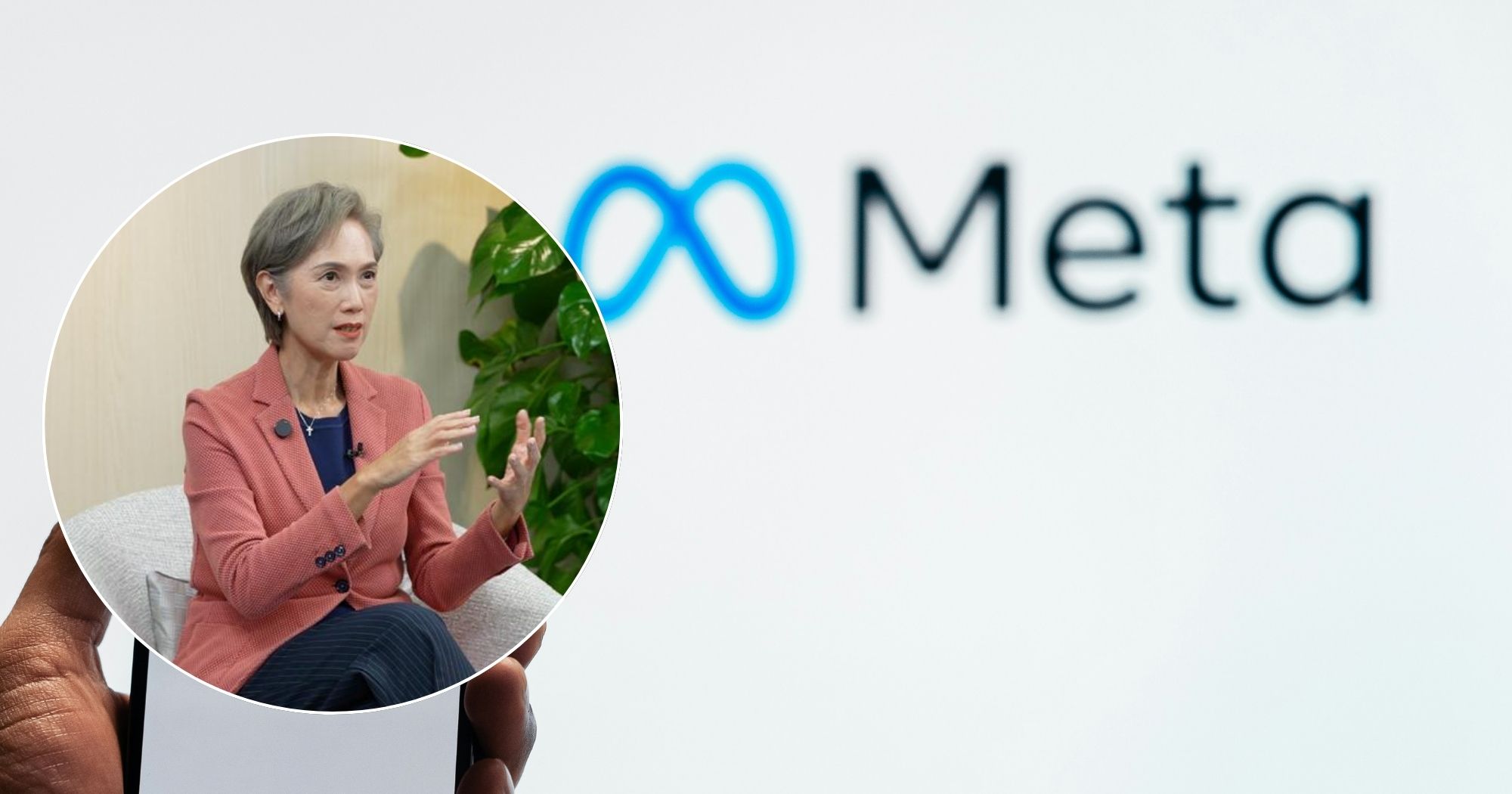
Photo by Mothership and Julio Lopez/Unsplash


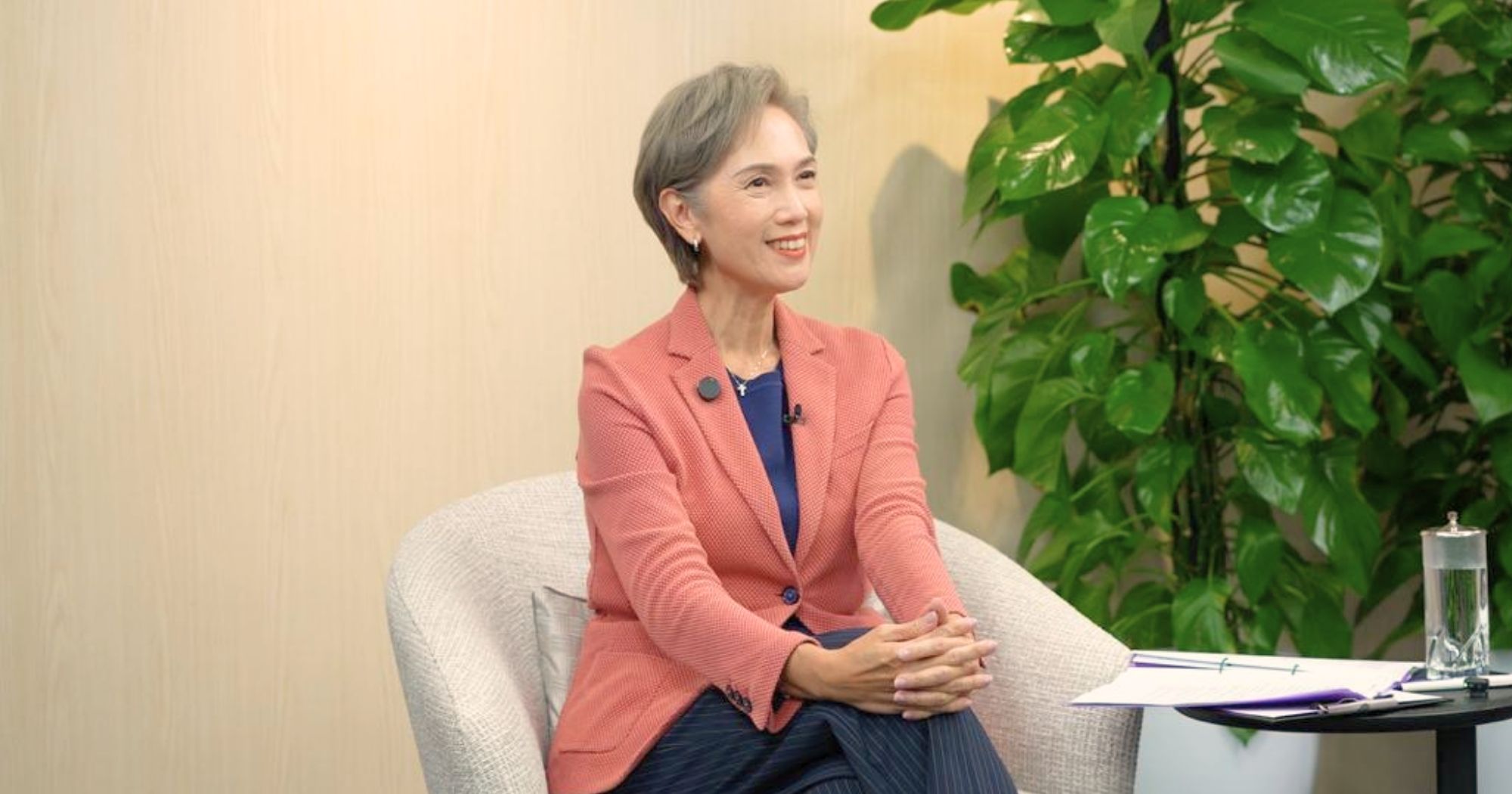
The government is looking at getting social media platforms to turn off autoplay by default, with parents having the option of adjusting that setting, said Minister for Digital Development and Information Josephine Teo.
She was speaking at an interview with the media on Aug. 28, following Prime Minister Lawrence Wong’s National Day Rally (NDR) speech on Aug. 23, in which he highlighted the need to make social media safer for young children.
Autoplay is a function on social media platforms where media automatically loads without the user requesting playback.
Citing a Jul. 30 report by the expert panel convened by the Ministry of Health (MOH) on the mental health impact of social media use, Teo said the panel flagged certain features as potentially exposing users to safety risks.
This includes direct messaging functions, infinite scroll and autoplay functions, or algorithmically curated feeds.
Meta's changes in the U.S.
During the interview, Teo acknowledged Meta's recent US$18 billion (S$22.9 billion) settlement with U.S. states and territories.
The lawsuit was brought forth on the back of allegations that its platforms, Facebook and Instagram, harmed children.
As part of the settlement, the social media giant agreed to implement a range of measures aimed at better protecting children online.
These include a default daily time limit of two hours across both platforms, and overnight access restrictions.
Asked whether the U.S. changes could set a precedent for Singapore, Teo said some measures Meta has agreed to overlap with Singapore’s discussions with the company.
But details differ. “Different societies have different expectations on online safety,” Teo explained.
For example, under Meta’s agreement with U.S. authorities, parents can turn off autoplay, but the default setting remains continuous autoplay.
In Singapore, the hope is that it is implemented the other way round — for autoplay to be turned off as a default, with parents having the option of adjusting that setting.
No magic number
In the U.S., Meta has agreed to daily time limits, which it will implement in two phases: first with a two-hour time limit, and subsequently with a one-hour limit.
But Teo said that what's worth thinking about is that there's "no magic number" as to what constitutes a good daily time limit.
"Take the case of Meta: if Facebook and Instagram set a per-platform daily limit of 60 minutes. It does not mean a service is very safe if used for 59 minutes, and very unsafe if used for 61 minutes," she said.
Teo stressed that it is more important to look at what a daily time limit would achieve, which is a reminder that "we should engage in other aspects of our lives".
"The measures have to be thought of holistically, and we should not be overly fixated on what the number is," she said.