Abroad


Nepal floods: Some bodies decompose beyond recognition, local govt to preserve DNA before remains are handled
Those bodies identified by their families would be handed over to relatives.
August 30, 2026, 04:02 PM
Photo from Navesh Chitrakar/Reuters.


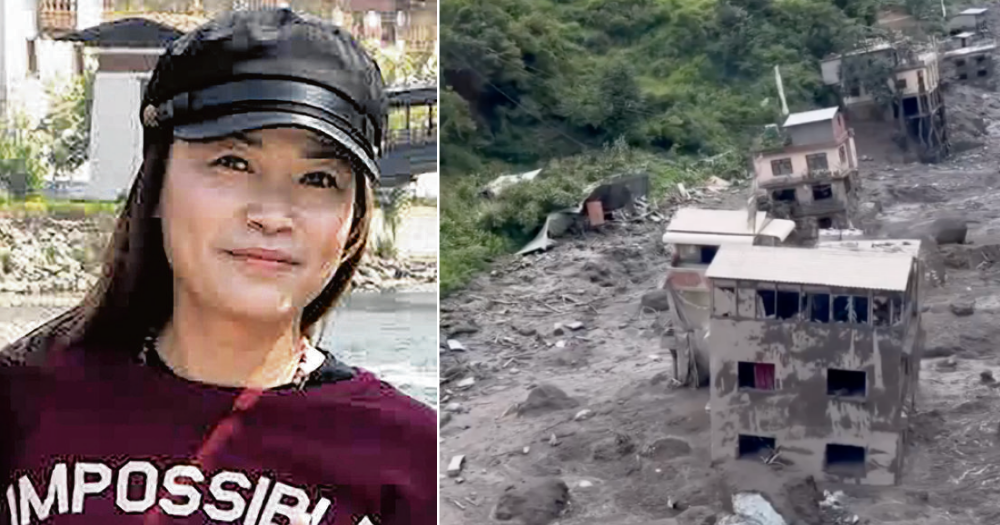
Search and rescue operations in Nepal entered their fifth day on Aug. 30 after flash floods and mudslides swept through the country's border region with Tibet, leaving at least 675 people dead and more than 2,400 missing, BBC reported.
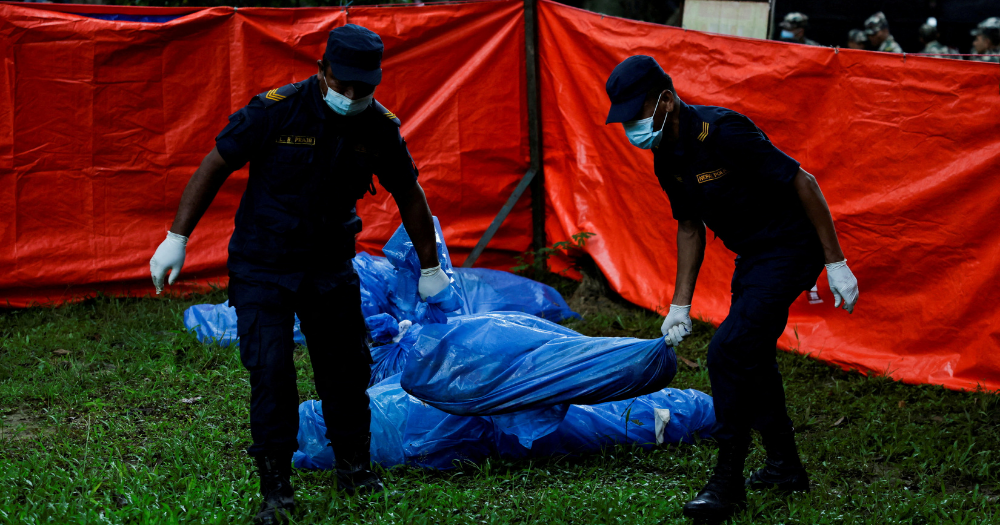
According to a report by CNA, authorities said some of the bodies recovered from the disaster have decomposed beyond recognition.
These bodies would be buried after legal formalities due to health risks and concerns over possible disease outbreaks.
Nepali government to preserve DNA
In a statement posted on social media on Aug. 29, Nepali Prime Minister Balendra Shah said the government would preserve DNA samples and other identifying information from victims whose bodies cannot be identified before their remains are handled by the state.
According to local news outlet The Kathmandu Post, Shah said the government would handle only unidentified bodies, while those identified by their families would be handed over to relatives.
He also urged the public not to be misled about the government's handling of the dead.
A total of 675 bodies have been recovered so far from various locations in the affected districts of Rasuwa, Dhading, Nuwakot, Chitwan, Tanahun, Gorkha, Nawalparasi East, and Nawalparasi West.
The recovered bodies are being placed in airtight bags and handled in accordance with the Unidentified and Unclaimed Bodies Management (First Amendment) Directive, 2026, Shah said.
He added that the government had stepped up search-and-rescue operations, medical treatment, relief efforts, and communications restoration in the aftermath of the disaster.
The response is being coordinated among federal, provincial and local authorities, with government agencies working at full capacity to assist those affected.
"Saving the lives of every affected citizen remains the government’s first priority," Shah was quoted as saying.
He said the government would continue to support affected communities and carry out rescue and rehabilitation efforts until tangible results were achieved.