Features


S'pore teen, 17, solo travels to all 47 prefectures in Japan during March holidays with less than S$1,200
"Best investment of my life."
August 17, 2026, 11:32 AM
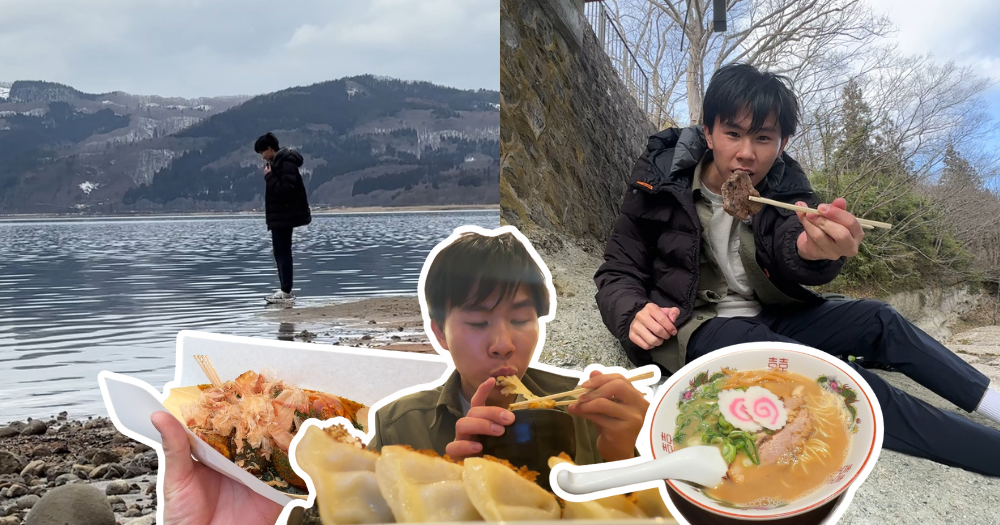
Photos courtesy of Chang.


It was Nov. 16, 2025, a fairly ordinary Sunday in Singapore.
For 17-year-old Bradley Chang, however, it was the day he decided he needed a new travel challenge.
Having already backpacked to 97 countries, the question was no longer where to go next, but what kind of adventure could still surprise him.
About two weeks later, an opportunity presented itself.
A new kind of adventure
While browsing Black Friday flight deals, Chang spotted return tickets to Tokyo on Air Japan for around S$350.
Minutes later, he had locked in a solo trip for his March 2026 school holidays. But Chang wanted to take his adventure a step further.
Instead of simply travelling around Japan, he set himself an ambitious goal: to visit all 47 prefectures in just seven days.
But to ensure he wasn't simply stepping in and out of each prefecture, he set a personal rule: each stop had to involve an experience, however small — whether that meant buying something, trying the local cuisine, visiting an attraction, or taking part in an activity.
The planning
Planning the trip, however, proved far more complicated than booking the flight.
Chang said he spent hours building route simulations on Excel, trying to piece together an itinerary that would allow him to visit all 47 prefectures within a week.
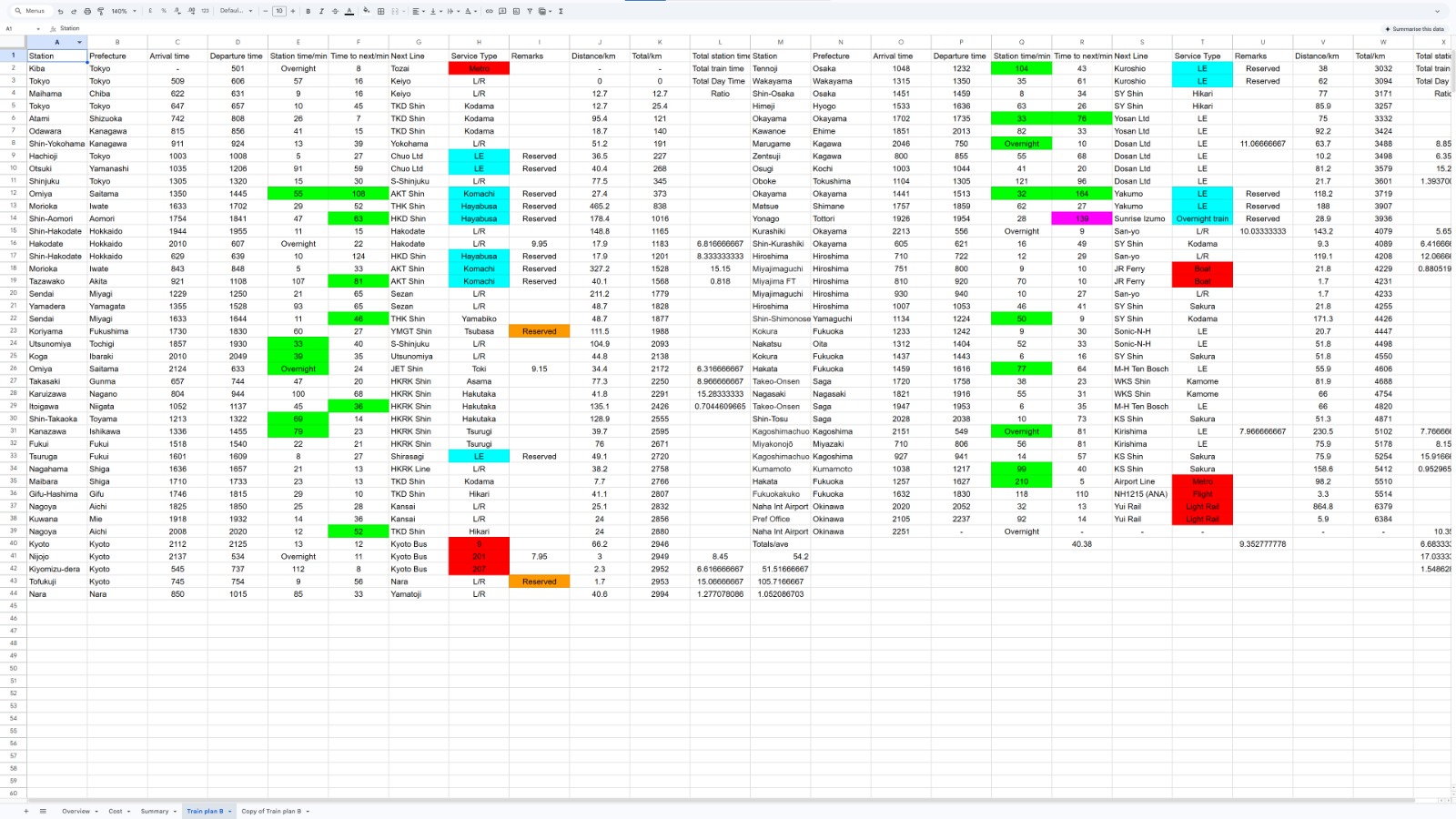 Chang's Excel spreadsheet. Photo courtesy of Chang.
Even then, he couldn't plan everything down to a T.
The first day of his March holidays coincided with Japan Railways' annual timetable revision, meaning the train schedules he had relied on were no longer accurate.
The day before he officially started the challenge, Chang said he headed to Shinjuku Station to reserve the train tickets that required advance booking, and this allowed him to plan the rest of his journey around them.
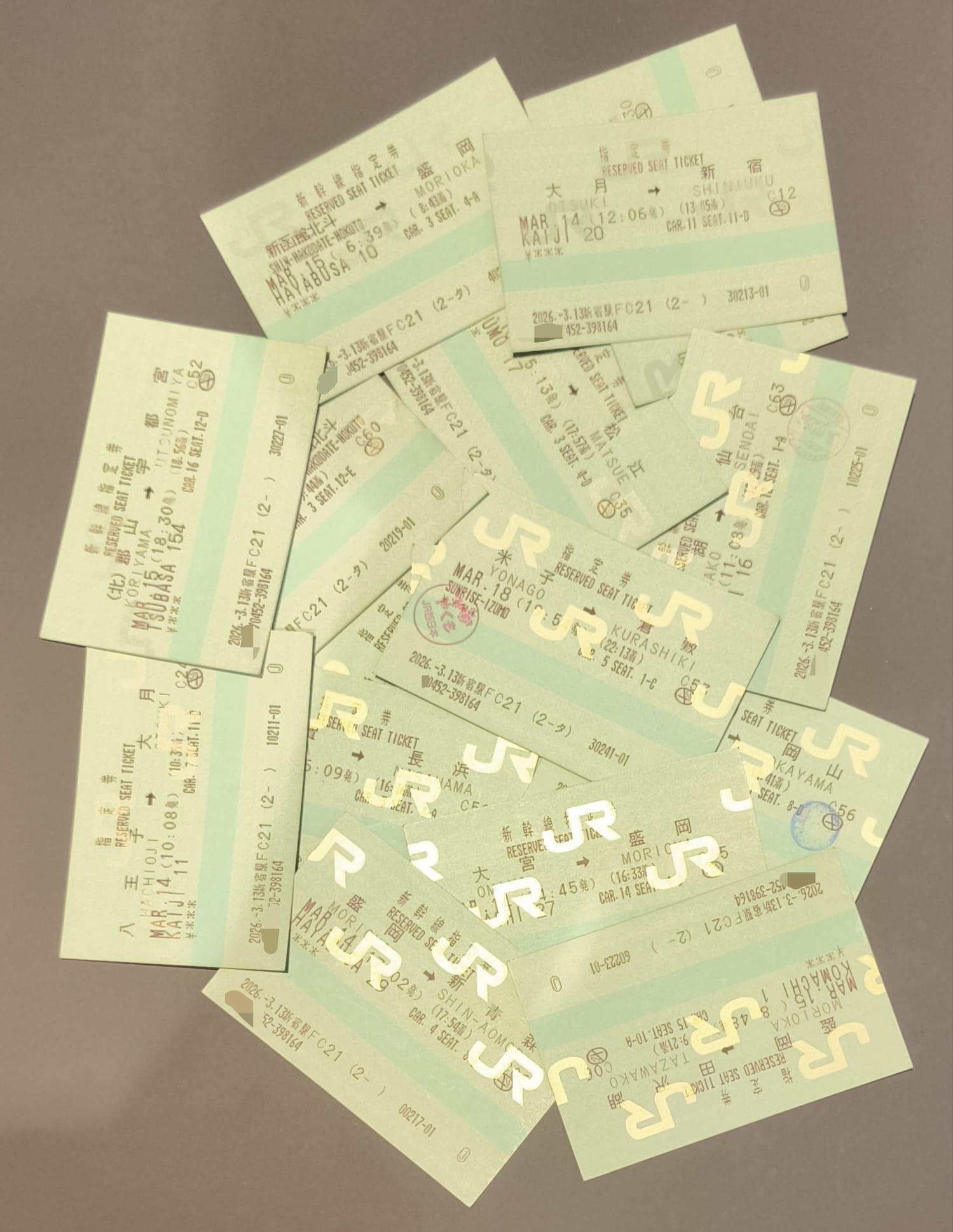 Photo courtesy of Chang.
Even with all that preparation, he said he still went in "half-blind".
Early mornings, late nights, and constant running
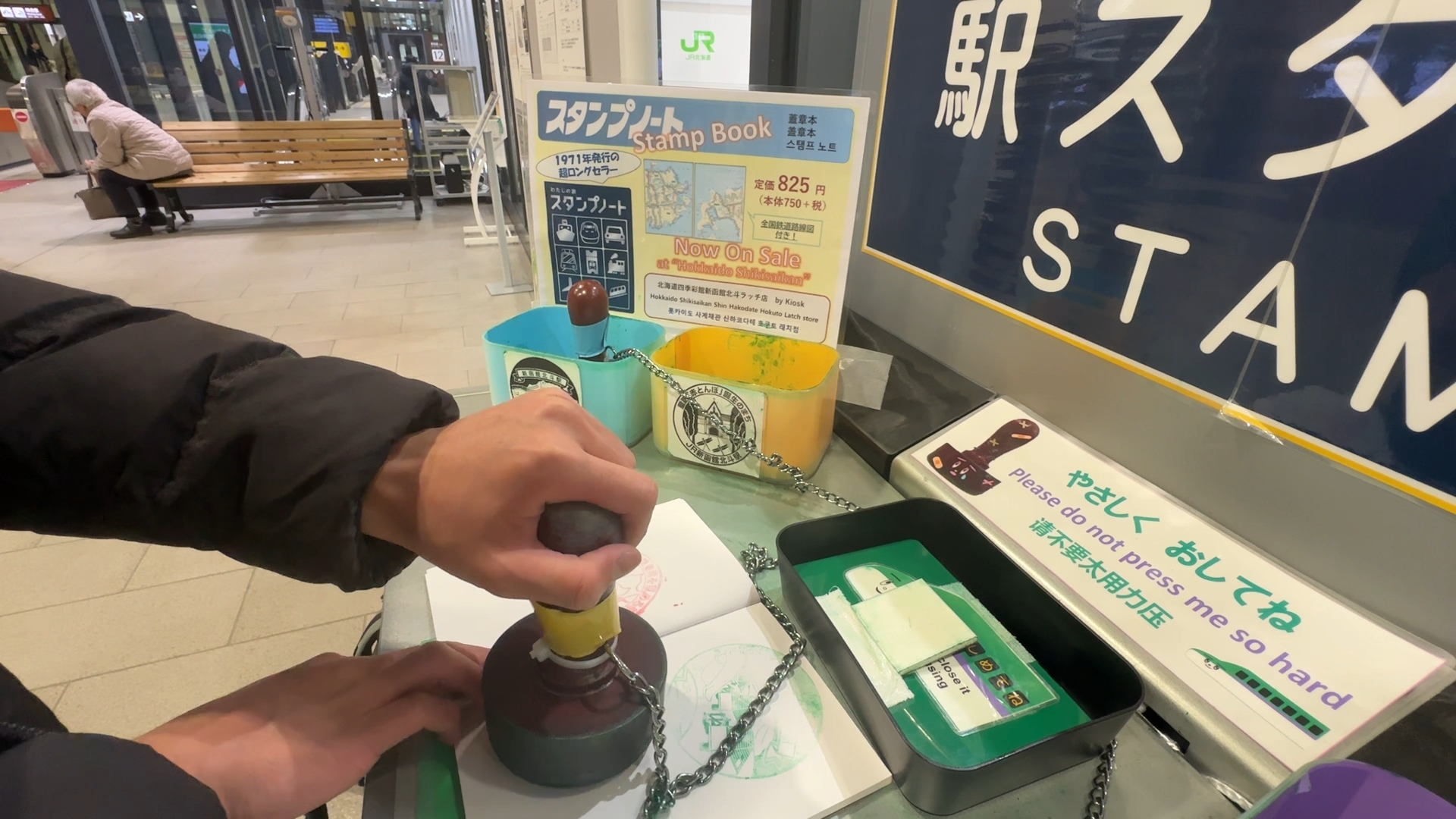 Photo courtesy of Chang.
For the next seven days, Chang's life revolved around train schedules.
His route would take him from Tokyo in the north, all the way to Okinawa in the south, covering between five and nine prefectures each day.
Every morning began the same way.
His alarm would ring at around 4am or 5am, and within 30 minutes, backpack on his shoulders, he would already be making his way to the first stop of the day.
Most nights, he did not return to his hotel until around 10pm.
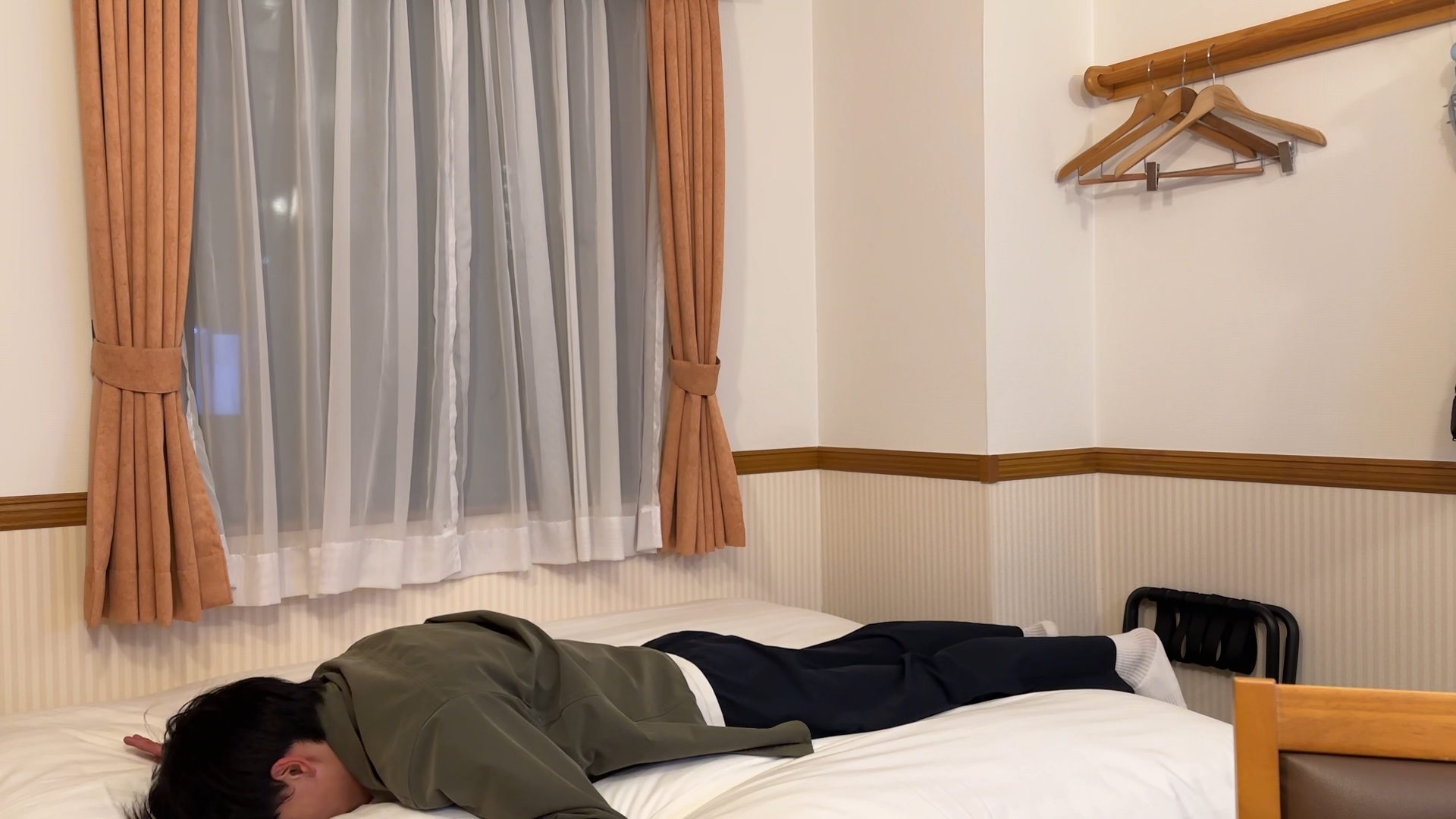 Photo courtesy of Chang.
"I was running everywhere all the time," Chang said with a laugh. "I really trusted my legs."
And he had to.
For him, every minute counted, and missing a train could derail his carefully planned itinerary.
Met with setbacks along the way
No week-long sprint across an entire country was ever going to go exactly according to plan.
On the third day of the trip, Chang felt that he was starting to develop a sore throat.
His voice had also turned raspy, prompting him to stop by a local pharmacy for medication.
Ironically, it wasn't his health that worried him the most.
He said he had initially planned to reach Kyoto's Kiyomizu-dera by 5am the following morning, hoping to enjoy the famous temple before the crowds arrived.
However, drowsy from the medication, he slept through his alarm and woke up two-and-a-half hours late.
Suddenly, the buffer he had built into his schedule disappeared.
For Chang, the stakes were even higher as missing one train wouldn't just delay him. It could mean failing his challenge altogether.
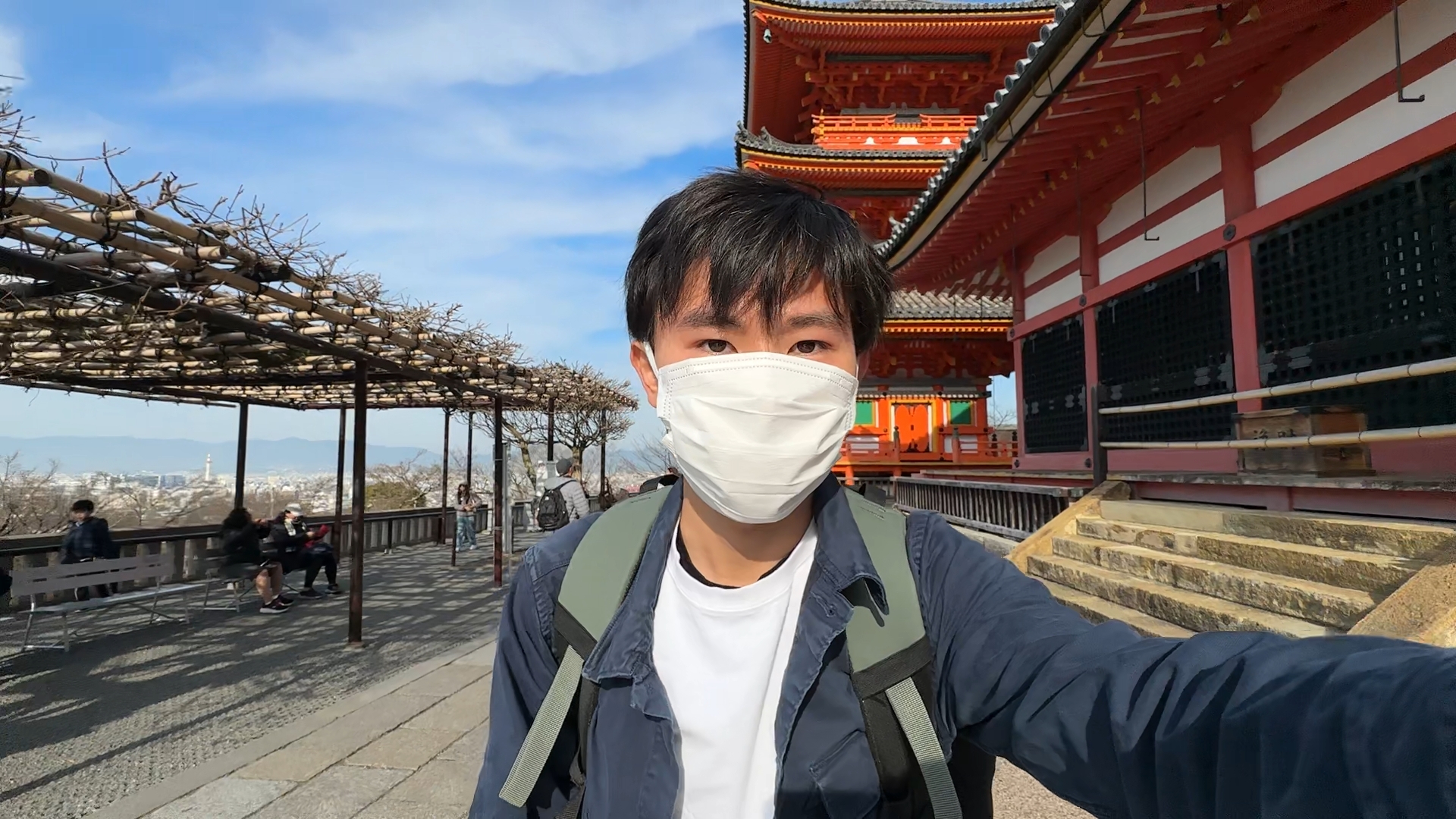 Chang at Kiyomizu-dera with a mask. Photo courtesy of Chang.
Fortunately, he managed to make up enough time to catch the last train to Shikoku, his final stop of the day, though there was a small price to pay.
He had originally planned to spend about two hours exploring Wakayama Prefecture, but instead, he had just 30 minutes.
Determined not to leave without experiencing something unique to the prefecture, he searched for a nearby restaurant serving Wakayama ramen, one of the its regional specialities.
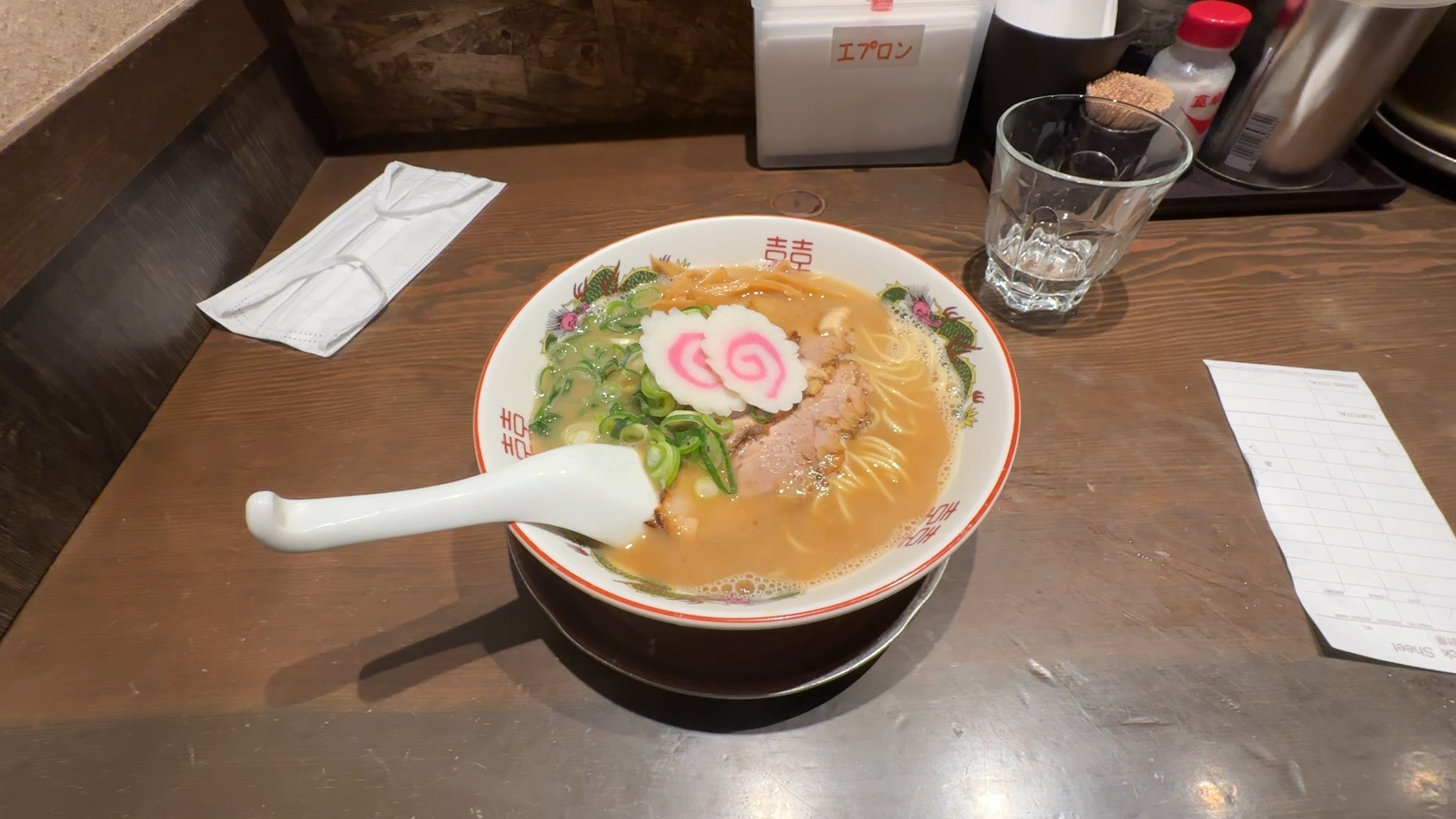 Wakayama ramen. Photo courtesy of Chang.
The rich pork-bone broth was probably the last thing someone with a sore throat should have eaten.
"But I had to do something there," he said.
As it turned out, the sore throat wasn't the only setback Chang faced.
Two days later, he had just boarded a bus from the Iya Valley to Oboke Station when it suddenly broke down.
He was told the next bus would only arrive two hours later, but that was time he simply did not have.
It was the only day he had booked every train ticket in advance.
This meant that missing one train would trigger a domino effect, causing him to miss every subsequent connection — including the last train back to his hotel that night.
"That was probably the most scared I felt during the trip," Chang said.
Fortunately, another backpacker heading in the same direction agreed to share a taxi with him, allowing him to make it back to Oboke Station just in time.
Every prefecture had a distinct personality
Before the trip, Chang admitted he had assumed many of the prefectures would blur into one another.
Instead, he discovered that each had its own personality.
"The food culture, architecture, and traditions were all very different," he said.
What surprised him most was how distinct each of them were despite how quickly one could travel between them.
When I asked which prefecture left the greatest impression on him, Chang couldn't give me an answer.
Fair enough, he had just visited all 47 prefectures in a single week.
But after a bit of probing, he was able to identify a few favourites.
Akita
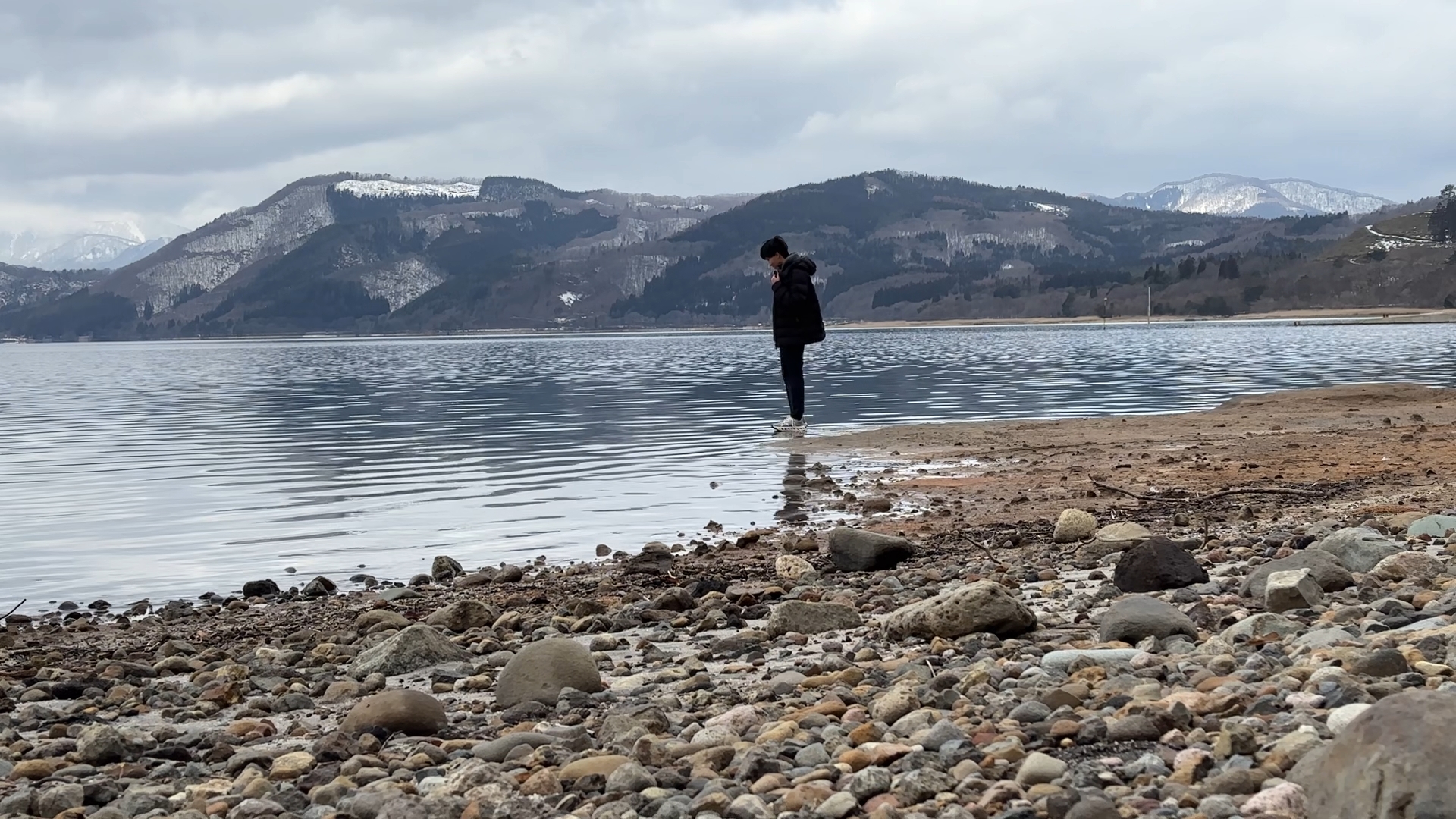 Lake Tazawa. Photo courtesy of Chang.
One of Chang's favourites was Akita prefecture, home to Lake Tazawa.
"The lake is almost a perfect circle, and I think the sheer quietness sold Akita for me, paired with the snowy atmosphere," he said.
He recalled having the entire lakeside to himself, an experience he described as both peaceful and surreal.
Tokushima
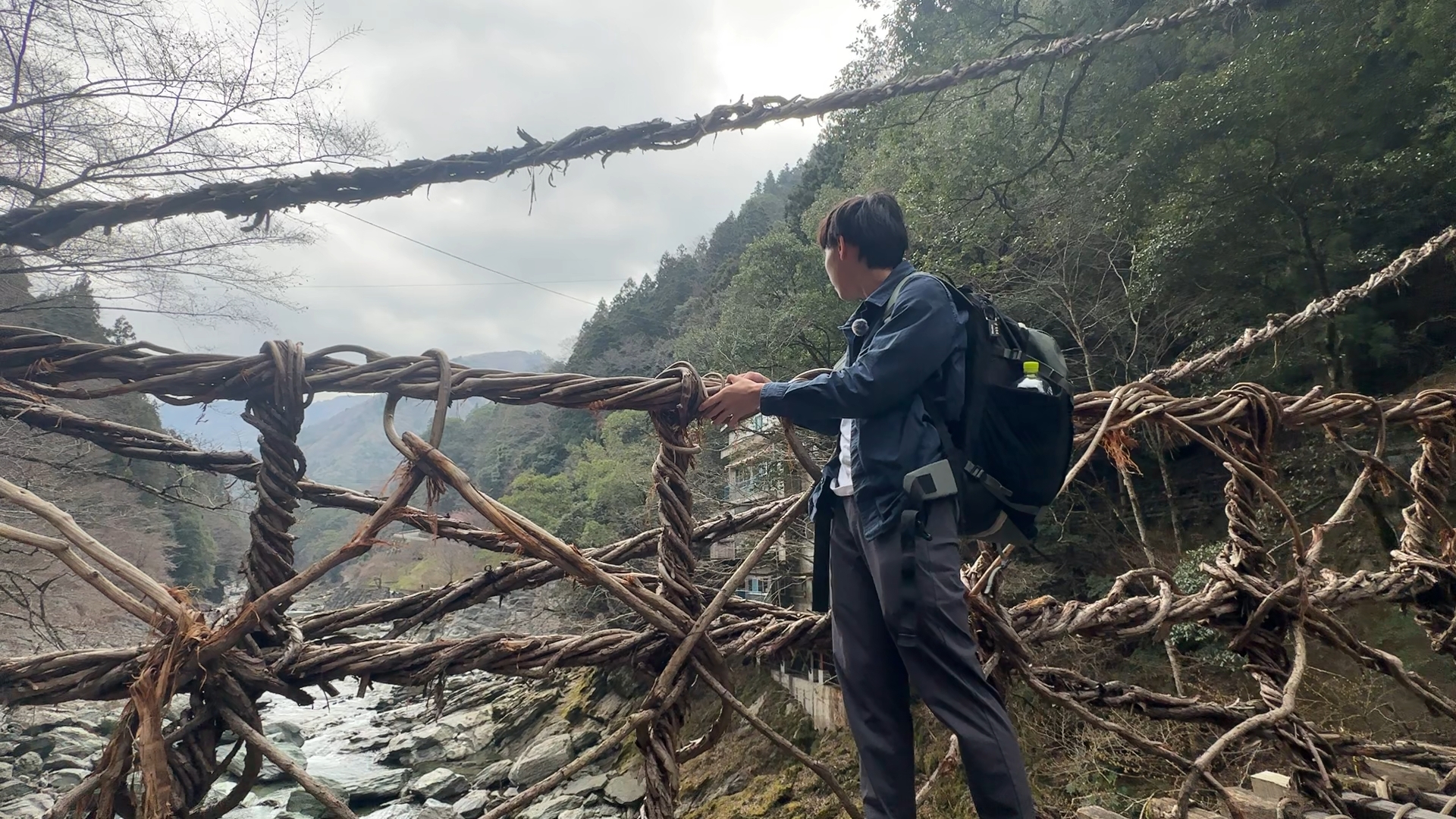 Iya Valley Vine Bridge. Photo courtesy of Chang.
Another memorable stop was Tokushima prefecture in Shikoku, where he visited the vine bridges in Iya Valley.
The region's slow pace of life, he said, stood out in stark contrast to the rest of Japan.
"It was probably the most rural place I've experienced on the trip," he said, adding that the valleys felt like a completely different side of the country from its bustling cities.
Shimane
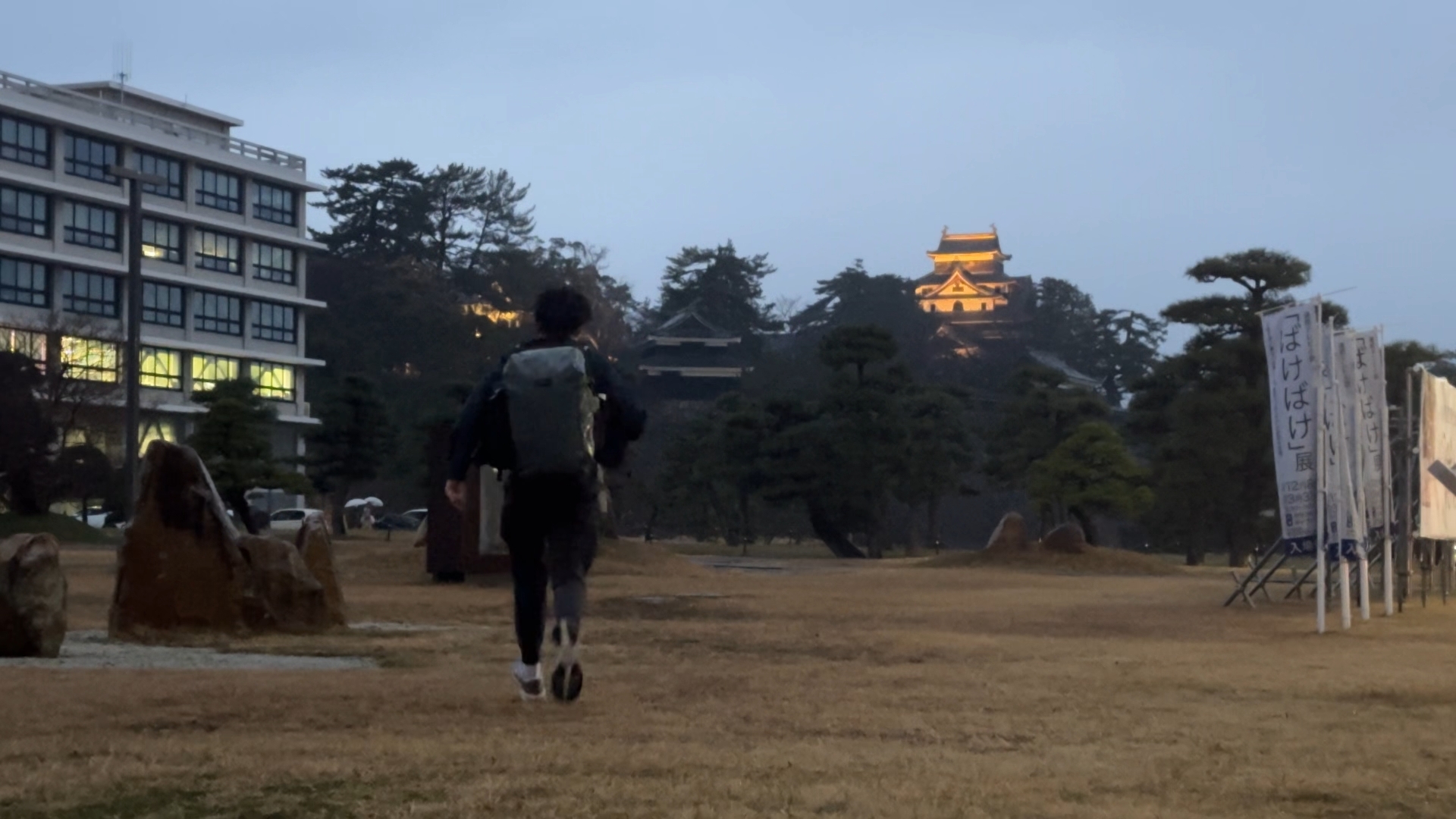 Matsue Castle. Photo courtesy of Chang.
Shimane also left a lasting impression on Chang, particularly its capital, Matsue.
"Matsue's vibe, with its small streets, really catered to my tastes," he said. "I enjoyed every second of my time there."
Although rain meant he missed the sunset over Lake Shinji, he said the city's quiet charm and Matsue Castle more than made up for it.
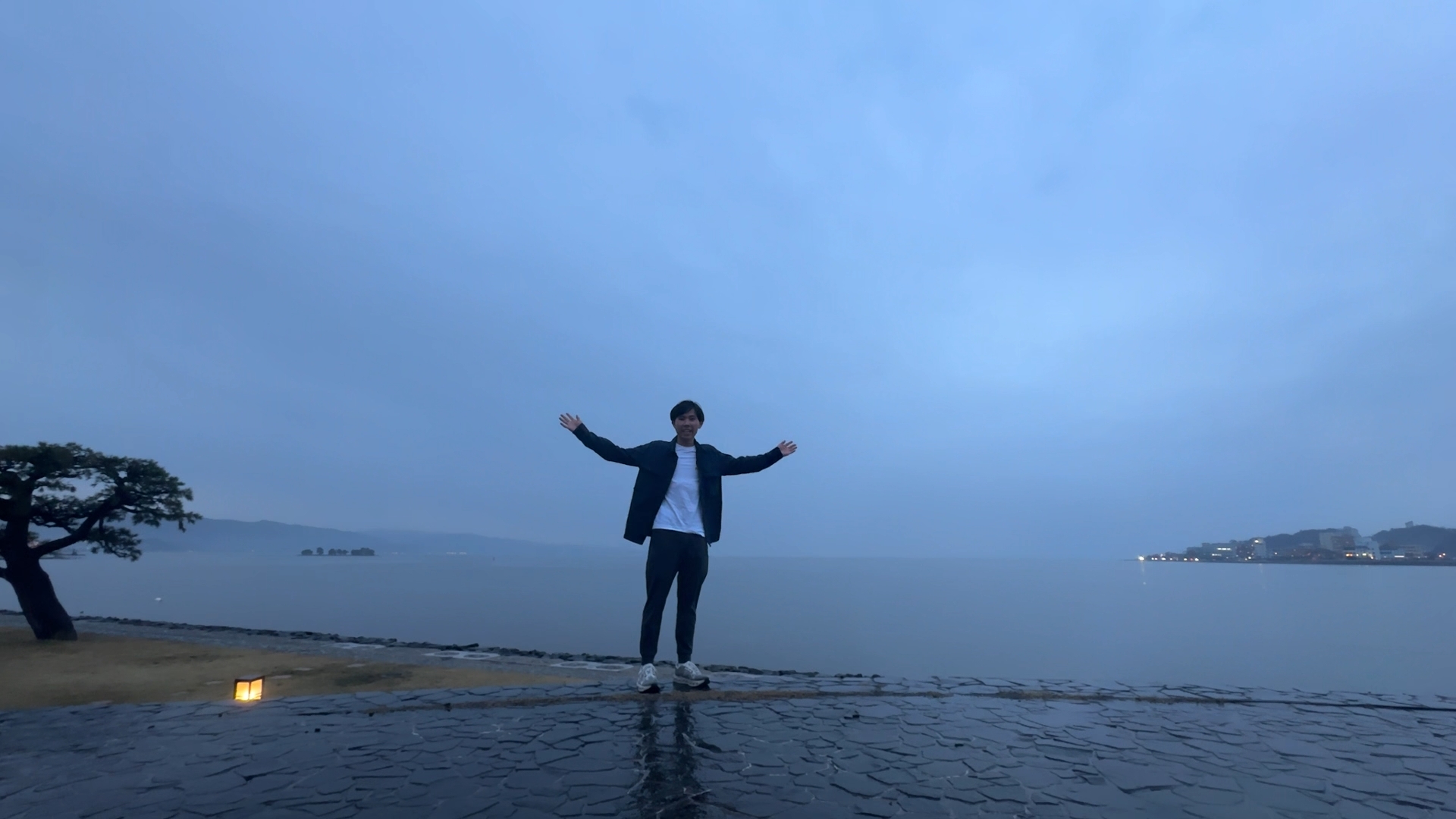 Lake Shinji. Photo courtesy of Chang.
Kagoshima
Further south, Kagoshima stood out to Chang for one reason in particular: the Sakurajima volcano.
"You can see it almost everywhere you go," he said, describing the active volcano as one of the coolest natural sights he had seen.
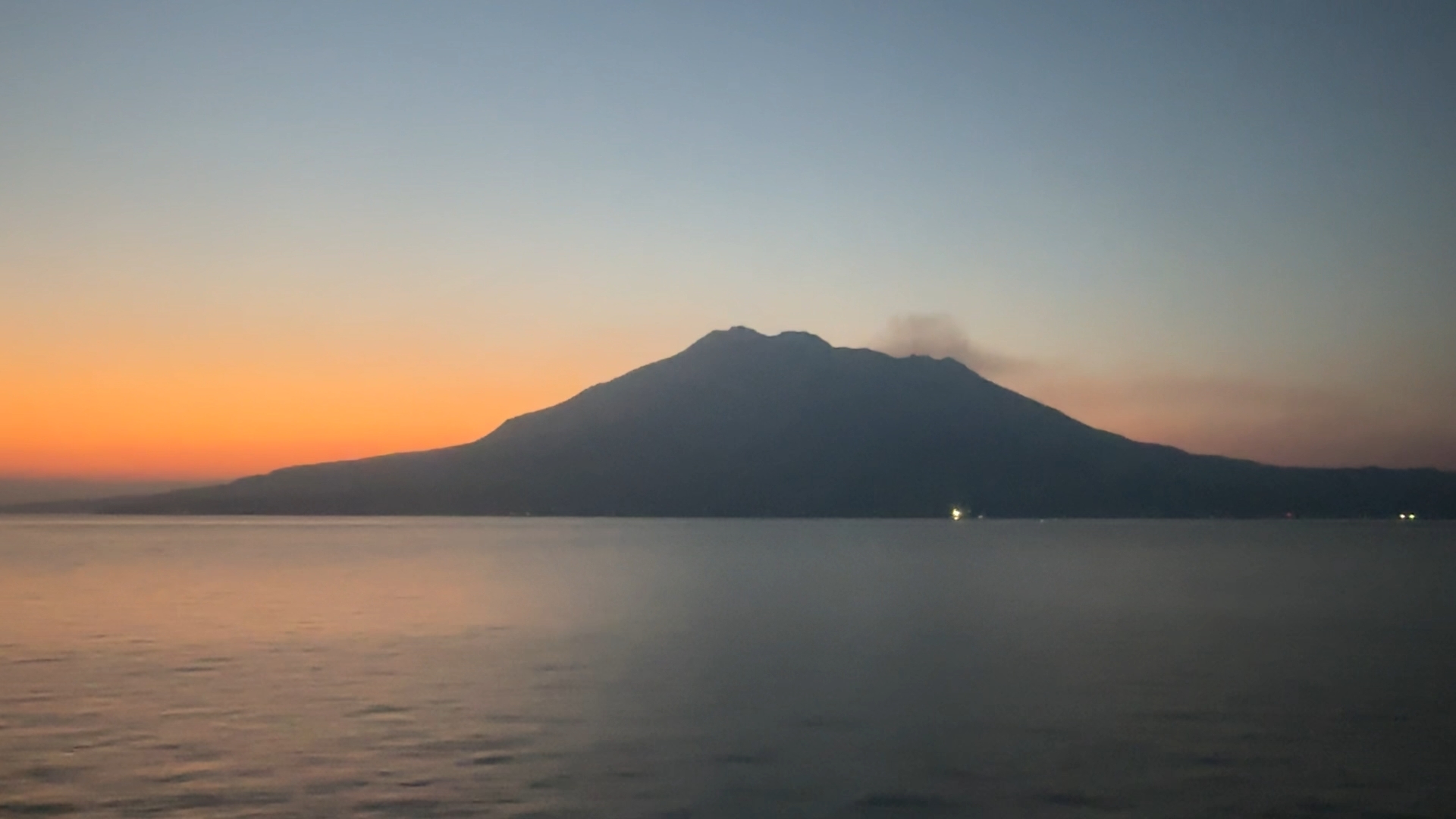 Photo courtesy of Chang.
He also singled out Kagawa and Kochi as underrated prefectures that deserve more attention from travellers.
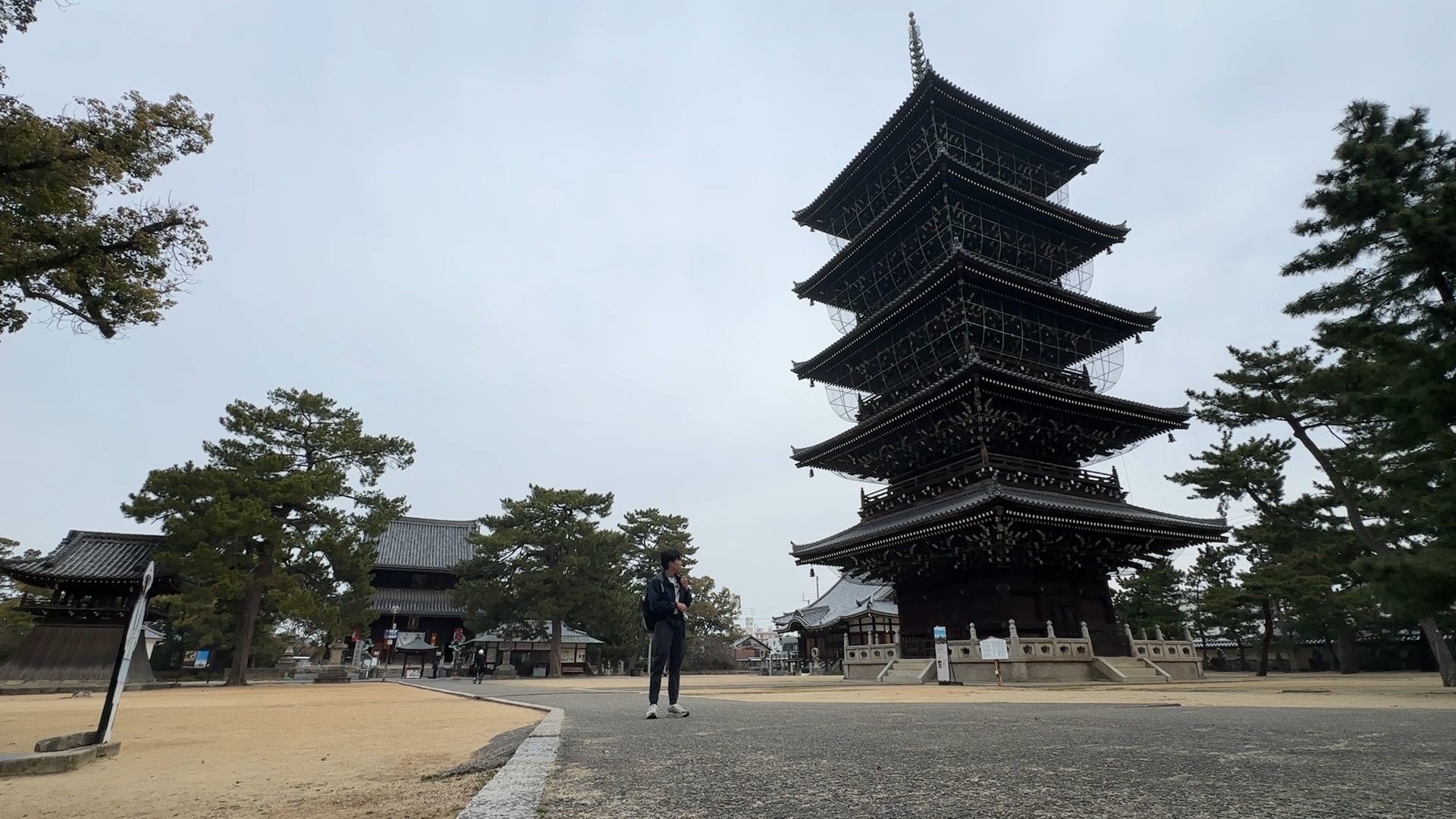 Zentsuji Temple in Kagawa. Photo courtesy of Chang.
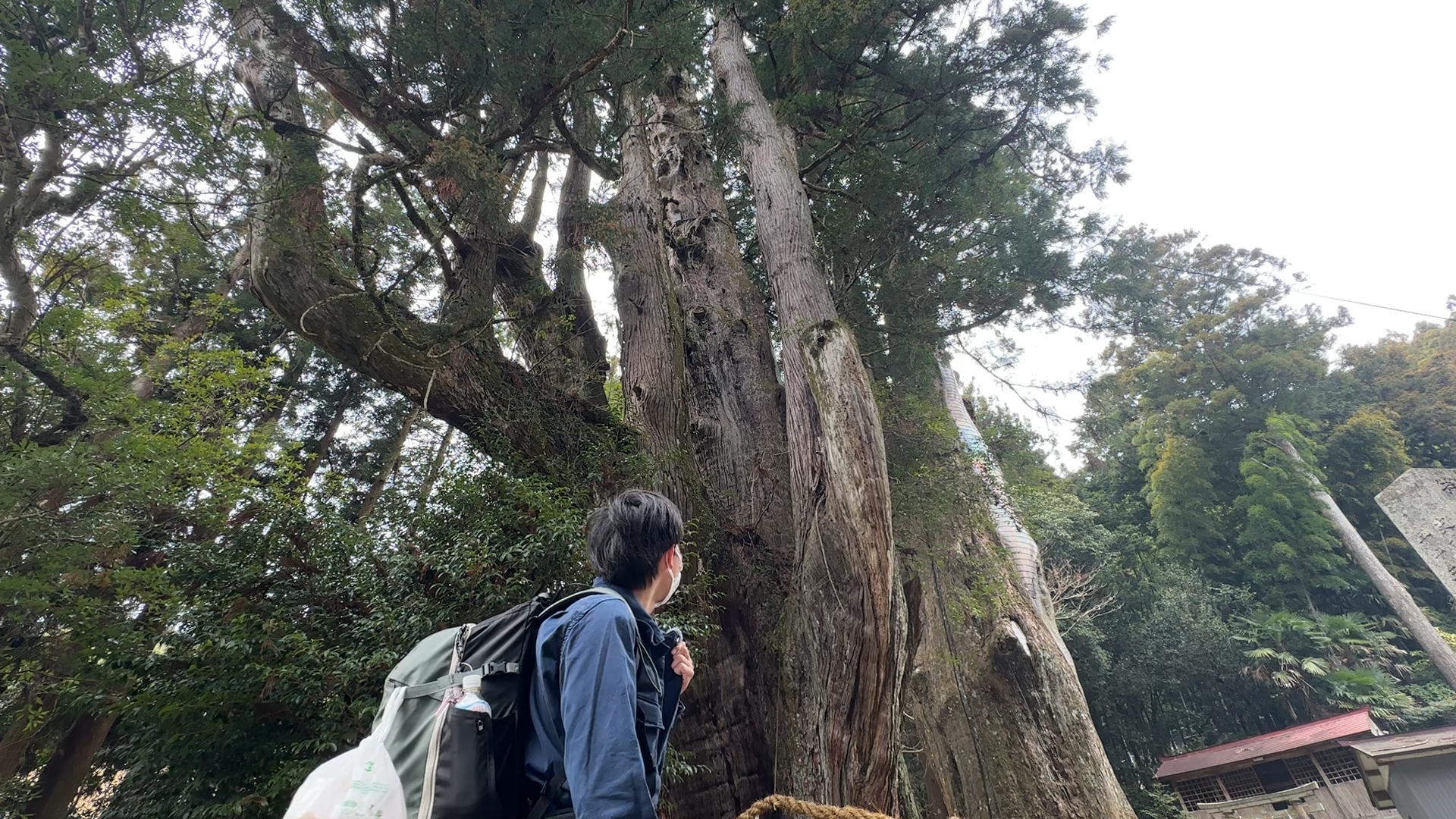 Sugi-no-Osugi in Kochi. Photo courtesy of Chang.
When asked if he regretted rushing through all 47 prefectures, Chang didn't hesitate to say no.
In fact, although impractical, he said he would always choose to do the trip in seven days, rather than stretch it out over a longer period.
"It's like 10 times more fun. Not only does the stress and adrenaline add to the atmosphere, but I also get to see so many things and maximise every single minute of my time," he said.
Parents weren't equally convinced
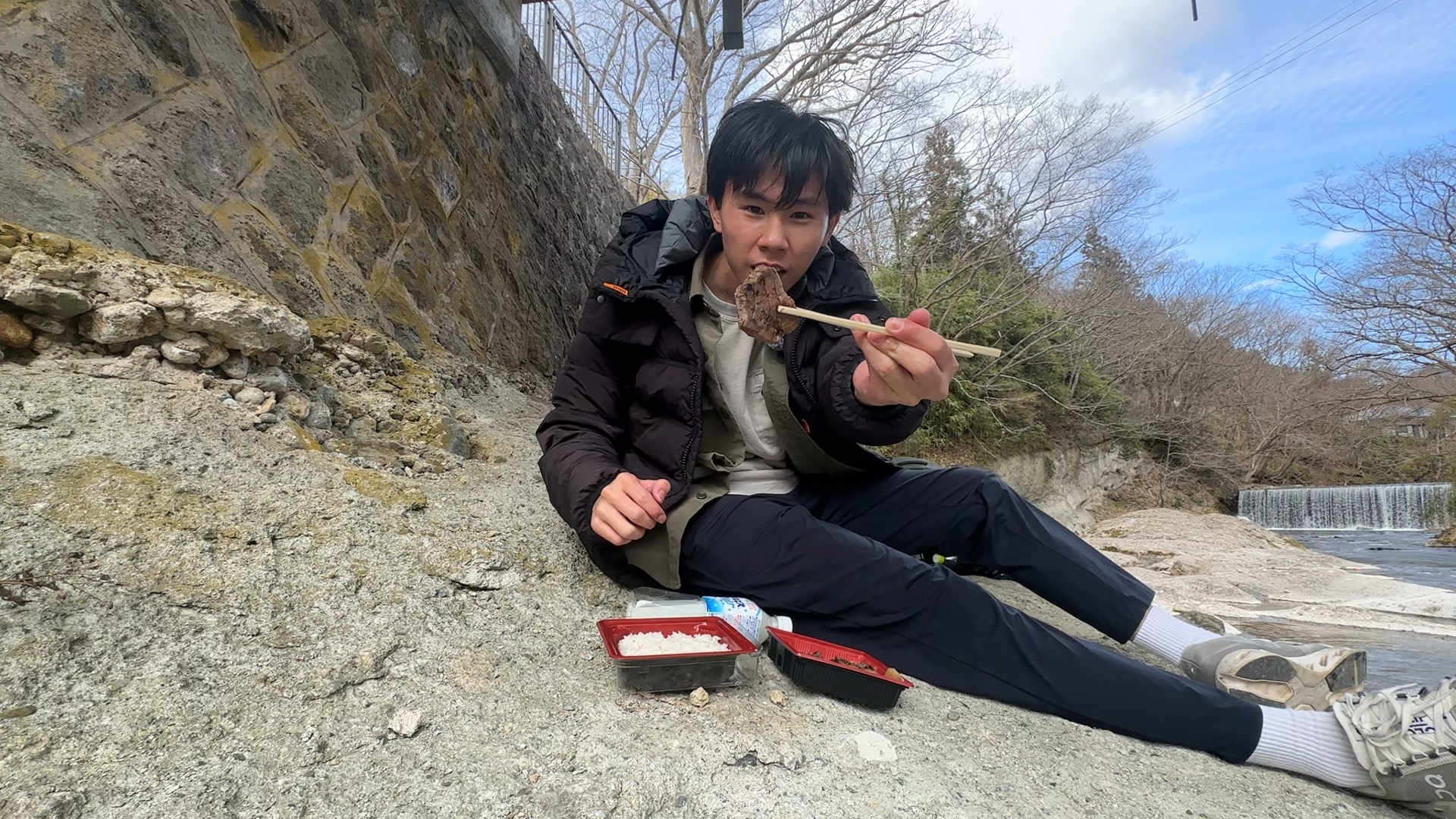 Photo courtesy of Chang.
But how did Chang's parents react to his trip and self-made challenge? After all, he was only 17.
While his father, who was his backpacking companion on his previous trips, had complete faith that his son would be fine, Chang said his mother needed a little more convincing.
She repeatedly reminded him to send regular updates.
"I stopped after a while because I got too busy," Chang admitted with a laugh.
Fortunately for her, she was able to keep tabs on him through his live location throughout the trip.
Although his father never doubted he would be safe, he was less convinced Chang could actually complete the challenge.
"He told me there was no way I'd make it to all 47 prefectures because I like to sleep in a lot," Chang recalled.
As it turned out, four hours of sleep a night was enough.
Cost of the trip
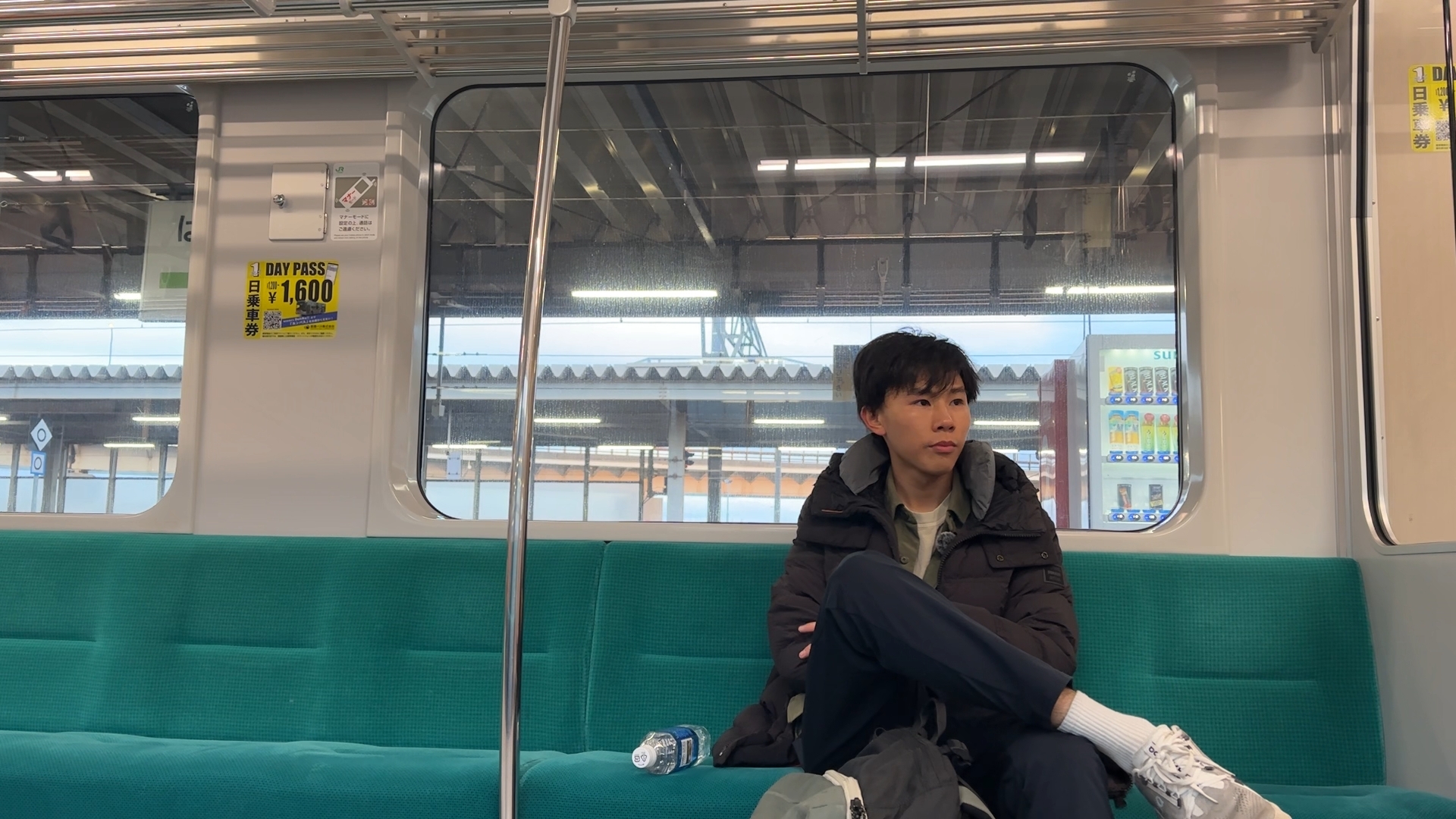 Photo courtesy of Chang.
One might imagine that a week-long sprint across Japan wouldn't be cheap, but Chang's answer would surprise you.
Excluding the JR Pass his parents bought him as a Christmas present, Chang said he spent less than S$1,200 on the entire trip.
He shared that he had been saving up since Secondary 2, and though around a third of those savings went towards the Japan trip, he has no regrets.
"Best investment of my life."
More than just visiting 47 prefectures
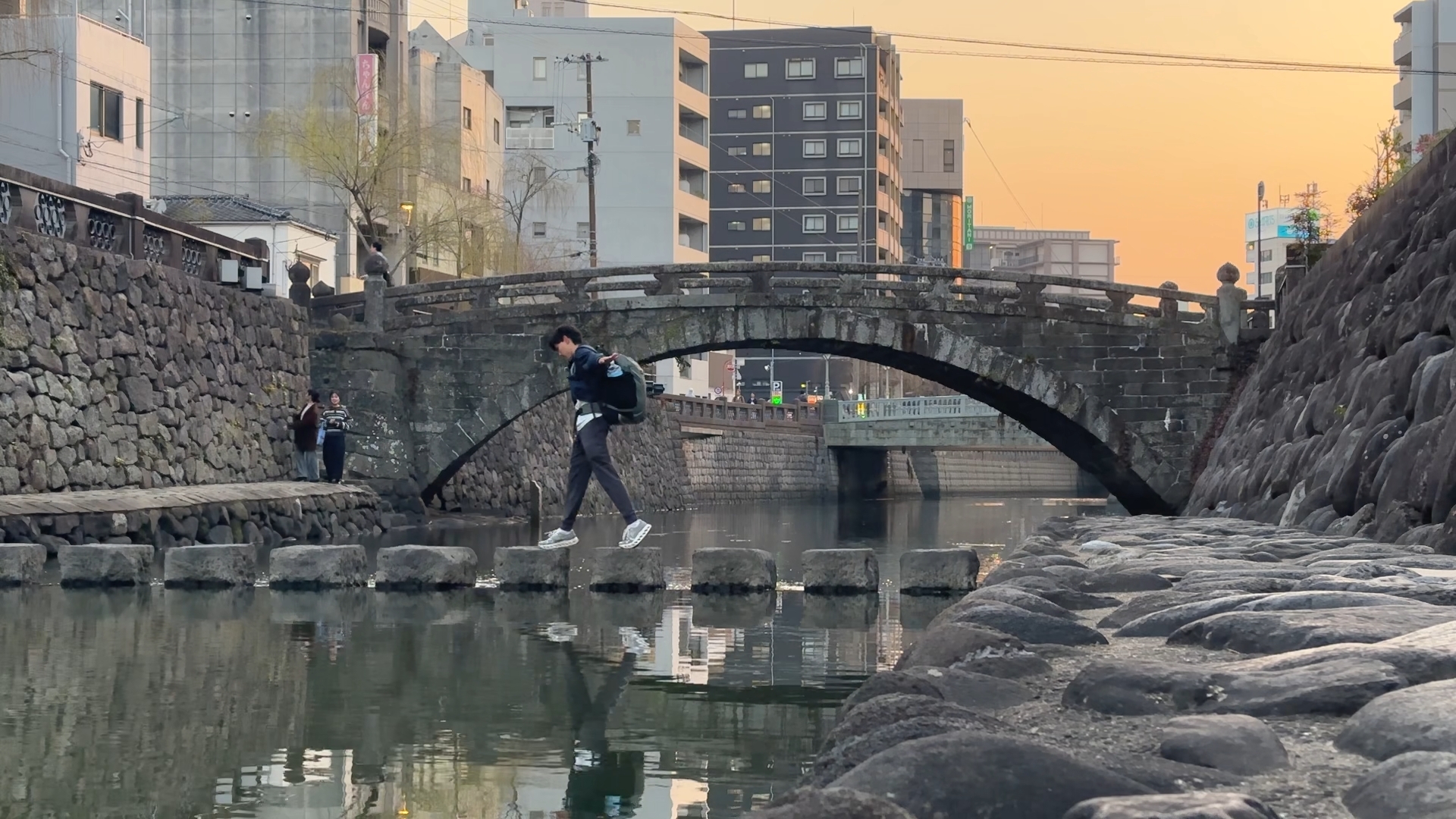 Nagasaki Bridge. Photo courtesy of Chang.
Looking back, Chang said the trip taught him far more about himself than it did about Japan.
Travelling alone meant every decision, every missed train and every setback rested entirely on his shoulders.
"Your strengths and your flaws show up very quickly," he said. "There's no one to guide you or make decisions for you."
Every missed train, every wrong turn, and every last-minute change became his responsibility to solve.
Perhaps that was why finally reaching Okinawa, the southernmost prefecture on his itinerary and the last stop of his challenge, felt so meaningful.
But as he stepped foot into the prefecture, Chang still had one final self-imposed rule to fulfil.
Upon arriving, Chang said he first dropped his bag off at his capsule hotel, before making his way to a nearby beach.
Even after getting off the train, there was still a 20-minute walk to the shoreline. But he ran the entire way.
"I was so ecstatic," he recalled. "I kept thinking, 'It's finally over'."
Even as he recounted the moment to me, the adrenaline and excitement were still evident in his voice.
When he reached the beach, Chang said he ran straight into the sea.
For about five minutes, he simply stood in the water, splashing around.
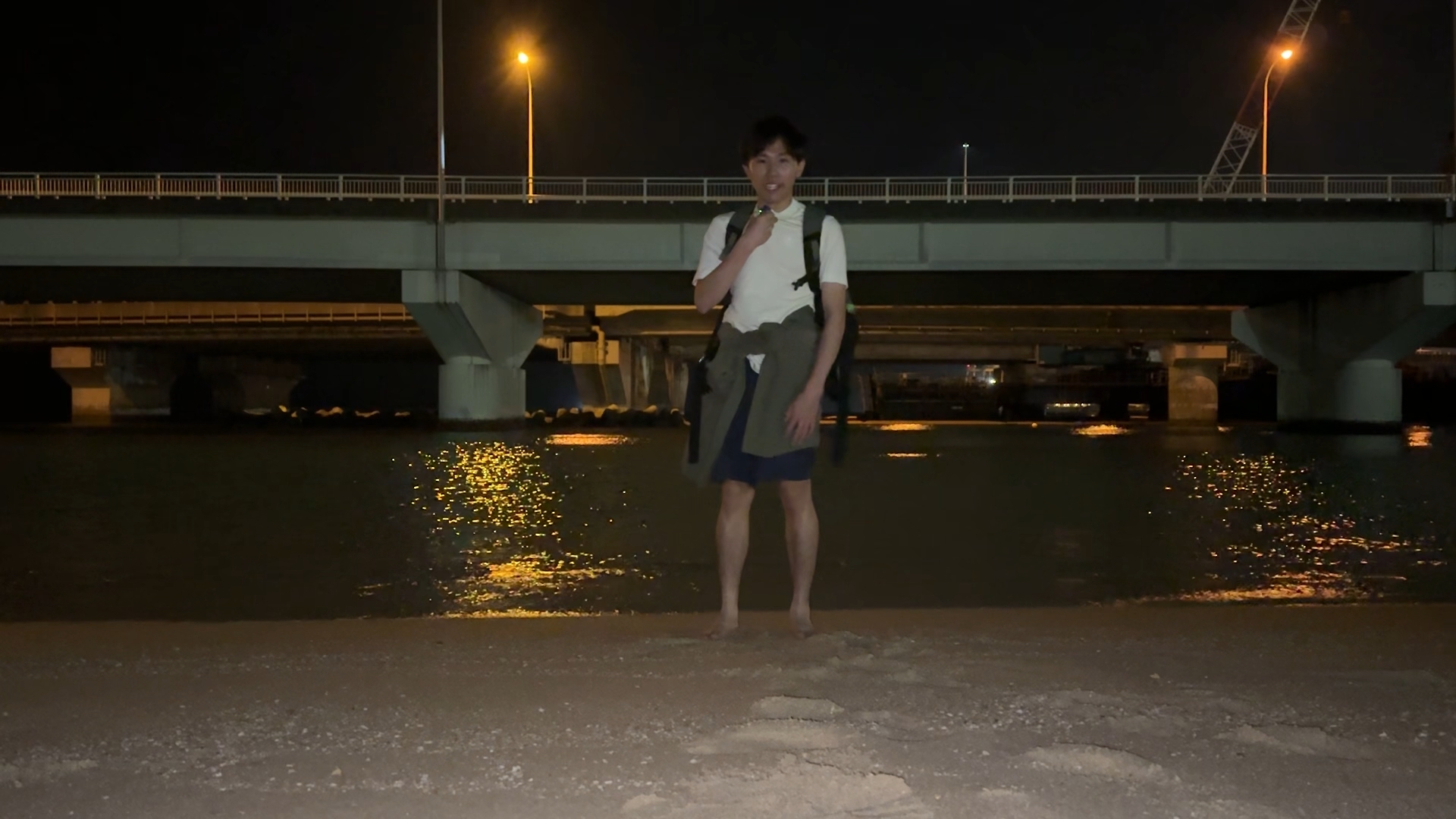 Okinawa beach. Photo courtesy of Chang.
After a week of constantly racing against the clock, it was a relief for time to finally stand still, just for a few moments, with the waves lapping at his feet.
"I don't really know how to explain it," he said. "It was just the biggest sense of accomplishment."
"It genuinely felt like I experienced the highest form of happiness."