News


Govt to make age assurance of 13 on social media platforms mandatory, may consider raising minimum age to 18 too: Josephine Teo
She also emphasised the need to cultivate healthier digital habits from a young age.
August 31, 2026, 12:00 PM
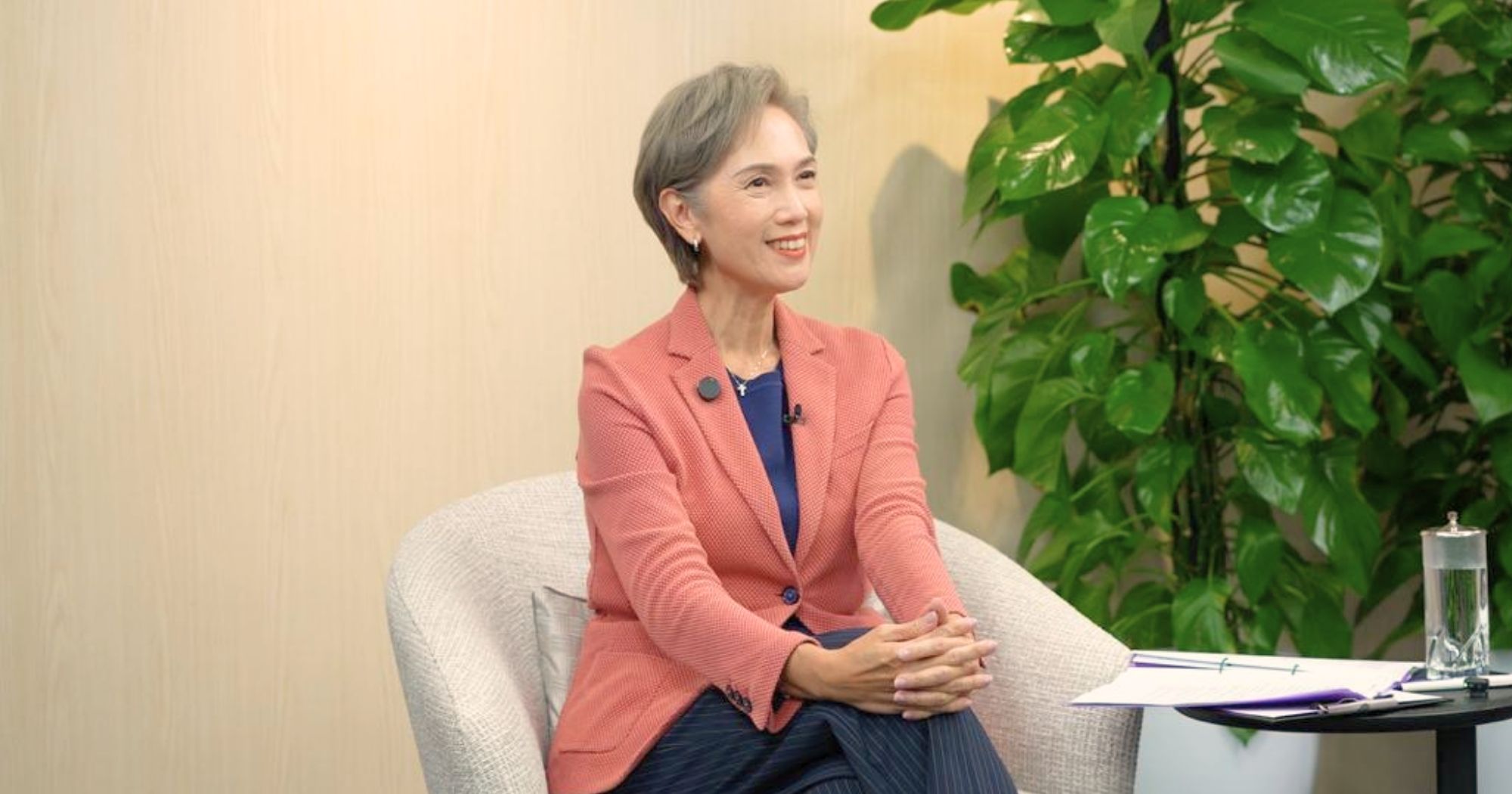
Photo by Aiman Nadzri/Mothership


Many parents in Singapore are "very stretched" with multiple responsibilities, and may find it difficult to devote time and attention to helping their children with social media use.
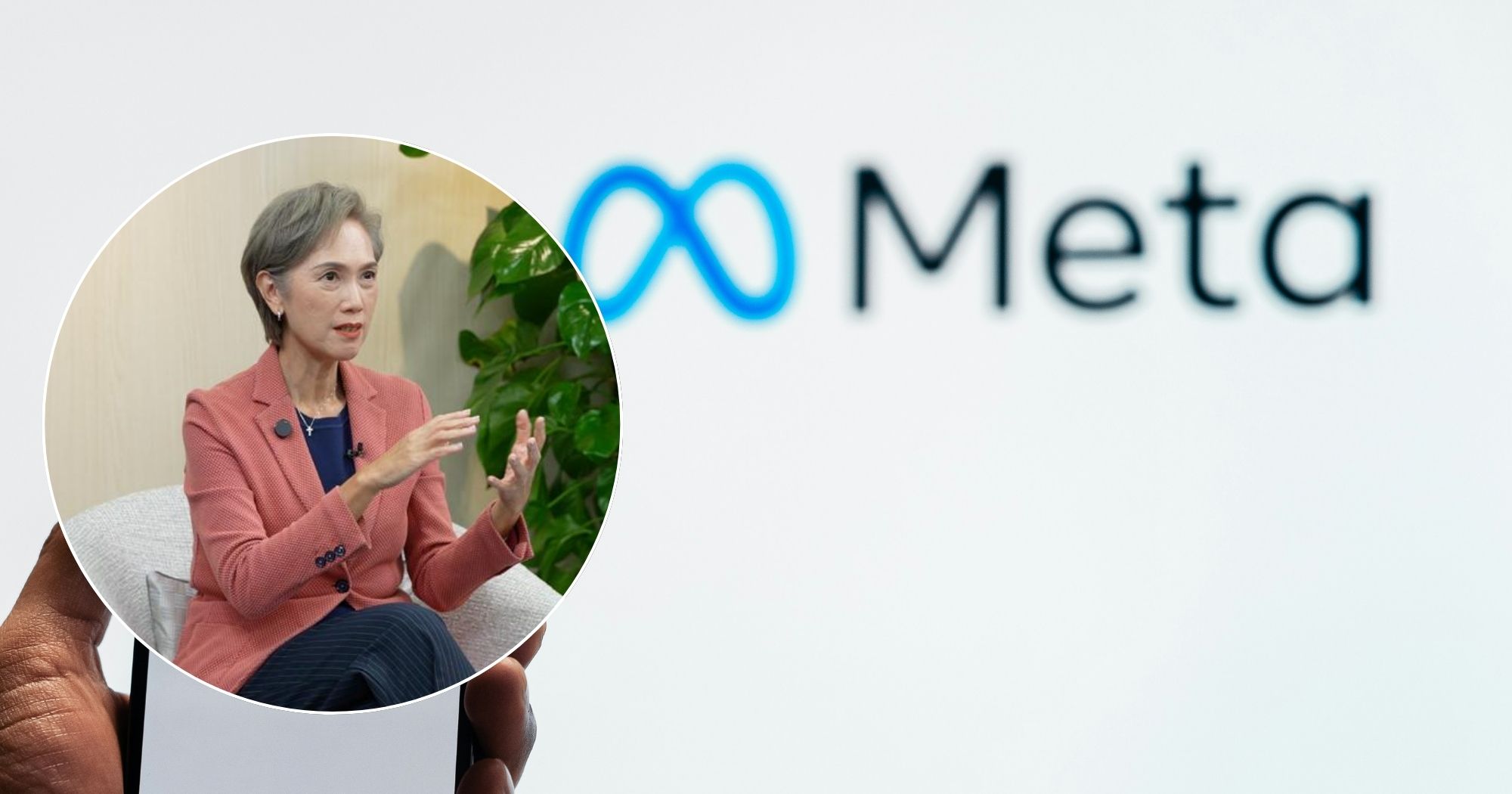
This is one reason that the government is introducing new stronger social media safeguards for children and teens in Singapore, said Minister for Digital Development and Information Josephine Teo.
Teo noted that PM Wong had said "self-declaration (declaring one's age as above 13) is just not good enough", adding that the government will consider enforcement measures for social media platforms "that is either unable or unwilling to introduce stronger safeguards".
Beyond this "baseline set of safeguards", the government will have to "continue to work on supporting parents and helping them to build a healthy relationship with their children from a young age", Teo said.
She was speaking at an interview with the media on Aug. 28, following Prime Minister Lawrence Wong’s National Day Rally (NDR) speech on Aug. 23, in which he highlighted the need to make social media safer for young children.
Enforcing a minimum age
Currently, users generally have to be at least 13 years old to create an account on a social media platform.
But PM Wong noted during his NDR speech that the current means of enforcement — self-declaration — is "just not good enough".
To mitigate this, the government is looking at making age assurance features mandatory on social media platforms, Teo said.
Age assurance can be split into three methods: Age estimation, age inference, and age verification.
The first two involve platforms using information about a user to estimate or infer their age, while age verification involves confirming a user’s age against an official record.
In Singapore, age assurance is already required for designated app stores, to prevent young users under 18 from accessing and downloading age-inappropriate apps.
The government intends to take "broadly the same approach" with social media platforms, Teo said, noting that she does not think that there is any disagreement that they will do so.
"Where a platform says it will not introduce them, the platform may not be able to access users under the age of 18, not just users under the age of 13", Teo said.
The legislative change is expected to take place in early 2027.
Strengthening the approach
Teo shared that the approach the government took with the app stores was to get them to propose the methods that work for them.
The government then looks through the proposals. If they sound "reasonably robust", they get the green light; if there are "gaping holes", they get feedback instead.
For over a year, the government has engaged with six social media services — Facebook, Instagram, TikTok, Hardware Zone, X (formerly Twitter), and YouTube — on these age assurance measures.
Teo noted that the government's intention is not to stop at the six, "but to go beyond them".
As to how the measures will look like, Teo said government "[does] not preclude" what technologies are used for these purposes.
"Technology is improving all the time, so we will be open to what the platforms propose," she explained.
More importantly, these measures must be accurate and implemented with rigour, to minimise errors.
This means that in some cases, users may be asked more than once to verify their age, causing a "a certain sense of inconvenience" for older users.
"I think this is something that we as a society need to be mentally prepared for," Teo added.
"If we want the platforms to be able to properly identify child users, then the rest of us must support the implementation of these methods."
Following implementation of the measures, Teo said the next most important thing is to perform regular audits and ensure the measures are effective.
Stronger safeguards for teen users
In addition to age assurance, the government has been looking at implementing stronger safeguards on platforms, for teens aged above 13 years old.
Citing a Jul. 30 report by the expert panel convened by the Ministry of Health (MOH) on the mental health impact of social media use, Teo said a blanket ban on teen access to social media was not recommended.
Rather, the problem was either excessive use or problematic use of social media. The panel flagged certain features as potentially exposing users to safety risks, including direct messaging functions, infinite scroll and autoplay functions, or algorithmically curated feeds.
To this end, the government will work with the platforms to explore stronger safeguards, including the introduction of a daily time limit on platform use to serve as a "natural stop point" for infinite scrolling.
Raising higher minimum age of access to 18?
If platforms are unable or unwilling to introduce stronger safeguards for teen users, the government will consider raising the minimum age of access to 18, Teo said.
She cited two reasons for the threshold.
First, 18 is generally regarded as a "marker of adulthood" in Singapore, when males typically enlist for National Service and young people may already be enrolled in an institute of higher learning.
Second, 18 is also the threshold at which app stores are required to put safeguards in place to prevent adult content from being made available to users.
Teo added that from focus group discussions with teens, most are generally prepared to accept reasonable safeguards instead of a blanket ban, and are supportive of "tiered access" by age.
Many also recognise that safeguards may be useful, she said.
Not just restrictions
However, restrictions on platforms alone are not enough, Teo acknowledged.
Going back to the MOH expert panel report, Teo said the panel identified the need for stronger societal support.
"We have to accept the fact that many parents are very stretched themselves," she said.
"They have multiple responsibilities, and they may find it very difficult to devote the time and attention to helping their children with social media use, homework, or dealing with their friends.
We do not underestimate this."
It is with this in mind that the government will implement these "baseline set of safeguards".
They will also continue to support parents and help them build a healthy relationship from a young age, Teo said.
Not in a vacuum
Ultimately, these restrictions are meant to serve "as a backstop and a reminder", rather than operating in a vacuum.
Rather, they come as part of a broader effort to help Singaporeans cultivate healthier digital habits. .
"They should operate within an overall environment where our children and teenagers know that there is such a thing as healthy digital habits, that there is such a thing as excessive and problematic use, and that it is worth paying attention to when one might fall into such patterns and supporting friends and peers to avoid doing so," she said.
"Together, as a society, we want to build a more sustainable and healthier relationship with online services and, in particular, social media platforms."