



Court


Court declares Raymond Ng vexatious litigant, imposes civil restraint order on wife Iris Koh
They cannot initiate any new civil court proceedings without the High Court's permission.
August 04, 2026, 07:47 PM
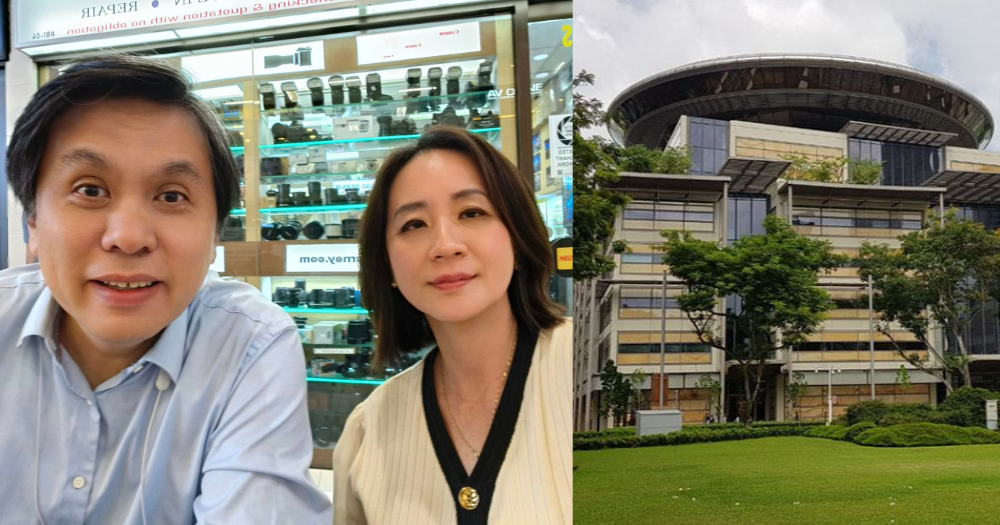
Photos from Iris Koh/Facebook and Google Maps


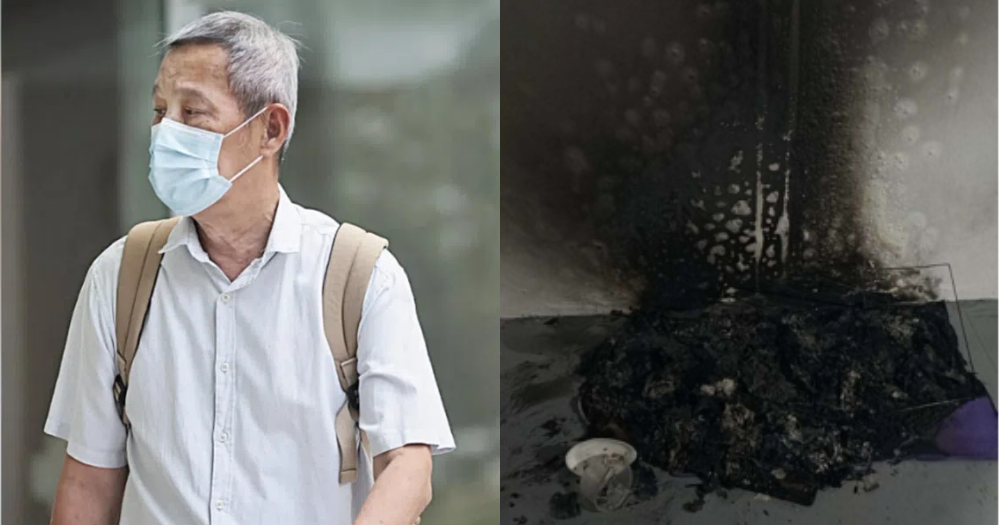
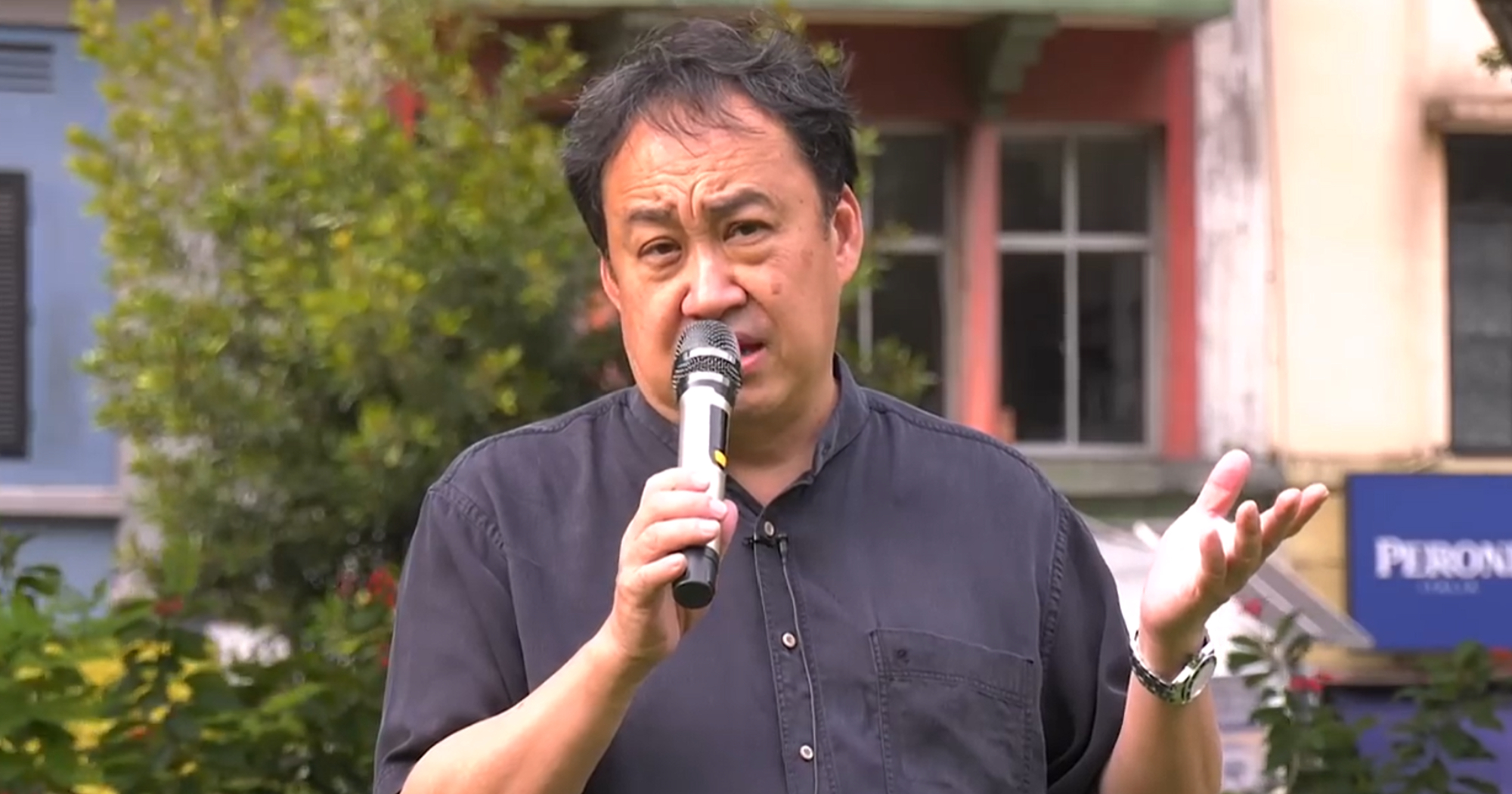
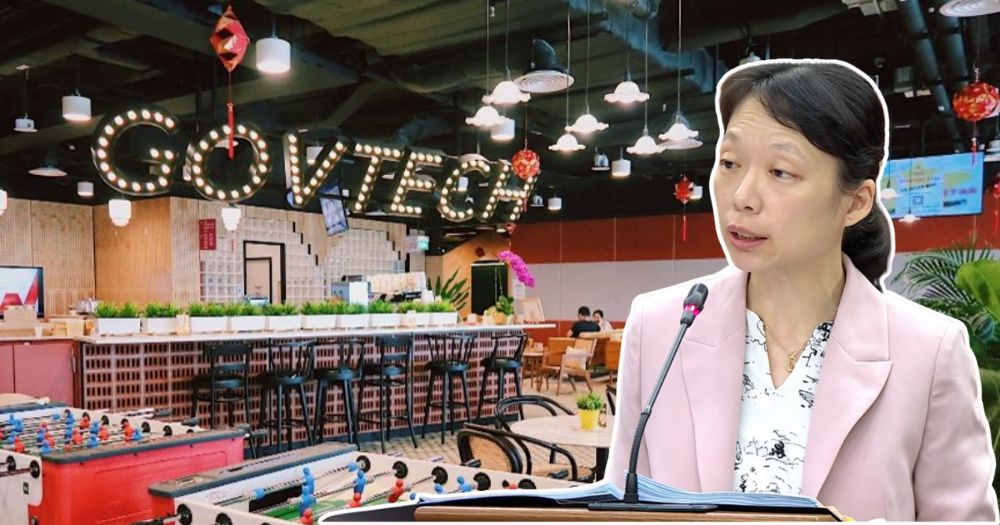
The High Court has declared businessman Raymond Ng a vexatious litigant, and imposed a general civil restraint order on his wife Iris Koh, founder of anti-vaccine group Healing the Divide.
The couple was on trial as the Attorney-General’s Chambers (AGC) had sought to have both of them declared vexatious litigants.
The AGC argued that they have treated litigation as an "income source" through "various lawfare tactics", according to the court judgement released on Aug. 4.
A vexatious litigant is someone who has habitually and persistently taken legal action against others without reasonable ground, typically with the intention of annoying or embarrassing the other party.
The vexatious litigant order granted against Ng prevents him from instituting any civil court proceedings without permission of the High Court.
Also, any proceedings that he has already commenced cannot continue without the High Court's permission.
As for Koh, the general civil restraint order imposed on her stops her from initiating new proceedings without the court's permission.
The order is limited to two years, but this period may be extended by the court.
The judge's decision on Ng
The High Court judge Hoo Sheau Peng said it appears that Ng had brought several legal proceedings for collateral purposes, rather than to address any genuine grievances.
For example, in a defamation claim against National University of Singapore (NUS) over a professor's article in 2025, Ng said that his loss lies in not receiving a settlement sum.
He also stood to gain from publicising the artificial intelligence (AI) platform he founded, GetEven.AI, for legal proceedings, as he would charge people S$1,000 to use it to "sue those who hurt them".
Furthermore, he would seek donations from the public to cover litigation costs, and ran a "sponsorship scheme" on TikTok where people could "sponsor" his lawsuit and "get returns".
Hoo believes Ng also likely "had the intention to annoy his opposing parties".
When claiming defamation against NUS, he "blind-copied various non-parties" to his emails to NUS, including the Ministry of Law, Ministry of Health, the AGC, and journalists “from major press outlets [which were] too many to list”.
Based on her assessment of his legal actions, Hoo found that "these proceedings are his preferred response to conflict even if they were not justified".
The judge's decision on Koh
Koh apparently urged that the case of imposing a vexatious litigant order must be assessed against her individually and not against her and her husband collectively.
The judge ultimately found that, similar to Ng, some of the legal proceedings Koh initiated had the intention of annoying or embarrassing the opposing parties.
For example, when the couple applied for judicial review against the Health Sciences Authority (HSA) in 2024, Koh posted a video on her TikTok account with a public call-to-action.
"I want to invite everyone to support us in our legal lawsuits against HSA and to end this ‘ownself check ownself’ for good. ... Be sure to help us to share, comment and viral this content," she said in the video, as quoted in the judgement.
However, Hoo said it is not entirely clear at this juncture whether the legal action Koh had brought was vexatious or without any reasonable ground, as a pattern of such conduct cannot be established.
Thus, there was insufficient evidence to declare Koh a vexatious litigant.
A general civil restraint order would be appropriate to "counter such a scattergun approach to litigation" that Koh has taken, Hoo argued.
Concluding her decisions on the couple, Hoo said that the two orders "will not only serve to prevent an abuse of court processes, but will also be in the interests of opposing parties".
She clarified that the orders do not preclude Ng and Koh from seeking legal action under their legitimate rights and for genuine grievances — "they must simply seek the court’s permission before doing so".