News


People keeping unlicensed pet cats in S'pore can be fined up to S$5,000 from Sep. 1: AVS
More than 111,000 pet cats have been licensed since the start of the transition period in Sep. 1, 2024.
August 31, 2026, 12:32 PM
Photos from Alvin Tan's Facebook


As the transition period for pet cat licensing draws to an end, it will be an offence under the Animals and Birds Act to keep unlicensed pet cats from Sep. 1, 2026.
The Animal and Veterinary Service (AVS) will investigate feedback on owners who have not complied, and take enforcement action.
Those found not adhering to the rule can be fined up to S$5,000.
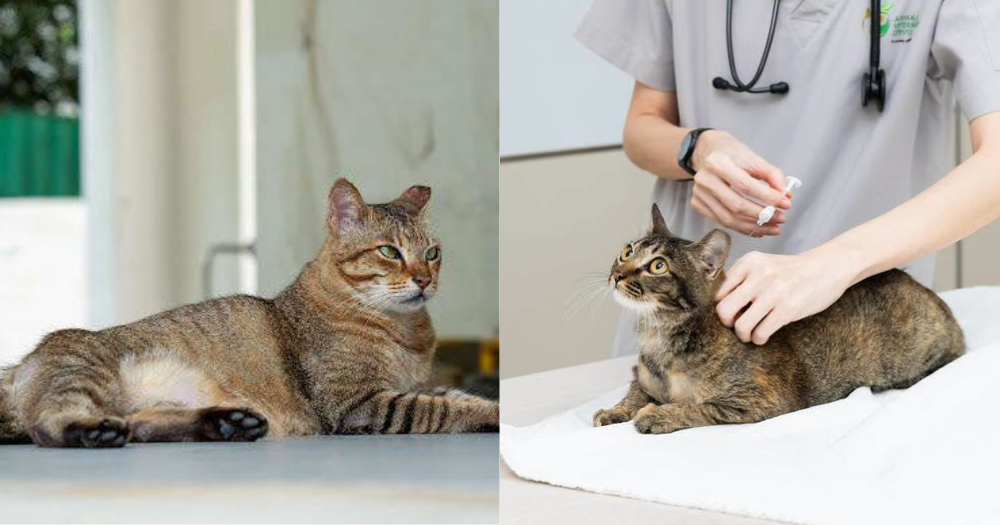
Cat owners can apply for a licence through AVS’ Pet Animal Licensing System (PALS) after making sure their cat is microchipped by a licensed veterinarian, and completing a one-time online free pet ownership course.
Over 111,000 pet cats licensed
On Aug. 31, Minister of State for National Development Alvin Tan posted an update on Facebook about the two-year transition period that kicked off on Sep. 1, 2024.
He previously shared on 18 July that around 66,000 pet cats, or about 7 in 10 in Singapore, had been licensed.
Since then, that number has grown to more than 111,000 licensed pet cats to date, Tan said.
He urged cat owners to license their pets soon, explaining that "microchipping and licensing our pet cats enhance traceability and owner accountability, and make it easier to identify and reunite lost cats with their owners".
As for community cats, over 4,700 have undergone the Trap-Neuter-Rehome/Release-Manage (TNRM) programme, he added.
Ownership rules
From Sep. 1, the cat ownership limits will also apply for new licence applications: a maximum of two cats in HDB flats, and three cats and dogs in private residences.
In their statement, AVS highlighted that people with more cats than these permitted limits are allowed to keep all their existing pet cats if they had licensed them within the transition period and are able to ensure that the cats’ health and welfare are taken care of.
AVS also reminded cat owners of the following rules to take care of their cats.
They need to ensure that their cats are kept in a safe environment, and take reasonable steps to protect them from hazards.
These steps can include installing mesh, grilles, screens, or other barriers to prevent the cats from roaming freely or falling from height.
When in public, cat owners will also need to ensure that their cats are kept under physical control and not allow them to freely roam, such as by placing their cat in a carrier or using a harness.