Abroad


Current Ebola outbreak on track to be deadliest with 2,000 deaths recorded: WHO chief
The current outbreak's crude case fatality rate is 46.8 per cent.
August 15, 2026, 06:57 PM
Christopher Black/WHO


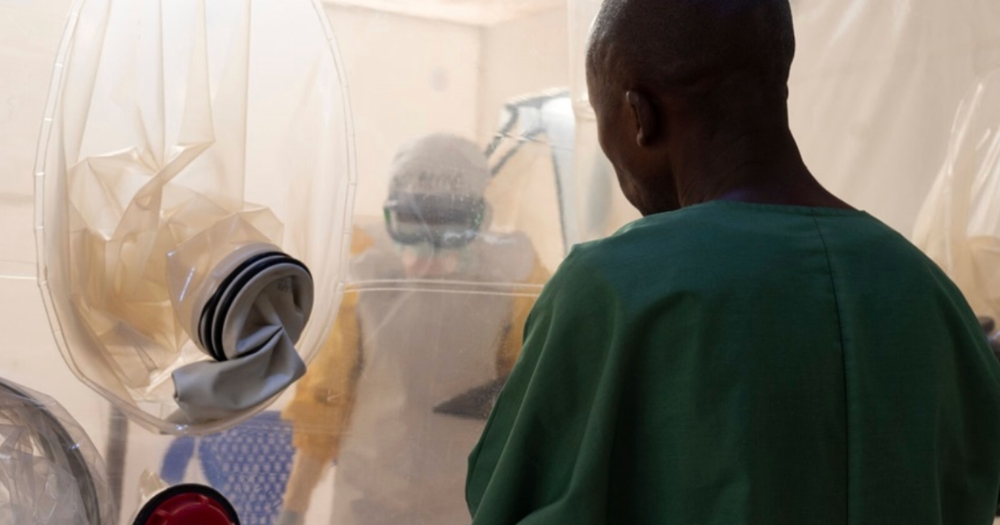
The Democratic Republic of Congo's current outbreak of Ebola is on track to be the deadliest outbreak of the disease ever, said the director-general of the World Health Organisation (WHO), Tedros Adhanom Ghebreyesus.
According to the BBC, Tedros noted that "at its current pace", the outbreak declared on May 15, 2026, would "eclipse" the 2014 to 2016 epidemic that claimed the lives of at least 11,000 people.
A WHO news release on Aug. 14 said the current Bundibugyo virus disease (BVD) outbreak has seen at least 4665 cases and caused more than 2184 deaths as of Aug. 12.
This equates to a crude case fatality rate of 46.8 per cent.
Outbreak likely began in February
The outbreak was officially declared in May but was believed to have started at least three months before, reported the BBC.
The WHO said it hoped to reverse the spread of the disease within three months but cautioned that this was to bring transmission under control.
In a press conference, WHO Africa director Mohamed Janabi said: "We are chasing the virus, the virus is ahead of us".
He said research showed the virus started spreading in February and was initially misdiagnosed as malaria or typhoid.
Bundibugyo
The 2026 outbreak is caused by a rare Ebola strain, Bundibugyo, which has previously caused two known outbreaks in 2007 and 2012.
There are no approved vaccines or recognised therapeutic drugs that can treat BVD.
The BBC noted that regional instability in the east of the Democratic Republic of Congo has hindered efforts to control the spread of the disease.
Health workers have only been able to reach around 30 per cent of cases.
Ebola symptoms
BVD's incubation period ranges from two to 21 days; infected individuals are only infectious when symptoms onset.
Early indicators include fever, fatigue, muscle pain, headache, and sore throat before progressing to gastrointestinal symptoms, organ dysfunction, and, in some cases, bleeding.