




Branded

Aviation engineer to prison officer: S’pore man, 32, has no regrets making switch to uniformed career in corrections
More than just unlocking and locking inmates.
Photos courtesy of Matin Holmberg/Singapore Prison Service
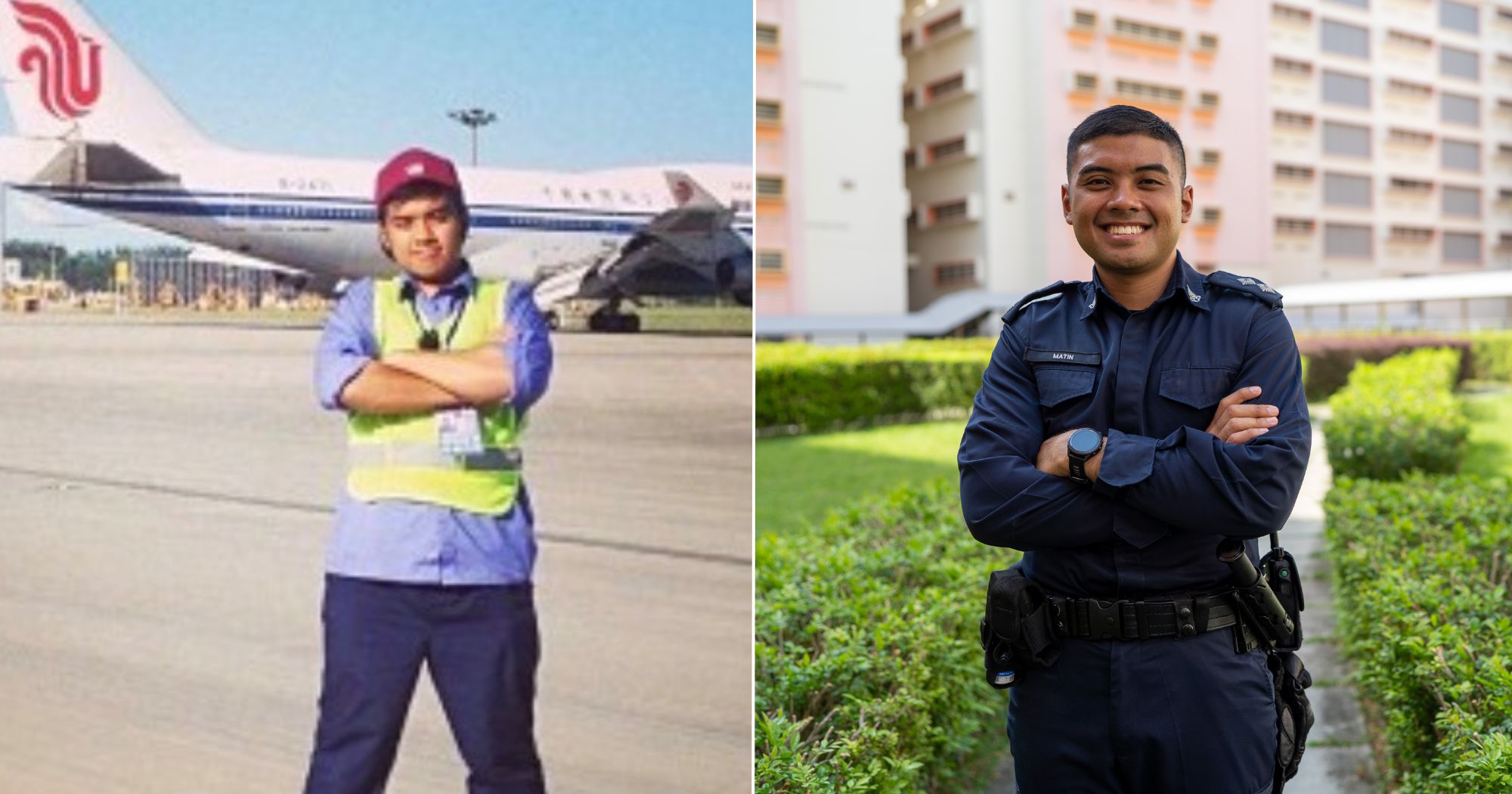
Two years ago, Matin Holmberg left his engineering job to become a Senior Prison Officer.
For the 32-year-old, there has always been something appealing about wearing the uniform and serving the nation.
 Photos courtesy of Matin Holmberg/Singapore Prison Service
“I always look forward to going back for my reservist and putting on the uniform,” he said.
Now a Senior Correctional Unit Officer (SCUO) at Institution B2, Holmberg shares with Mothership the challenges and opportunities he has found in his new career.
Making the switch
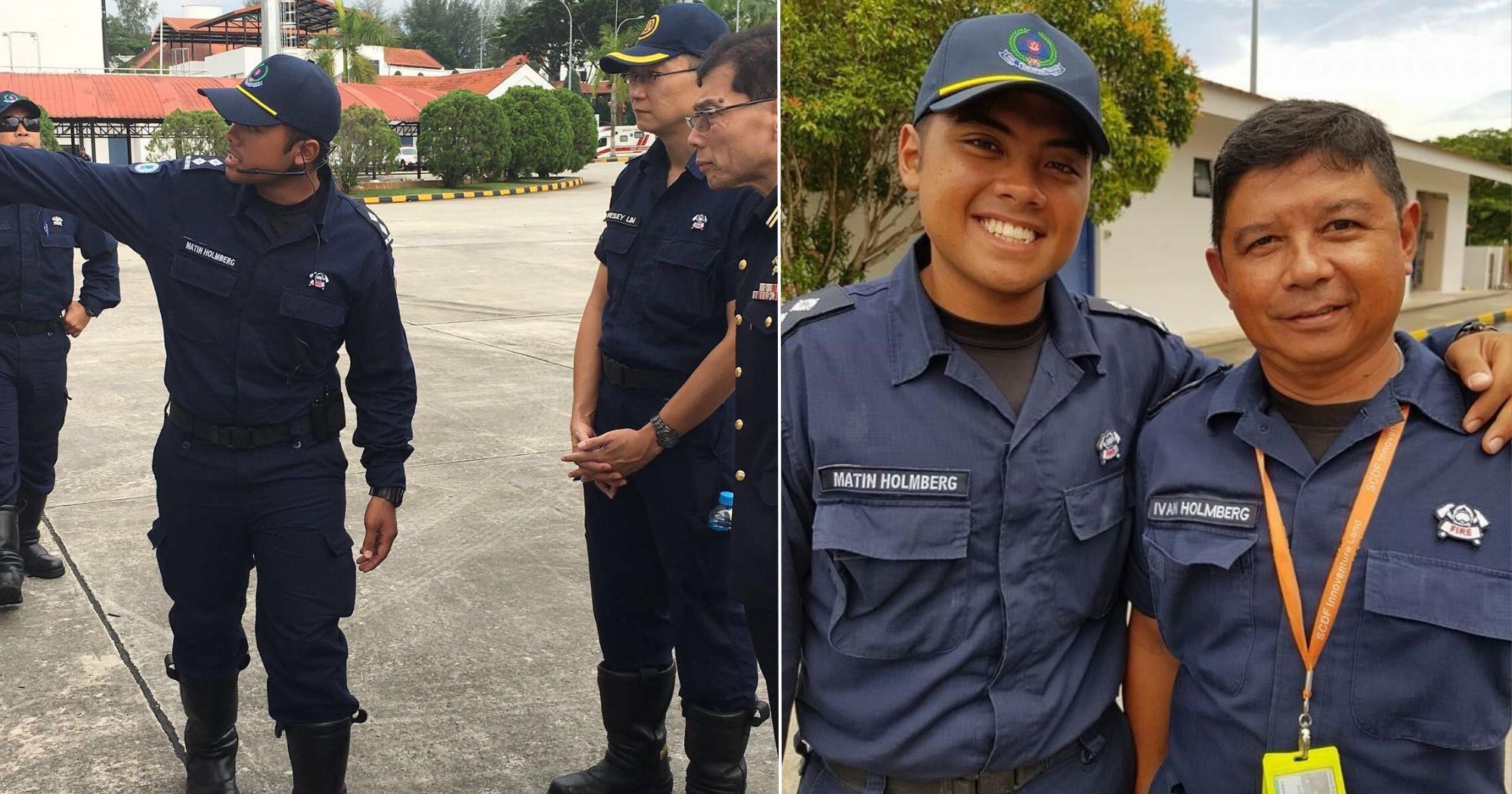
Back when he was serving his National Service (NS), Holmberg completed his Basic Military Training (BMT) with the Singapore Armed Forces (SAF).
He was then seconded to the Singapore Civil Defence Force (SCDF), where he became a Rota Commander.
It was the experience of both agencies which inspired Holmberg’s passion to serve.
He later went on to pursue a Diploma in Aeronautical Engineering, and began his career in the aerospace industry.
 Photo courtesy of Matin Holmberg
After a few years, however, he felt it was time for a change and decided to sign up as a Senior Prison Officer with the Singapore Prison Service (SPS).
It was fitting as he had always envisioned serving the country in one way or another.
His father, with whom he shares a close relationship, served in the SCDF for more than 30 years before retiring.
With a broad smile, Holmberg recalled growing up listening to stories about how his father had impacted others' lives.
“I think the values he upholds, like integrity and being genuine, and the lessons he learned from being in the force are admirable. So the man that he is is what I wished to become as well,” Holmberg said.
When asked how his family reacted to his career switch, he laughed, “My wife was very happy because I can put food on the table.”
Holmberg also acknowledged that job stability was one of the factors behind his decision.
Ultimately however, the biggest draw for him was the opportunity to do meaningful work, continue learning and build a long-term career.
Nine months of training
Before stepping into his new role, Holmberg underwent nine months of training with SPS.
The programme consisted of two phases.
The first was five months of residential training at the Home Team Academy (HTA), where Holmberg and his fellow trainees stayed on campus five days a week.
There, they received practical and operational training to prepare them for work in the Singapore Prison Service, he said.
This was followed by four months of on-the-job training.
During this phase, trainees were deployed to various prison institutions to gain first-hand experience and better understand the realities of working in a prison environment.
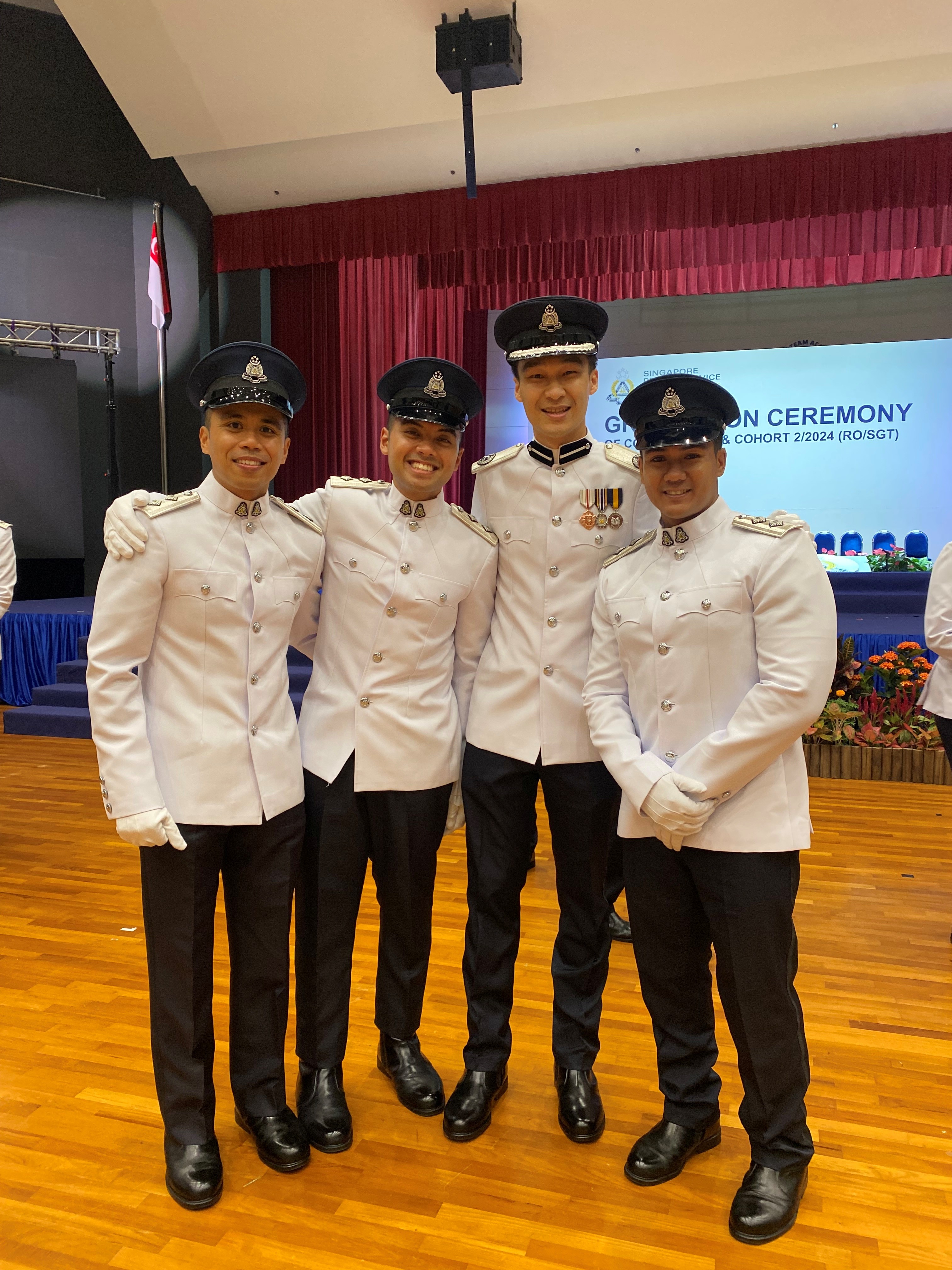 Photo courtesy of Matin Holmberg
The training left a lasting impression on Holmberg, who credits several mentors with shaping the officer he is today.
“They call it the ‘jailcraft’ that you try to learn from them, and then you create your own ‘jailcraft’. Those lessons are very valuable, and I am who I am today because of my mentors,” he said.
One mentor, in particular, taught him the importance of being "firm and fair".
Those are values Holmberg continues to embody in his role at Institution B2, which houses remand inmates.
Day in the life
So what does a typical day look like for SCUO Holmberg?
“A lot of walking,” he joked, though it turned out to be quite true.
He usually starts his day at 5am, fitting in exercises such as Muay Thai or a run before work, depending on his shift.
He works AM and PM shifts, with occasional 12-hour shifts on weekends.
A typical shift begins with the opening muster.
“This is where we make sure that all inmates are accounted for, but more importantly, safe, healthy, and responsive,” he shared.
This is followed by inmate movements for interviews, court sessions, Out Of Cell Activities (OCA), such as exercising in the yard or attending rehabilitation programmes, external transfers, tele-visits, and face-to-face visits.
Around noon, inmate movements pause for the midday muster.
The afternoon then consists of more inmate movements for transfers, visits and rehabilitation programmes before the day ends with a closing muster.
Beyond these routine duties, Holmberg is also responsible for ensuring the safety and security of the inmates under his care and maintaining operational continuity should incidents arise.
He also leads a team of officers who rely on him to make operational decisions.
By the end of each shift, Holmberg estimates he has probably clocked around 15,000 steps.
Wearing many hats
Some people may wonder why he traded a comfortable desk job for a “blue-collar job”.
But Holmberg stressed that being a prison officer involves far more than simply "locking up inmates".
“Prison officers wear many hats,” he said.
Besides the physical demands, officers also need strong communication skills and high emotional intelligence.
“Let’s say things go out of hand, you still need to make a lot of decisions under immense pressure. So it is not a low-skill job. It takes someone special to do the job,” he added.
Holmberg recalled one incident involving an uncooperative inmate.
“When we were doing our routine cell search, he refused to listen to instructions to squat down. I think we instructed him about four or five times (to do so),” he shared.
“He later turned aggressive and was a danger to those around him.”
As the inmate was physically larger than him, Holmberg and his team worked together to safely remove the uncooperative inmate from the correctional unit and escort him to a punishment cell.
“This is a clear act of defiance and we do not accept this kind of behaviour in Singapore’s prisons,” he said.
The experience reinforced the importance of thinking quickly, staying calm and knowing how to de-escalate tense situations.
At its core, however, the job is about working with people, Holmberg said.
That means taking time to listen to inmates and helping them navigate through difficult emotions.
He recalled helping one inmate, who had never met his newborn baby, secure an open visit.
It became a touching moment for both the new father and Holmberg, who was glad he could help make it happen.
While some people may have the misconception that inmates are “scary”, sometimes they just need a listening ear, he said.
Over time, Holmberg realised these experiences had also changed him outside of work.
“I have found that the patience and empathy I have developed over the two years have allowed me to connect to my loved ones on a deeper level,” he said.
What it takes
Holmberg strives to embody four key qualities: being genuine, honest, firm and fair — values he learned from both his father and his mentors.
According to him, inmates are selective about which officers they approach because they have "all the time in the world" to observe and assess those around them.
As a result, Holmberg makes it a point to treat every inmate consistently, without playing favourites or applying double standards.
“When you are firm and fair, inmates respect the boundaries you set,” he said.
Over the past two years, Holmberg admitted good-naturedly that he has earned a reputation for being "rabak" because of his strict nature.
“But those same inmates also know that when they have a complex issue that needs resolving, they can come to me, because they know wholeheartedly that I will do my best to help them,” he said.
To him, that is what being genuine and honest looks like in practice.
“Just maintain your discipline, that’s all I ask,” he added.
Dynamic work environment
Beyond his day-to-day responsibilities, Holmberg appreciates the variety of career opportunities available within SPS.
Thanks to regular posting cycles and a wide range of roles beyond inmate management, he sees plenty of room for growth.
Potential career paths include postings to SPS headquarters or other specialised units.
Asked whether he worries about being posted somewhere new, Holmberg said no.
“I see it as a natural progression, and also an opportunity for me to know more people.”
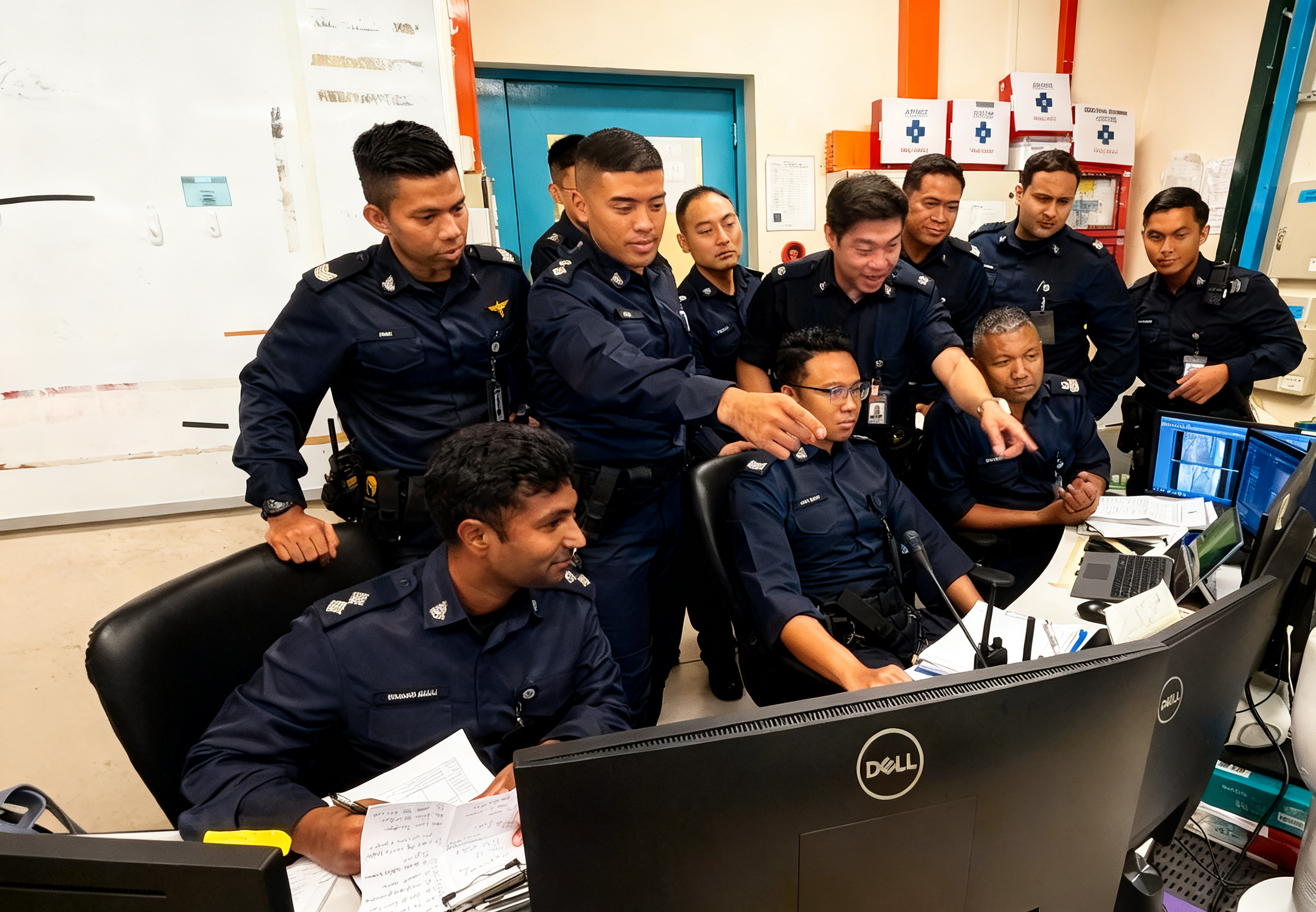 Photo courtesy of Matin Holmberg
While every job has its ups and downs, Holmberg says he has no regrets about making the switch.
For those interested in making a difference like Holmberg, you can check out SPS's various job opportunities here.
This branded article by the Singapore Prison Service gave this writer a newfound perspective on prison officers.