News


'Freedom of expression carries responsibilities': Shanmugam on Bloomberg defamation case
Freedom of press does not extend to publishing false and defamatory allegations without basis, he said.
July 17, 2026, 03:33 PM
Photos by Mothership


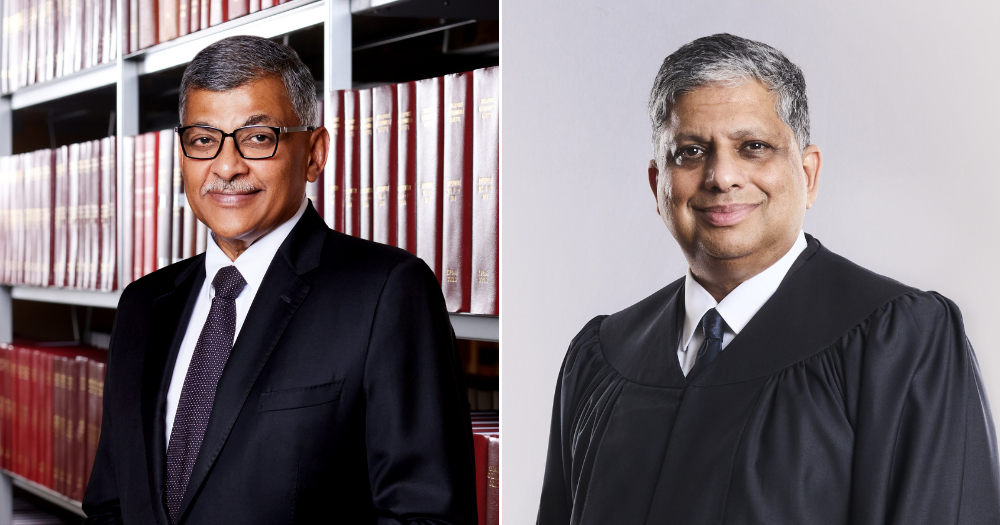
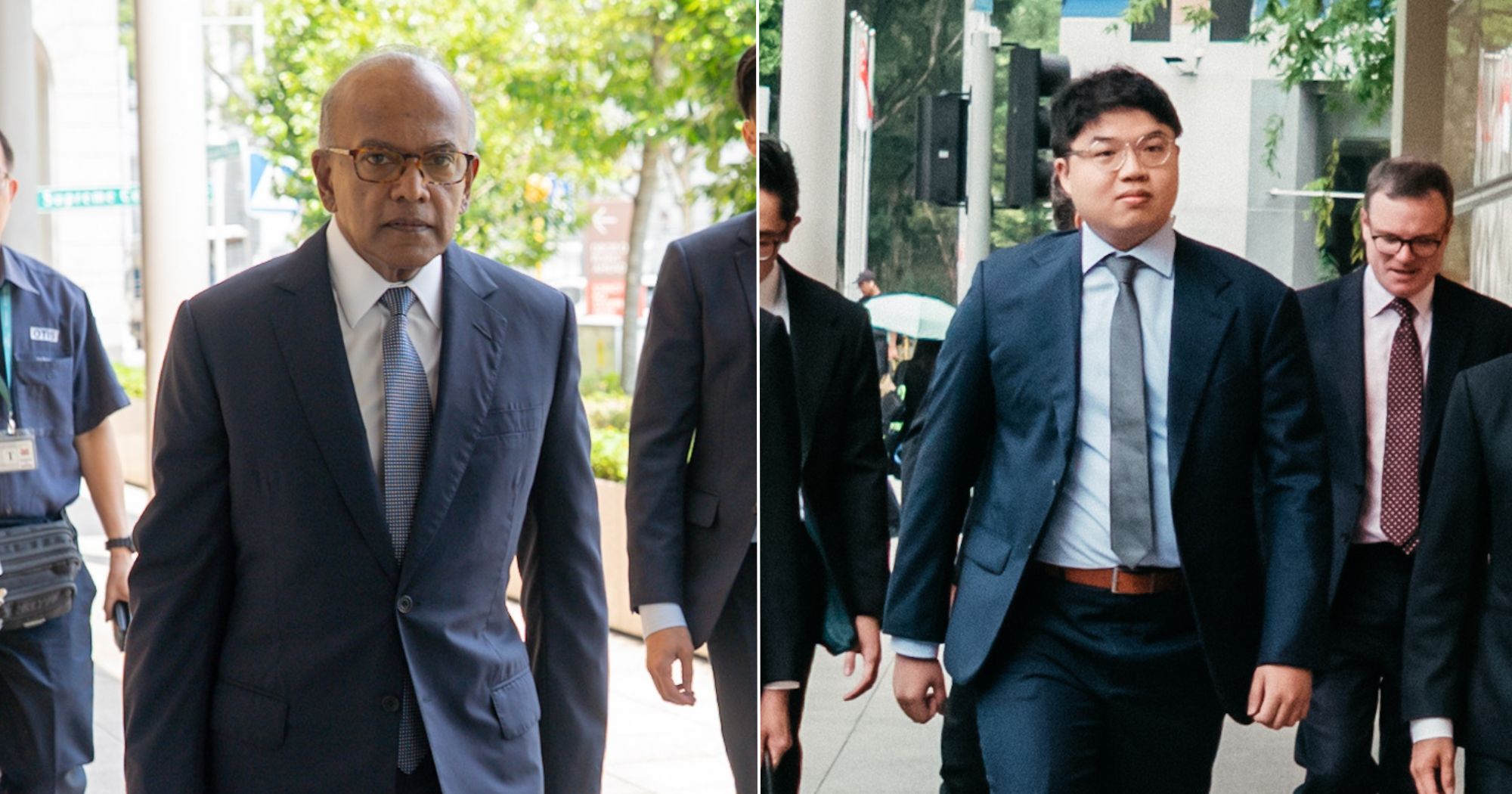
The defamation suit against Bloomberg and its reporter by Home Affairs Minister K Shanmugam and Manpower Minister Tan See Leng saw both being awarded S$230,000 in damages each.
Following the outcome, Shanmugam took to his social media to address some queries and issues raised about the case.
Tan also posted the same clarifications on his social media.
The suit centred on a Dec. 12, 2024, article titled "Singapore Mansion Deals Are Increasingly Shrouded in Secrecy", which mentioned private properties purchased by Shanmugam and Tan.
The article discussed the sale of Good Class Bungalows (GCBs) in Singapore and claimed there was a lack of public records regarding GCB transactions.
The High Court judge ultimately found that the article was defamatory, and the defendants acted with "malice".
Echoing the findings, Shanmugam wrote that it was "comprehensive and unequivocal".
"The Court found that Bloomberg had maliciously defamed and deliberately targeted us. It also found that Bloomberg's claim that the article formed part of a broader story of public interest was merely a 'cover' devised to publish allegations about us," he wrote.
Failed standards of responsible journalism
Shanmugam further noted that the Court had found that Bloomberg had "failed the standards of responsible journalism".
"The article contained multiple falsehoods, made grave allegations without basis, and denied us a fair opportunity to respond," he added.
Following the outcome, Bloomberg editor-in-chief John Micklethwait said that they were "very disappointed" by the ruling but will "of course respect it".
“We argued at trial that our reporting was accurate and served an important public interest, and we continue to believe that the ministers have imposed an extremely strained meaning on what was a solid story," he said.
“Our newsroom – and our reporter – conducted themselves with integrity, and met all our editorial standards in preparing the story at the center of this trial. We continue to stand by them,” Micklethwait added.
However, Shanmugam noted that if Bloomberg "truly respects" the Court’s decision, then it should address the Court’s findings, as "any responsible organisation should".
"Otherwise, Bloomberg’s professed commitment to accuracy, editorial standards, public interest journalism, and journalistic integrity will ring hollow," he said.
Freedom of expression carries responsibilities
Shanmugam highlighted that the case is not about freedom of the press.
"It is about whether a news organisation can maliciously target individuals, publish grave allegations founded on falsehoods, and deny those accused a fair opportunity to respond. The Court held that it cannot," he wrote.
He noted that some Western media outlets had described such defamation suits as having a "chilling effect".
Mark Cenite, who teaches communication law at Singapore's Nanyang Technological University, was quoted by The New York Times (NYT) as saying that while the ruling "largely maintained the status quo", it might have a "chilling effect on speech".
"Cases like the Bloomberg case involve complex fact patterns and nuanced word choices, and predicting how a reasonable person would understand the words involves uncertainty," he told NYT in an email.
Meanwhile, Asia-Pacific Director Beh Lih Yi of the Committee to Protect Journalists, an independent nonprofit organisation that promotes press freedom worldwide, also said the organisation was "alarmed" by the court's decision, which could "chill public interest reporting".
However, Shanmugam disagreed with the statement that defamation suits can have a "chilling effect", saying Singapore's experience "does not bear this out".
He said Singapore supports "robust journalism and vigourous public debate", but that freedom of expression carries responsibilities.
"It does not extend to publishing false and defamatory allegations without basis. That is the principle reaffirmed by the Court in this case," the minister concluded.