News


S'porean 'hikikomori' teen, 15, locks himself in room for 18 months, mom's attempts to enter room met with anger: CNA documentary
The documentary follows the lives of these hidden youths.
June 26, 2026, 11:48 AM

Image from Canva


A number of teens are retreating into extreme isolation, cutting themselves off from society completely.
The Japanese term, hikikomori, meaning "being pulled inward", refers to reclusive individuals who withdraw from social life into extreme isolation, a phenomenon that first gained prominence in 1990s Japan.
The reality of these "modern hermits" in Singapore is explored in the CNA documentary "Shutdown", which premiered on Jun. 22.
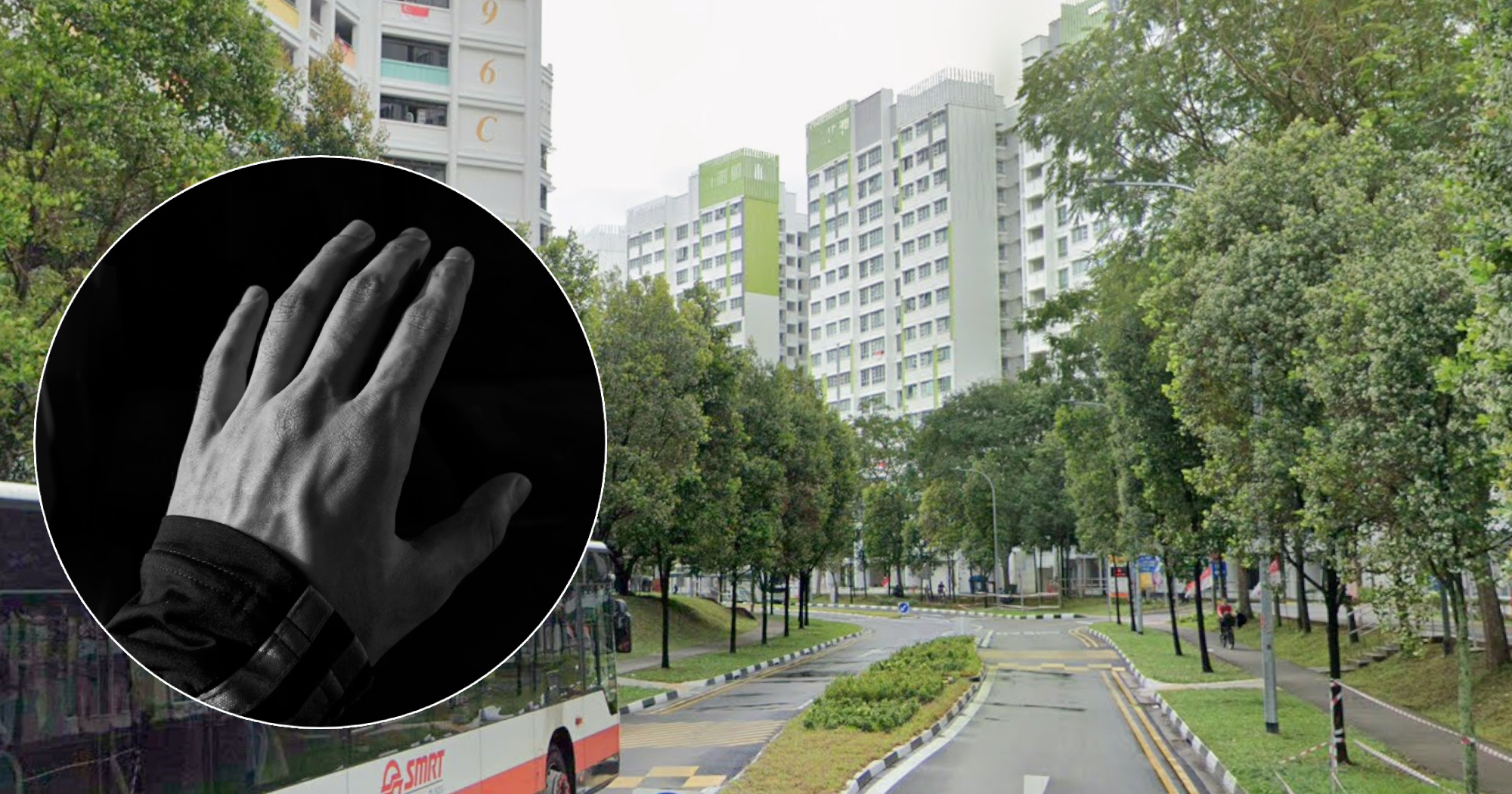
The documentary follows the lives of these hidden youths, including extreme cases like John (not his real name), who has not left his bedroom in nearly two years except to use the bathroom.
Locked in
Since November 2023, John's father, Chuah Soon Ann, said his son has locked himself in his room for nearly two years.
Despite his parents' daily attempts to reconnect, John has not responded to their efforts.
To minimise his trips to the bathroom, Chuah said that John even limits his daily water intake.
He only leaves his room in the dead of night when the rest of the family is asleep.
One psychiatrist even told Chuah that "there is nothing more we can do for your son", a statement that he said broke his heart.
Attempts by John's mother to enter the room have been met with anger, resulting in John banging on the doors or walls.
"You are at a loss, you are shocked, you are anxious... You don't know how to manage this child, you also don't know how to manage yourself because you yourself also don't know how to help the child."
Recalling the last time she saw John, she said that while she was changing his bedsheets, she accidentally bumped into him in the kitchen and he became very angry.
After that encounter, John locked himself in his room completely and refused to let his mother in.
Stepping out
On Jul. 31, 2025, John stepped out of his room for the first time in nearly two years.
Chuah recounted seeing his son for the first time, whose long hair had grown to cover his face like a veil.
"I was overjoyed, but at the same time, I was overwhelmed by the scene I saw."
Chuah noted that for almost two years, they had not seen him and immediately noticed his physical changes.
"He (had) grown taller. He didn't eat well [...] He's like totally destroyed – physically, mentally, emotionally."
When his mother saw him, she asked if he was okay and if he needed help.
For the first time, she received a response: John shook his head.
Following this breakthrough, his parents' sole focus became keeping him engaged so he would continue leaving his room.
Through the documentary, there are glimpses of progress and relapse.
After his first step out of the room, John began eating meals with his parents – a milestone his parents carefully tracked for four months.
However, he suddenly relapsed, retreating back into isolation, and communicating only through violent banging on the walls at night.
His parents suspect the relapse was triggered when his mobile phone stopped working.
The ordeal has taken a heavy toll on the family, so much so that they have stopped taking vacations with their two other children to focus on caring for John.
Despite the immense challenge, John's parents remain undeterred.
Chuah has since stepped forward to become an advocate for hikikomori youth, aiming to raise public awareness about the condition in Singapore.
Singapore's situation
Social service agency Fei Yue Community Services has logged over 100 cases of hikikomori youth since 2020, according to the documentary.
Benjamin Yeo, a lead social worker at Fei Yue Community Services, explained that while hikikomori youth do experience mental health issues, the cause of their isolation is not primarily triggered by mental illness.
"We see that very often, mental health is an effect of isolation, rather than the cause."
He added that supporting these youth requires "more than mental health treatment and intervention".
Although there are no studies or publications addressing this condition in Singapore yet, schools have reported an increase of students struggling with social anxiety and isolation.
Social workers expect these numbers to increase if left unaddressed.
Yeo estimates that the average age a youth goes into isolation is around 13, likely due to their transition into secondary school and mid-adolescence.
On average, such youth only encounter social workers at around 15.
By that point, the youth would have already been isolated for about a year and seven months before receiving help.
Without timely intervention, professionals warn that these youth risk remaining isolated well into adulthood.
You can watch the full three parts here: