News


‘Operating at close to breakeven’: S’pore vegetable farms warn of up to 10% price increase amid Middle East crisis
Farmers are bracing for the full force of the conflict's fallout to hit in the coming months.
March 27, 2026, 12:06 PM


Singapore-based vegetable farms are bracing for increased costs of fertiliser, fuel and transport as the Middle East Conflict narrows profit margins.
Some farms told CNA that, as early as six months from now, they may have to raise prices by up to 10 per cent.
CNA reported that fertiliser prices have risen by up to 30 per cent, even when sourced locally or from Malaysia.
In the meantime, most local farms are absorbing the fallout by cutting costs and adjusting operations, which may not be enough to keep them afloat.
Strait of Hormuz & supply disruptions
Oil and gas supplies have been disrupted ever since the U.S-Israel war on Iran.
A vital shipping passage, the Strait of Hormuz, which handles around 25 per cent of the world's seaborne oil trade, was especially affected, according to the International Energy Agency.
According to the United Nations, about one-third of the global seaborne fertiliser trade or around 16 million tonnes, passes through the waterway.
Since the conflict began, shipments through the narrow straits have collapsed, according to the World Trade Organisation (WTO) data.
Smaller firms more vulnerable to fertiliser shocks
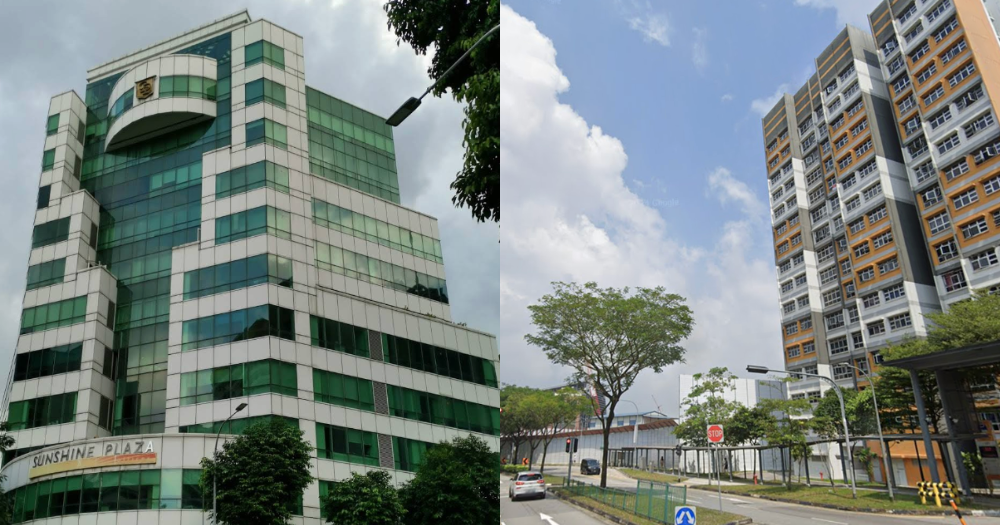
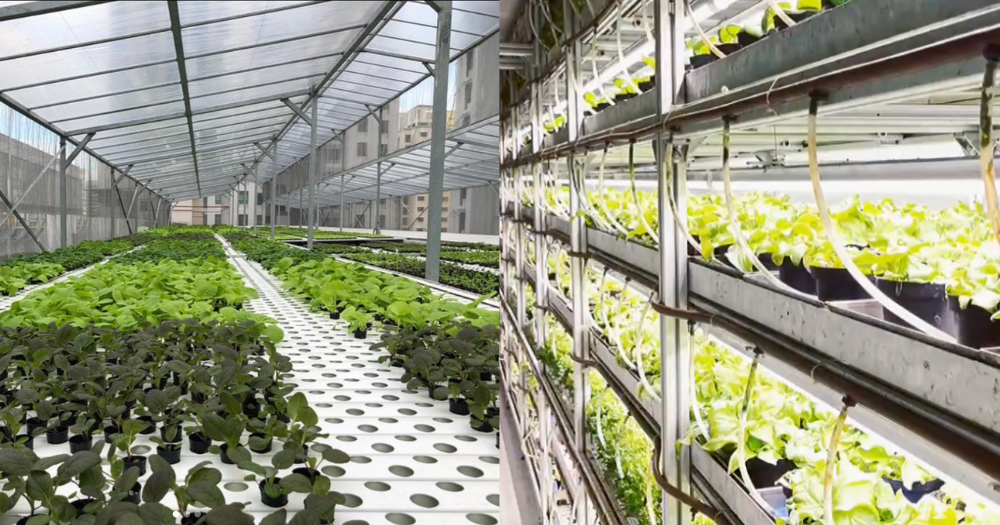
CNA spoke to SG Veg Farm in Admiralty, a rooftop farm located on a Housing Development Board (HDB) multi-storey carpark.
The farm noted that rising fertiliser costs were a growing concern.
Smaller firms like SG Veg Farm lack storage space and are unable to benefit from bulk pricing, making them more vulnerable to fluctuations.
Eyleen Goh, the farm's founder, told CNA they import fertiliser in small batches and stock around two months' supply.
She said: “If the prices increase continuously, there's no way we can sustain all of this.”
Goh said the farm is reducing expenses by redesigning the farm to optimise space and relying more on sunlight instead of electricity.
Bigger firms cite transport & electricity costs
Bigger firms such as Jurong-based Vegeponics said they have enough fertiliser to last them six to nine months.
Vegeponics told CNA that pressing concerns arose from higher fuel prices, which escalated transport and electricity costs.
The farm has already seen a 10 per cent drop in monthly profits.
The farm told CNA that third-party logistics providers are charging about 20 per cent more per trip to distribute its vegetables.
Jesper Fan, the farm's general manager, said they are absorbing these costs in the meantime and are looking to share transport logistics with partners.
“If (the war) drags too long, maybe in six months’ time, we will have to review our pricing. And if the electricity costs go up by quite a bit then we probably have to pass it on to the consumers.”
However, he noted that price increases would be minimal to maintain their competitive edge against cheaper imported greens.
Rising costs
Lim Chu Kang's Meod Farm told CNA it has chosen to double its minimum order size to mitigate rising delivery costs.
Minimum orders for their greens rose to S$80 from S$40 last week.
Farmers are bracing for the full force of the conflict's fallout to hit in the coming months as supplies dry up.
Ong emphasised food security amidst the uncertainty of food import stability and hoped Singaporeans would "treasure Singapore farmers and support local farming" to ensure a more "stable supply for Singaporeans”.
Related article
Top photo from SG Veg Farms/Instagram and Vegeponics/Instagram