News


S'pore govt monitoring Nipah virus situation after case reported in Bangladesh
Stay vigilant.
February 07, 2026, 12:16 PM


The Communicable Diseases Agency (CDA) is closely monitoring the Nipah virus situation after a case was reported in northwest Bangladesh.
The individual affected reportedly had a history of drinking raw date palm sap, a known risk factor for Nipah virus infection (NiV), CDA said.
To date, there is no evidence of any human-to-human transmission in Bangladesh.
No cases of NiV associated with the cases in West Bengal or Bangladesh have been reported in Singapore, the statutory board said.
Monitoring the situation
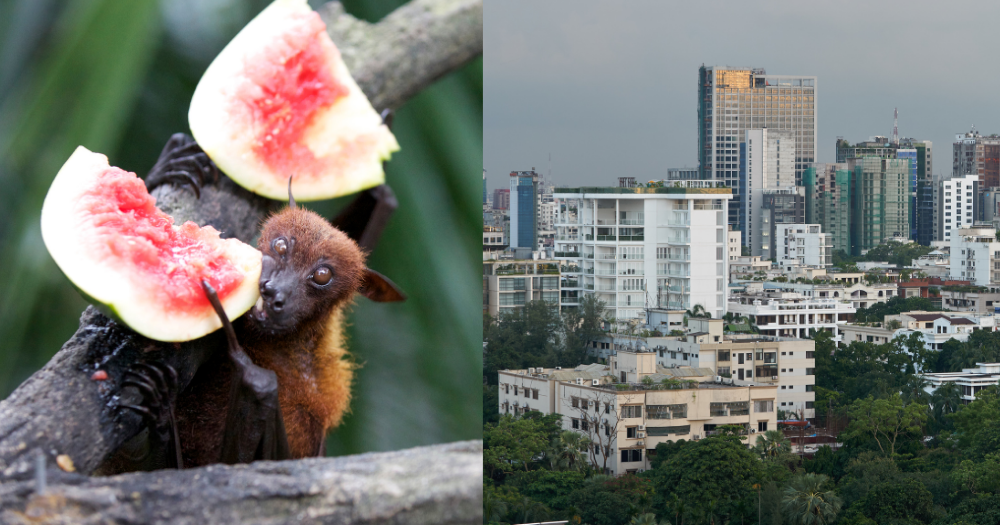
NiV originates from fruit bats and can be transmitted to humans via consumption of contaminated fruits and fruit products, or direct contact with infected animals.
It can also be transmitted between people. Cases have been reported in healthcare settings after close contact with infected people, according to the World Health Organisation.
In its Feb. 7 statement, CDA said that bio-surveillance programmes have not detected incidences of NiV in Singapore's bat populations.
Public health measures have also been progressively implemented since Jan. 28, including adjusted SG Arrival health declarations and temperature screening for flights and ships arriving from India.
In addition, the Ministry of Manpower has stepped up surveillance of newly-arrived migrant workers from South Asia, CDA said.
These measures will be adjusted where necessary.
Health advisory
Nipah virus has a fatality rate of 40 to 75 per cent, and a typical incubation period of three to 14 days.
While it may be asymptomatic, it usually presents with a fever, symptoms involving the brain (such as headache or confusion) and/or the lungs (difficulty breathing or cough).
Particularly in cases of patients who present with neurological symptoms, severe disease can occur, with progression to brain swelling and death.
To reduce risk of exposure to NiV, individuals travelling to affected areas should be vigilant and maintain the following health precautions:
- Avoid food and drinks potentially contaminated by bats, such as raw date palm sap, and fruit found on the ground
- Avoid direct contact with unwell persons
- Avoid direct contact with animals (especially bats and pigs) and bat roosting areas
- Consume fully cooked food, and fruits that can be washed and peeled
- Maintain good personal hygiene.
Travellers who develop symptoms should wear a mask, seek prompt medical attention, and inform their doctors of their travel history and potential incidences of exposure to the virus.
Top image via Canva