News

S'pore court rejects woman's bid to sell condo bought in trust with son due to non-disclosure of husband's death & failed S$1 million life insurance claim
She also did not disclose that she had changed her name.
November 01, 2025, 12:18 PM
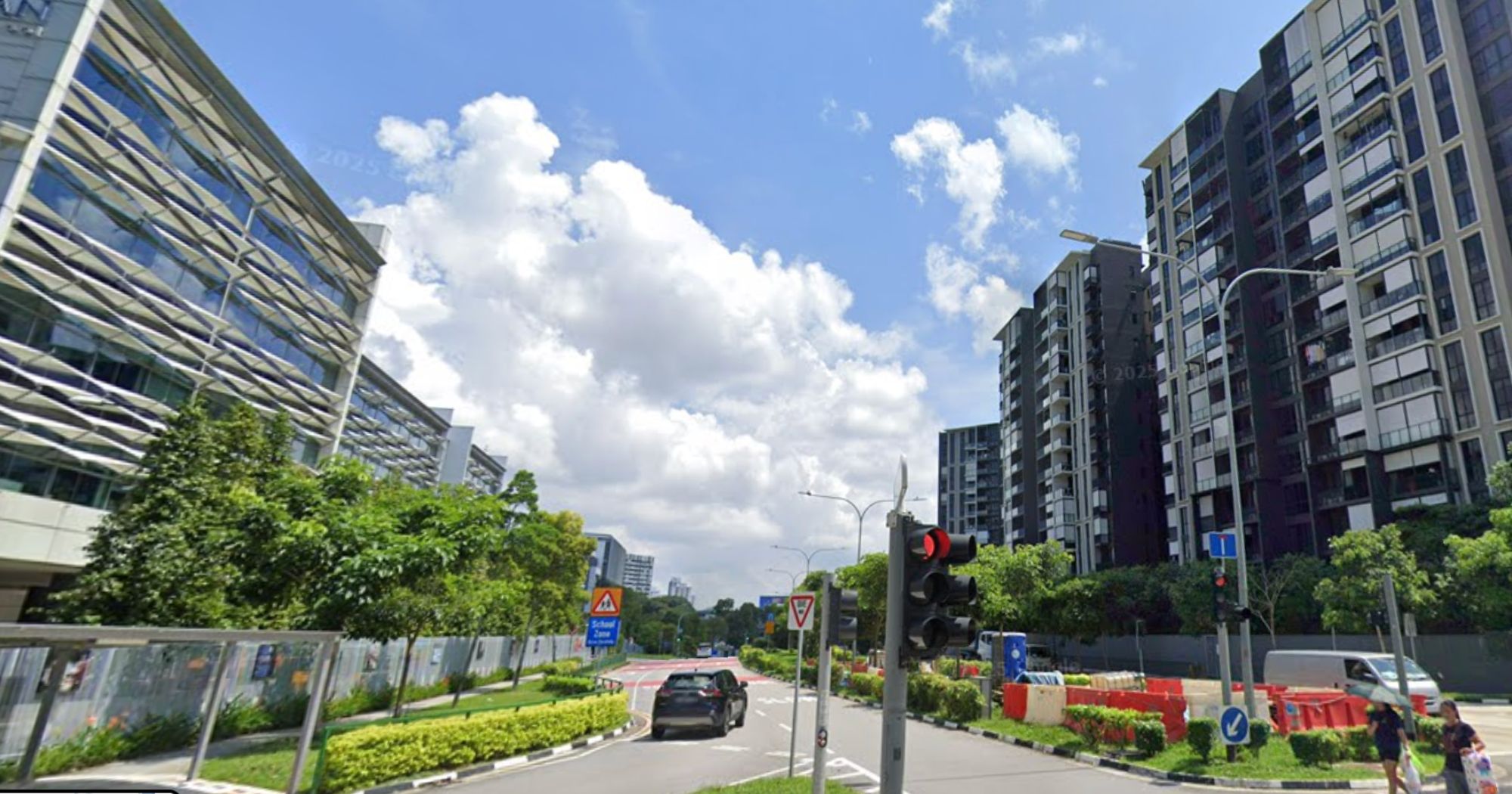


A Singapore woman was rejected by the High Court in her bid to sell a Woodleigh condominium unit she had purchased for S$1.8 million in 2019 in trust for her then-six-year-old son.
According to court documents seen by Mothership, the judge said he was "not at all comfortable" to grant her application, citing non-disclosures by the woman on her personal assets and liabilities, as well as her husband’s death.
Several failed legal proceedings she had had before the court also added to the "furtive nature" of the application, the judge said.
This included a failed bid to claim a S$1 million life insurance policy from insurer AIA Singapore Pte Ltd.
Non-disclosures
The woman, Cheryl Tan Yi Lin, had sought the court’s approval to sell the flat because she has a buyer willing to pay her S$2.28 million. Her brother was listed as a co-applicant.
The judge said that when the woman's counsel appeared before him on Oct. 21 this year, he had asked why her husband was not a co-applicant, and whether he had been served with the application papers.
The counsel needed to check and subsequently returned on Oct. 29 to inform the judge that Tan had filed two affidavits in the interim.
One was to declare that her husband had died in Australia from “a fall from height”, and the other was to disclose that she had changed her name by deed poll in 1996 and 2007.
The counsel shared that Tan changed her name for “feng shui reasons”.
Previously appeared in several law suits
The judge noted that the counsel appeared "genuinely surprised" to have discovered that Tan had been a party in several law suits in the High Court.
He believed she was not aware of these details, which he finds relevant to the current application.
Both Tan and her husband had worked as insurance agents for AIA, with Tan working for the same company from 2006 to 2009 before joining Prudential.
She is now working as a marketing manager in an engineering and construction company.
In September 2016, Tan and her husband (the insured) were viewing a flat in Australia on the 33rd floor when he fell to his death.
The Coroners Court of Victoria, Australia, found that the husband died from “multiple injuries sustained in a fall from height” and that the fall was accidental.
Tan reported his death and on Oct. 10, 2016, claimed the benefits under the AIA insurance policy.
However, the claim was rejected and Tan subsequently sued AIA Singapore Pte Ltd in 2019 for payment of S$1 million.
She lost that suit and filed a civil appeal in 2021 but was dismissed.
It was found that Tan's husband did not disclose that he had made other applications for life insurance policies — seven applications with various insurance companies for a total of S$6,250,000.
In 2018, Tan also made another claim against Aviva Ltd, another insurance company, which was settled on undisclosed terms.
Tan later applied for an order that the bills for professional fees from her then-lawyer be sent for taxation (assessment) by the court, claiming he overcharged her.
This application was dismissed and she was ordered to pay a total of S$595,550 to her lawyer.
Selling because value has increase
In the present application, the judge pointed out that Tan wants to liquidate the trust by selling the flat under the trust deed "simply because the value has increased".
"That being the only reason for the sale is sufficient grounds to dismiss her application," he said, adding that a trustee’s duty is to protect the trust assets.
Tan is not to deal with it as if it were "investment capital", unless specifically empowered by the trust to do so, he said.
The court must also be satisfied that the trust was not created as a means to evade the additional buyers’ stamp duties.
As such, Tan, as a trustee, is obliged to make full disclosure as to her personal assets as well as her liabilities, if any.
However, the judge felt that there are no reassuring facts in this case, and "only disconcerting facts" of the non-disclosure of Tan’s personal assets and liabilities.
Top photo from Google Maps