



Abroad


S'porean man, 76, pledges S$19,000 a year to China hospital after treatment there saved his life
Xu developed severe altitude sickness while travelling in Xinjiang, suffering from fluid buildup in his lungs, heart failure, respiratory failure and cardiogenic shock.
November 06, 2026, 03:21 PM
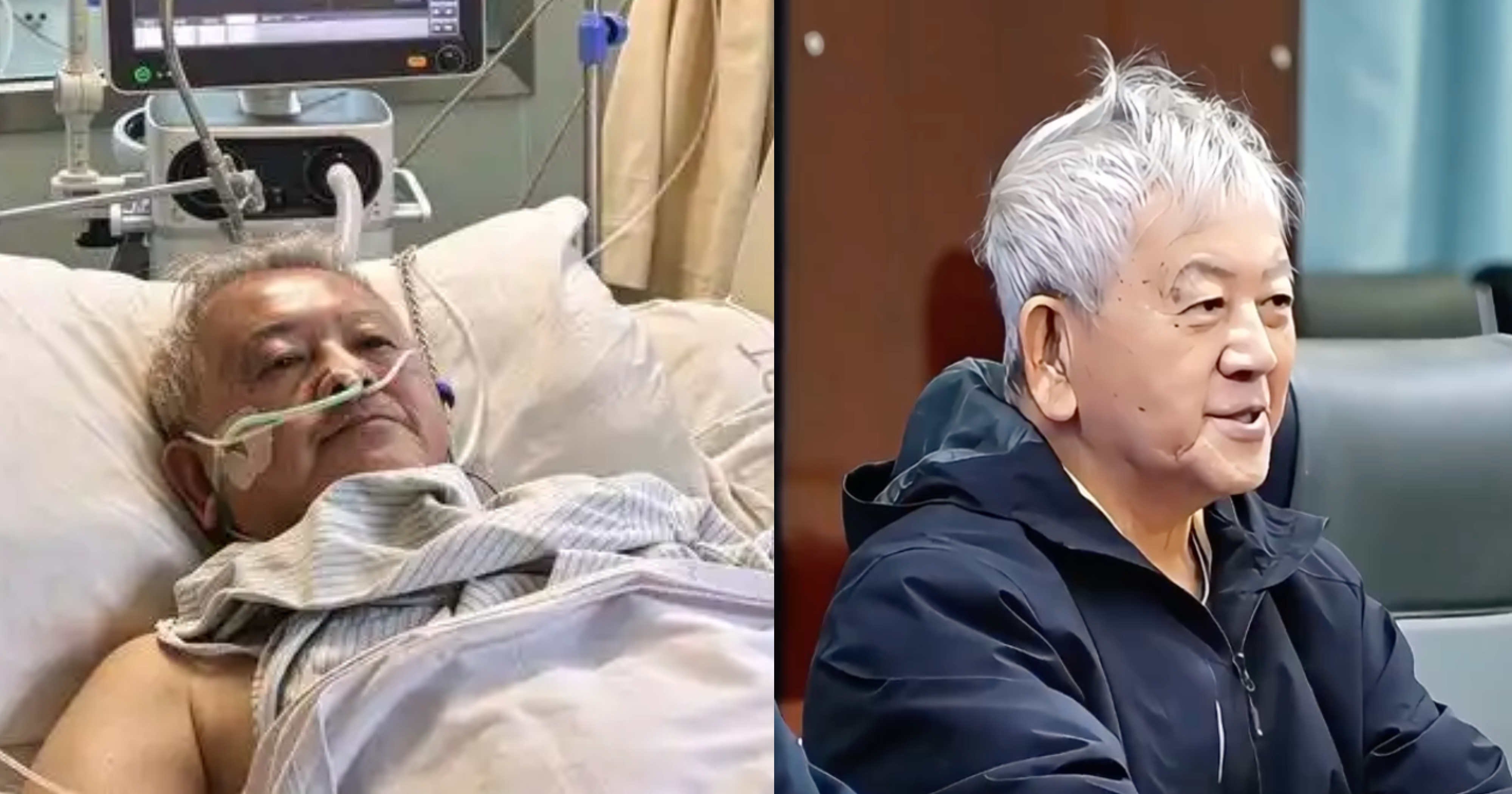
Photos from China daily


A 76-year-old Singaporean tourist has pledged to donate 100,000 yuan (S$19,150) annually to a hospital in Xinjiang, China, after its medical team saved his life.
According to reports by Xinjiang Daily and China Daily, the man, Koh Sim Hock, made the pledge to Shache County People's Hospital after recovering from a life-threatening medical emergency triggered by altitude sickness.
The donation will go towards medical assistance for financially disadvantaged patients admitted to the hospital's intensive care department.
According to the hospital's director, this is the first time the hospital has received a designated donation from an individual.
Developed life-threatening complications from altitude sickness
Koh had travelled from Tashkurgan Tajik Autonomous County to Shache on Oct. 14 when he developed acute high-altitude pulmonary oedema, a severe form of altitude sickness that causes fluid to build up in the lungs, making it difficult to breathe.
The condition can occur at high altitudes, where oxygen levels are lower, and can be life-threatening if not treated promptly.
He experienced difficulty breathing and a sharp drop in blood oxygen levels before being rushed to Shache County People's Hospital for emergency treatment.
"In the ambulance on the way to the hospital, I was already completely unable to breathe," Koh recalled, according to Xinjiang Daily.
His wife said she was extremely frightened when his blood oxygen level dropped from around 50 per cent to 38 per cent.
Medical examinations revealed that he was also suffering from left-sided heart failure accompanied by a condition in which the lungs cannot supply enough oxygen to the blood.
He also experienced cardiogenic shock, a life-threatening condition in which the heart cannot pump enough blood to meet the body's needs.
According to China Daily, Koh also had several underlying medical conditions, including a history of coronary artery stent implantation, high risk hypertension, Type 2 diabetes, hyperkalaemia, which is high potassium levels in the blood, and impaired liver function.
Given the severity of his condition, he was transferred to the hospital's intensive care department for monitoring and treatment.
Medical team worked to save his life
Zou Hai (transliteration), an emergency and critical care specialist from Pudong New Area People's Hospital in Shanghai, led the efforts to treat Koh.
Zou was part of Shanghai's 12th batch of medical professionals deployed to Xinjiang under a team-based medical assistance programme.
He worked alongside the hospital's intensive care team and local medical staff to assess Koh's condition and provide emergency treatment.
Specialists from multiple disciplines were also involved in monitoring changes in Koh's condition and determining the appropriate treatment.
After several days of treatment and care, Koh's condition gradually improved.
He was taken off mechanical ventilation and extubated on Oct. 17, according to Xinjiang Daily.
Received traditional Chinese medicine treatment for persistent symptoms
However, Koh subsequently experienced recurring watery diarrhoea, abdominal bloating and persistent dry mouth and thirst, which had troubled him for more than a week.
According to China Daily, his symptoms showed limited improvement following conventional Western medical treatment.
The hospital then consulted Hu Xinmin (transliteration), a specialist in integrated traditional Chinese and Western medicine from Fudan University-affiliated Pudong Hospital in Shanghai, who had been deployed to Xinjiang.
Hu developed an individualised traditional Chinese medicine (TCM) treatment plan, taking into account Koh's age, underlying medical conditions and impaired heart function.
Hu said the medication had to be prescribed cautiously, considering Koh's heart and lung function, fluid balance and electrolyte levels.
The treatment was adjusted according to changes in Koh's symptoms and condition.
After six days of taking the prescribed medication, Koh's diarrhoea and bloating improved significantly, while his dry mouth and thirst gradually eased.
Koh said he had been extremely anxious when he fell seriously ill during his trip.
"I never expected to receive such comprehensive and attentive medical treatment in Shache," he said.
Koh added that the TCM treatment had helped relieve the diarrhoea, abdominal bloating and thirst he had been experiencing for more than a week.
He thanked the hospital's medical staff, particularly Hu, for their care.
During his hospitalisation, Koh learnt that Zou had travelled more than 4,000km from Shanghai to southern Xinjiang to provide medical assistance to local residents and visiting tourists.
Koh has since recovered and been discharged from hospital.
Pledged annual donation to help other patients
To express his gratitude to the hospital for saving his life, Koh discussed the matter with his family, and they agreed to donate 100,000 yuan (S$19,150) annually to the hospital.
According to China Daily, a donation agreement signing ceremony was held at Shache County People's Hospital on Oct. 29.
The funds will be specifically used to help financially disadvantaged patients in the hospital's intensive care department.
Speaking at the donation ceremony, Koh said:
"This experience has deeply moved me! I also want to make a small contribution within my own means."
His wife also expressed her gratitude, saying: "No amount of words can express how grateful I am."
Their son praised the hospital's medical facilities and staff.
"When I arrived here, I saw that the medical facilities and medical expertise were excellent, very professional and very empathetic," he said.