



News


'Meteor' seen from S'pore actually a NASA space telescope burning up over Sumatra during re-entry
Still cool.
November 05, 2026, 03:03 PM
Photo via 我是新山人 I Love JB


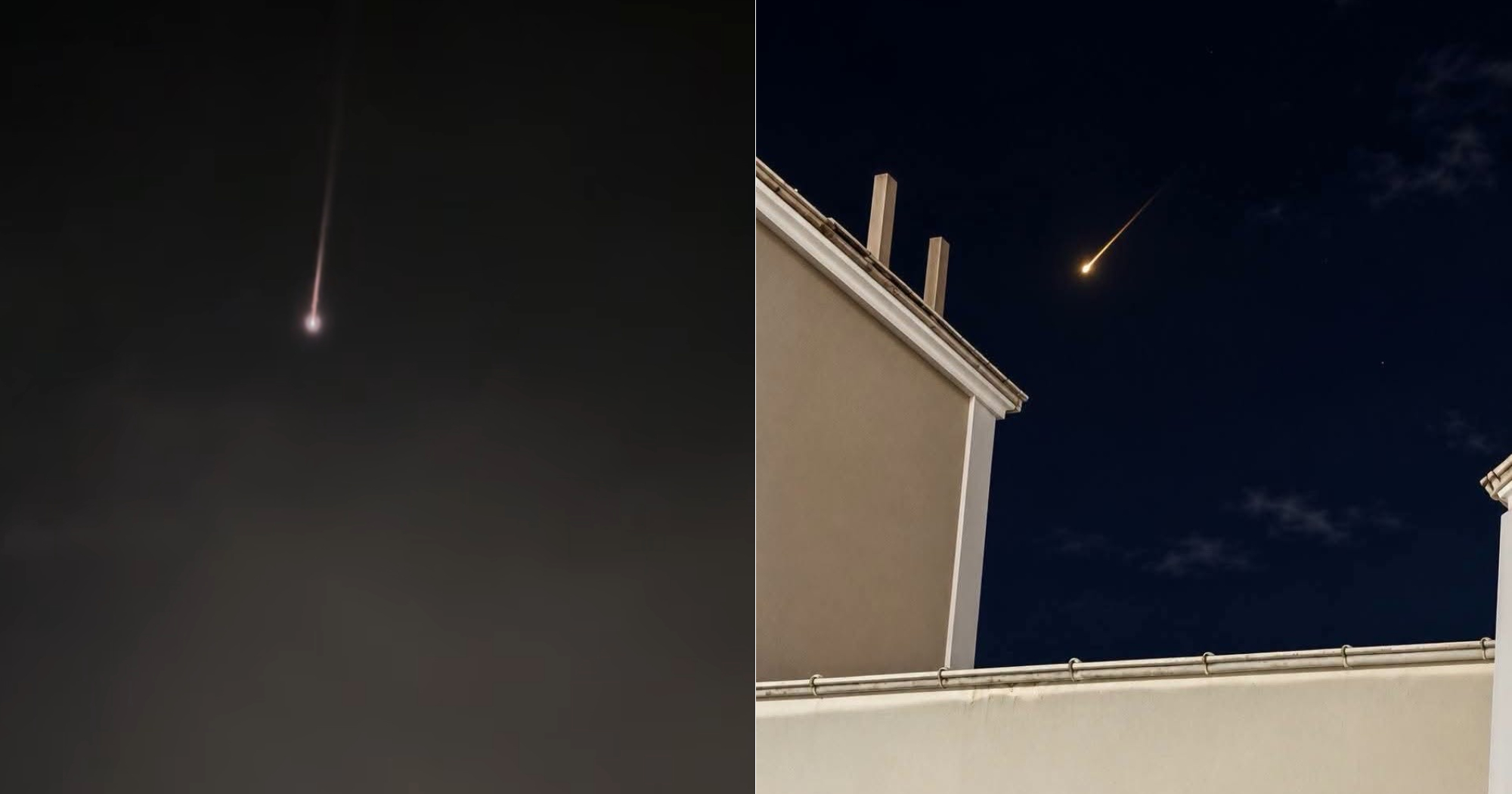
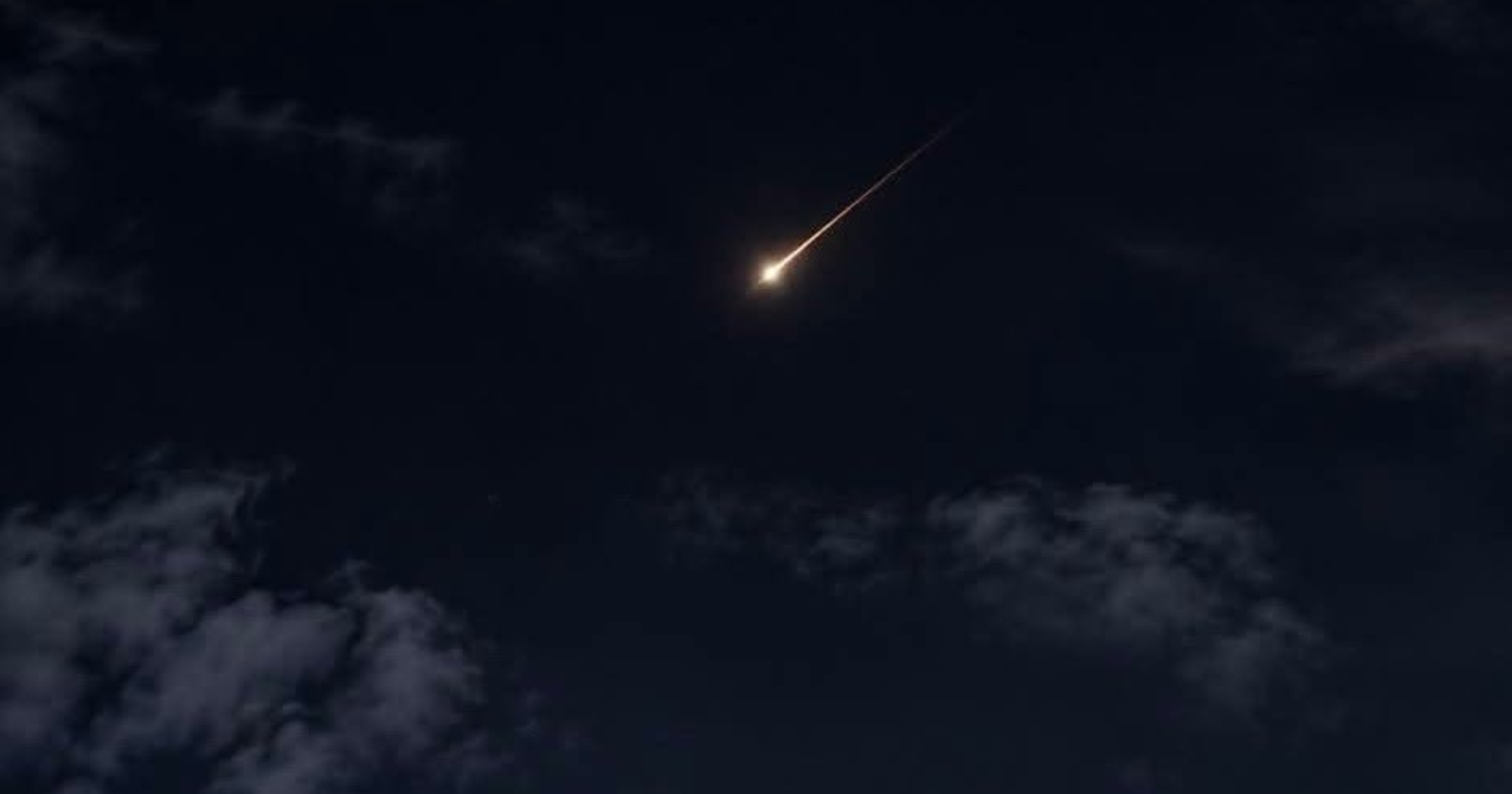
A fireball with a long tail was seen from Singapore, streaking across the night sky on Nov. 4, 2026 night.
It was initially believed to be a meteor.
However, it has since been confirmed that the object was NASA's Neil Gehrels Swift Observatory re-entering Earth's atmosphere and burning up in the process.
The man-made space object completed a nearly 22-year mission.
NASA said the spacecraft reentered the atmosphere at 7:39am EST on Wednesday (Nov. 4), which corresponds to 8:39pm Singapore time.
It entered the atmosphere over the North Sumatra region of Indonesia.
Fireball phenomenon
A person in Singapore witnessed the fireball at around 8:40pm.
The same phenomenon was also spotted by others in Malaysia.
On social media, many Indonesians posted videos of the object burning up in the sky.
About Swift's role in science
The space telescope weighed about 1,450kg.
The Neil Gehrels Swift Observatory was initially designed for a two-year mission, but it far exceeded expectations by lasting over two decades in space.
Swift became an important tool in the study of gamma-ray bursts, supernovas, black holes and other cosmic phenomena, NASA said.
Launched in November 2004, Swift was designed to detect gamma-ray bursts, powerful explosions that occur throughout the universe.
Its three onboard telescopes let scientists observe cosmic events across different wavelengths, including ultraviolet, optical and X-ray light.
The telescope could swivel to focus on different sky targets in a matter of minutes, allowing it to rapidly follow up on sudden events like supernova explosions, NASA added.
NASA estimates that Swift's scientific observations have contributed to approximately 7,000 research papers.