







Branded
My dog is 12, & I didn’t know she needed a senior diet. Here’s what a vet told me about feeding pets as they age.
Turns out “You are what you eat” doesn’t just apply to humans.
Photo from Mothership and Teo Boon Han.
Getting tired after only a few rounds of fetch. Taking more naps. Hesitating before jumping onto my bed, something she once did without a second thought. These are small changes I’ve noticed about my 12-year-old maltipoo, Coco, over the past few years.
For a long time, I brushed them off, thinking: "Oh, she’s just getting old."
However, after speaking to Teo Boon Han, a senior veterinarian and pet nutritionist from Canopy Veterinary Centre, I realised that what I put in her bowl could actually help her stay comfortable and enjoy her golden years much more.
How do I know if my pet is considered "senior"?
According to Teo, there is no single age at which pets become "senior".
Instead, the general rule of thumb, he said, is that a pet is considered senior when it enters the last quarter of its expected breed lifespan.
For example, smaller dogs are usually considered seniors at around 10 to 11 years old, while larger dogs, which have shorter lifespans, can be considered senior pets at ages six or eight.
Cats, on the other hand, have longer lifespans of up to 18 years.
However, these age ranges are only general guidelines, as ageing varies depending on the breed, size and individual health of each dog.
It is important for pets, especially senior pets, to go for regular health checks at their trusted veterinary practice.
For pet nutrition brand Hill’s Pet Nutrition, it marks age seven as the point at which pets start to move into their senior life stage – this is a milestone that not many pet parents are aware of.
It is also during this period where a pet’s nutrition takes on a more important role, going beyond meeting everyday dietary needs to proactively supporting a pet's health and vitality as they age.
The most common sign owners put down to old age, Teo said, is a drop in activity levels.
While it may very well be a natural, age-related change, it can also point to underlying conditions related to their joints and muscle loss – just like humans.
This is why it is also important to switch to a diet designed for seniors, with the aim of supporting the pet’s changing needs, maintaining muscle health and mobility, and promoting overall wellbeing as they age.
Why is it important to review and switch to a senior diet when pets age?
Just like people, pets’ nutritional needs change as they move through life stages, Teo said.
During adulthood, the goal is to maintain a pet’s healthy body condition, making sure it is neither underweight nor overweight.
Once the pet turns senior, an added focus is proactive care through nutrition, to reduce the risk of age-related issues.
As pets move into different life stages, Teo advises feeding a diet with nutrients formulated for that stage.
He pointed to several differences between other diets and a senior diet:
Fewer calories
Senior pets are less mobile and have a slower metabolism.
As such, if they are kept on an adult or puppy/kitten diet, which is more calorie-dense, they tend to gain weight.
The extra weight would also stress the joints and raise the risk of developing osteoarthritis, and this leads to a vicious cycle in which pets start to move less and end up gaining more weight.
Supports joints
Many senior recipes include functional nutrients such as chondroitin and omega-3 fatty acids to help keep joints healthy.
As in humans, organ functions may decline naturally with age.
Therefore, the appropriate levels of minerals such as phosphorus and sodium found in senior diets mean these organs do not have to work as hard.
Maintenance of muscle mass
As pets age, maintaining muscle mass becomes increasingly important for their strength and mobility, Teo said.
Senior diets formulated with high-quality protein and essential amino acids can help preserve lean muscle, supporting their ability to stay active and enjoy everyday activities.
Don’t wait until your pet visibly slows down before reviewing their nutrition.
Kibbles can be a complete and balanced meal
The diet must first and foremost be complete and balanced, meaning it contains every nutrient the animal needs, in the right proportions, Teo said.
Dry, wet or fresh food can all achieve that – there is no single right or wrong diet.
However, not all pet food products are made the same. So, how do you pick a reliable brand?
There are a few factors one can look at.
According to Teo, one can look at a few factors to pick a reliable brand.
- The brand’s track record: The reputation and expertise of the team behind the diet, and its adherence to internationally-recognised manufacturing standards are one of the first few things to check.
- Evidence behind the claims: Reputable companies will be able to back what is on their labels with studies and peer-reviewed research.
“Many pet owners don't know this, but it's actually well within the pet owners' rights to query and write to the manufacturer for clarification for any of [their] claims,” Teo said, adding that how openly and professionally they respond is something to look out for.
And this is exactly what Hill’s does.
Why Hill’s Science Diet Senior Vitality range stands out
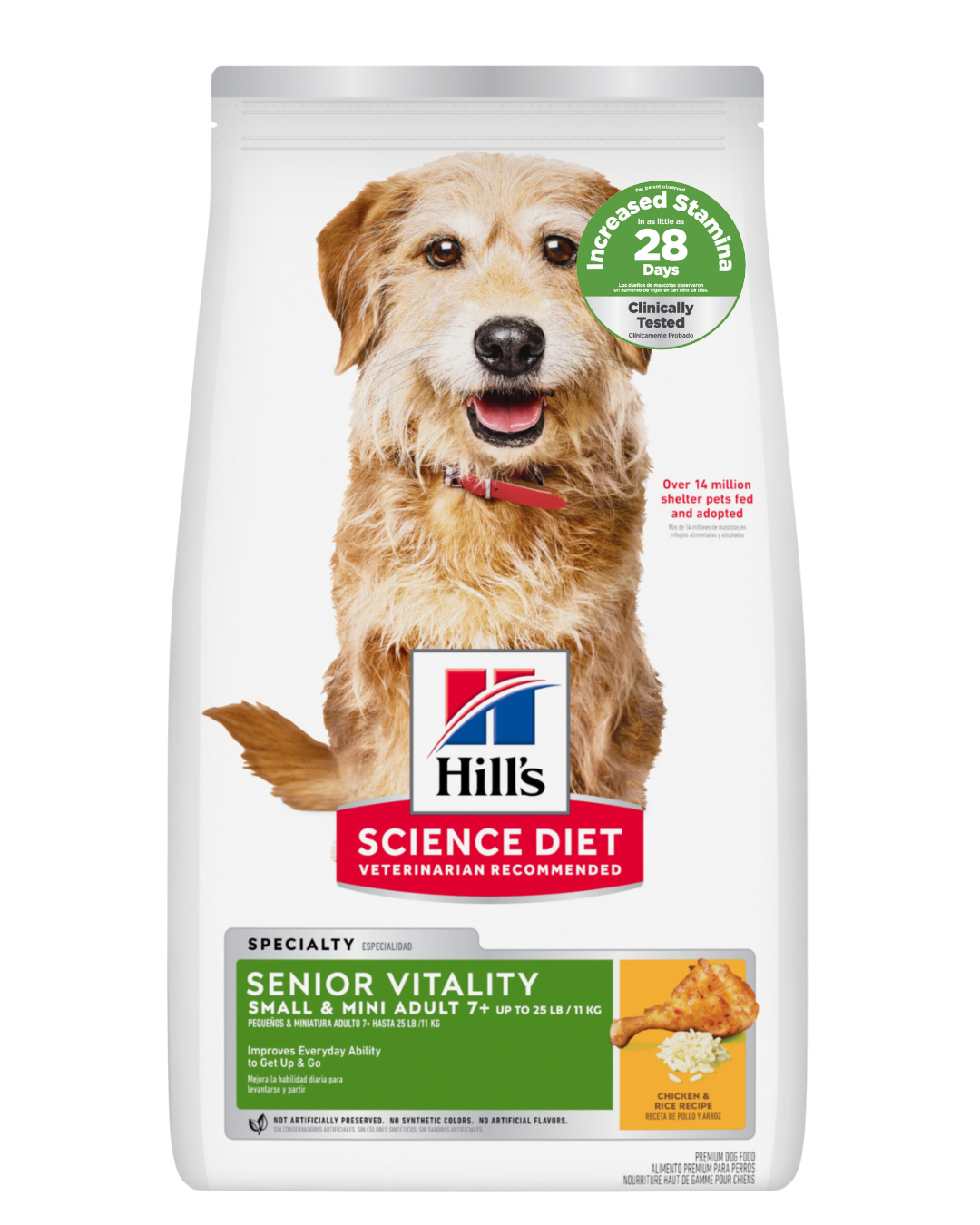 Photo from Hill’s Pet Nutrition.
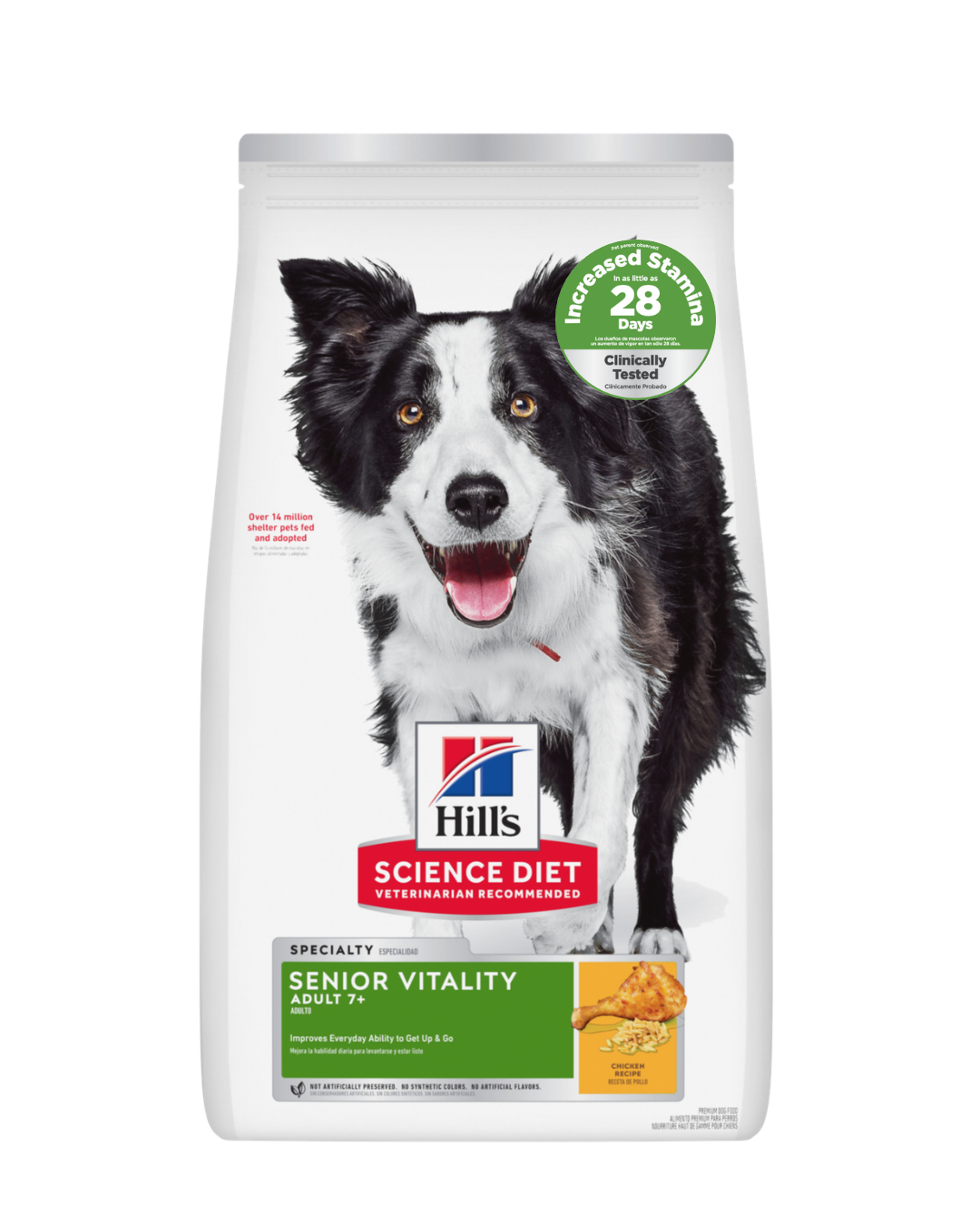 Photo from Hill’s Pet Nutrition.
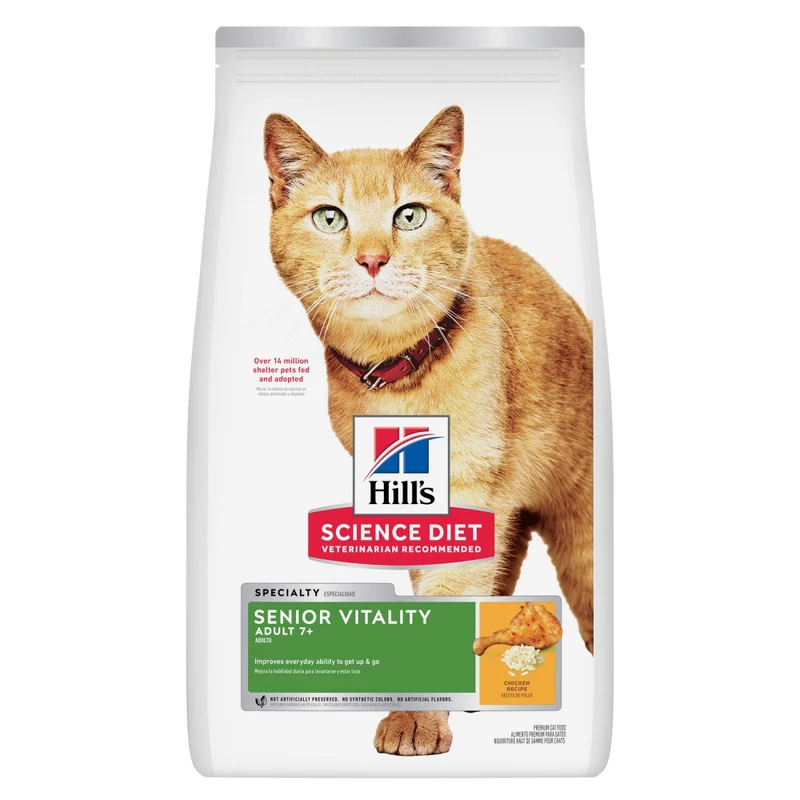 Photo from Hill’s Pet Nutrition.
For Teo, he formulates his own senior cat’s daily diet using Hill’s Senior Vitality kibbles as a base, and he said his coat is now better than that of his younger cat.
He credited the diet’s omega-3 and omega-6 fatty acids with vitamin E for joint and skin health, its digestibility, as well as its antioxidants such as vitamins C and E for immune support.
Hill’s Pet Nutrition is also one of the few pet food companies that invests heavily in research and peer-reviewed evidence, he added.
These are considerations central to his choice of pet nutrition, as mentioned earlier, as Hill’s specialised formulations are scientifically developed by more than 220 veterinarians, qualified nutritionists and food scientists through nutritional research to support pets at different life stages.
For senior dogs, Hill’s Science Diet Senior Vitality kibbles is specially formulated with a proprietary blend of nutrients to support brain function, interaction, energy and vitality in ageing pets, helping them stay engaged in the everyday moments they share with their families.
In a clinical study, pet parents of dogs on the diet saw an increase in their dogs’ stamina within 28 days.
Hill’s Science Diet Senior Vitality kibbles for dogs comes in two versions: one for smaller dogs below 10kg, and another for larger breeds.
Teo’s final advice is to shift the question from how many years our pets will live to how many of those years will be healthy ones, with a good quality of life.
“Go beyond lifespan, and look at healthspan,” he said.
Complete and balanced nutrition is a big part of that, alongside preventive care and early detection of disease.
If your pet is seven or older, just like my dear Coco, now may be a good time to take a fresh look at what goes into their bowl.
Explore Hill's Science Diet Senior Vitality range to learn how targeted nutrition can support your pet’s changing needs as they age.
Hill’s Pet Nutrition also has a hotline where pet owners can call in (toll free) to find out more about the food: 800 492 2469.
This branded article by Hill’s Pet Nutrition has this writer planning a trip down to the nearest pet store to get the right kibbles for her dog.