



Environment


Businesses to pay fee based on how eco-friendly their product packaging is: S'pore Environment Council proposal
This would, in theory, financially incentivise companies to redesign packaging and eliminate unnecessary waste.
November 25, 2026, 03:09 PM
Photo credit: Artem Korolev/Unsplash


The Singapore Environment Council (SEC) has called for an extension of the policy behind the Beverage Container Return Scheme (BCRS) to cover all types of packaging materials.
If implemented correctly, the SEC says that the scheme will have an impact on the quantity and sustainability of packaging placed on the market over time.
Proposed to levy fee on manufacturers and importers
The proposed scheme is detailed in SEC's recently published report Beyond BCRS: A Roadmap for Comprehensive Packaging Responsibility.
Like the BCRS, the proposed scheme is based on the Extended Producer Responsibility (EPR) framework under the Resource Sustainability Act (RSA).
What is Extended Producer Responsibility (EPR)?
Singapore’s Extended Producer Responsibility (EPR) regulations make producers—importers, manufacturers, and retailers—financially and operationally responsible for the end-of-life collection and recycling of regulated products.
For instance, under the E-Waste EPR Scheme, retailers of consumer products such as refrigerators and television sets must offer free 1-for-1 take-back upon delivery of new appliances. Larger retailers must provide in-store e-waste collection bins for smaller products like laptops and batteries.
The BCRS scheme places obligations on beverage container producers and importers to apply the Deposit Mark as well as fund the collection and recycling infrastructure.
Unlike the deposit-refund model used under the BCRS, the council recommends imposing a fee on manufacturers and importers based on how eco-friendly their products are.
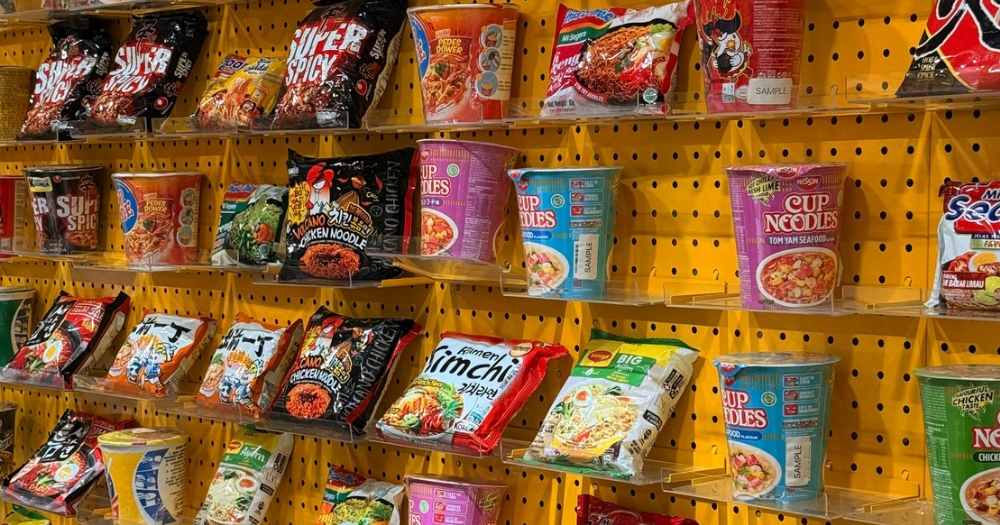
Under this system, companies that place larger volumes of packaging or less sustainable materials onto the market would face higher fees.
This would, in theory, financially incentivise companies to redesign packaging and eliminate unnecessary waste.
Revenues would fund the operational costs of recycling, local recycling infrastructure, as well as research and public education.
The report also advocates shifting away from the current system of co-mingling different recyclables into one bin, the blue recycling bins.
While convenient, contamination rates of up to 40 per cent are common in the blue recycling bins.
Instead the SEC proposes to build upon Singapore's current infrastructure (such as the blue recycling bin and BCRS reverse vending machine networks), and complementing it with other collection methods, such as door-to-door collection and centralised drop-off points, depending on the packaging type.
This proposed levy will lead to higher costs for the businesses due to compliance fees, which as the report noted, might be passed on to consumers.
Phased multi-year roadmap
To accommodate land constraints and protect consumer affordability, the SEC proposed a phased transition, starting with targeted studies and logistics pilots over the next one to three years.
An island-wide framework could then be established over the subsequent three to five years.
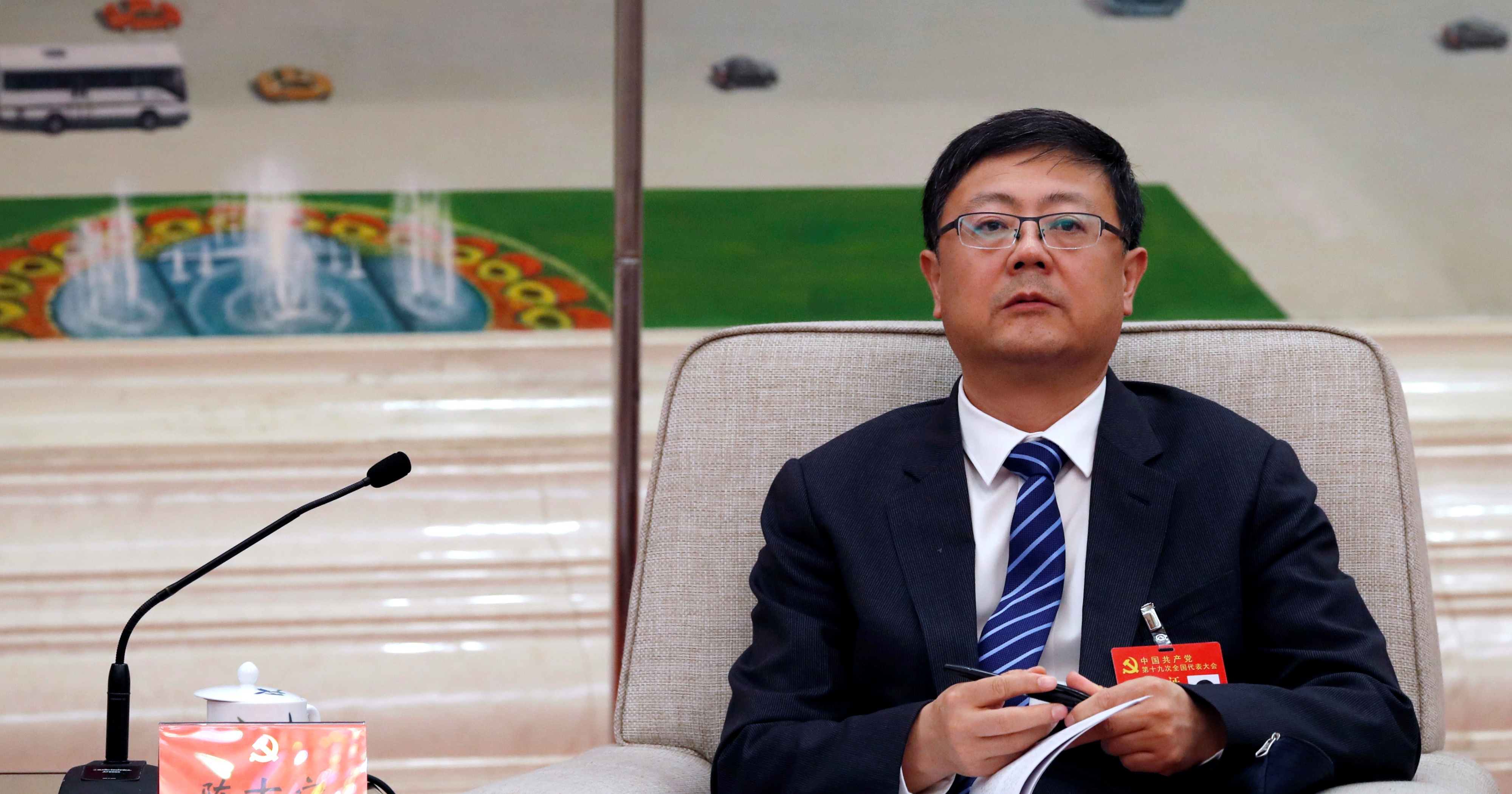
"The introduction of the Beverage Container Return Scheme is an important step forward, but addressing Singapore's wider packaging waste challenge requires us to look beyond beverage containers," said Cheang Kok Chung, executive director of the SEC.
"A phased, evidence-based approach, supported by collaboration between government, industry and consumers, will be essential to developing a system that is both environmentally effective and operationally viable."