



News


104-year-old Balestier Market to be revamped with 'modern take', with diverse F&B & retail offerings
Features include a central dining hall, self-service beverage stations, and an outdoor refreshment area.
November 25, 2026, 05:16 PM
Photos via SLA/Facebook


Balestier Market is set to undergo a revamp with a modern take on the traditional wet market through a grocer space, the Singapore Land Authority (SLA) said.
It announced this via a Nov. 24 Facebook post, stating that it has awarded the tender for the state property to Hua Hng Trading Co Pte Ltd.
Revamp
The market's makeover will see "plans to include bringing together accessible, diverse F&B and retail offerings" that are designed to welcome locals and visitors alike.
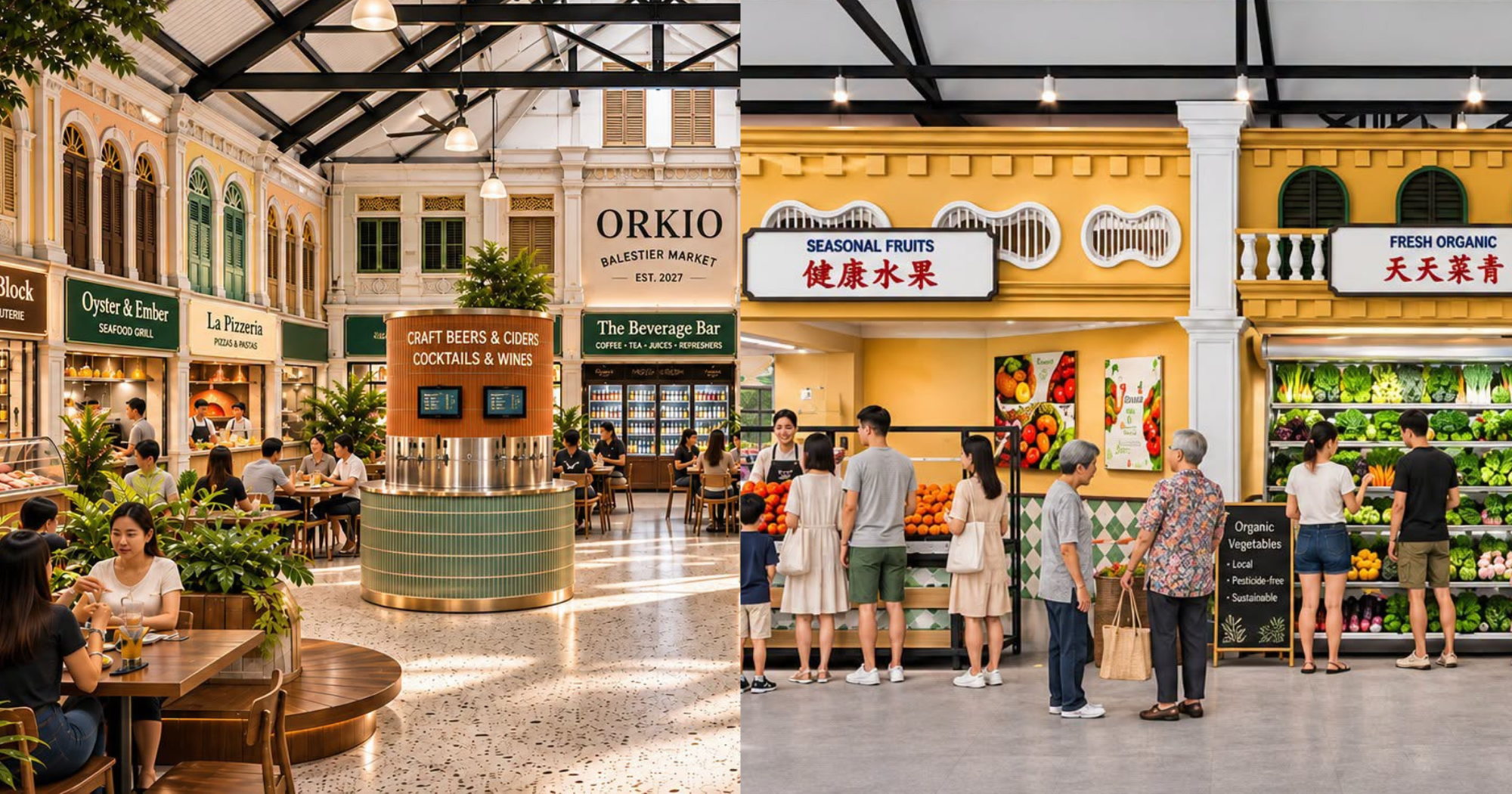
Features include a central dining hall, self-service beverage stations, and an outdoor refreshment area.
Here are some mock-ups of the new market, which according to SLA, is inspired by Balestier's heritage:
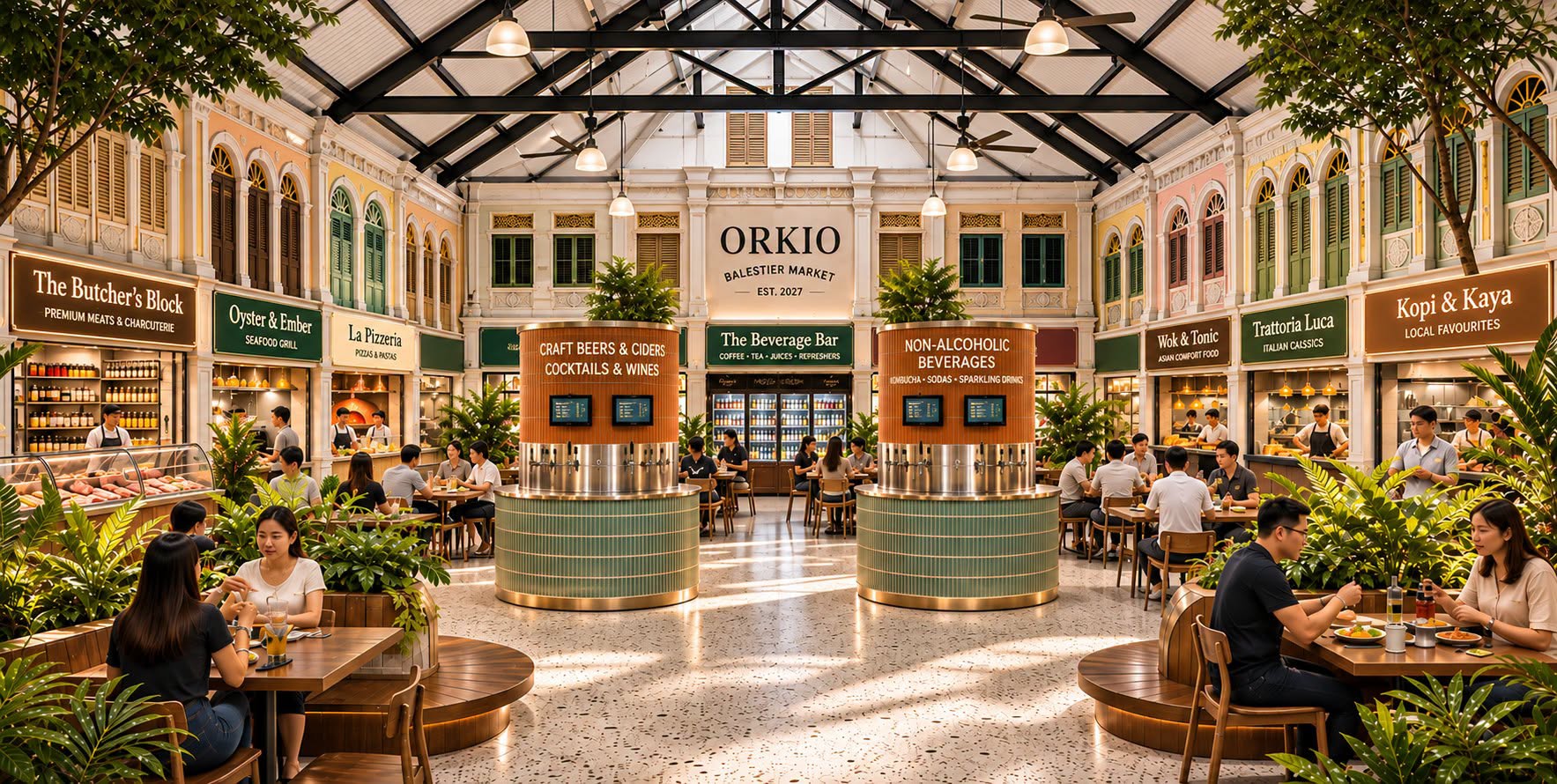 Photo via SLA/Facebook
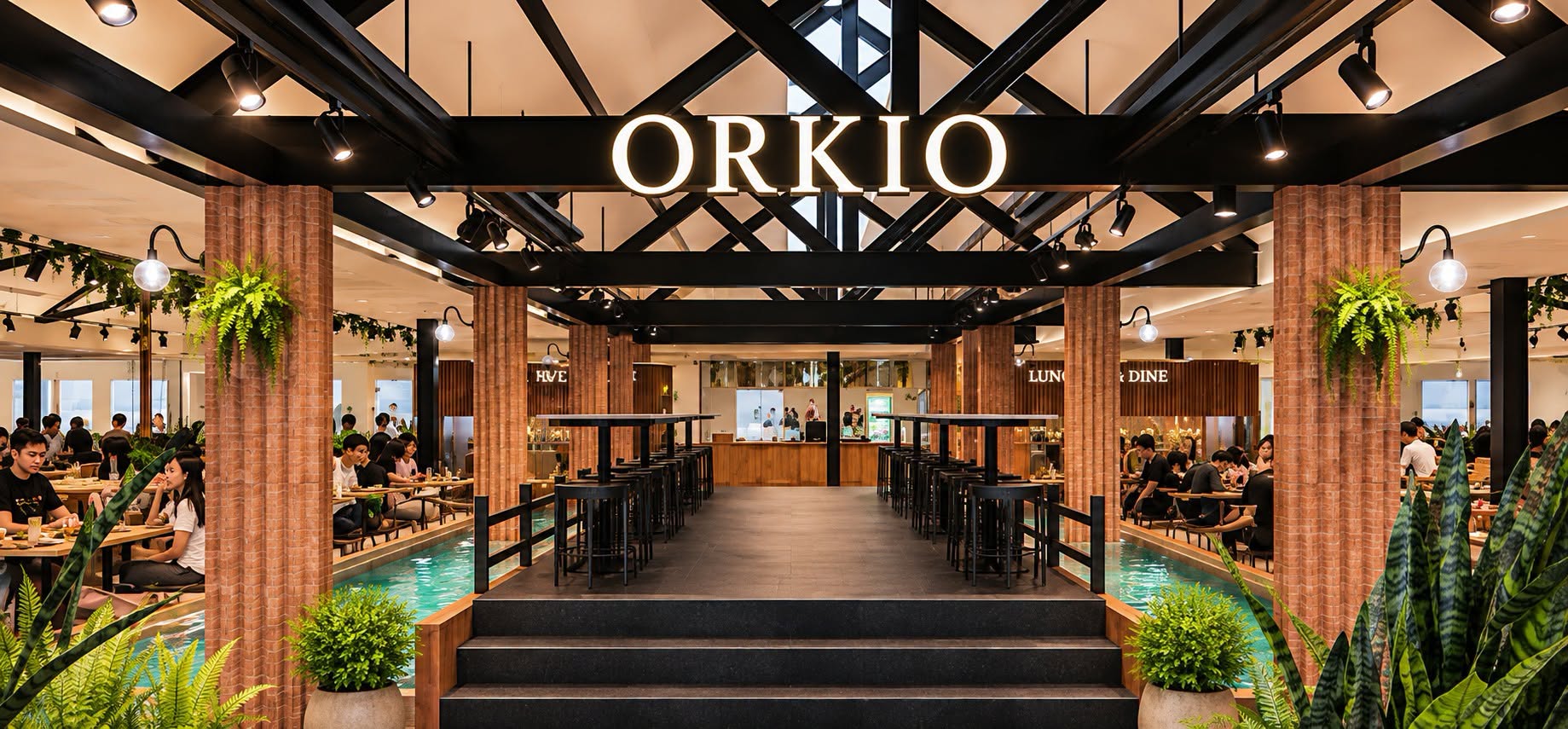 Photo via SLA/Facebook
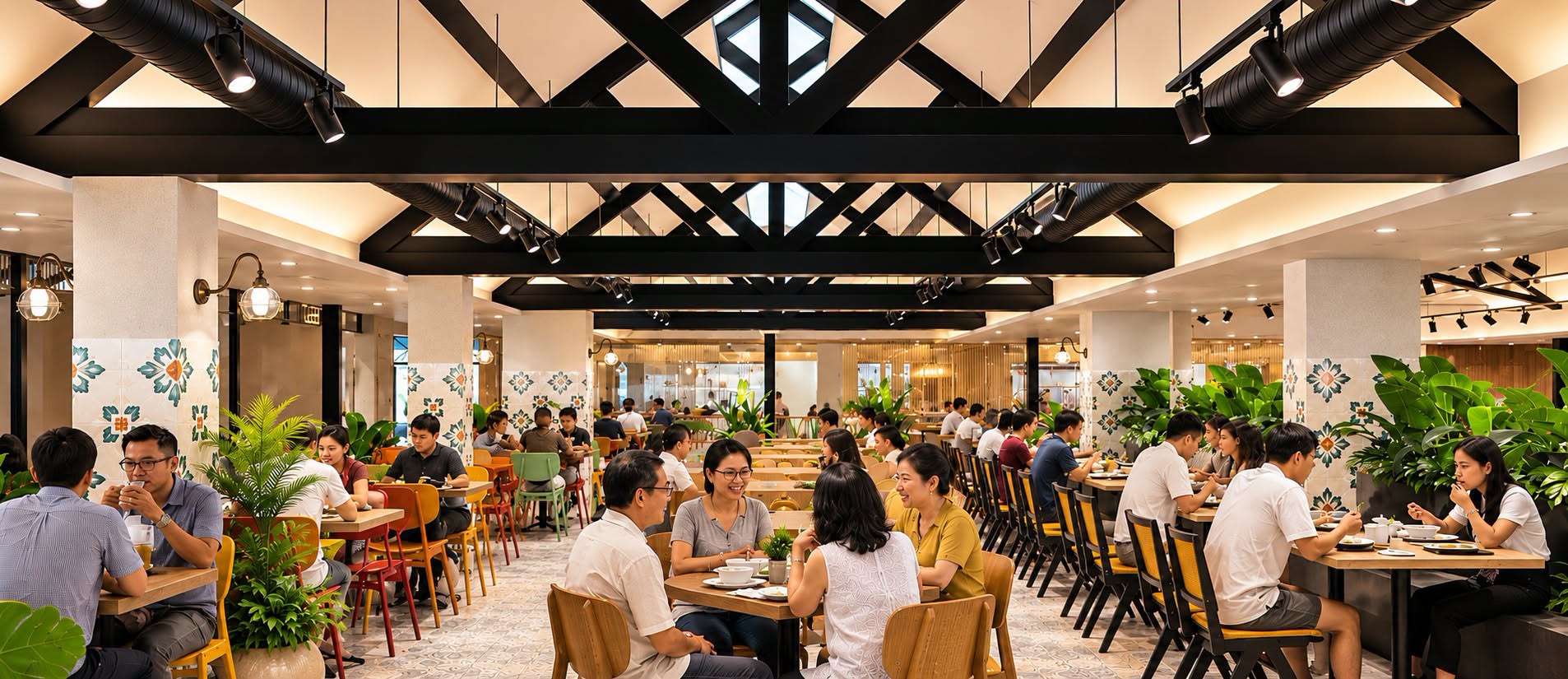 Photo via SLA/Facebook
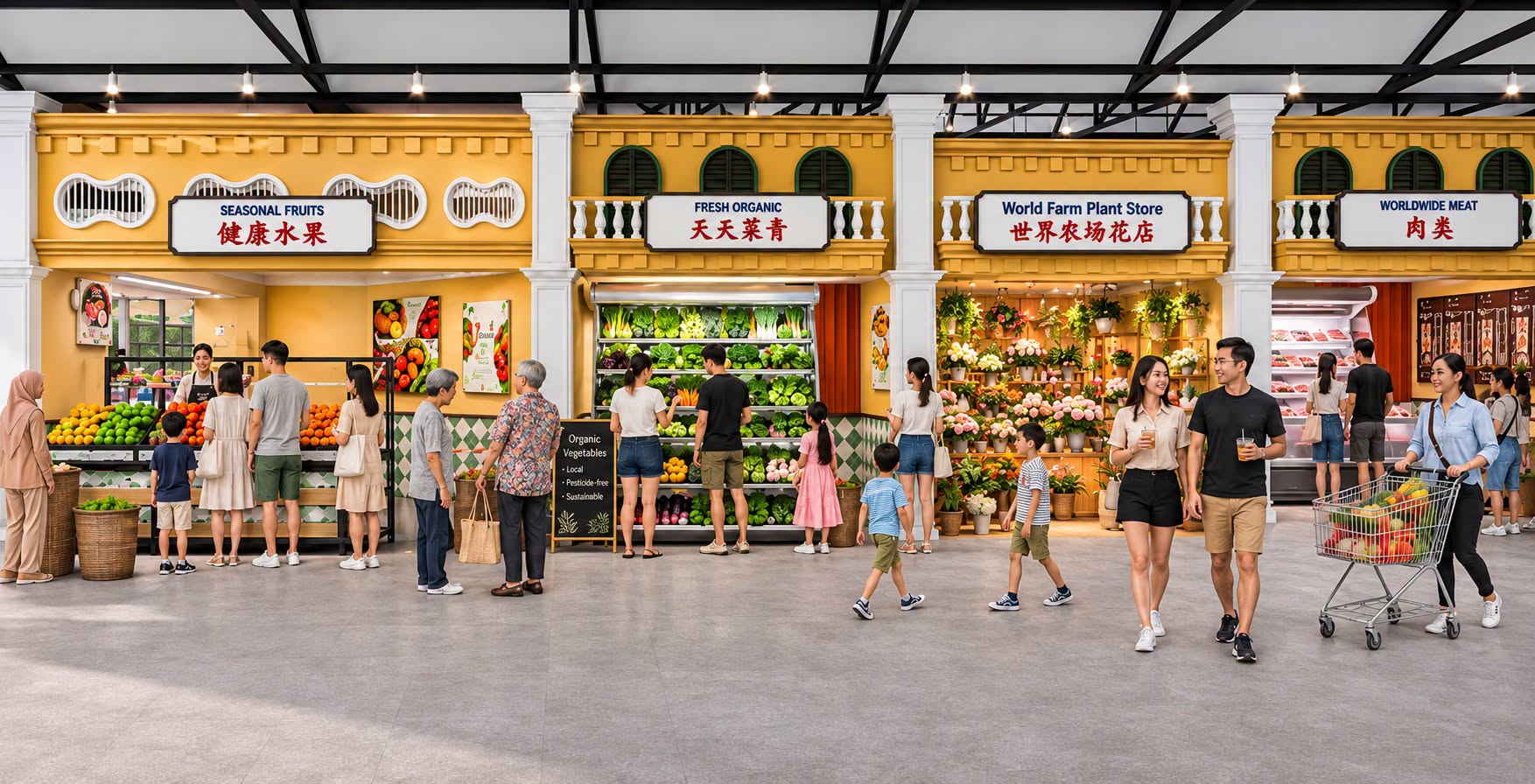 Photo via SLA/Facebook
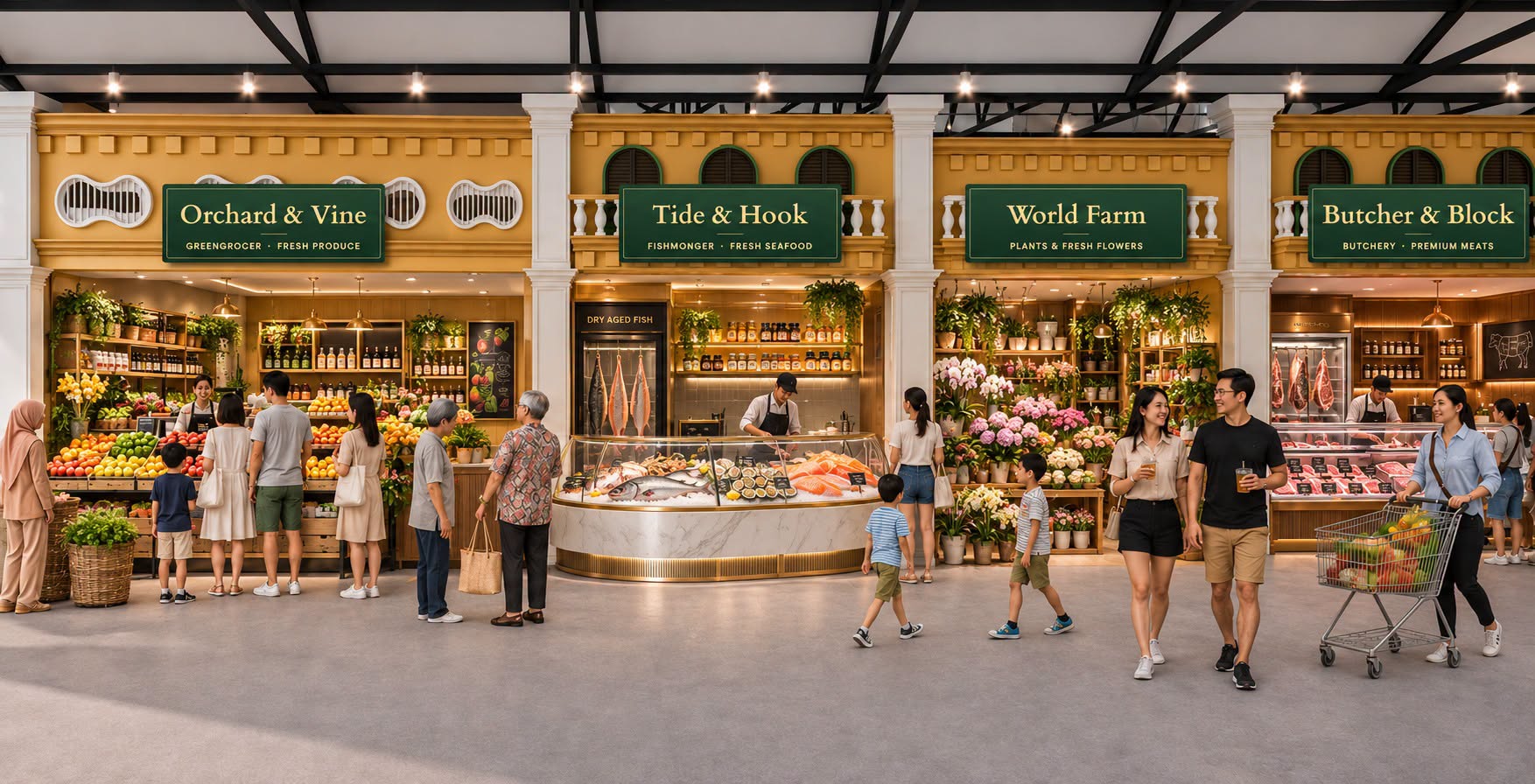 Photo via SLA/Facebook
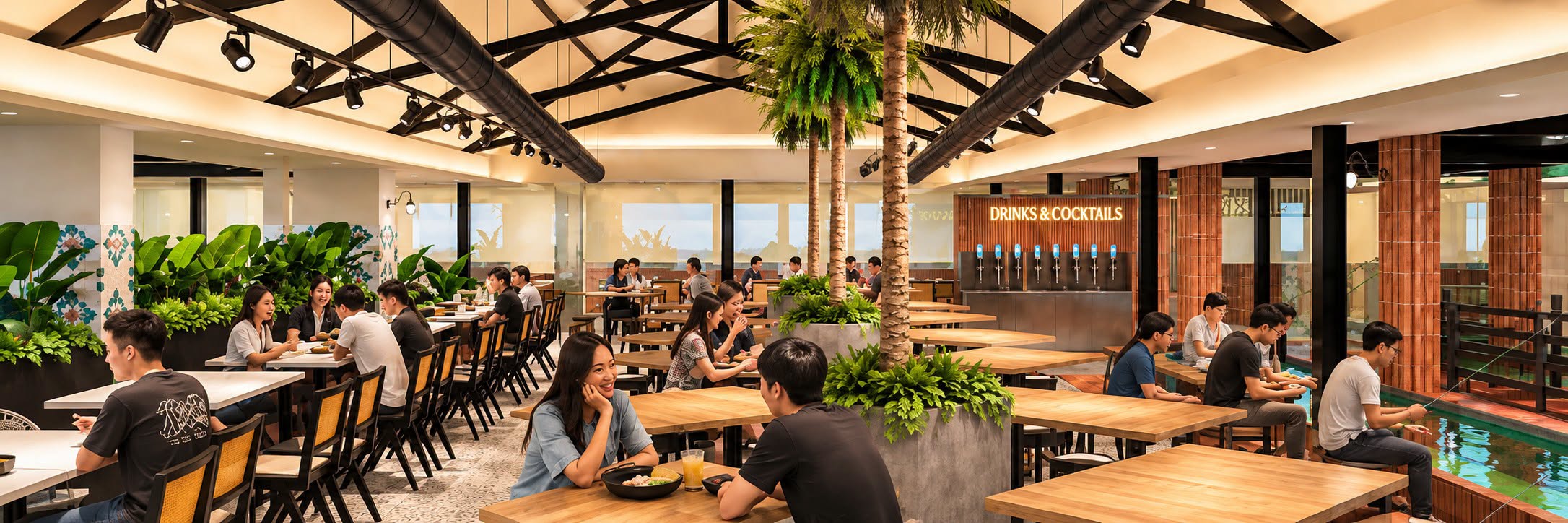 Photo via SLA/Facebook
Opportunities to gather
In addition, SLA highlighted that regular events beyond dining and shopping are also planned to celebrate the precinct's history and identity.
This will create more opportunities to gather, both for residents within the precinct, as well as visitors.
SLA explained that it looked for fresh ideas throughout the tender to "rejuvenate the property and inject vibrancy to the neighbourhood".
"We look forward to seeing this familiar market spirit live on, with fresh reasons to visit, gather and mingle," the agency said.
Tenancy
Last February, hawkers at Balestier Market said they were told to vacate the premises before April.
SLA subsequently extended the tenancy of the market, which is privately operated, by two years.
The operator, KNC Global Pte Ltd, also said that the hawkers would not face an increase in rent.
Background
Balestier Market was built in 1922 as a wet market for former street-side fresh food vendors to sell their goods.
The market was just a concrete platform, and a roof was added only in 1925.
It was also known as "Or Kio Pa Sat" ("Black Bridge Market" in Hokkien), named after a black wooden bridge in the vicinity, as well as "Tee Pa Sat" ("Iron Market" in Hokkien) as a metal fence once surrounded the market.
During the Japanese Occupation, the market served as a distribution centre for food rations.