



Environment


2 S’pore-listed palm oil companies named in Greenpeace report on Indonesia plantation fires
One company pointed to this year’s El Niño event as a factor for the increase in fire risk.
October 16, 2026, 04:05 PM
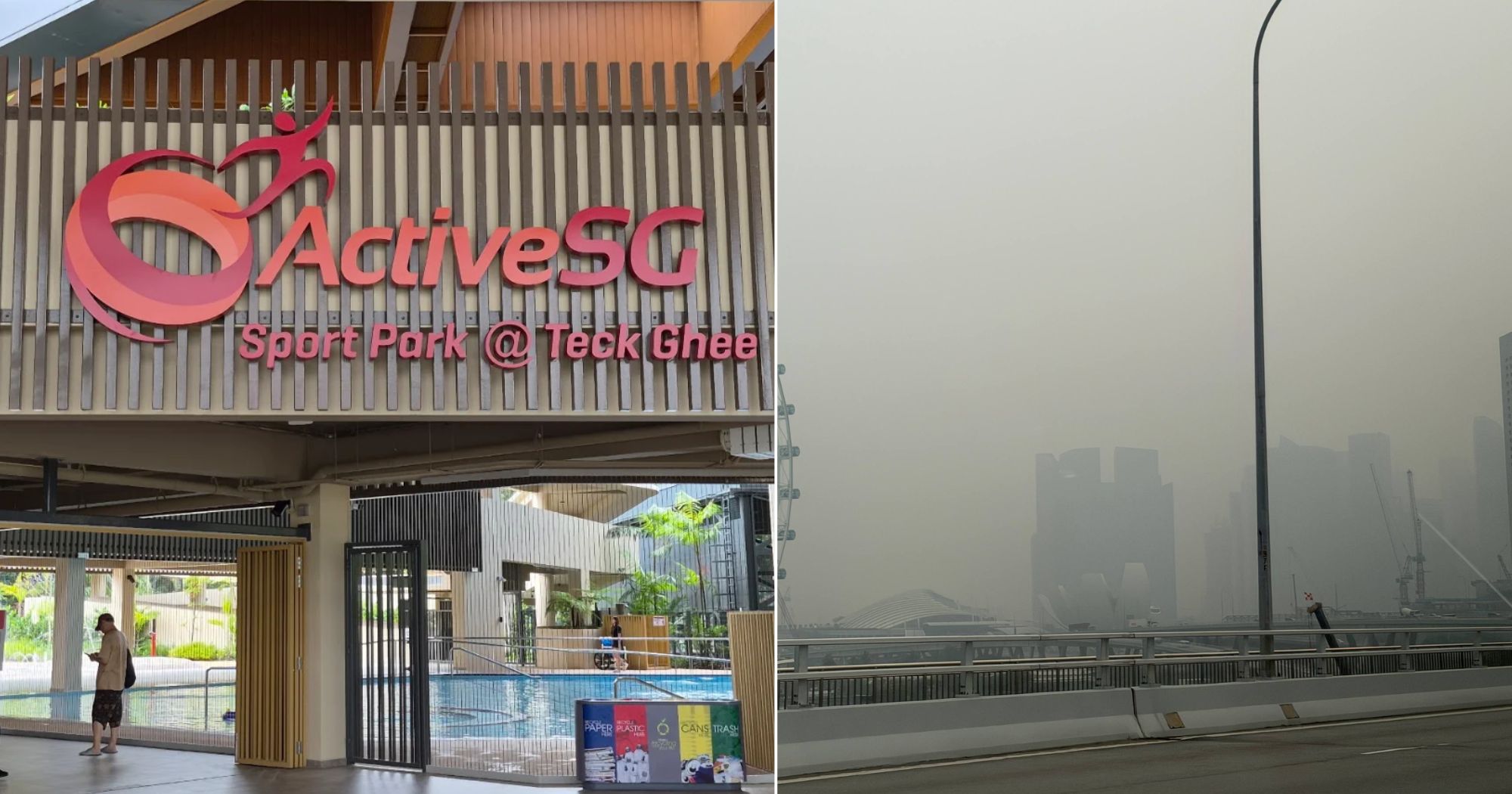
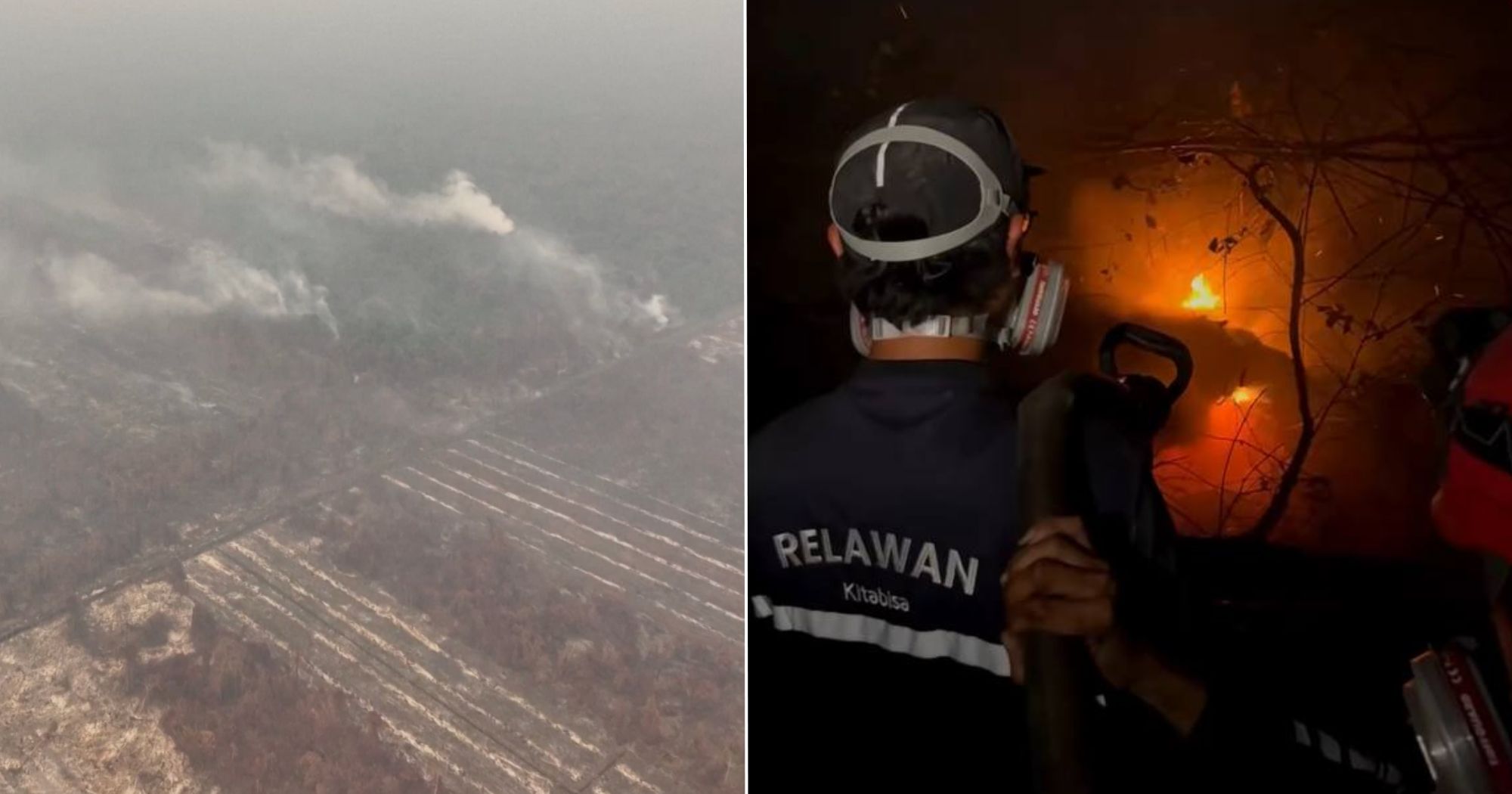
Photo from Reuters and alwijo/Instagram


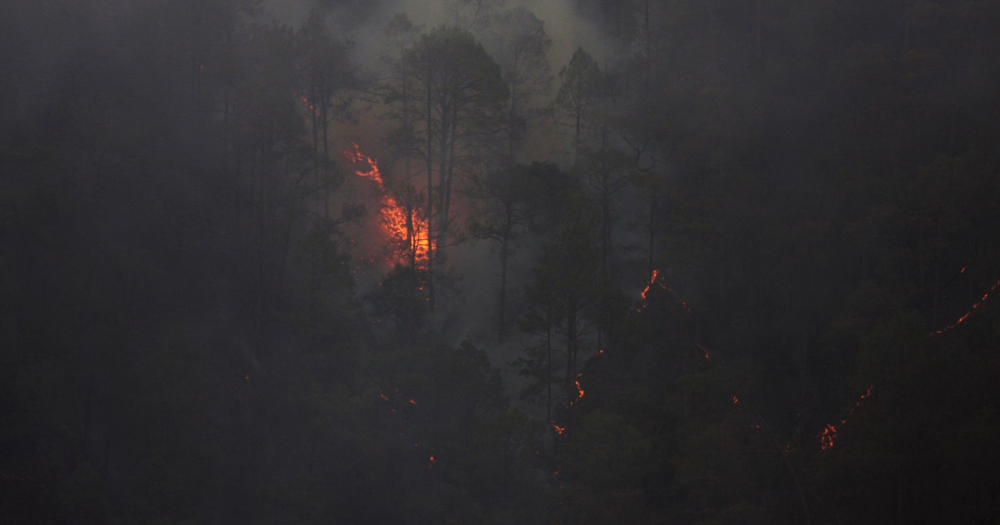
A Greenpeace report published on Oct. 5 linked Singapore-listed palm oil companies Bumitama Agri and First Resources, as well as privately held First Borneo Plantations, to Indonesian plantation concessions where fires and smoke were detected between August and September.
In a statement posted on the Singapore Exchange (SGX) on Oct. 15, First Resources disputed suggestions that the fires originated on its plantations, saying some began outside its concession boundaries before spreading into areas it manages.
It also pointed to this year’s El Niño event as a factor for the increase in fire risk.
A plantation concession is an area of land that a company is allowed to use or develop with agreement from the government.
In response to queries from Mothership, First Resources said it will continue to work closely with government authorities, local communities, and other stakeholders to mitigate fire risks and support suppression efforts.
First Resources' statement
First Resources said it is "important to note that the identification of hotspots or other satellite-based observations within or near a concession does not, by itself, establish the origin of a fire, responsibility for its occurrence, or any deliberate use of fire for land clearing by the concession holder".
The company added that such determinations require "detailed ground verification and a thorough assessment" of the circumstances surrounding each fire event.
Consideration should also be given to the chronology of hotspot detections and fire development, including the location and timing of the earliest detected hotspots, as well as the manner in which subsequent fires spread over time, it said.
"Accordingly, the presence of hotspots within a concession should not, in itself, be interpreted as an indication that the concession holder caused, initiated or condoned a fire,” it added.
Fire risk heightened due to El Nino
First Resources stated that severe El Niño conditions in 2026 have affected Indonesia, with West Kalimantan among the regions most significantly impacted.
As it operates in this region, the company said it is closely monitoring the situation and remains highly vigilant regarding reports of fires across the area.
"The elevated fire risk during 2026 has been influenced by prolonged dry conditions associated with El Niño," it said.
It explained that fire incidents may arise from activities occurring on surrounding lands, including small-scale burning for traditional land preparation by local communities for subsistence farming.
These are subject to specific fire prevention and mitigation measures prescribed under local government regulations and designed to minimise the risk of fires spreading, it added.
"While such activities can generally be managed safely under normal conditions when the prescribed safeguards are adhered to, this year's severe El Niño-related drought has significantly increased the risk of fires spreading unintentionally and escalating into uncontrolled wildfires that can affect vast areas," the company said.
Hotspots outside its operating boundaries
The company also said effective fire risk management remains a "top priority", acknowledging that fires pose a risk to their plantation assets, biodiversity conservation, and the safety of their employees and neighbouring communities.
Through monitoring, the company has identified hotspots in the vicinity of its concessions in West Kalimantan.
Many of which, upon verification, were determined to be located outside its operating boundaries, it said.
"Our investigations indicate that the vulnerability of our plantations in the region varies, with areas located near concession boundaries, community-owned lands and unmanaged areas facing higher fire risks," the company added.
Firefighting teams were on standby at the perimeter from the first detection of hotspots in the vicinity, it said.
There have been instances where fires originating outside our boundaries subsequently spread into areas under its management, it added.
But the fires originating outside the concession were, in some cases, "too massive and fast-spreading to be fully contained", even as the on-site firefighting teams responded as vigorously as possible to manage and contain these incidents, the company added.
The company said they are remaining "highly vigilant" and maintaining close coordination with government authorities to ensure strict compliance with regulations.
Mothership has reached out to First Borneo Plantations and Bumitama Agri for comment.
Stocks fell
When trading on SGX opened on Oct. 16, 2026, First Resources fell as much as 9.1 per cent to S$3.71, The Business Times reported.
Meanwhile, Bumitama Agri dropped 7.5 per cent to S$1.73.
According to CNA, Bumitama Agri requested a trading halt on the same day.
Singapore looking into companies responsible
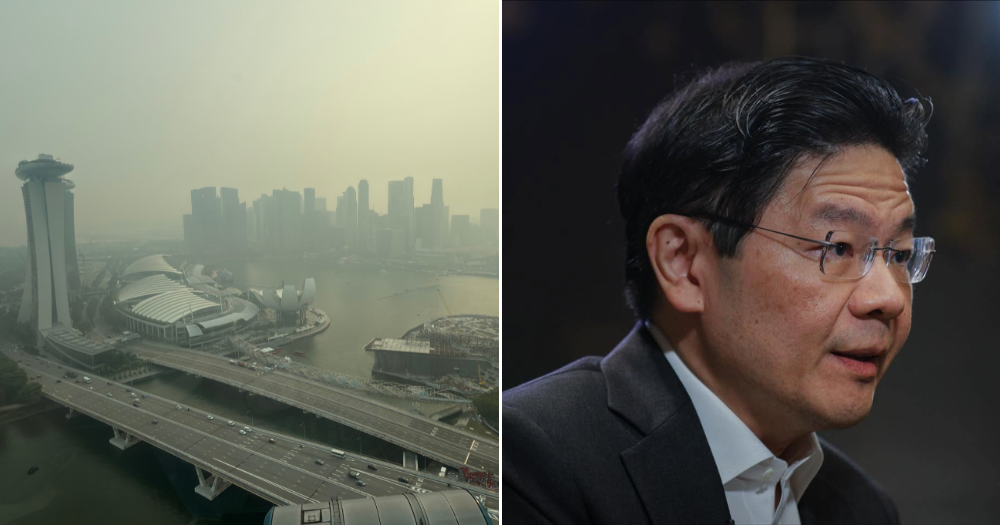
In an Oct. 15 Facebook post, Prime Minister Lawrence Wong said Singapore is looking into which companies may be responsible for the haze-causing fires in Indonesia.
Where warranted, Singapore will take action under the Transboundary Haze Pollution Act and explore joint action with other countries, PM Wong added.
Enacted in 2014, the Transboundary Haze Pollution Act allows the government to prosecute any entity found guilty of engaging in conduct that causes or contributes to haze pollution in Singapore.
Such conduct may take place in or outside of Singapore.