




Branded

What does convenience really look like as a busy, working adult?
We all deserve a bit of comfort.
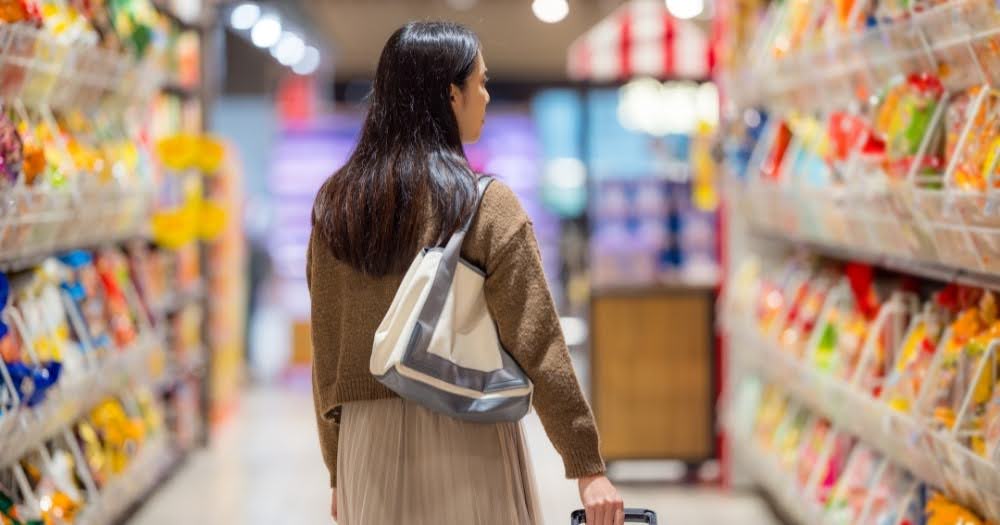
Top image from Canva
I’m not part of the sandwich generation. Not yet.
At 29, I’m living my best DINK (Double Income No Kids) life. I have yet to have kids; my parents are mobile and independent, and my biggest daily struggle is deciding what to have for lunch.
It’s a far cry from the reality of Grab’s new microdrama series. The main character, Emily (Regina Lim), is a widowed mum of two. She works a demanding job and cares for her aging mum, all while dealing with the myriad stresses of Singapore life.
Presumably, this is where the mysterious private-hire vehicle driver, Henry (Glenn Yong), arrives to save the day.
A glimpse into the future
Absurdly attractive cast aside, the show felt like a prescient glimpse of my own future.
I do intend, eventually, to have kids. My parents probably will lose bits and pieces of their independence as the years go by and the myriad stresses that accompany these things, along with daily living, well, they will never really go away in the end.
In fast-paced Singapore, there’s always something new to worry about.
Already, I rely on convenience services like Grab to play catch-up. By the time I reach home at the end of a busy work day, most days I can’t find the energy to cook.
Some days, I find myself booking a ride to the office just to get a precious few more minutes of sleep.
As my parents age, I can also see myself using the Grab for Family Account to book rides for them and track them as well to ensure they reach their destinations safely, or ordering in food and groceries on their behalf. Just to make their day a little easier.
Cheesy drama, real problems
It’s a Grab micro-drama, so naturally, mentions of the app are plenty too.
Emily takes a ride home after work, where her fateful meeting with the mysterious Henry occurs. When her son falls sick, she orders medicine via GrabMart .
When she arrives home, she orders dinner for her family via GrabFood. When she’s forced to work over time, she uses Grab for Family — which allows parents to check that the passenger arrives safely — to order a ride to tuition class for her daughter. And so on.
Obviously, the idea is to show how the app is convenient and reliable, particularly for busy people juggling multiple day-to-day responsibilities.
But the other side of the narrative is this: How exhausting such an existence can get, having to care for everyone but yourself.
How awful it can be, surrounded by loved ones, yet constantly swallowing your resentment over their relentless needs.
Even with the convenience of a Grab for Family account, which allows you to check that the passenger you’re booking for arrives safely at their destination, I can still predict the mental load of constantly having to worry about your loved ones.
I’ve watched the show, and while I won’t spoil it for you, Emily and Henry (obviously) end up together.
As for what happens post-credits, we can only guess, but here’s mine: he sweeps her off her feet Cinderella-style, and they all live together as a big happy family. The end, happily ever after.
The important things change over time
But that’s where the drama ends, and we start looking at our own lives.
With a dearth of mysterious handsome knights-in-shining-armour to go around — sadly — most of us will have to find other ways of problem-solving.
I come from a solidly working-class background, so the idea of splurging on convenience isn’t always easy to stomach. Why would I book a Grab ride when I can take the bus for a fraction of the price?
Why would I order delivery when I can cook for the cost of the delivery fee alone?
But as I grow older, and every minute of my time becomes more precious, it becomes less a question of how much I can save — and more about what I can do.
If I have to pay for a Grab after work, but it means I can make it to a family dinner with my parents, isn’t it worth it?
If I am hosting a dinner and I order in bundles through Grab, but it allows me to save on the hassle of having to clean up after, isn’t that OK?
It’s a balance I’m still struggling to strike.
Be kind to thyself
The whole meet-cutie trope with Henry the driver, in true microdrama style, is full of corny one-liners and cheesy K-drama tropes.
At one point, Emily runs out to the lift lobby to give Henry a snack and a bottle of water.
“I guess you’ve earned your five stars now,” he quips. “I just like taking care of people,” she replies in her magnanimity.
It is, of course, fine to admire Emily for the capable and big-hearted mum/daughter/ employee she is. But I hope we don’t turn her into a heroine.
There is nothing aspirational about being a burnt-out caregiver. Nothing to romanticise about it.
For me, I hope the message we take away is not to wait for kindness from the outside, but to make the conscious choice to offer it to ourselves.
You can watch Grab’s new microdrama here to find out more.
 Photo from Grab
This Grab-branded article reminded me that it’s OK to be kind to myself, too.