



Environment


After 11 years, Asia Pulp & Paper has been named again over links to haze fires. What is it & what's the S'pore connection?
It was the one company recently identified with a direct link to Indonesian companies involved in the fires.
October 25, 2026, 09:19 PM
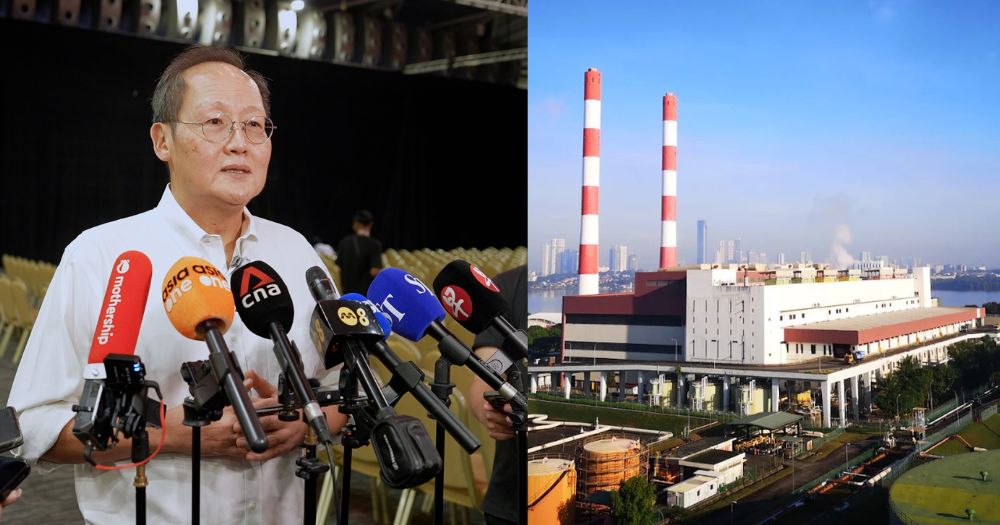
Photos via Mothership, Badan Nasional Penanggulangan Bencana/Facebook, APP.


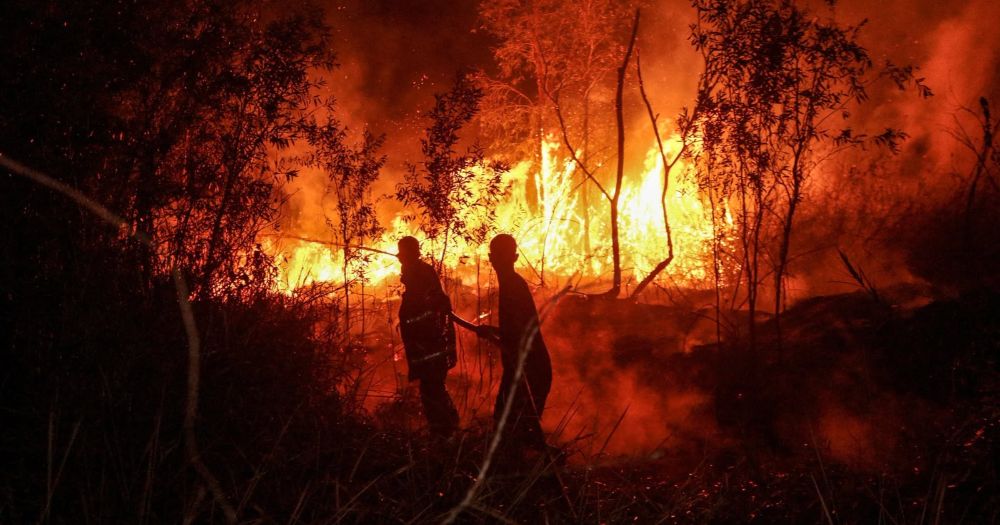
About 12 years after the Transboundary Haze Pollution Act (THPA) was enacted and 11 years since the last serious haze episode in 2015, Indonesia's neighbouring countries, including Singapore, are once again stricken by smog from forest fires that are raging across Kalimantan and Sumatra.
Under the THPA, Singapore's government has so far sent 10 companies legal notices, including two entities of Asia Pulp and Paper (APP): Asia Pulp and Paper Company Limited and Asia Pulp and Paper Company (China) Limited.
APP informed Mothership that they "are cooperating with the authorities" and "are reviewing the notices" and will respond to National Environment Agency (NEA) as required.
Prior to that, preventive measure notices were also issued by the National Environment Agency (NEA) to 10 other companies, asking them to stop burning and take action to extinguish fires.
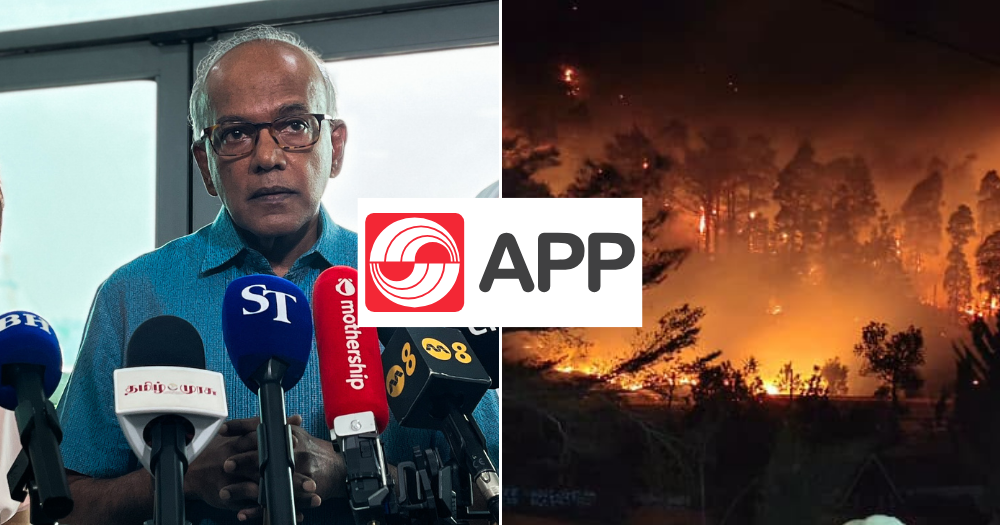
If APP sounds familiar to you, they were explicitly named by Senior Minister K Shanmugam in having a buyer relationship at a Oct. 19 doorstop.
"We will also look beyond individual concession holders: to large corporate groups, and persons who may ultimately control them. If there are linkages, we will try and go after these groups as well.
Several of these companies do appear to be linked, and we are looking at those links. For example, investigations show that Asia Pulp and Paper (APP) buys from three of the companies that NEA has sent [preventive] notices to. We will drill into this further."
Besides the mention by SM Shanmugam, APP had been linked to causing fire during the haze crisis back in 2015.
Involvement in haze
In 2015, under the THPA, the government asked APP to provide more information about its network of suppliers after four linked to it were issued notices by NEA.
A 2017 report by The Straits Times said that APP had given limited information to NEA.
“The information provided by APP to date has been limited and more information is still being sought from them for NEA’s investigations into these four companies,” NEA said in 2017.
Regarding the Singapore government's request for information in 2015, APP said its role was to help NEA coordinate their request for information with the company's suppliers.
"To the best of our knowledge, all the named suppliers fully cooperated with the investigation and provided the information requested by the Singapore government," APP said in response to Mothership's queries.
Three of the 10 Indonesian companies that received preventive measure notices in 2026 were similarly issued notices in 2015: PT Bumi Andalas Permai, PT Bumi Mekar Hijau and PT SBA Wood Industries.
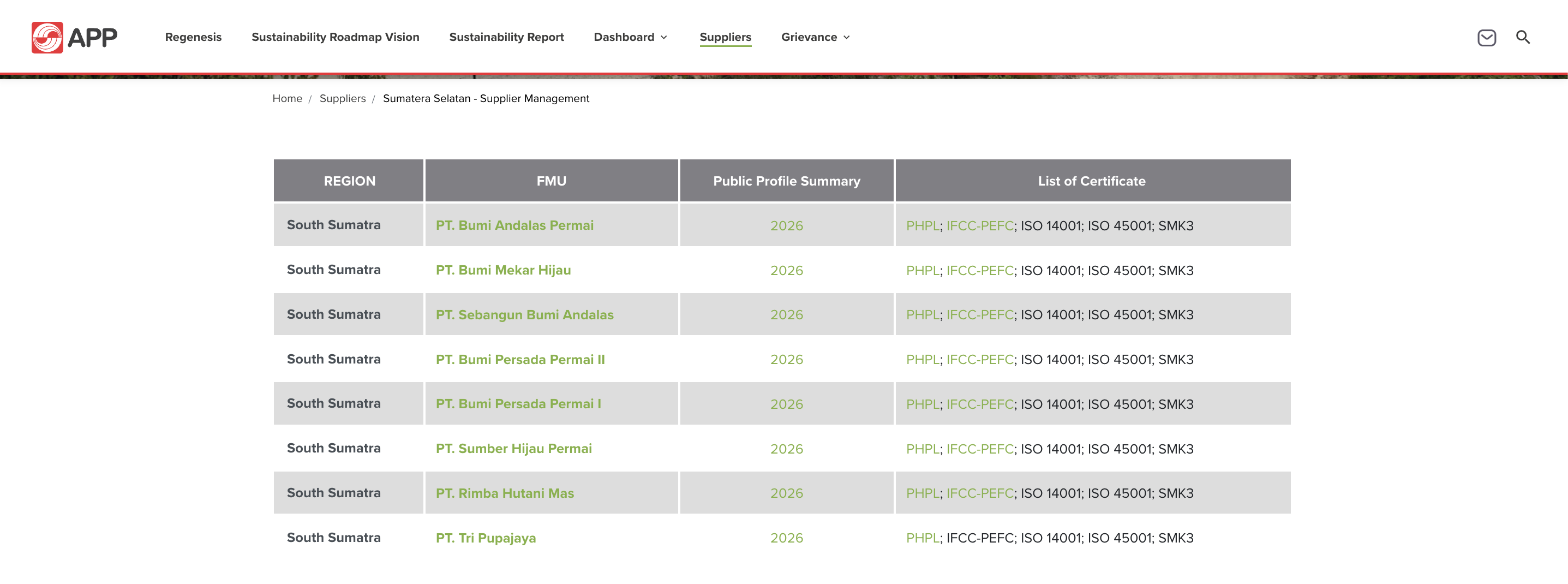
According to APP's sustainability dashboard, these three companies are APP's exclusive pulpwood suppliers and they operate in South Sumatra.
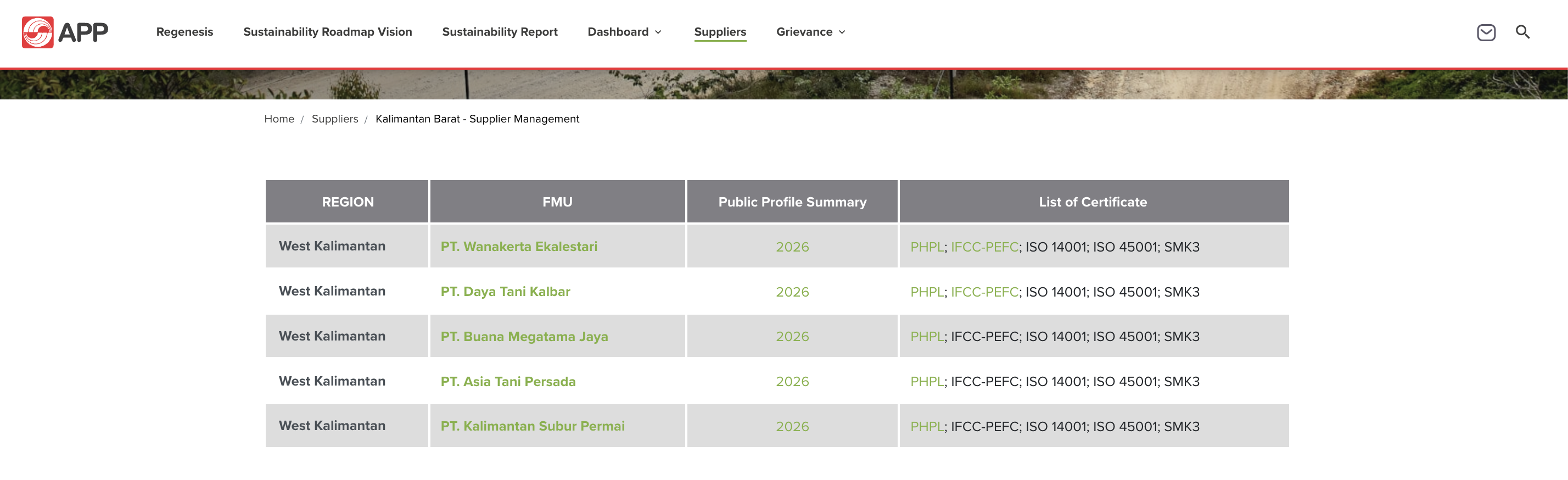
A fourth company named by NEA and who was issued a notice to — PT Buana Megatama Jaya — is also listed on APP's website as a supplier, operating in West Kalimantan.
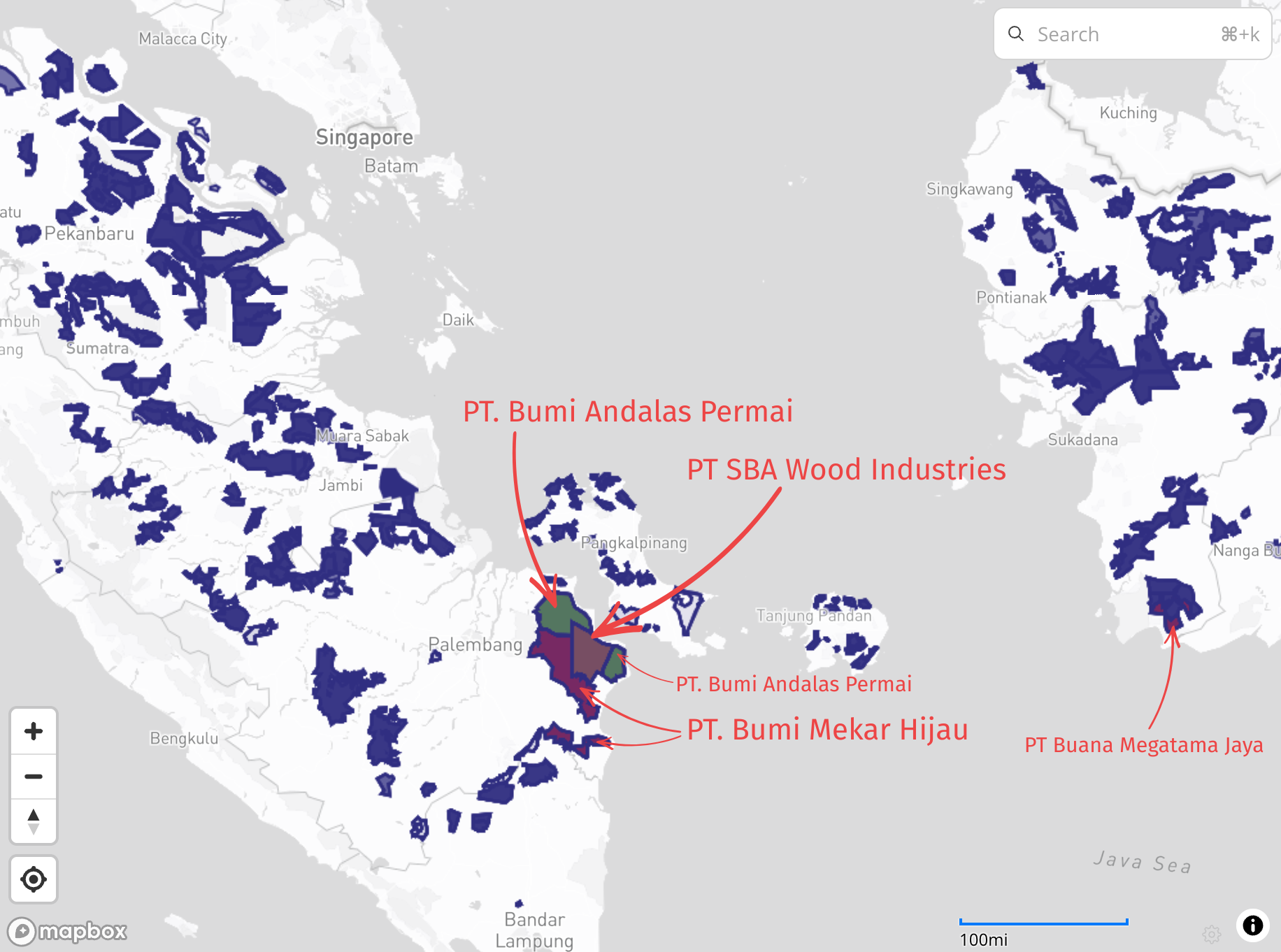 APP suppliers' concession locations, based on open-source data from Trase.
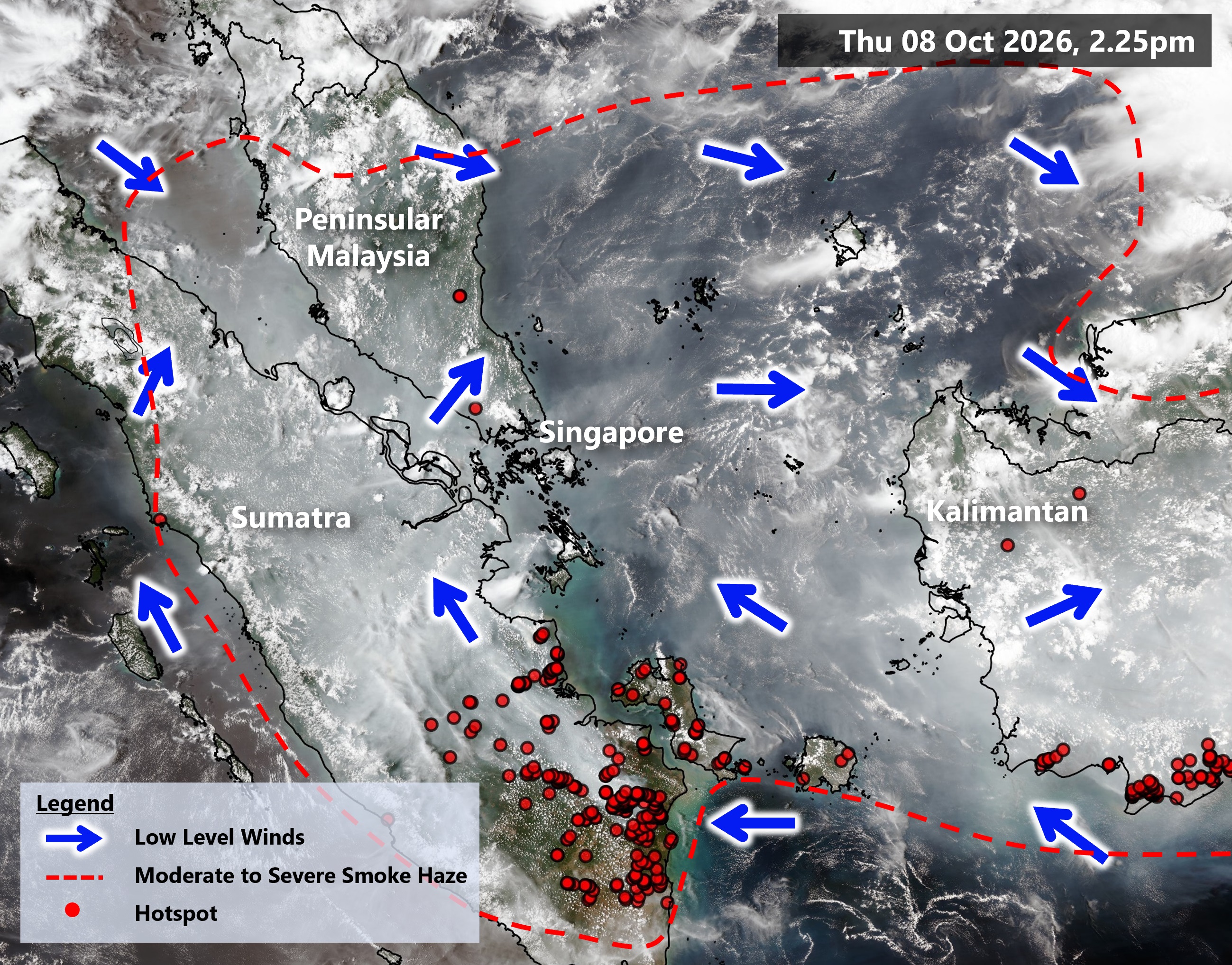 Oct. 8 hotspots. Image via NEA.
In response to Business Times on Oct. 19, APP said that, based on satellite analysis, the fires originated outside of its three suppliers' concessions but had spread into those areas.
BT noted that APP did not identify these suppliers or provide the satellite data that the company referred to.
APP also highlighted their zero-burning policy which bans the use of fires to clear lands.
Responding to Mothership's queries, APP said that it has proactively reached out to and encouraged the three named suppliers to respond directly to NEA and extend their fullest cooperation.
"APP recognises that effective compliance must be supported by verifiable actions and will continue to follow developments closely," the company said.
APP also said it has invested more than US$250 million (S$319 million) in fire management capabilities, including firefighting personnel, specialised equipment, monitoring technology and community-based prevention programmes over the past decade.
In 2026, these efforts have been supported by more than 6,000 firefighters, 1,700 pumps, 15 helicopters and 108 drones across six operating regions, it added.
So, who's behind APP?
APP is owned by the Indonesian conglomerate Sinar Mas.
Sinar Mas was founded by the late Eka Tjipta Widjaja, who, according to Forbes, was a Chinese immigrant to Indonesia.
Eka got his start selling biscuits as a teen.
In 1968, he started a refinery and sold cooking oil in North Sulawesi, Indonesia. This marked the start of Sinar Mas.
Today, Sinar Mas has eight business units spanning industries from pulp and paper to finance.
Eka died in January 2019 at the age of 98, and his business empire is now overseen by his four eldest sons, according to an APP press release.
The late Eka lived primarily in Singapore, the Wall Street Journal reported in 2003, though it is uncertain if he remained here until his death 16 years later.
Eka's eldest son, Teguh Ganda Wijaya, also known as Oei Tjie Goan, was the ultimate beneficial owner of five entities linked to APP until 2025, according to the company's website.
APP Group was started in 1972, and is described as one of the largest pulp and paper companies in Indonesia.
Its LinkedIn page states that it is "the holding company for multiple Indonesia pulp and paper manufacturing as well as forestry entities, catering to the increasing global need for high-quality tissue, packaging, and paper".
In Jan. 13, 2025, according to the same company profiles, ultimate beneficial ownership passed from Teguh to his son, Jackson Wijaya Limantara, and the latter acquired sole control of APP.
This was part of Teguh's succession planning, APP noted in a statement.
Forbes describes Jackson as the Widjaja family's "third-gen scion" who founded his own business, Paper Excellence, which eventually rebranded as Domtar.
Domtar is now one of the largest paper companies in North America, Forbes wrote.
Golden Agri-Resources
Meanwhile, according to Forbes, Eka's son, Franky Widjaja, 68, runs palm oil giant Golden Agri-Resources — incidentally, one of the companies that was sent a legal notice by NEA.
Shanmugam also said SGX is questioning about its links to the haze in Singapore.
"Companies cannot play hide and seek with different corporate structures. Nor should they hope that because the evidence and actions are in Indonesia, they can escape responsibility in Singapore. Our agencies are considering legal, regulatory, and economic measures that can be taken against these companies. Let me give you a few examples. SGX has asked questions of seven agri-companies which are listed in Singapore. The questions for these agri-companies relate to their operations and possible linkages to the haze.
The companies are: Golden-Agri Resources, Bumitama Agri, First Resources, Wilmar, Kencana Agri, Indofood Agri, and TSH Resources." -- SM Shanmugam
Golden Agri-Resources is the agribusiness and food arm of Sinar Mas, and Franky is its chairman and CEO, according to its 2025 annual report.
The company has been listed on the Singapore Exchange (SGX) since 1999.
In response to the recent forest fires, Golden Agri-Resources has also responded to SGX's queries on Oct. 16, saying that its operations on its oil palm plantations in Sumatra, Kalimantan and Papua have not experienced a material negative impact due to the recent forest and land fires.
It also said that it has maintained a zero-burning policy since 1997 and a no-peat policy since 2010.
As of 2025, the net worth of the Widjaja family is US$28.3 billion (S$36.16 billion), according to Forbes.
One of Eka's many children is also Singaporean businessman and billionaire Oei Hong Leong.
APP and Singapore
A few of APP's entities are Singapore-incorporated, including the two that were named by NEA on Oct.23 -- Asia Pulp and Paper Company Limited and Asia Pulp and Paper Company (China) Limited.
APP Limited is the main APP holding company while APP (China) Limited is holding company associated with its operations in China.
According to records from the Accounting and Corporate Regulatory Authority (ACRA), APP Limited was incorporated in Singapore in 1994.
While being Singapore-incorporated means APP Limited needs to comply with Singapore company-law requirements such as corporate record-keeping, it does not mean Singapore law is applicable to all activities conducted by APP business group and its subsidiaries.
The Wall Street Journal reported that after it was incorporated in Singapore, APP consolidated its existing pulp and paper operations.
Here's how a 2002 Singapore court judgment described Asia Pulp and Paper Company Limited:
"APP is essentially an investment holding company which in itself does not own any significant tangible assets or have any operations in Singapore. Its principal business is in the pulp and paper industry located elsewhere. APP serves as the holding company for the pulp, paper and packaging business of the Widjaja family of Indonesia, who are its majority shareholders through another company known as APP Global Limited."
The same 2002 court judgment noted that APP Ltd was granted operational headquarters status by Singapore's Economic Development Board in 1995 for a period of five years.
At the end of the five years, it was extended by one year until the end of 2000.
The company did not apply for further extensions thereafter.
Today, APP's website states that its head office is in Jakarta, Indonesia.
APP's products include tissue brand Paseo, which was removed from Singapore's shelves after the 2015 haze crisis. Paseo tissue products were subsequently made available in Singapore in 2019 again after obtaining a green label from Singapore Environment Council (SEC).
However, due to their suppliers' links to the 2026 haze, temporary restrictions were imposed on APP by SEC.
Other companies named
In addition to the spotlight on APP, other Singapore-listed companies that received legal notices from NEA include First Resources and Bumitama Agri; both of which are similarly owned by Indonesian business families.
At the Oct. 19 doorstop, Shanmugam said some of the fires or smoke-source points seem to be associated with First Resources and Bumitama Agri, as well as First Borneo Plantations, and that the government will be asking these companies more questions.
First Resources’ CEO is Ciliandra Fangiono. His family is the majority shareholder of the company, according to Forbes.
The company was founded by his father, Martias Fangiono, in 1992, and listed on the Singapore Exchange in 2007. Ciliandra is Martias’ eldest son. Another son, Fang Zhixiang, also known as Sigih, is the deputy CEO.
In 2023, Singaporean members of the family bought four bungalows on Nassim Road for a total of about S$295 million, including three from Cuscaden Peak Investments for S$206.7 million, The Business Times reported in 2023.
First Resources said on Oct. 20 that it welcomes on-the-ground inspections by the authorities, CNA reported.
In an SGX filing, the company said “it is confident that an objective review of the available evidence will prove that it does not engage in any land clearing by fire, whether directly or indirectly”.
Wilmar International is run by Singapore palm oil magnate Kuok Khoon Hong, nephew of Malaysian business magnate Robert Kuok, Malaysia’s richest man according to Forbes.
Both First Resources and Wilmar have said they intend to comply with NEA’s legal notices.
Bumitama Agri, Indofood Agri Resources, Wilmar International and Kencana Agri also issued similar responses to SGX’s queries, saying they maintain a zero-burning policy.
While many large corporates present “zero-burning” or “zero deforestation” policies, environmental activists, such as Greenpeace, have called them out for using complex supply chain ownerships to obscure its liability to forest fires.
Singapore to use “every legal lever” to exert pressure
The Oct. 19 doorstop by SM Shanmugam sent a clear signal to companies that they will have to provide evidence to show that they are not accountable for the fires that led to regional haze.
He also shared appreciation for Indonesian President Prabowo’s “unprecedented” actions to curb the forest fires.
On Oct. 21, Prabowo said companies found responsible for the fires could have their permits revoked.
Shanmugam also said that companies responsible should not underestimate the Singapore government's determination to act.
Whether they have a presence in Singapore or not, the government will use "every legal and regulatory lever at [its] disposal to exert pressure where it matters", including on their access to financing, Shanmugam warned.
"If necessary, we will amend current legislation or introduce new laws on an urgent basis to ensure further cooperation," the minister said.
The Singapore government has since lawyered up, putting together a specialist panel made up of law firms, audit firms and investigative firms to inquire into the conduct of local and foreign companies.
The aim is to establish whether they have been involved in fires that contributed to haze.
These companies will be required to provide complete access to information and other relevant facts about their operations, supply chains and corporate group structures to ensure that they are not involved in causing or condoning the fires.
Local law firm Davinder Singh Chambers has been appointed to advise the government on the work of the specialist panel.