Parliament


'Every child deserves to feel safe': Acting Minister-in-charge of Muslim Affairs on increasing safeguards in mosques & religious schools to protect minors
More has to be done, he said.
September 08, 2026, 02:06 PM
Image from MDDI/YouTube


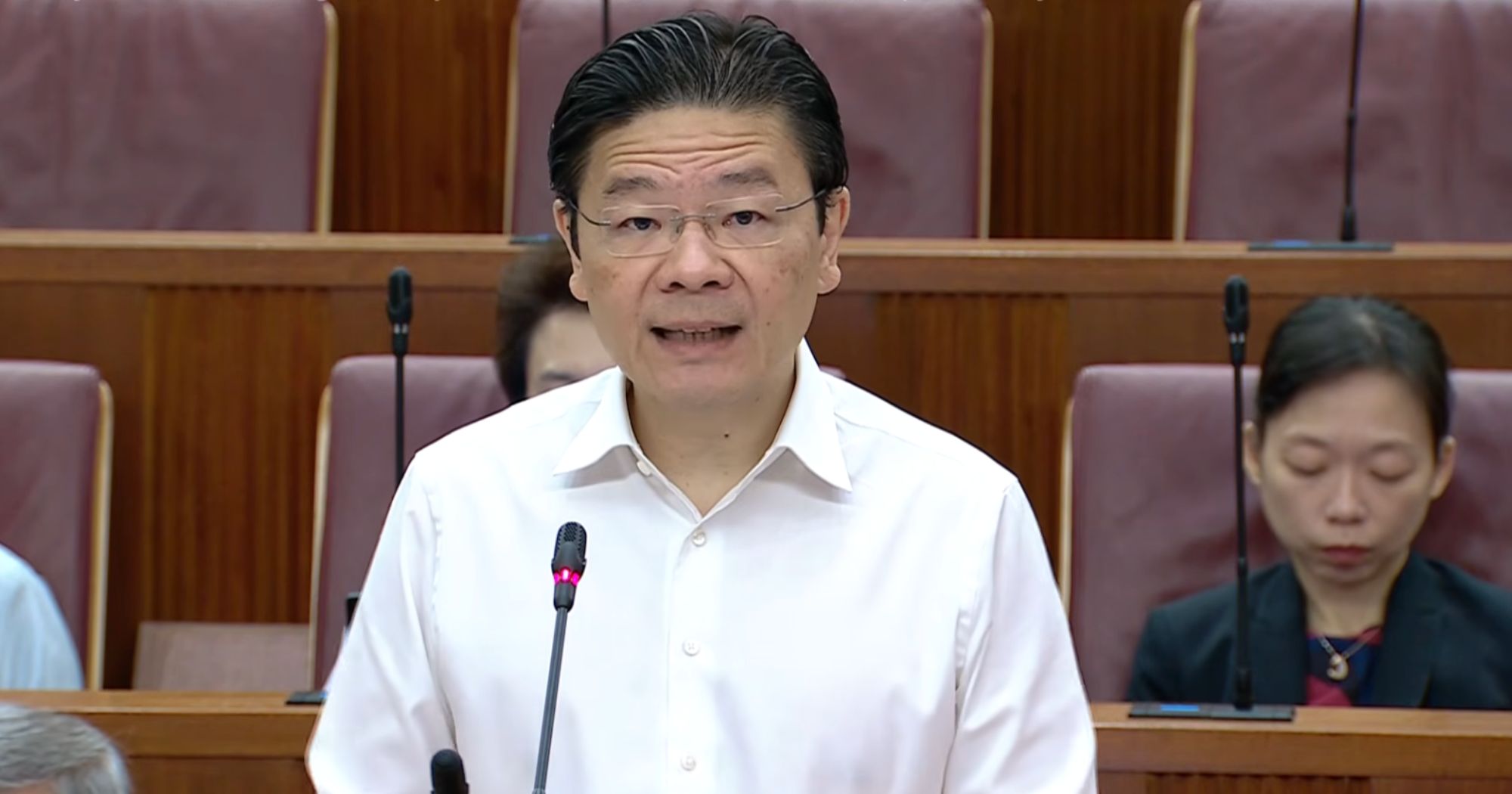
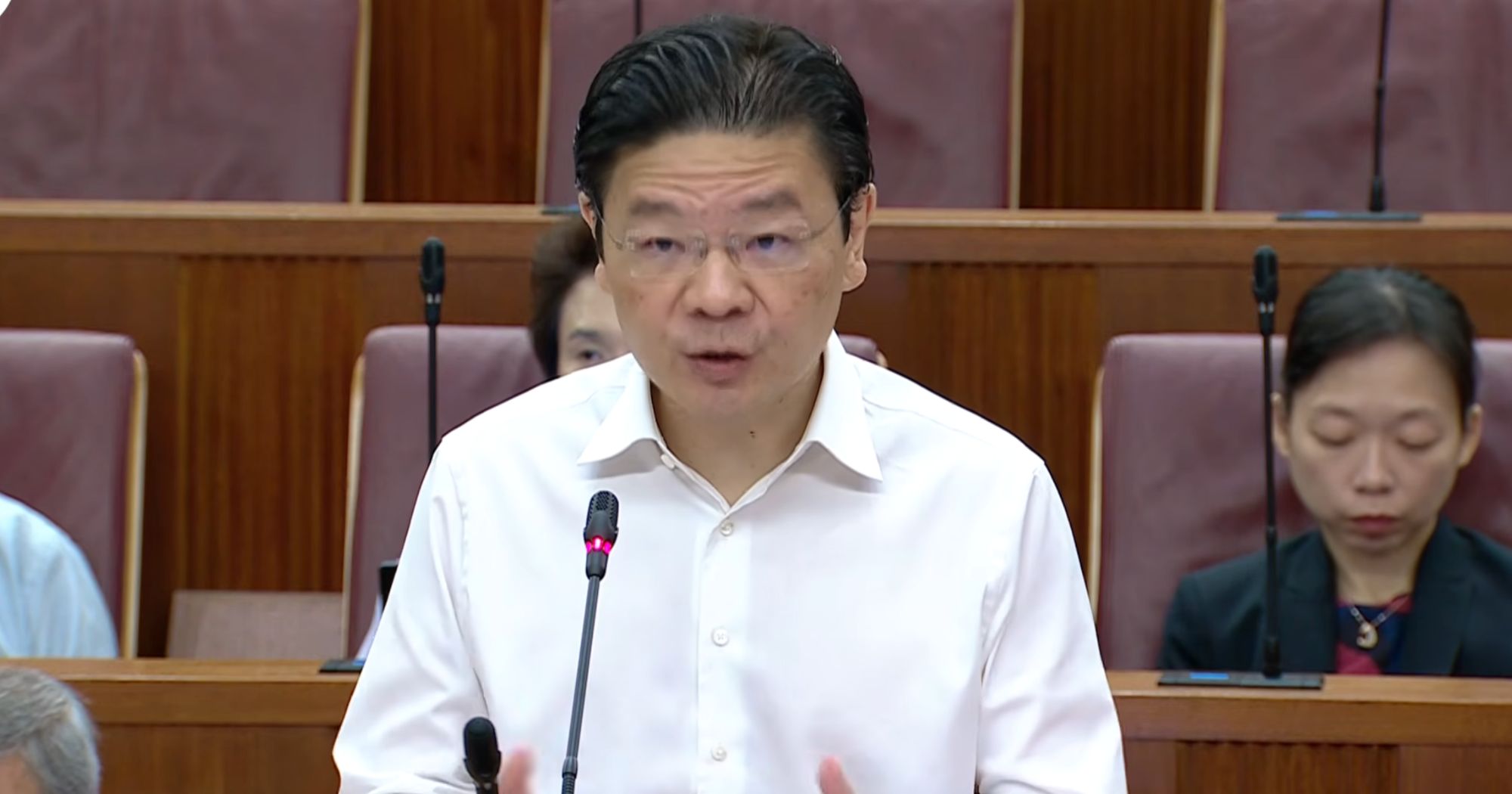
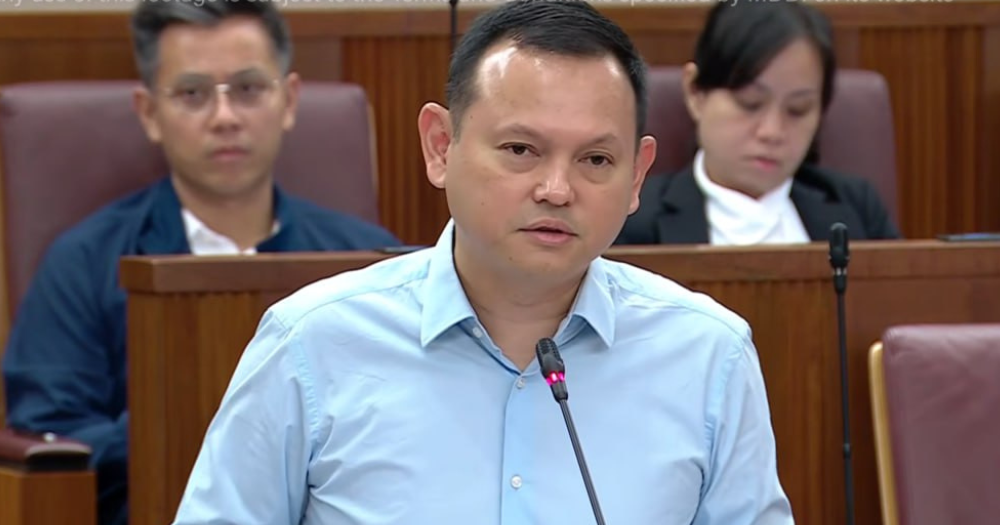
Acting Minister-in-charge of Muslim Affairs Zaqy Mohamad took questions in parliament on the recent sexual offences committed at a mosque, and delved into what more is being done.
Zaqy condemned the assault in no uncertain terms, saying his heart goes out to the victims and their families.
"The pain and trauma they endured should never have happened. The judge described these offences as utterly abhorrent and heinous. I agree and I share the community’s deep anger and deep sorrow."
He would then go on to talk about the steps to be taken to enhance security.
But before that, he addressed the victims and their family.
"You were let down by someone who used your trust against you. I am deeply sorry for what has happened. I want to assure you that we will learn from this and work hard to better protect our children."
Zaqy outlined the chronology of the case, saying that after the report in April 2024, Victim Care Officers (VCO) were immediately assigned to support the victims and their family.
The family was already receiving professional support from a Family Service Centre, and a medical social worker followed up after the forensic examination.
MUIS was made aware of the details in August 2026, and also stepped in directly. They were earlier informed in July 2025 that the offender would be charged for sexual offences against minors, including offences at mosque premises.
Zaqy noted that the man had already been in remand since April 2024 and posed no further threat to the public.
MUIS acted on this and issued an advisory in August 2025 to all mosques to strengthen safeguards for minors – ensuring adequate CCTV coverage and training staff to identify suspicious behaviour.
Zaqy said they will do their best to continue providing support where needed.
He also noted there has been online speculation about the victims' identities.
"This must stop. Our children deserve protection, and I urge everyone to be responsible."
Zaqy said that while the perpetrator had no formal religious authority, his online following positioned him as a trusted guide to young people seeking religious knowledge.
He noted that the trust was then used to harm the victims.
"We cannot be complacent about this. In fact, we owe it to the victims and their families to learn from this incident and do something about it."
Committee convened
Zaqy noted that mosques already have measures in place for external religious classes, and that where concerns or allegations arise, MUIS will take action.
He acknowledged that rules alone are not enough, and that there was a need to build a shared sense of responsibility and partnership with mosques, parents, children, and volunteers.
He said he had asked MUIS to work with mosques, parents, and the community to strengthen safeguards.
"Our mosques must remain open and welcoming, while ensuring that every child, every parent, and every congregant can worship and learn safely with confidence."
According to Zaqy, this also means establishing a common safeguarding approach across mosques — clearer reporting and escalation protocols, closer monitoring of informal gatherings involving minors, safeguarding awareness training for staff and volunteers, and periodic safeguarding checks.
Noting that some of these efforts are already underway by the relevant personnel.
"This incident does not diminish their good work over the years. But precisely because our mosques are sacred places of trust, learning, and belonging, we must hold ourselves to a higher standard. We can do more together, as a community."
Zaqy also said that he will convene a committee, reporting directly to him, to examine our safeguards across religious institutions and propose measures to strengthen them.
The committee will focus on two areas.
Whether existing safeguards to protect minors — not just at mosques but also in religious schools — can be further strengthened. And how the community, particularly children and youths can access religious guidance safely — covering oversight of both formal and informal religious instruction, and emerging risks including online influence.
"We will look hard at where we fell short, strengthen our safeguards, and act on the lessons from this case. Every child deserves to feel safe. Their well-being must always come first, and that is a responsibility that we will not take lightly."