



News


S'pore's public service needs to shift from doing things for people to doing things with people: Chan Chun Sing
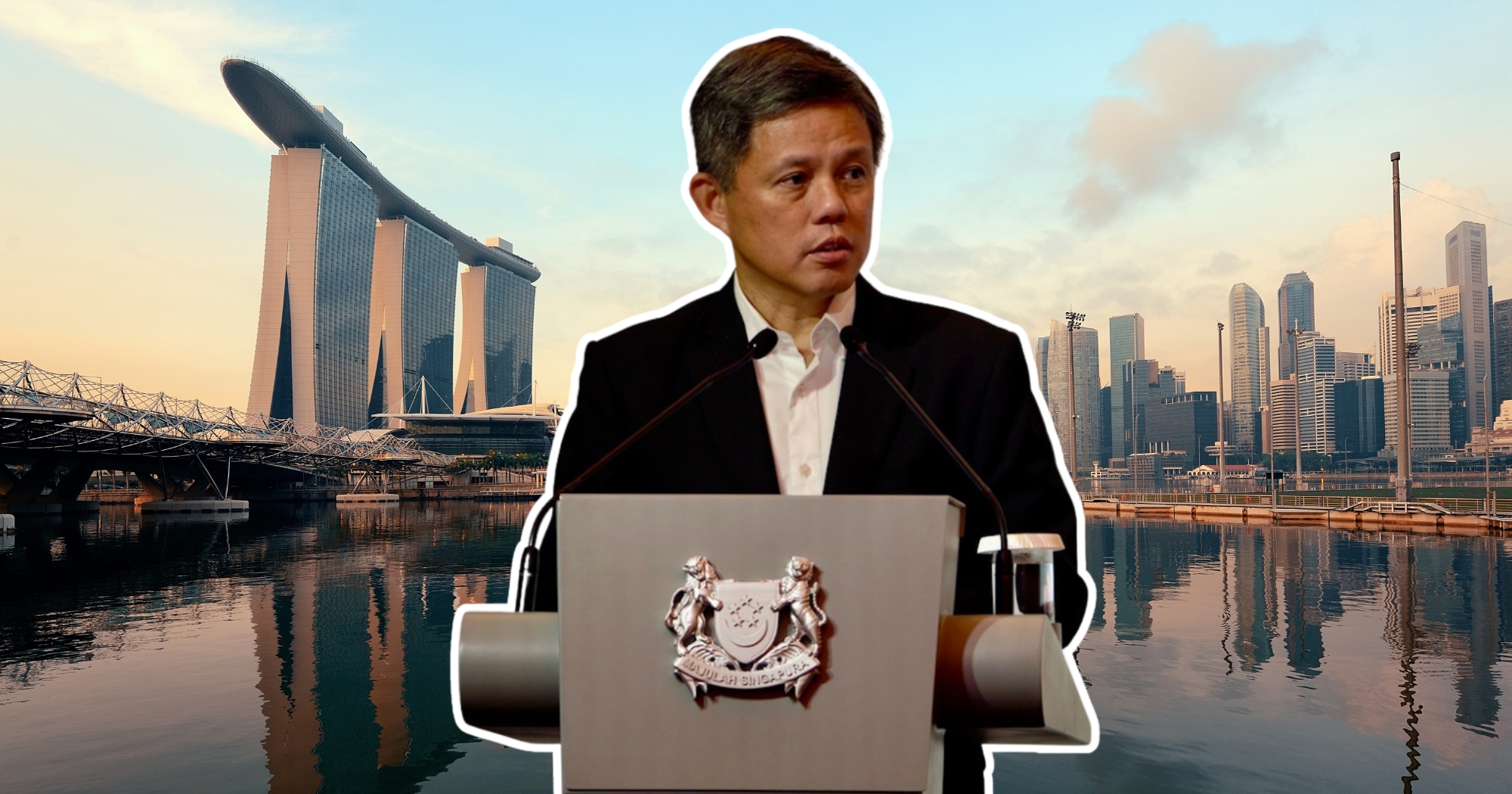
The Coordinating Minister for Public Services delivered his speech at the Annual Public Service Leadership Ceremony on Sep. 18.
September 18, 2026, 05:40 PM
Photos by Khoo Wen-en/Mothership, from Canva


As Singapore navigates a more complex and contested world, its public service can do better to create a shared understanding, said Coordinating Minister for Public Services Chan Chun Sing.
Chan said this can be done by by convening different stakeholders, listening genuinely to understand different interests, and articulating trade-offs honestly.
This includes "finding new ways to shift from doing things for our people to doing things with our people", he said.
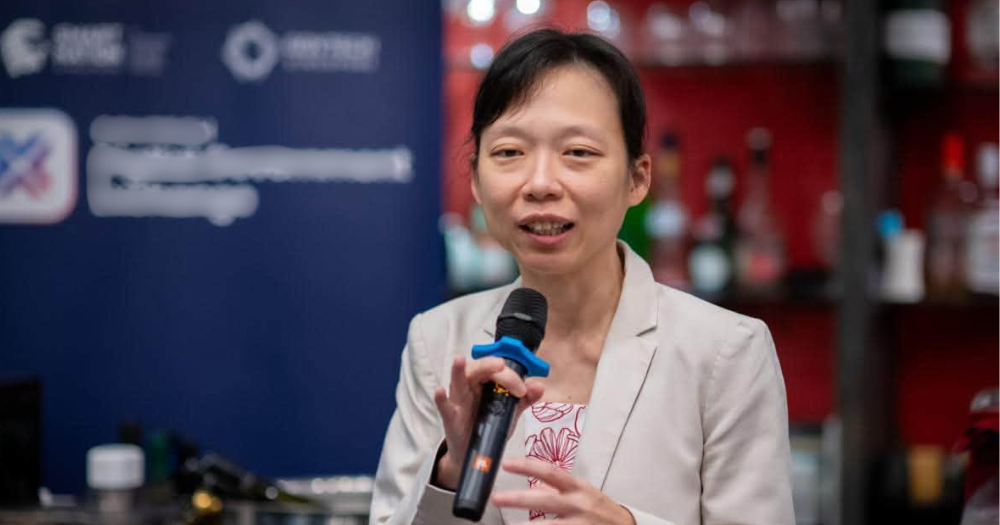
Chan was speaking on Sep. 18 at the Annual Public Service Leadership Ceremony at Marina Bay Sands, held to recognise the dedication, resilience, and leadership of public service officers.
Navigating more complex, contested world
Though Singapore has built strong institutions and a resilient economy, it remains a small, resource-constrained nation-state "deeply exposed to forces beyond its control", Chan said.
Chan added that competition is no longer confined to the military or diplomatic domains, but has spilled over into trade, technology and supply chains.
"For small states like Singapore, the room to manoeuvre will become tighter and we will face pressure to take sides," he said.
Chan pointed out that local challenges are also becoming more complex, such as the need for workforce transformation to navigate disruption by artificial intelligence (AI), while also leveraging the opportunities AI presents.
As such, he called on the public service, especially its leaders, to become entrepreneurs in three ways.
Entrepreneurs of strategic space
Firstly, the public service must become entrepreneurs of strategic space.
"We must continue to chart our own course," said Chan, adding that this involves a keen understanding of the world and Singapore's partners, and also requires forging new bilateral and multilateral partnerships.
In terms of the economic sector, he noted that Singapore has continually refreshed its network of Free Trade Agreements to keep pace with a changing global economy.
Chan also highlighted the importance of deepening external and international exposure across the public service, and encouraged officers to stay alert to overseas happenings, and pursue overseas opportunities such as through the civil service exchange programmes.
He pointed out that navigating a messier geopolitical landscape is also "an opportunity for us to create new possibilities and build new partnerships with like-minded partners".
For example, Singapore has upgraded its bilateral relationships with Australia and New Zealand to Comprehensive Strategic Partnerships, and also recently signed the world's first legally binding Supply Chain Resilience Pact with New Zealand.
By taking over the ASEAN chairmanship in 2027, Singapore will be able to bring partners together, strengthen ASEAN's relevance, and shape practical cooperation on regional issues.
Entrepreneurs of governance excellence
Secondly, Chan called on the public service to become entrepreneurs of governance excellence, to "create distinctive value for ourselves and others".
"We will not be a partner of choice simply because we say so. Others will only work with us if we continue to bring value to the relationship, and we are able to expand our portfolio of new capabilities and bring distinctive value to the table."
He pointed out that Singapore should address its national challenges in ways that develop solutions and capabilities that others find valuable.
This would encourage other countries and companies to work and learn with Singapore.
Chan gave the country's semiconductor ecosystem as an example, where Singapore has deliberately built capabilities across the semiconductor value chain.
"Today, we account for one in ten chips and one-fifth of global semiconductor equipment produced annually," he said, noting that the country has transformed into a key node in the global supply chain.
Singapore has also created new approaches to governance that benefits citizens, which other governments can learn from — for example, ServiceSG consolidates nearly 600 services from over 25 agencies through an integrated operating model.
"But the point is not a single successful initiative," Chan added.
"The point is whether we continually challenge ourselves to experiment, innovate, and reimagine what's possible."
"When we do this well, good governance is not just good public administration. It becomes a form of strategic relevance," he said.
Entrepreneurs of collective action
In that regard, Chan highlighted the importance of becoming entrepreneurs of collective action.
This means "finding new ways to shift from doing things for our people, to doing things with our people".
This means building common ground and painting a shared picture of success.
"Bringing people together seems straightforward, but to ensure that everyone walks out of the room with the same shared understanding of the bigger picture is a different challenge."
He explained that this will "require us to convene different stakeholders, listen genuinely to their different interests, and articulate trade-offs honestly to create a shared understanding".
Chan acknowledged that individuals had their preferred outcomes and strongly held personal convictions in the recent debates on Maju Forest and Gillman Barracks.
However, there is a need to "align on the bigger picture, the trade-offs and the range of considerations", which he listed as housing needs, land use, energy, transport, and even sewage planning.
In conclusion, Chan noted that one must be clear-eyed about what the public service can do.
"We do not need to possess every answer or capability ourselves," he said.
"We need to know what we must be good at and have a responsibility to decide, what others are better placed to do, and how to bring citizens, communities, businesses and Government towards a common outcome.
"And this is what I mean by being entrepreneurs of collective action."