Environment


Coral reefs at Pulau Semakau & Hantu 8,000 years old: NUS marine science director on Western islands' possible merge
The government announced the possibility of merging some of the outlying islands in the future.
August 24, 2026, 05:58 PM
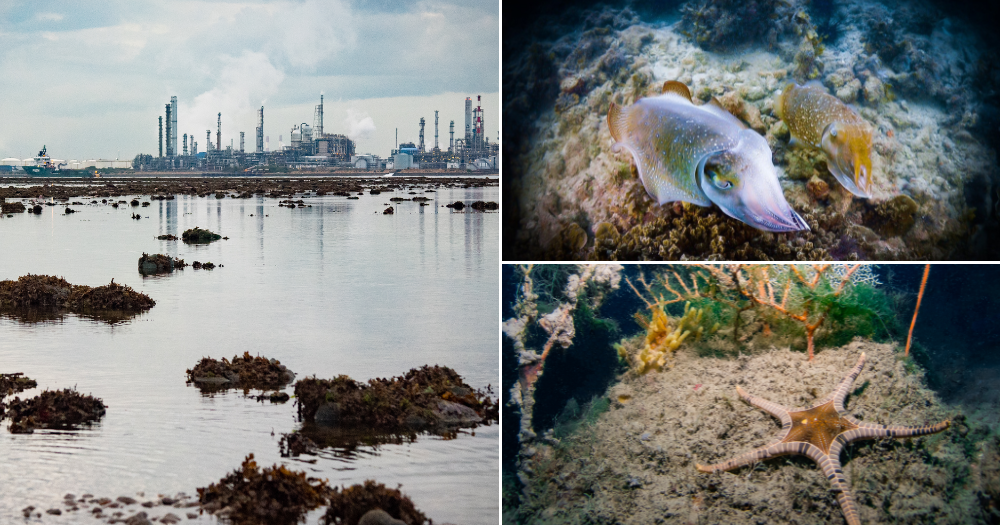
Photos courtesy of Nathaniel Soon.


The announcement of the government's intention to possibly merge several of Singapore's Western islands, which could include Pulau Semakau, Sudong and Bukom and "a few other smaller islands", has drawn reactions from the local marine community.
Prime Minister Lawrence Wong shared during his 2026 National Day Rally that the larger, merged island could provide space for industry and power infrastructure.
He added that these are long-term plans which the government is studying carefully.
Some of the reef habitats in the waters off these Western islands, such as around Pulau Hantu and Semakau, go back about 8,000 years.
Land reclamation in these marine areas will lead to the loss of ecosystem functions such as climate mitigation and ecological connectivity which these habitats provide, one marine researcher said.
However, this loss can be averted if pockets of these habitats can be conserved.
Some reefs about 8,000 years old
Speaking with Mothership, Huang Danwei, Director at the National University of Singapore's National Institute for Marine and Ocean Sciences, shared that the area of interest for the merge comprises "substantial areas of coral reefs, seagrass meadows and mangrove forests, making up significant proportions of the total area of these ecosystems in Singapore".
Pulau Hantu sits among the three islands PM Wong mentioned in his speech, while the smaller Pulau Jong is located just off the coast of Semakau.
"What stands out for some of these habitats in the potential reclamation area is that they have persisted and provided ecosystem services for a very long time, some growing and thriving even before modern Singapore was founded," Huang shared.
The reefs around Hantu and Semakau date back to about 8,000 years, and have been serving ecological functions for the communities in Singapore and the surrounding region "when this was a known fishing village", according to Huang.
Some of these functions include providing a source of food and coastal erosion prevention.
Due to the location of these reefs, they also serve as a "transition habitat" between reefs in Southeast Asia.
"Larvae of various species stopover in the ecosystems here, which thus support biodiversity and fisheries at the regional scale," Huang said.
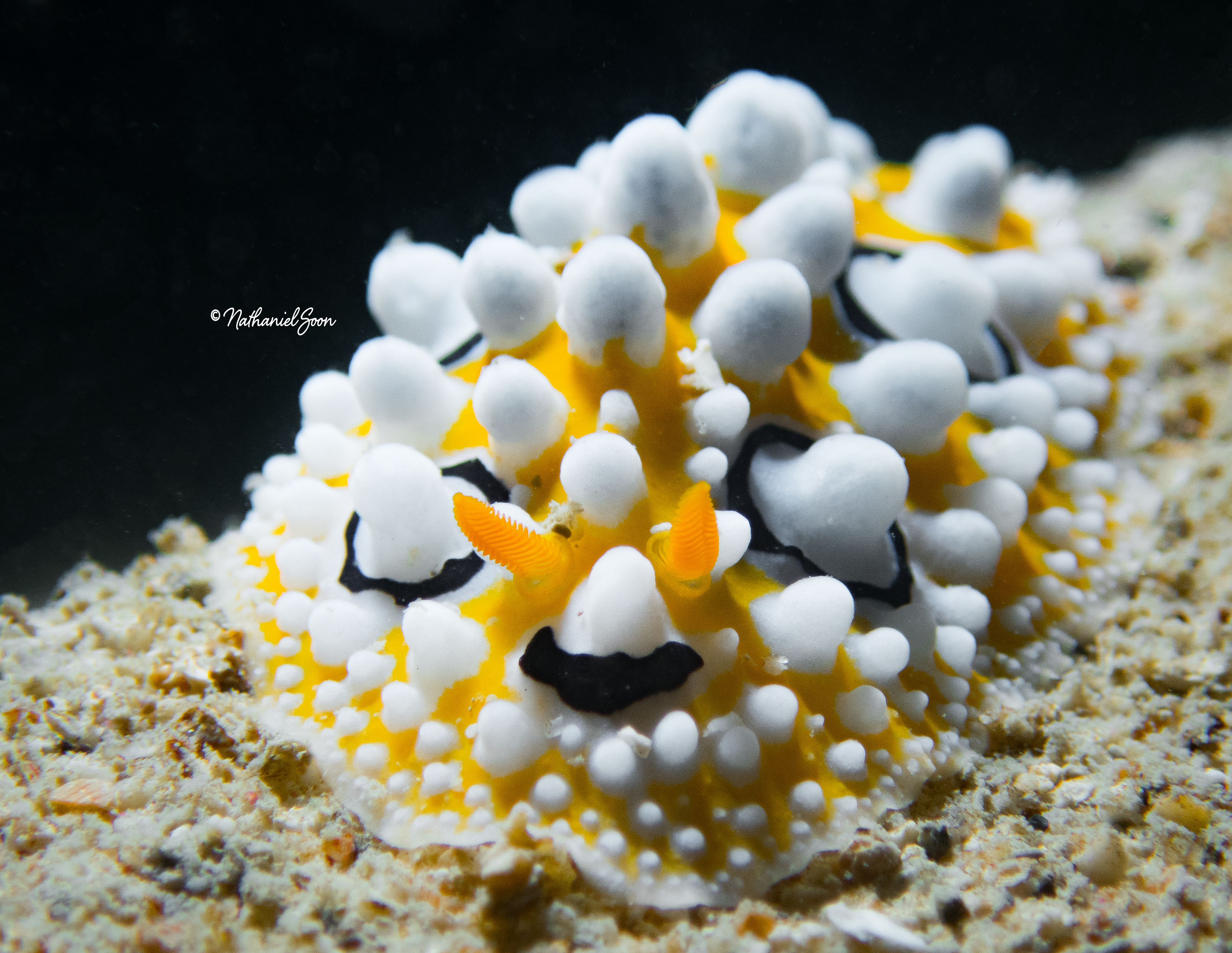 Photo courtesy of Nathaniel Soon.
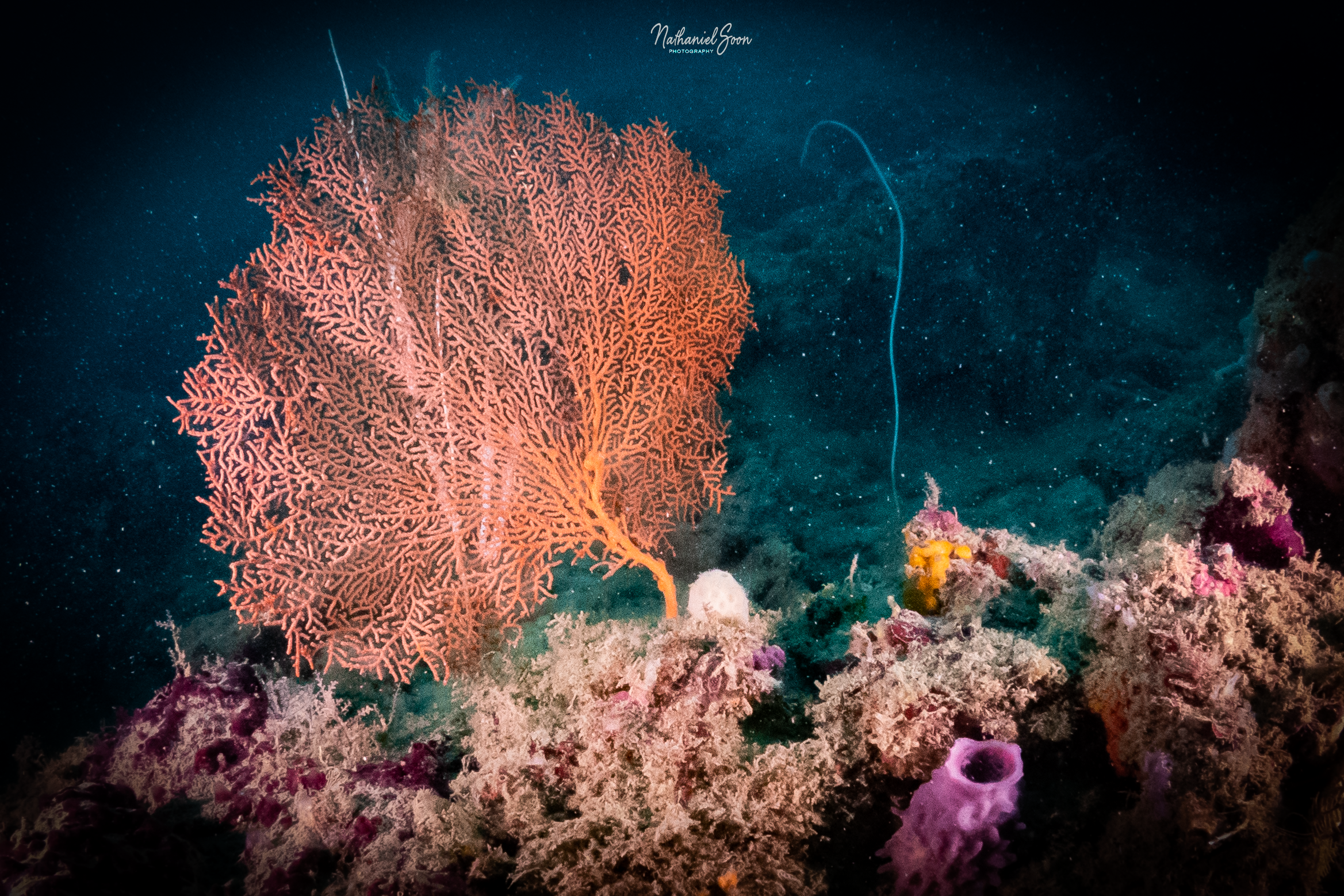 Photo courtesy of Nathaniel Soon.
"No mitigation" for the loss of these reefs
Huang also mentioned that these reefs are the "most well-studied reefs in the world", owing to their persistence through years of coastal development and reclamation.
He also said:
"Unfortunately, directly burying them for land reclamation gives them no chance of survival. Such a loss would be irreversible.
It would take another 8,000 years of suitable environmental conditions — and we're not helped by ongoing climate change — to produce such reefs again. We will also lose future ecosystem services apart from regional food security, such as new medicines and materials."
There is "no mitigation" for the loss of these reefs. Transplanted corals "will not come close" to the ecosystem functions and services of the existing reefs, Huang explained.
The loss of these reefs will also affect existing and future research.
Huang suggested that some pockets of natural coral habitats can be protected from reclamation works, and coral fragments transplanted onto adjacent reefs.
"No technology will be able to recover 8000-year-old coral reefs buried by land reclamation," Huang emphasised.
Mothership understands that Minister of State for National Development Alvin Tan is meeting with members of Friends of Marine Park on Monday (Aug. 24).
A form to collect responses and feedback from the community has also been circulating.
Other reactions
Local science content creator Biogirl MJ, who is the host of education platform Just Keep Thinking, also reacted to the news in a Facebook post.
Other marine enthusiasts similarly reacted to the potential loss of the habitats.