
Branded

Jesus Christ Superstar is more than a religious debate. It’s a powerful, musical spectacular S’poreans will love.
Do you think you’re what they say you are?
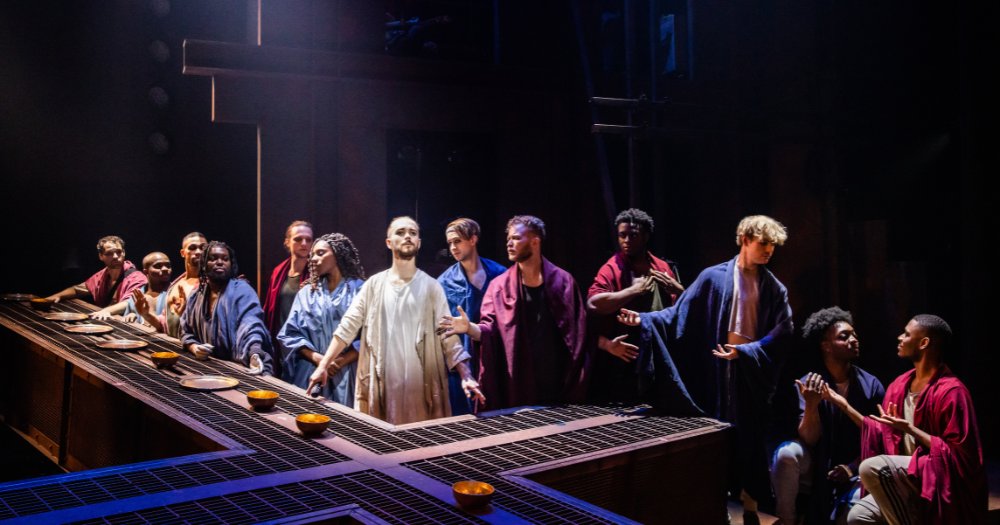
Top image via Base Entertainment Asia.
“Every time I look at you I don’t understand
Why you let the things you did get so out of hand
You’d have managed better if you had it planned
Now why’d you choose such a backward time in such a strange land?”
These lines are sung by the actor portraying a pivotal role in the cultural and artistic phenomenon, the musical “Jesus Christ Superstar (JCS)”.
But instead of being sung by Jesus, who is more of an enigmatic figure in the musical, they are given to Judas Iscariot, with the musical presented through his perspective. .
A rogue so vilified throughout the centuries that his name has become synonymous with betrayal, in JCS, Judas is re-imagined as a man struggling with the growing popularity of his friend and leader Jesus in the Roman territory of Judaea.
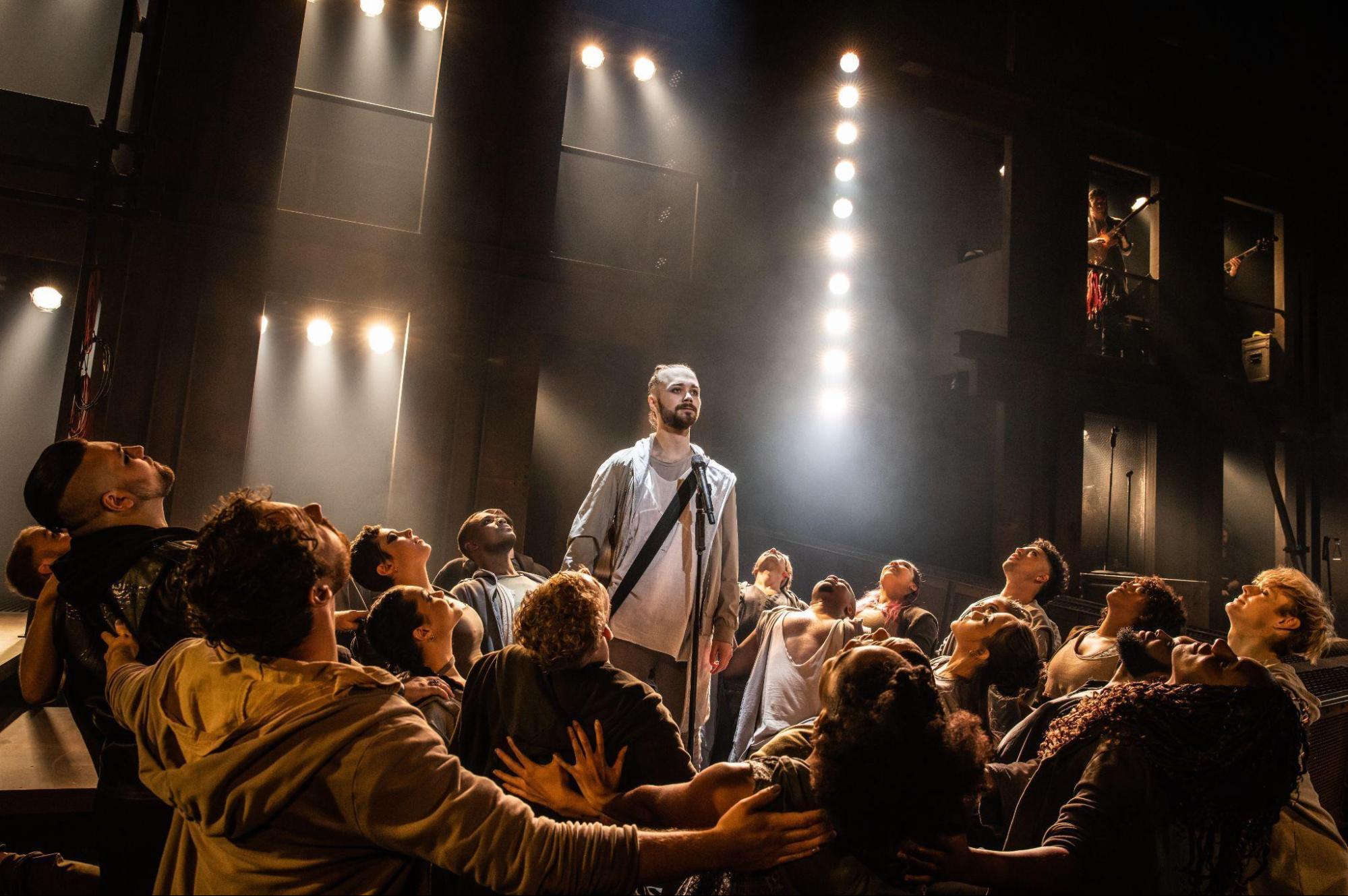 Photo via Base Entertainment Asia
A game-changer
JCS burst onto the scene in the 1970s as a concept album and then a full-blown rock opera, taking inspiration from the New Testament of the Bible, specifically the first Four Gospels.
Written by Tim Rice and Andrew Lloyd Webber, this alternative interpretation allows the time-honoured story of Jesus’s life to be viewed through a new lens.
As the musical moves from milestone to milestone in the final week of the life of the Messiah, it is the motivations and inner feelings of the characters that make the story feel different.
Mary Magdalene is portrayed as a former sex worker (historically doubtful) who is genuinely in love with Jesus. Pontius Pilate is depicted as a harried government official who does not want to sentence Jesus to death, but is swayed by the angry mob.
The Disciples get less focus, and a less flattering portrayal than they are remembered in posterity. Jesus himself has a powerful, moving song in “Gethsemane”, where he expresses his exhaustion, fear and doubt about his trials and ordained role in God’s plan.
As for Judas, instead of a stereotypical cartoon villain, he is portrayed as someone beset by genuine concern that Jesus’s movement would attract the attention of the ruling Roman regime, and result in bloody backlash against his people.
The musical boasts a stunning range of performances, from Judas’s dark musings in “Heaven on Their Minds”, Mary’s soulful vocals in “Everything’s Alright”, Jesus’s heavy metal wail in “Gethsemane” and even King Herod’s comical, jaunty little number in his self-titled song.
The growing conflict between Judas and Jesus is its heart; stripped bare of its religious and cultural links, it becomes a story that anyone can find familiar.
Haven’t you had a strong, principled disagreement with someone you considered a friend? What would you do if your friend continued on a path you considered reckless, causing danger not just to others, but to himself?
Judas’s betrayal sets the climax of the musical into motion. Both Judas and Pilate are bewildered at Jesus’s serene acceptance of his own death, which marks the end of the tale.
It is a story told countless times before, but somehow leaving you with more questions than before you sat down.
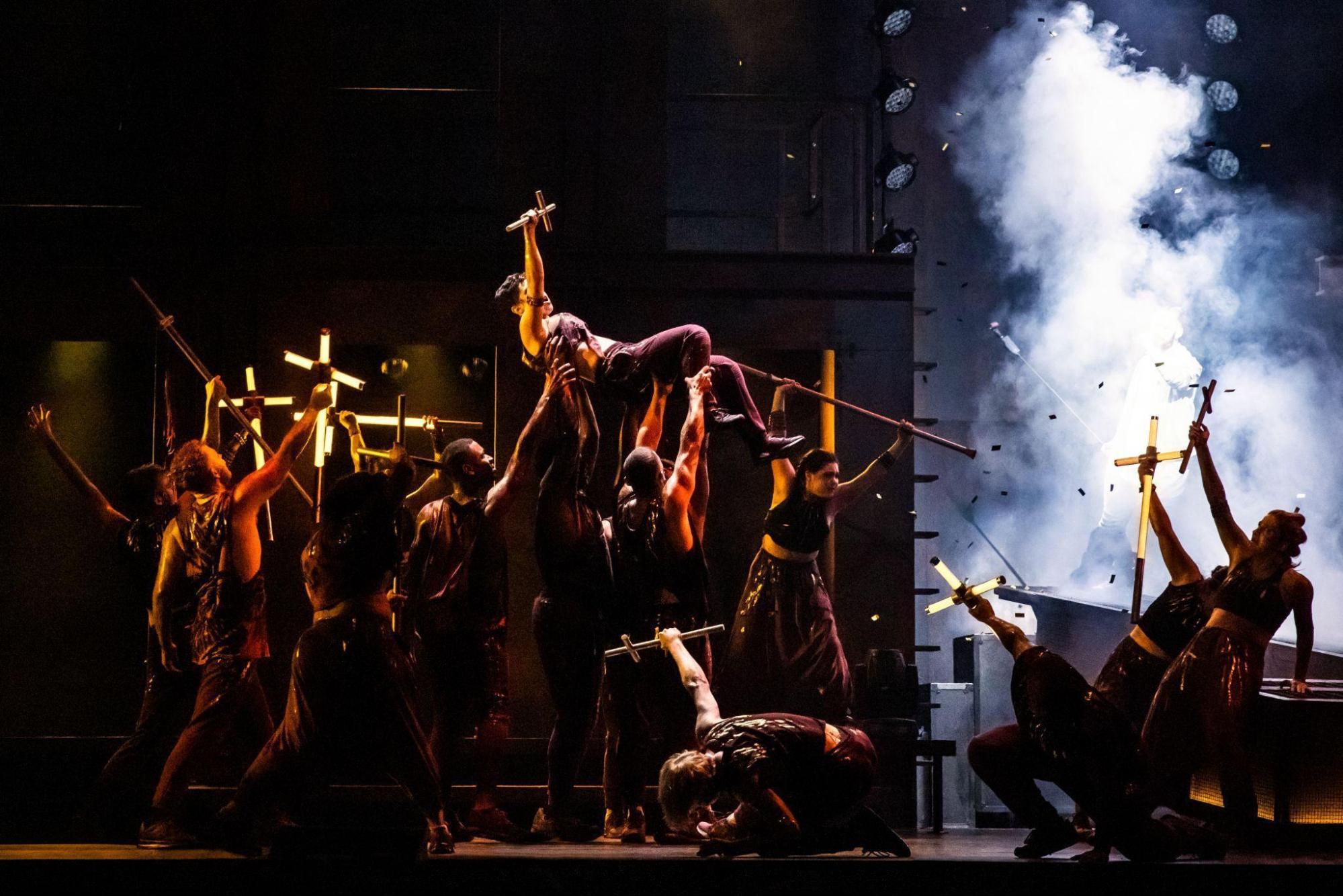 Photo via Base Entertainment Asia
Musical mavens
Regardless of the subject matter, JCS is an immensely catchy musical production in its own right.
Tim Rice and Andrew Lloyd Webber’s partnership is legendary in the musical world, responsible for blockbuster hits like “Joseph and the Amazing Technicolor Dreamcoat”, “Evita” and the 2011 stage adaptation of “The Wizard of Oz.”
For the Singaporean production, I am thrilled to see that local talents Tabitha Nauser and Frances Lee will share the role of Mary Magdalene, who gets ample opportunity to shine in the musical.
I can already see the audience tearing up during the heart-rending ballad “I Don’t Know How to Love Him”, arguably Mary’s best moment in the entire production.
 Tabitha Nauser and Frances Lee. Photos courtesy of Base Entertainment Asia.
History and controversy
JCS broke new ground in the 1970s, following a decade of counterculture hits of the stage which in turn followed simple, straightforward love stories of the 1950s.
No discussion of JCS is complete without addressing the controversy surrounding its religious elements and departure from the traditional interpretation of the Gospels.
Religion is of course a very sensitive topic, particularly in Singapore, where religious harmony is protected by the law. Back in 1974, Singapore’s Board of Film Censors banned the 1973 film version of JCS, stating that it “distorts the history of Christianity and is objectionable to followers of the faith.”
The 1973 film is noted for its particularly provocative imagery, with King Herod and the high priests performing shirtless and the setting of what appears to be a bunch of hippies staging a play in the middle of Israel and the occupied West Bank, including the Negev Desert, Avdat, Beit Guvrin’s Bell Caves, Beit She’an, the Dead Sea area, Herodium, and similar sites.
But the film was rated G (for general audiences) in America at the time. Following appeals, the movie was approved for screening in Singapore later that same year.
Several decades later, a new generation of Singaporean audiences will get the opportunity to watch the production. Instead of an automatic ban, the musical was given an Advisory 16 rating by the Infocomm Media Development Authority (IMDA) out of religious sensitivities.
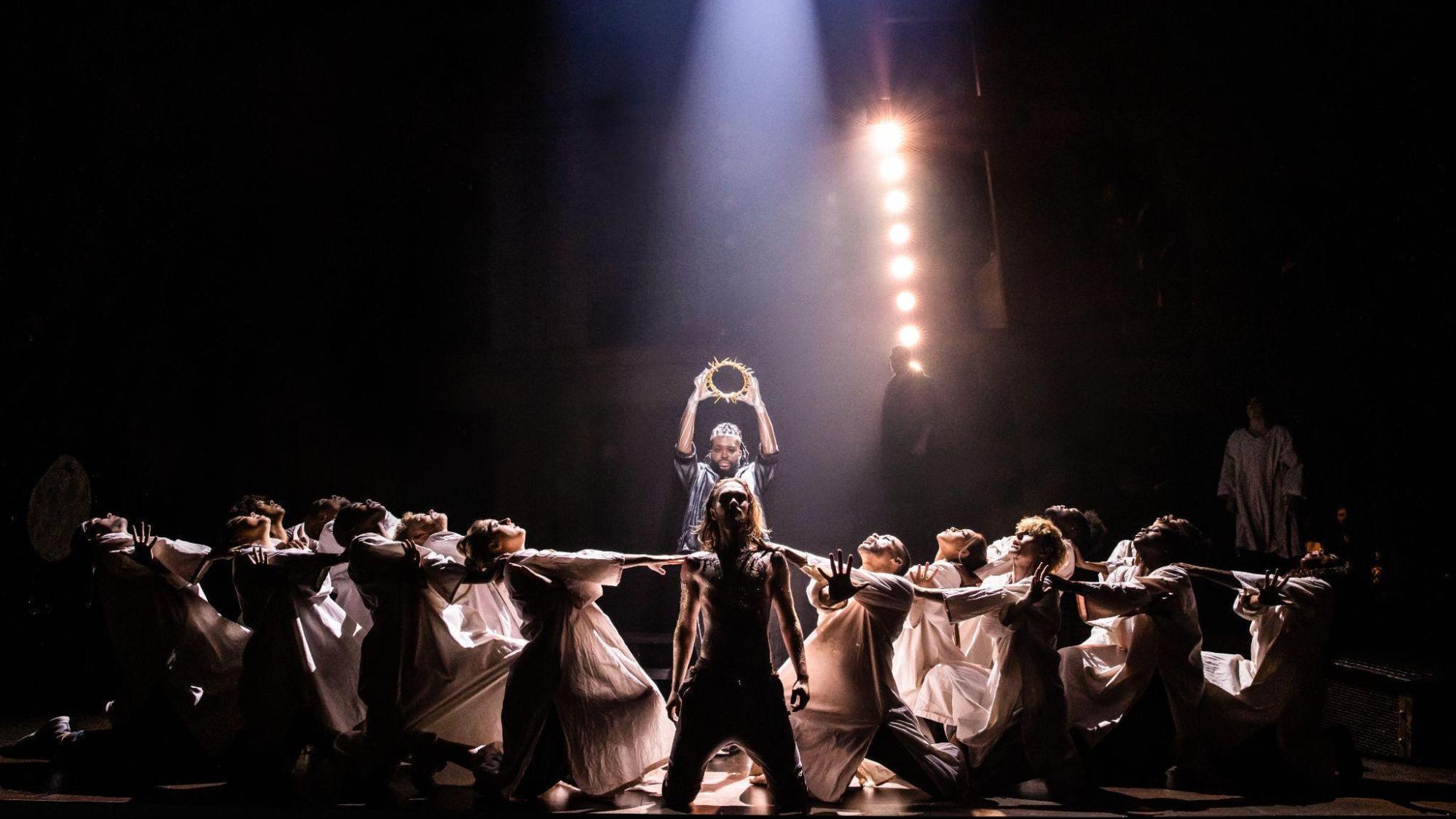 Photo via Base Entertainment Asia
An artistic work
In its statement, IMDA noted that the musical does not purport to be a religious or doctrinal account, and audiences should keep this context in mind if they view the show.
The National Council of Churches of Singapore (NCCS) also issued a statement, noting that the musical is an artistic interpretation of the final week of Jesus’s life, but leaves out key tenets of the Christian faith such as the Resurrection and Jesus’s divinity.
“Christians have diverse views about Jesus Christ Superstar. Some Christians regard its portrayal of Jesus as not only incomplete but also theologically problematic. Others have even taken offense because, in their view, the musical has blasphemously distorted the true identity of Jesus Christ.
However, there are still others who view the musical as an artistic work that provides opportunities for reflection, conversation, and even witness concerning the person and work of Christ.”
NCCS went on to say that it respects the decision of those who view the musical as deeply offensive to abstain from watching it, while encouraging those who wish to attend to engage with it in a critical and prayerful manner. Either way, it encouraged Christians to express their convictions about the musical responsibly.
The enduring popularity of JCS
Although not a Christian myself, I understand and sympathise with those who feel that any adaptation of the Bible, regardless of intent or content, is wrong.
But for those who are curious and wish to check out the production, whether they are Christian or not, I do believe the musical has immense artistic merit.
For me at least, it makes me reflect on the trials that Jesus and his followers went through, connecting it to the struggles of oppressed people in the present world, in many different countries.
It makes me question myself, if I was placed in a similar situation. How would I react? Would my inner convictions waver, or endure?
This is why I feel JCS has remained enduringly popular for more than 50 years since its debut. Its inspiration is timeless, but the questions it poses are universal, with any viewer able to appreciate the work regardless of their background.
Perhaps that’s why the production has been continually adapted over the years, updating the costumes and settings for modern times, and getting some genuinely big names like John Legend, Sara Bareilles and Alice Cooper for the 2018 production of JCS on Easter Sunday, Apr. 1, 2018.
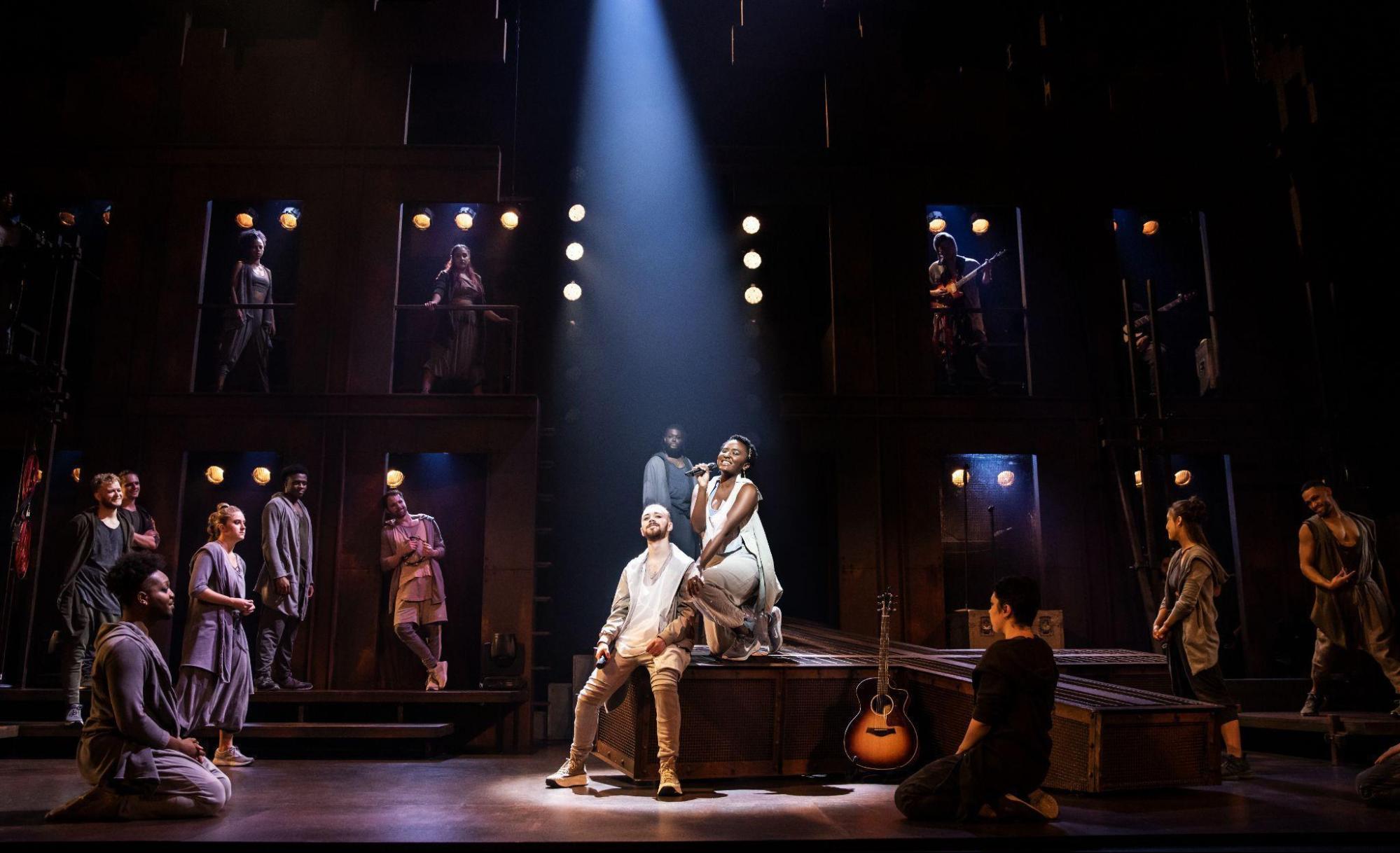 Photo via Base Entertainment Asia
I’m thankful to all who have helped in some way to bring the musical to Singapore, while also doing their best to respect the religious sensitivities and concerns involved.
I’ll be first in line at the ticketing booth, ready to be transported to a different time and place, but with all the challenges that persist in the modern day.
If you’d like to purchase your tickets, you can buy them either from Marina Bay Sands Ticketing or SISTIC.
The musical runs from Aug. 19 to Sep. 6, 2026 at Sands Theatre, Marina Bay Sands. Tickets are going for S$68 to S$208.
This branded article is brought to you by Base Entertainment Asia.