News


MDDI to relax restrictions on dialect film screenings in S'pore from Sep. 2026
Dialects are cultural heritage worth preserving, said PM Wong at the National Day Rally.
August 23, 2026, 07:12 PM
Images via Golden Village & PMO/YouTube

 The Ministry of Digital Development and Information (MDDI) will be easing restrictions for the use of Chinese dialects in pay television and movies.
More flexibility for dialect content from September
From September 2026, films with full or majority dialect content will be allowed for screening in cinemas, with no limits to the number of screenings.
This will be allowed so as long as Mandarin subtitles are shown, and a Mandarin-dubbed version of the same film is made available.
At the same time, existing restrictions for dialect content on subscription television services will be removed.
Such restrictions include allowing only one dialect art-house movie per week, and restrictions on a percentage of dialect songs on a music channel.
Mandarin will continue to be the mainstay language for free-to-air Chinese TV and radio.
Preserving dialects
The changes come as the government acknowledged that dialects are cultural heritage worth preserving, said MDDI.
It also comes in the wake of extensive online chatter over MDDI's decision to dub Teochew Chinese film "Dear You" in Mandarin in Singapore.
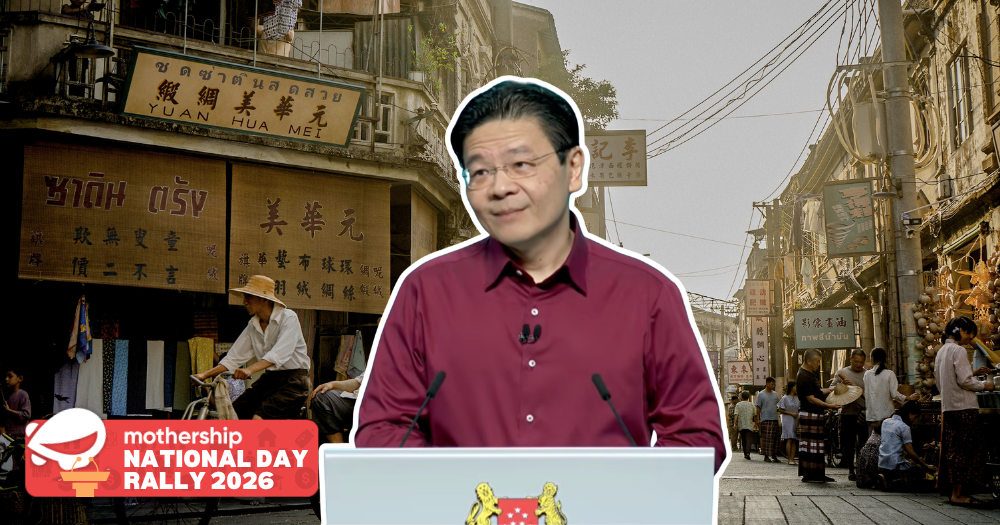
In his National Day Rally speech on Aug. 23, Prime Minister Lawrence Wong said that more room can be made for the presence of dialects in Singapore.
The government will support efforts made by clan associations in promoting this through classes and cultural activities, he said.
"I hope they will give Singaporeans more opportunities to learn about dialects, find out more about their cultural roots and strengthen our local Chinese culture."
A new challenge
However, PM Wong emphasised that the hard-won gains of the Speak Mandarin Campaign must be protected.
He elaborated that the policy enabled Mandarin instead of dialects to become the common language among Chinese Singaporeans, and laid a strong foundation for Singapore's bilingual policy.
It also connected Chinese Singaporeans with Chinese communities worldwide, he said.
Despite this, he acknowledged that the challenge today differs from before.
While the Speak Mandarin Campaign was initially used to urge Chinese Singaporeans to "Speak more Mandarin and less dialects", the challenge today is to encourage those who know Mandarin but use English more often, to speak more Mandarin.
"The more we use Mandarin, the better we will get at it. Speak more Mandarin - yes I can, so can you!"