



News


441 suicides in S'pore in 2024: Suicide the leading cause of death for those aged 10-29
Suicide is the second leading cause of death amongst adults aged 30 to 39.
July 28, 2026, 01:25 PM
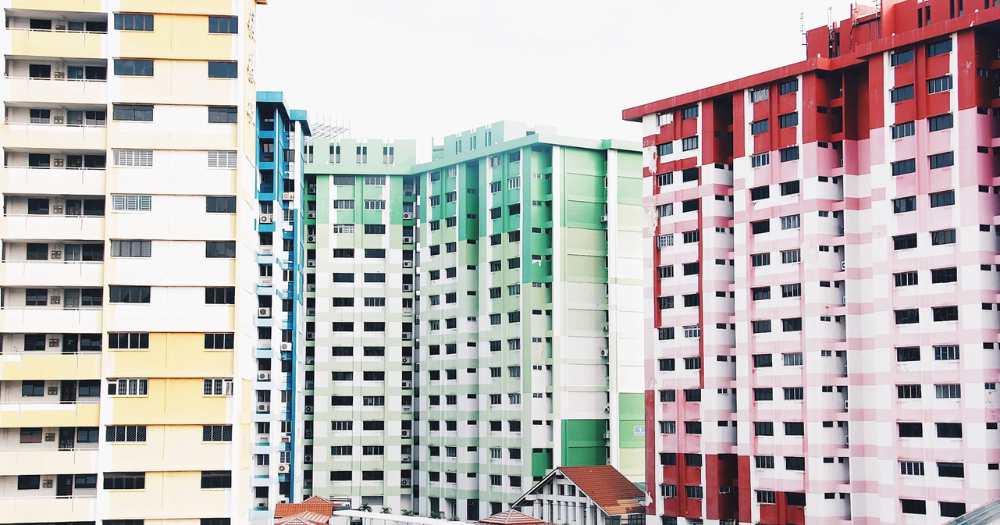
Photo from Unsplash


There were 441 cases of suicides in Singapore in 2024, an increase of 1.6 per cent from 2023, according to the Immigration and Checkpoints Authority (ICA), the Samaritans of Singapore (SOS) said in a Jul. 28 press release.
While suicide deaths showed a general decline across all other age groups, suicides among adults aged 30 to 39 rose from 66 in the previous year to 99 in 2024, a 50 per cent increase.
Findings
Other key findings were also gleaned from the numbers.
The suicide death rate is 8.23 per 100,000 Singaporean residents, an increase of 0.04.
Suicide is the second leading cause of death amongst adults aged 30 to 39.
In addition, for the seventh consecutive year, suicide is the leading cause of death amongst youths aged 10 to 29.
Among the 441 suicide deaths, 65.8 per cent are male, with 290 suicide deaths.
According to provisional data, Singapore reported a total of 256 suicide deaths in 2025.
However, the final actual number may vary substantially from the provisional number.
For 2024, the provisional figure was 314.
The final tally of 441 suicides was a 40.4 per cent increase from the provisional figure.
Complex pressures
Age and gender differences impact suicide attempts and suicide deaths.
SOS also observed through its 24-hour crisis helplines that adults aged 30 to 39 often face complex pressures and psychosocial stressors related to family, employment, and social isolation.
Meanwhile, youths aged 10 to 29 struggle with stressors related to family, education and interpersonal relationships.
For older persons aged 60 and above, key issues remain medical issues and social isolation, as they experience a decline in physical health, mobility and social connections.
While males account for the majority of suicide deaths in 2024, this trend was particularly pronounced among adults aged 60 and above, where there were three times the number of males lost to death by suicide than females.
Males more isolated, less likely to seek help
Existing research also suggests that males are more socially isolated, more reserved in seeking help when experiencing emotional distress, and are more likely to use highly lethal means in suicide attempts.
In contrast, females accounted for approximately one-third of suicide deaths.
Some 62.5 per cent of suicide-related calls and texts received by SOS in 2024 were from female service users.
This pointed to higher rates of women’s help-seeking behaviours related to pressures of differing societal roles and norms such as caregiving and gender-based violence.
“These should not just be numbers. Behind each one is a parent who still lies awake wondering what they missed, a friend who wishes they had called back," said Jared Ng, medical director, psychiatrist, and senior consultant at Connections MindHealth.
"The moments that matter most are rarely dramatic. They are small. Someone noticing a friend has gone quiet, and asking again, even when the answer was ‘I’m fine’," he explained.
Ng added that prevention happens "in the ordinary moments between people who care enough to ask twice".
Efforts
According to SOS, suicide is a complex mental health issue influenced by multiple factors.
Those factors include social determinants, such as unemployment, lower educational outcomes, income equality, housing insecurity, adverse childhood experiences, exposure to violence, physical and mental disabilities, and social isolation.
Every 13 hours, Samaritans of Singapore (SOS) de-escalates and prevents one person from risk of suicide through crisis intervention.
Over the past year, SOS responded to more than 55,000 calls and chats via its 24-hour hotline and CareText services.
Beyond its crisis helplines, SOS also provided in-person counselling services and support groups to more than 1,200 individuals experiencing emotional crisis.
SOS also seeks to strengthen early intervention through prevention efforts.
The Be A Samaritan (BAS) programme aims to equip more individuals to recognise distress early, start conversations, and guide those in need towards appropriate support.
In the past financial year, SOS has also trained over 2,000 individuals across workplaces, schools, and communities, with more than 90 per cent reporting increased literacy and confidence in responding to conversations around suicide.
SOS is also developing partnerships with several organisations to customise the BAS programme to specific needs and widen the safety nets in the community.
Recognising that suicide prevention is a shared responsibility, SOS will convene its flagship suicide prevention symposium, SONDER: Where Resilience Meets Collective Hope, on Sep. 10 in conjunction with World Suicide Prevention Day.
Local and international experts, practitioners, and community leaders will be brought together for the symposium.
Emerging trends, evidence-informed practices, and collaborative approaches to strengthen suicide prevention across Singapore and the region will be explored.
Helplines
If you or someone you know are in mental distress, here are some hotlines you can call to seek help, advice, or just a listening ear:
- National mindline.sg Hotline: 1771 (24 hours)
- National mindline.sg WhatsApp: 66691771 (24 hours)
- SOS 24-hour Hotline: 1-767
- Singapore Association for Mental Health: 1800-283-7019
- Centre for Domestic Employees: 1800 225 5233 (24 hours)
- Foreign Domestic Worker Association for Social Support and Training: 1800 339 4357 (24 hours)
- HOME (migrant worker): +65 6341 5535 (WhatsApp/ Viber/ SMS)