News


MTI to be renamed Ministry of Energy, Trade & Industry, helmed by Gan Kim Yong & Tan See Leng
Reflects the ministry’s growing focus on energy matters.
July 22, 2026, 06:00 PM
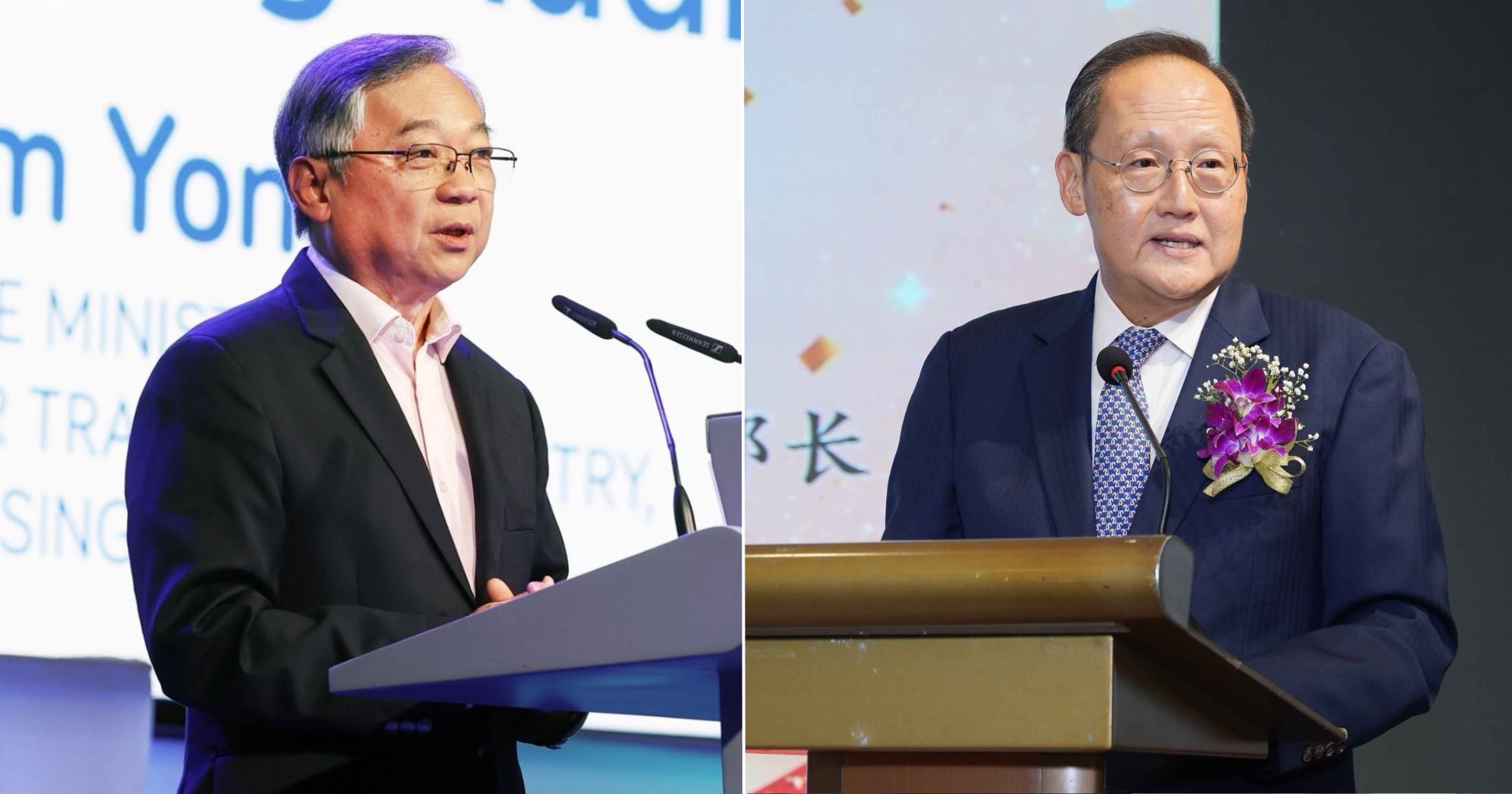
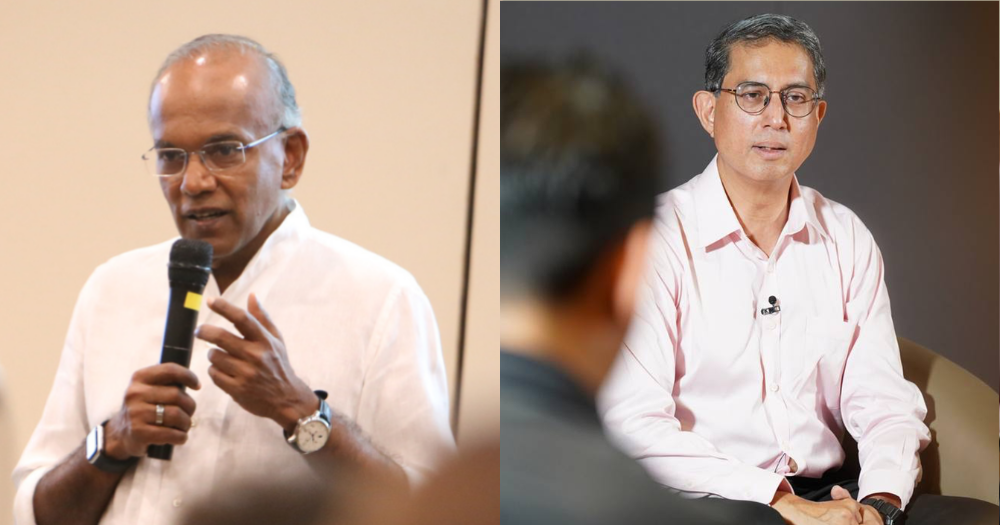
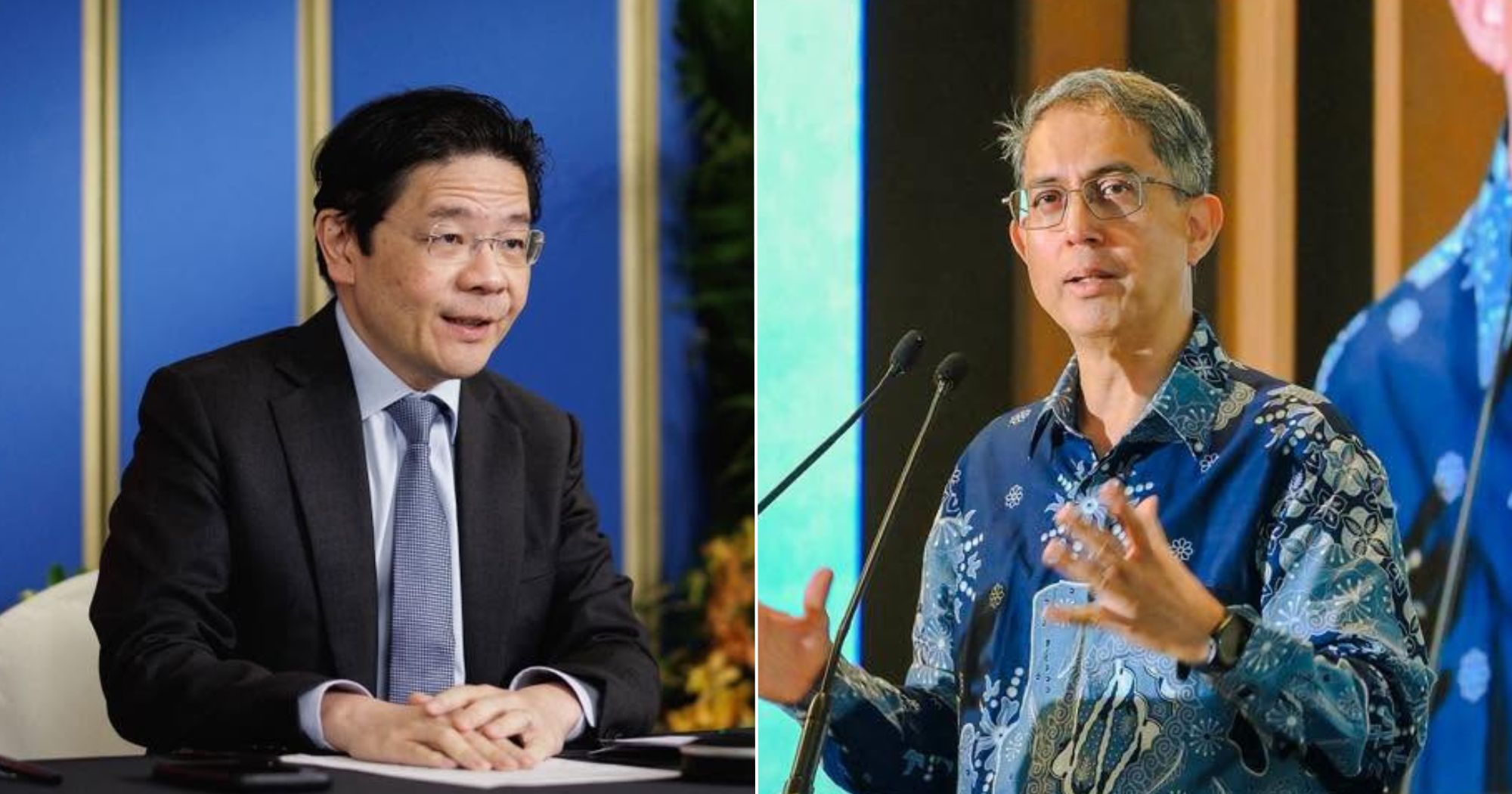
Photo from Gan Kim Yong/Facebook and Tan See Leng/Facebook


The Ministry of Trade and Industry (MTI) will be renamed to the Ministry of Energy, Trade and Industry (METI) with effect from Oct. 1, 2026.
Prime Minister Lawrence Wong announced the new name during the Cabinet reshuffle on Jul. 22.
PM Wong said that energy is becoming increasingly central to Singapore's economic competitiveness, industrial transformation and long-term resilience.
The new name reflects the ministry’s growing focus on energy matters, which are vital to Singapore's economic competitiveness and future, the government said in a press statement.
Led by two ministers
The ministry will also be led by two ministers, PM Wong announced.
Deputy Prime Minister (DPM) Gan Kim Yong, who is the current Minister for Trade and Industry, will continue to oversee trade and broader economic strategy.
Tan See Leng will relinquish his role as Minister for Manpower Jul. 27, and take on a new role as Minister for Trade and Industry (Energy and Industry).
PM Wong shared that Tan will oversee energy and industry, adding that he has already been closely involved in these areas as the Minister-in-charge of Energy and Science & Technology.
“Now, he will devote his full attention to this portfolio, and relinquish his responsibilities at MOM,” PM Wong said.
In response to questions about the splitting of responsibilities between the two ministers, PM Wong explained that energy is a "very key segment" of the ministry's work, making the scope of work for the ministry larger.
"It's not just a matter of name, but it reflects the central role that energy plays, and because the work of METI is now so large, we think, and I think it's appropriate for two ministers to helm it," he added.
PM Wong further explained that Gan will continue to focus on trade, which he described as "a lot of work".
"Because we have to do lots of travelling — and in today's environment with the sort of geopolitical changes we are experiencing — a lot of negotiations around trade, as you might expect," he said
Separately, as energy and industry are becoming more important, having a co-minister rather than a second minister leading these portfolios felt "appropriate", he said.
He also noted that this is "somewhat unique, but not unusual", citing how there were previously two ministers in the education portfolio from 2015 to 2018.
Why not an energy ministry?
On the rationale for not establishing a separate energy ministry, PM Wong said that while he is not ruling it out in the future, the energy role and work is still "growing" at this juncture.
"It's not stabilised yet, and it's not clear how it will evolve in the next few years, depending on decisions we make, depending on the feasibility studies we are undertaking," he said.
He explained that they might make a move to "restructure" further when it is necessary to do so.
"So I'm not ruling it out, but I think this move is necessary for now, and appropriate for now, given today's circumstance."
Energy is an existential resource
The ministry said in a press release that energy is an "existential resource" for Singapore, just like water.
The ministry also laid out steps they had taken to secure Singapore's energy future in recent years:
a. Constructing a second LNG terminal and centralising gas procurement for the power sector;
b. Ramping up efforts to deploy solar energy across all viable surfaces, including rooftops and reservoirs;
c. Pursuing new partnerships to import low-carbon electricity from our ASEAN neighbours;
d. Studying seriously the viability of various low-carbon energy technologies, especially nuclear energy; and
e. Launching an S$800 million “Decarbonisation Grand Challenge” to fund technological advancements critical to Singapore’s decarbonisation.
This renaming therefore reflects "Singapore’s growing focus on energy, and how it remains vital to our economic growth, climate goals, and national resilience," the ministry said.
It added that there are three critical challenges to address.
Firstly, economic growth depends on continued access to "stable and competitively priced energy", it said.
Secondly, there is also a need to balance this with the transition to a low-carbon economy according to Singapore’s 2050 net-zero ambitions.
The minister said this is a "challenging task", given that Singapore is alternative-energy disadvantaged.
Lastly, the ongoing conflict in the Middle East and disruptions to global energy supplies are a reminder that energy security "cannot be taken for granted", the ministry emphasised.
"METI will work with all Singaporeans and businesses to build a secure, affordable, and sustainable energy system that will power our next phase of growth and development," it said.