News


Sale of flower garlands subject to GST, IRAS reminds nightclub operators
According to IRAS, the transaction constitutes a supply of services.
July 09, 2026, 11:40 AM
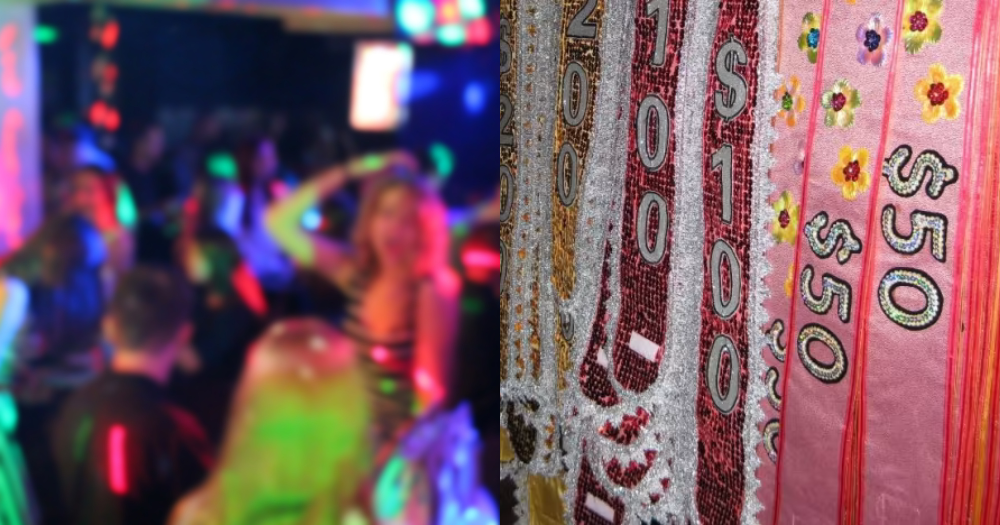
Photos from Canva and IRAS (for illustrative purposes only).


The Inland Revenue Authority of Singapore (IRAS) has issued a reminder to some nightclub operators of their tax obligations relating to the sale of flower garlands.
Supply of service
At some nightclubs, customers purchase flower garlands, to present to performing artistes.
These can cost S$500 or more.
According to IRAS, these transactions are generally considered taxable supplies under the Goods and Services Tax (GST) Act.
When customers purchase flower garlands, they are not simply buying flowers or giving a voluntary tip.
Instead, they are paying for the right to publicly honour a performing artiste and participate in the entertainment experience offered by the night club.
As such, the transaction constitutes a supply of services and is subject to GST.
Amount subject to GST
IRAS also clarified a common misconception that GST applies only to the portion of the payment retained by the nightclub.
This is incorrect, it said.
For example, if a customer pays S$500 for a flower garland, the entire amount is subject to GST, as it represents the full value of the service supplied by the nightclub acting as the principal.
The authority added that all revenue from flower garland sales must be recorded as part of the nightclub's gross income for tax purposes.
Payments made to performing artistes, whether in the form of salaries or a share of flower garland sales, may qualify as deductible business expenses.
However, IRAS warned that some establishments have attempted to artificially split income across multiple entities operating from the same premises.
For instance, flower garland revenue may be attributed to a separate entity while the nightclub continues to manage the operations behind the scenes.
IRAS stated that it may regard such arrangements as tax evasion if they lack a genuine commercial purpose and are intended solely to reduce taxable income or avoid GST registration.
Withholding tax considerations
The authority also highlighted withholding tax obligations, noting that many nightclub performing artistes are non-residents.
According to IRAS, the income of non-resident performing artistes, including salaries and their share of flower garland sales, is subject to a 15 per cent withholding tax under Section 45GA of the Income Tax Act.
This is because they are classified as public entertainers.
Nightclub operators are required to file and pay the withholding tax to IRAS by the 15th day of the second month from the date of payment to non-resident performing artistes.
"The tax treatment of flower garland sales in nightclub establishments hinges on three key factors: the nature of transaction, the contractual relationships involved and the specific facts of each case," IRAS said.
"To avoid inconsistencies and potential disputes, establishments must maintain proper record keeping and ensure compliance with IRAS guidelines."