Environment


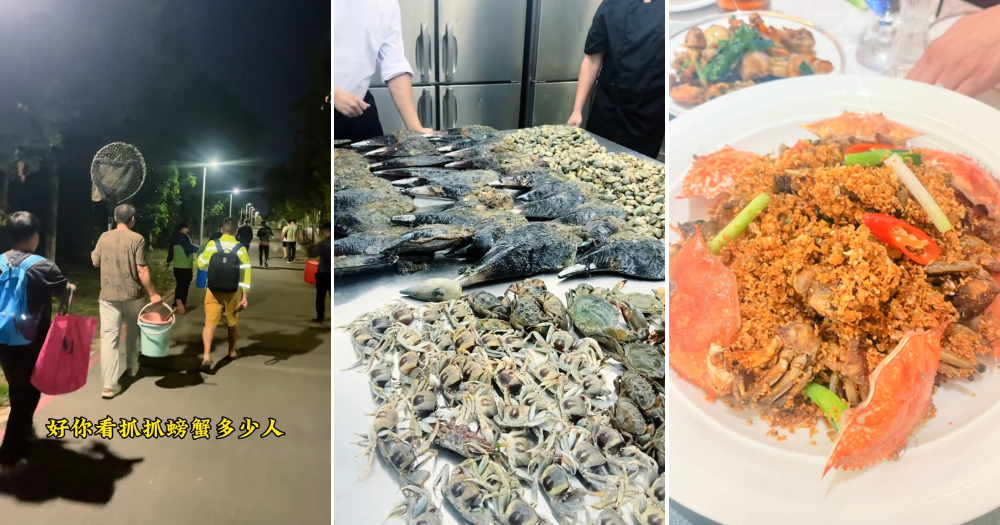
Group films themselves foraging large amount of marine life from Changi, allegedly cooks them after
NParks urged the public to protect our intertidal habitats, which are "fragile and critical to the health of the ecosystem".
July 23, 2026, 03:51 PM
Screenshots via Douyin.


Some concerns were raised by commenters online after social media videos showing groups of people foraging in intertidal areas off Singapore's coast were shared in a Facebook group.
The concerns were about the quantity of wildlife gathered.
Pails to plate
In the Facebook group Complaint Singapore, one user shared on Jul. 13 screenshots and a video of a group of individuals gathering and foraging in an intertidal area with pails in hand.
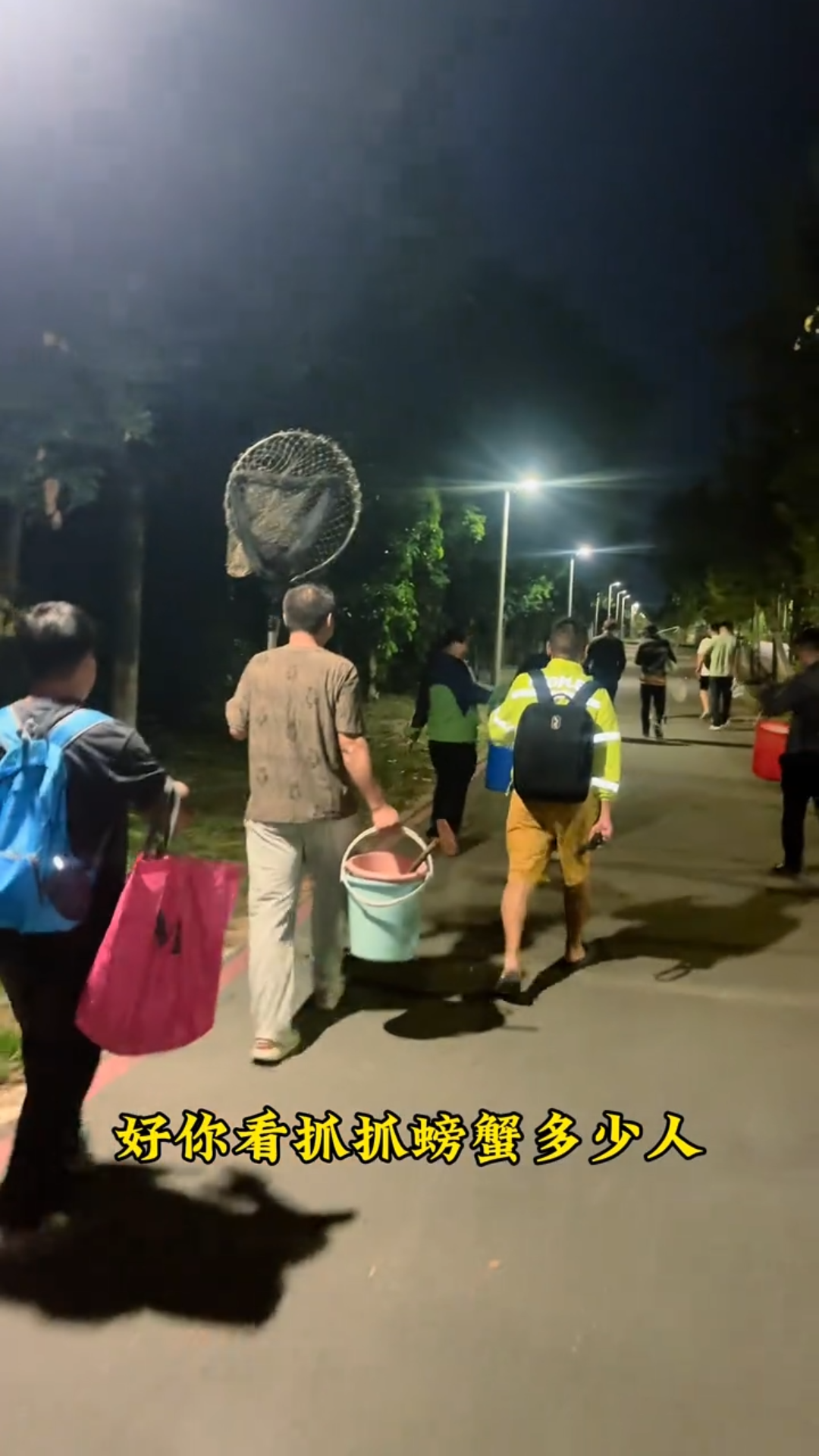 Screenshot via Douyin.
 Gif via Douyin.
The gathered wildlife was later laid out on a table in a restaurant kitchen.
They include a number of molluscs, including what looks to be fan clams and crabs.
Plates of cooked food were later seen on a dining table.
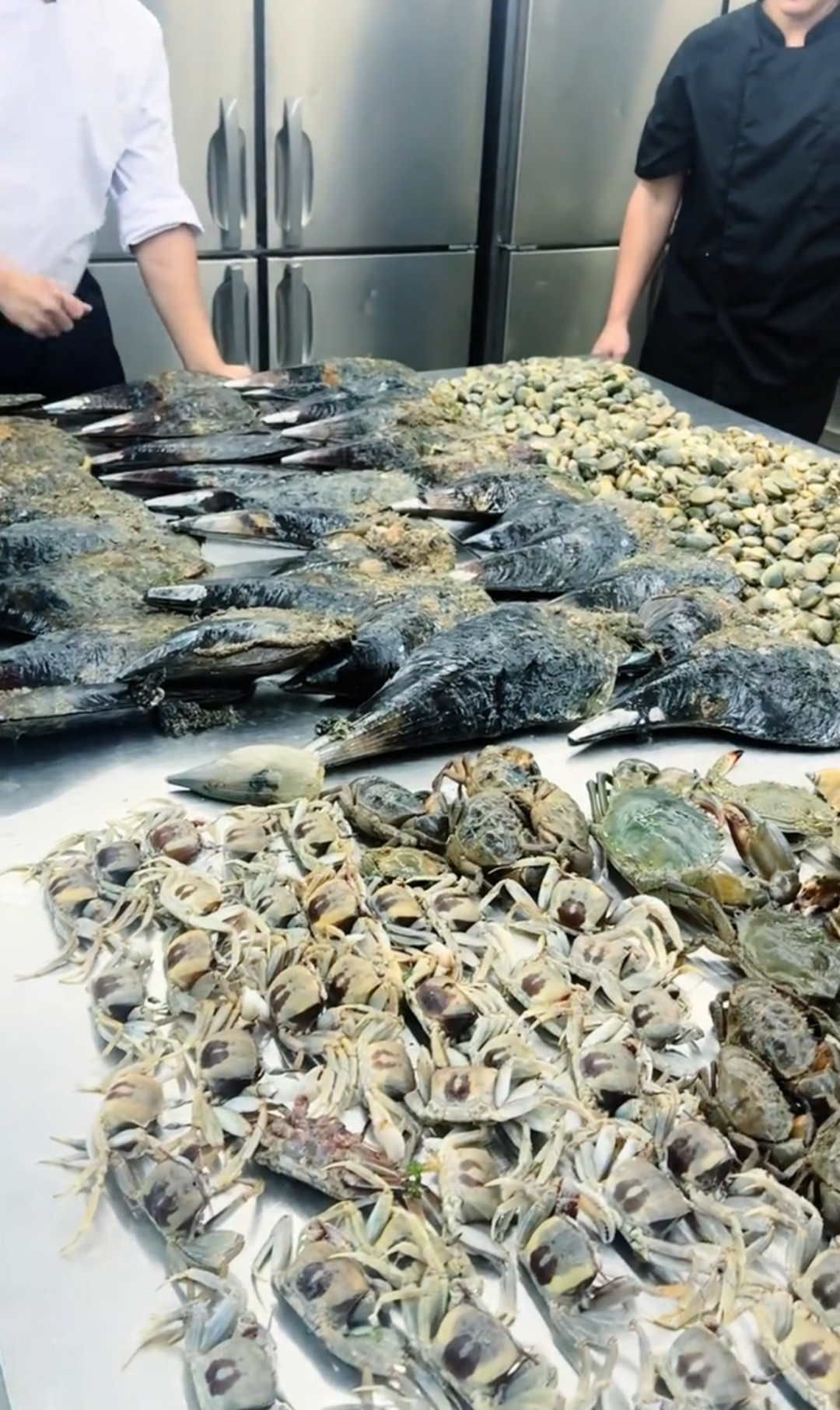 Screenshot via Douyin.
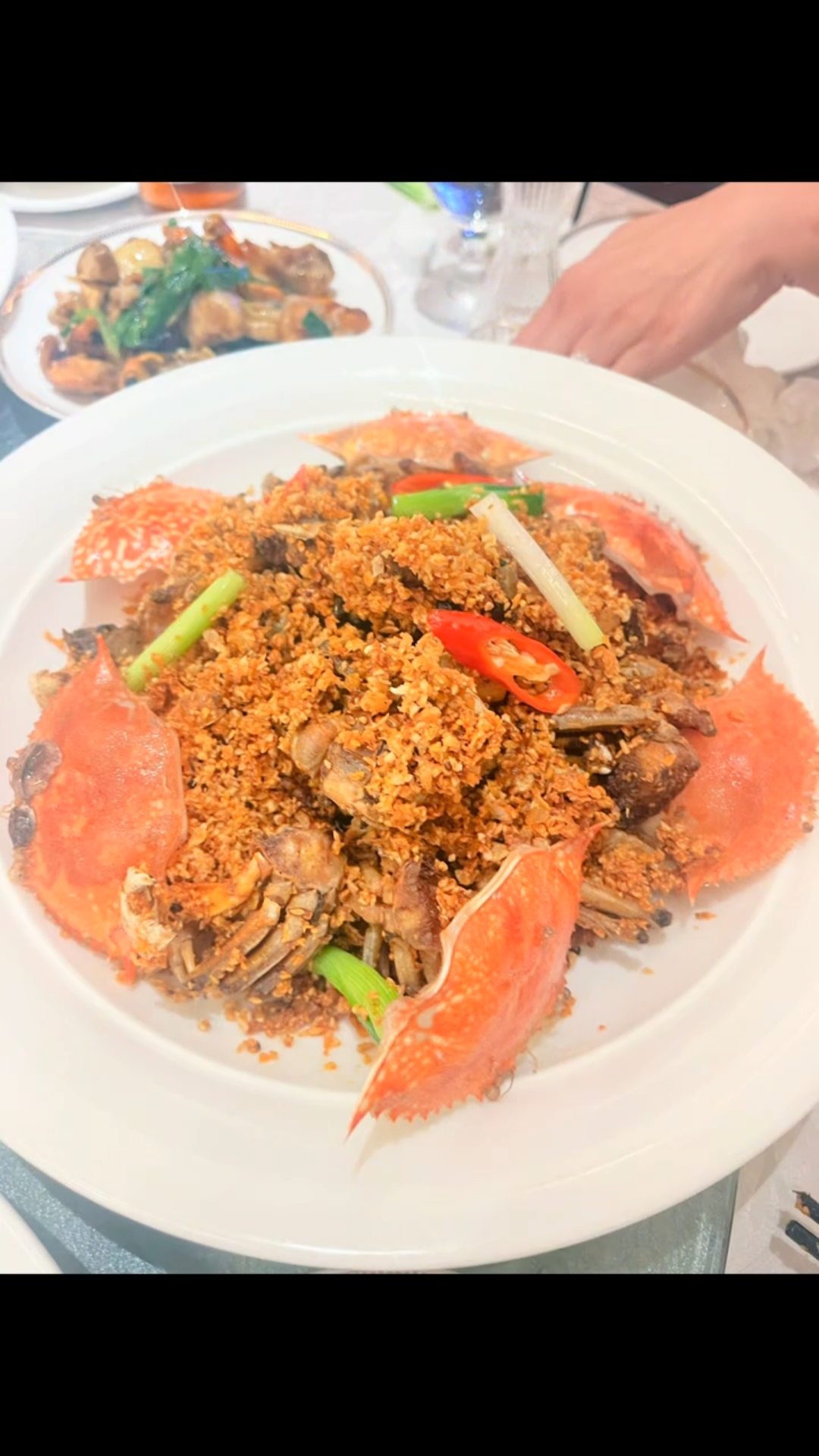 Screenshot via Douyin.
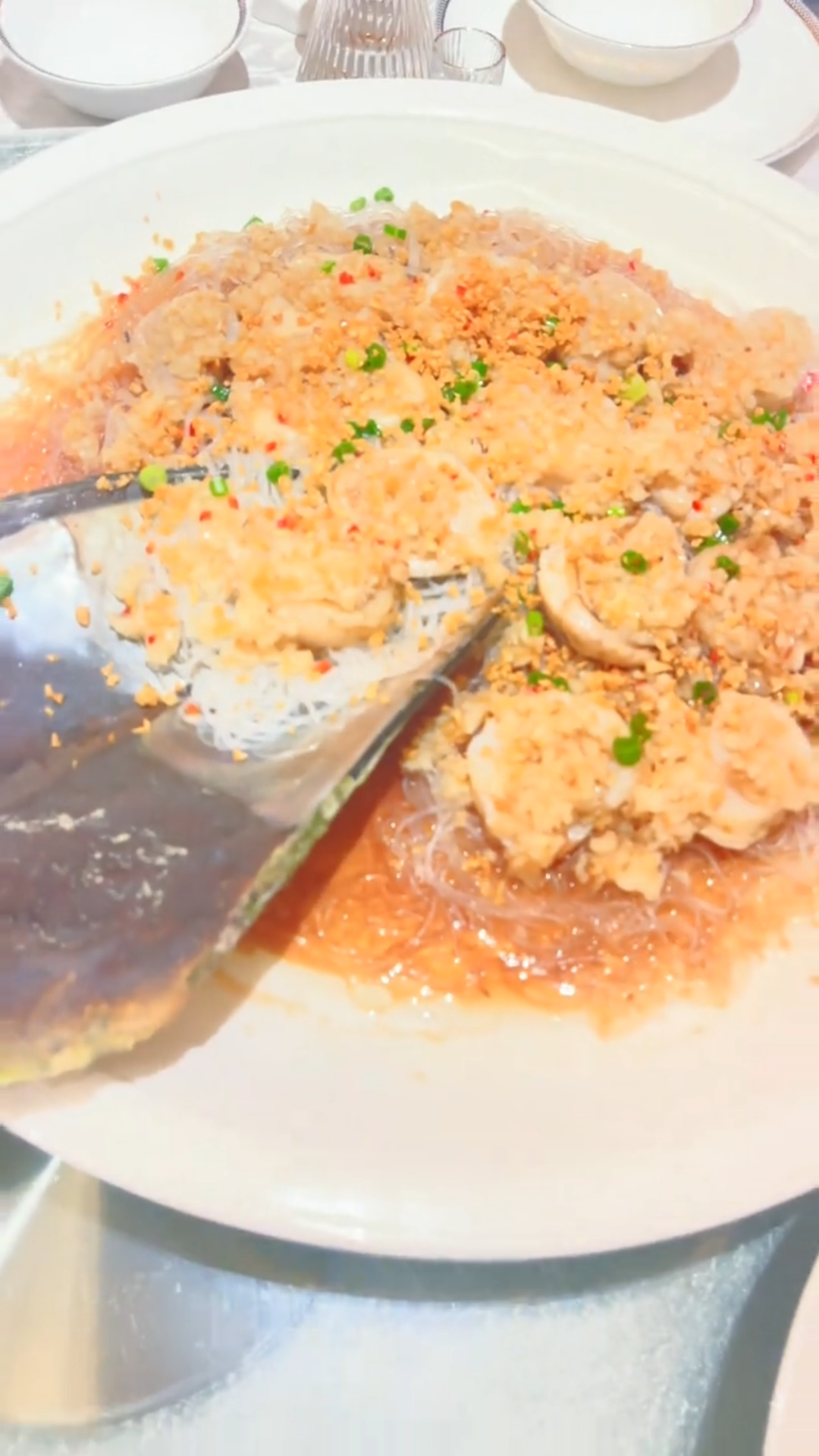 Screenshot via Douyin.
The video was originally posted on the Chinese social media platform, Douyin.
The Facebook user who shared the post noted that they were not against coastal foraging.
"However, what is concerning is the frequency of their visits and the volume of marine wildlife they harvest during each trip."
The user also highlighted how the group appeared to be foraging "with little consideration for the sustainability of our coastal ecosystem".
"There is a saying: 'Take only what you need'. But this group appears to be bagging almost every form of marine wildlife they come across."
Intertidal foraging
Checks on Douyin showed that the foraging trips appeared to be organised by the user who shared the video.
On his account, the user references the term "gan hai", which is the Mandarin slang referring to the trend of intertidal foraging.
The trend has grown popular due to social media, and has drawn large crowds to places such as Sembawang jetty, Lianhe Zaobao reported.
Replying to comments on his page, the Douyin user shared that the location they visited was in Changi.
In some posts, the user invites others to join the community.
Removal of wildlife from habitats disrupts ecosystem: NParks
Responding to Mothership's queries, Karenne Tun, Group Director at the National Parks Board's (NParks) National Biodiversity Centre, said it is aware of a social media post on intertidal foraging and "seeks the understanding of the public to protect our intertidal biodiversity".
Noting that intertidal habitats are "fragile and critical to the health of the ecosystem", Tun urged visitors to protect them by practising responsible etiquette when visiting such habitats.
This includes refraining from touching, collecting, or trampling on any wildlife.
Tun also said, "The removal of wildlife from their habitats, including intertidal zones, harms our biodiversity and disrupts our ecosystems. Each species plays a unique role in its ecosystem, and their removal can have far-reaching consequences on ecosystem services such as pollination, seed dispersal and nutrient cycling."
"This in turn affects the ecological resilience of our natural habitats. Removing wildlife from their habitats also endangers their population, especially for species which are already threatened," she continued.
The public who are unfamiliar with the marine wildlife species may also endanger their own safety as they may not recognise poisonous, stinging or venomous marine wildlife, Tun cautioned.
According to Tun, NParks restricts the collection of animals from intertidal zones under its jurisdiction.
These zones include Sisters' Islands Marine Park, Sungei Buloh Wetland Reserve, Labrador Nature Reserve's rocky shore and Chek Jawa Wetlands.
For intertidal areas outside its jurisdiction, Tun says it focuses on public education on best practices and how visitors can interact responsibly with marine wildlife.
"NParks is committed to encouraging community stewardship of our natural habitats and biodiversity in our City in Nature. The public can also play their part in safeguarding Singapore’s marine environment by participating in our Intertidal Watch citizen science programme," Tun said.
NParks has more information on intertidal etiquette on its website.