Features


Bo dai bo ji: Why do S'poreans even care about a Teochew movie they can't understand?
An opportunity for some introspection.
June 24, 2026, 12:19 PM
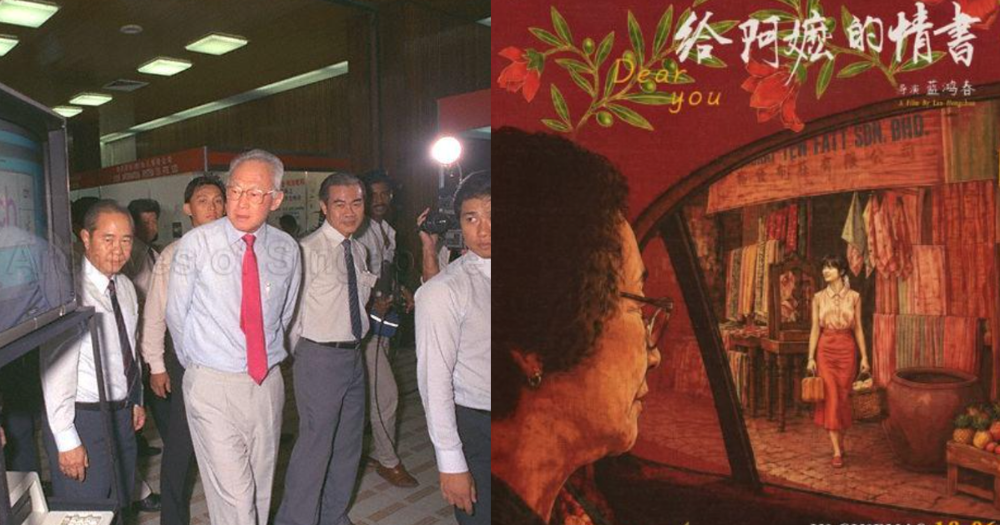
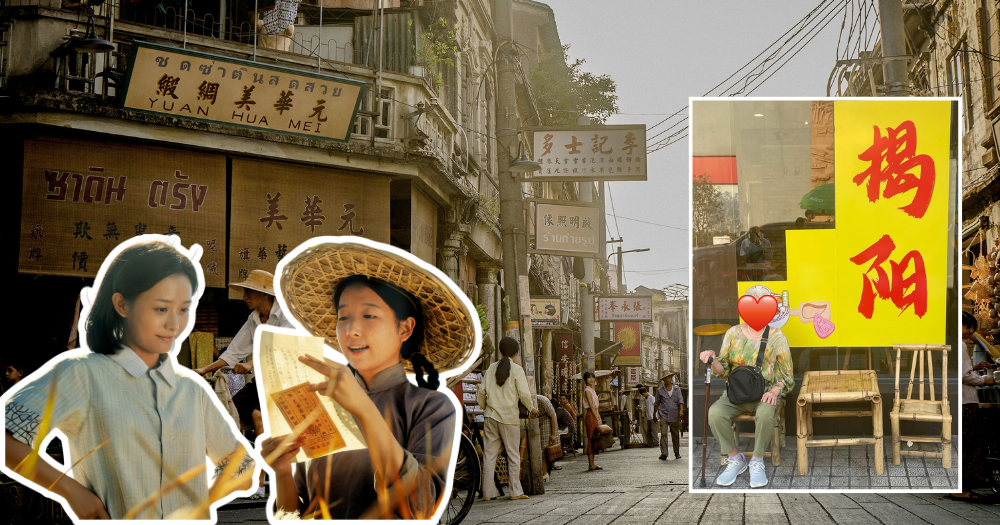
Photo from National Archives of Singapore and Golden Village


Statistically speaking, most Singaporeans don't speak Teochew.
But when news broke that the Chinese film "Dear You", originally filmed in Teochew, would be dubbed into Mandarin here, there was a sense of general perturbation.
MPs, like the PAP's Cai Yinzhou and WP's Kenneth Tiong, spoke up about the matter. Cai said he'd filed a parliamentary question for debate.
Tickets to the Teochew-dialect version, initially slated for a limited eight screenings, sold out within two hours. Eight more screenings were released due to popular demand; they were promptly sold out again, this time within the hour.
And in the latest news, Golden Village has sought IMDA approval for 50 more screenings of the Teochew-dialect version.
A bit of history
You'd have been hard-pressed to find someone speaking Mandarin in Singapore pre-independence.
Early immigrants came from impoverished parts of China, where they spoke regional dialects like Hokkien, Teochew, and Cantonese. Mandarin, a prestigious Beijing-based dialect associated with government officials and academics, was largely alien to them.
Back then, over 80 per cent of Singapore households spoke Chinese dialects. A 1957 census showed that only 0.1 per cent of Singapore’s population spoke Mandarin most frequently at home.
As of 2020, these numbers have seen a reversal. Just 8.7 per cent reported using dialect as their primary spoken language; Mandarin has ballooned to 29.9 per cent.
How did this happen?
In short: It was led by founding PM Lee Kuan Yew, who launched the Speak Mandarin Campaign in 1979.
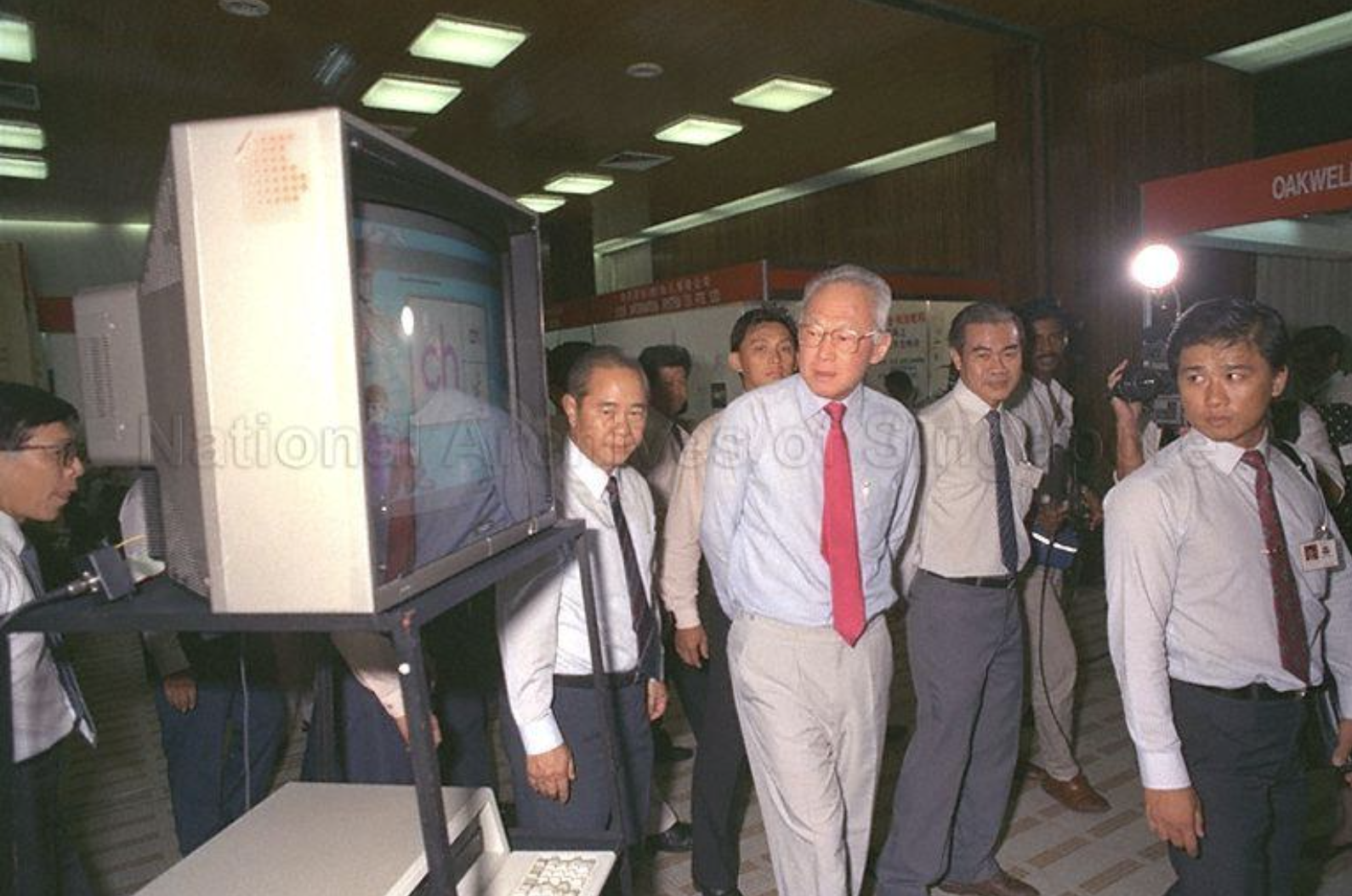 Founding PM Lee Kuan Yew in 1989, after launching the Speak Mandarin Campaign. Photo from National Archives of Singapore
Some years earlier, in 1966, the Singapore government had adopted a bilingual education policy. Singaporeans would learn English and a mother tongue language — which, for the Chinese, was Mandarin (a decision in line with the People's Republic of China, which had officially adopted Mandarin as the national language in 1956).
But there was a problem. Chinese Singaporeans continued to speak dialect at home, and students struggled with having to learn two new languages at the same time.
Lee set out on the campaign in a bid to fix this. Dialect programmes on radio and TV were shuttered. Lee himself stopped speaking Hokkien entirely, switching to Mandarin instead.
Slogans like "Speak more Mandarin and less dialects" and "Please speak Mandarin, your children's future is in your hands" were also peddled to the community through the 1970s and 80s.
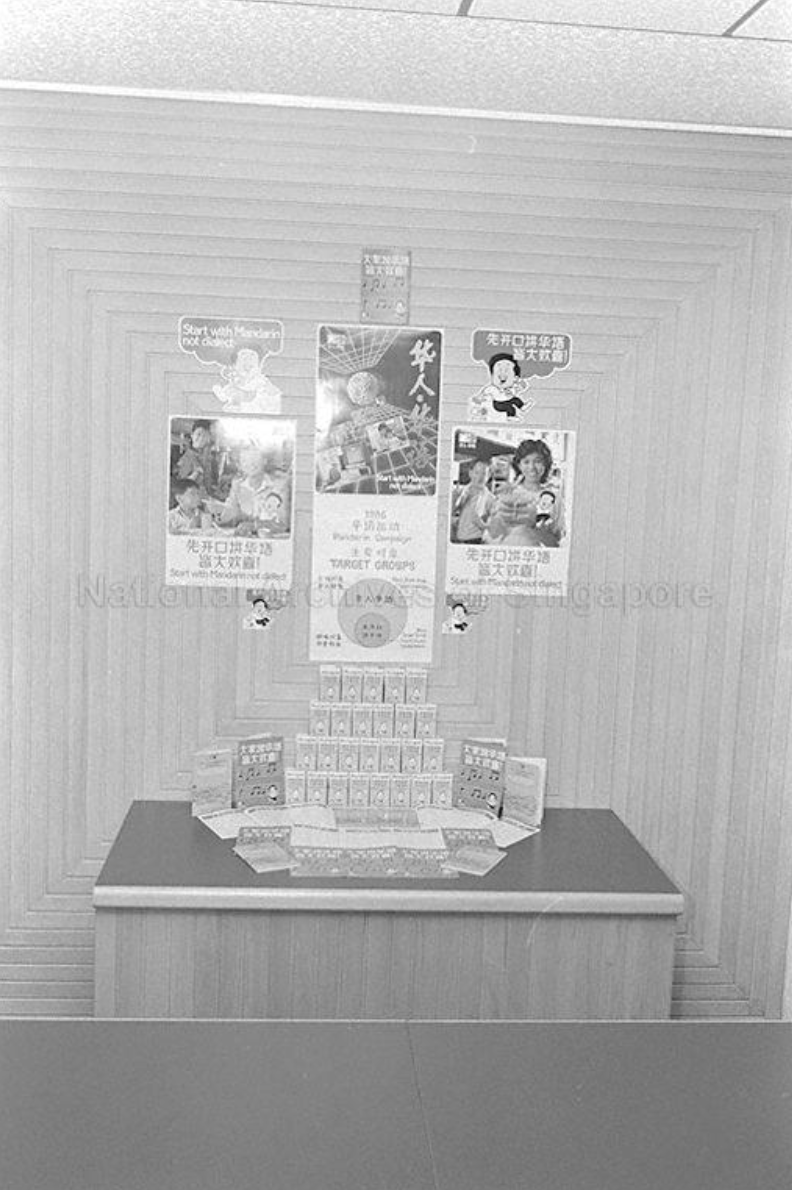 1986 campaign materials for the "Speak Mandarin Campaign". One of the posters reads: "Start with Mandarin not dialect". Photo from National Archives of Singapore
The campaign was incredibly successful. By the late 1980s, the majority of Chinese Singaporeans spoke Mandarin; today there is no argument about what their mother tongue is.
"If the government had left language habits to evolve undirected, Chinese Singaporeans would be speaking an adulterated Hokkien-Teochew dialect," Lee said. That problematic possibility has now been thoroughly eliminated.
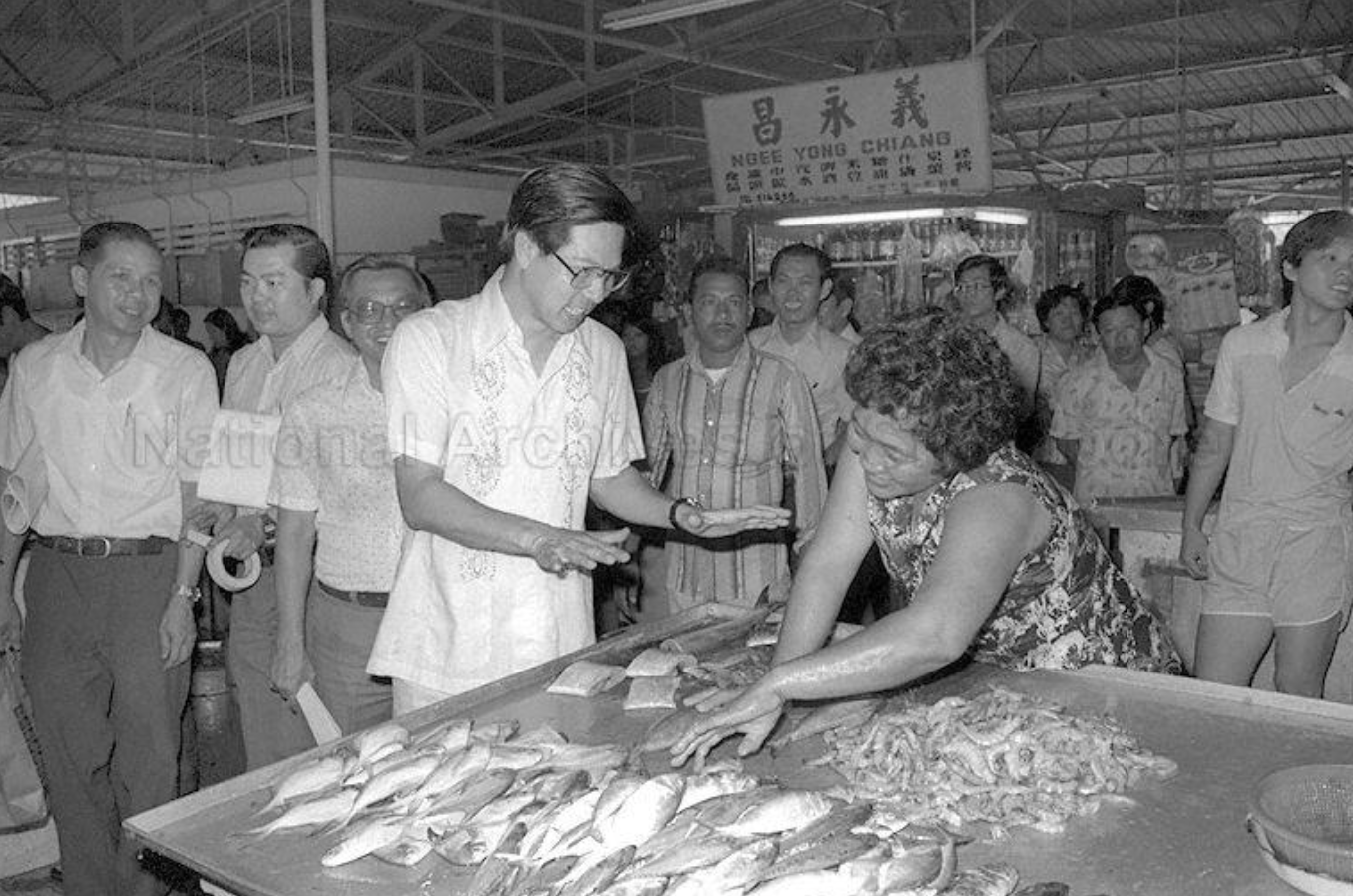 Former minister Ong Teng Cheong touring markets to promote the Speak Mandarin Campaign. Photo from National Archives of Singapore
An old policy
Both the Speak Mandarin Campaign and the bilingualism policy still exist today. These days, though, they have to contend with English.
The OG movements were in some ways too successful. Lee wanted Singaporeans to speak English — both as a unifying language among the different ethnic groups, and for the rather more economically pragmatic reason of connecting Singaporeans with the Western world.
He succeeded. As of 2020, English has overtaken Mandarin as the most-spoken primary language in Singaporean households at 48.3 per cent.
It's an achievement that has come with the unfortunate side effect of a rapidly diminishing Mandarin fluency among young Singaporeans. But that's a story for another day.
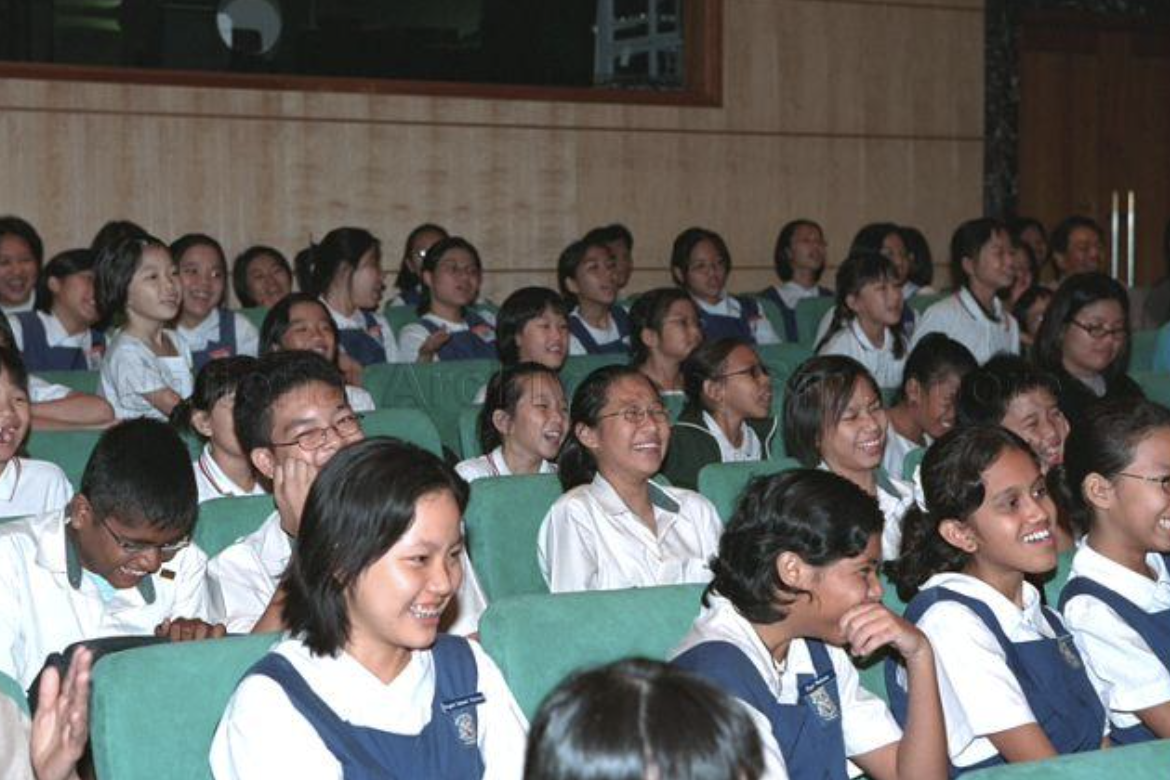 A storytelling competition event for the Speak Good English Movement in 2001. Photo from National Archives of Singapore
What was surprising to many Singaporeans, however, is that despite the evolution of the bilingual policy, remnants of its dialect-opposing roots remain.
Namely through the fact that "Dear You" was dubbed for general release in Singapore, with the Teochew version only initially approved for "festival/niche screenings".
As to why, IMDA explained:
"This continues to support the bilingual policy which aims to promote Mandarin as the main language amongst Chinese Singaporeans.”
But in 2026, discouraging dialect is no longer mutually exclusive with encouraging Mandarin. At work or at home, dialect is unlikely to ever reach a level of pervasiveness even close to what it once was.
That said, while it will most likely never be at risk ever again of undermining "your children's future", it could potentially help you connect to your grandparents' past, maybe even spark an interest in Chinese culture.
As my colleague noted: she wouldn't share the same closeness to her grandma if she had never learnt to speak Teochew.
So maybe it's time for a change — to preserve, rather than suppress.
A new frontier
"Dear You" has — quite unintentionally in all likelihood — helped spark this move.
On Jun. 22, MDDI issued a new statement on the film. While promoting Mandarin as one of Singapore's official languages remains a policy goal, dialects "are an important part of Singapore's cultural heritage", the statutory board said.
"We hear the calls for dialect films to be more freely screened in cinemas. Under the current framework, applications have to be made for such screenings.
However, IMDA will take a more flexible approach in considering these applications."
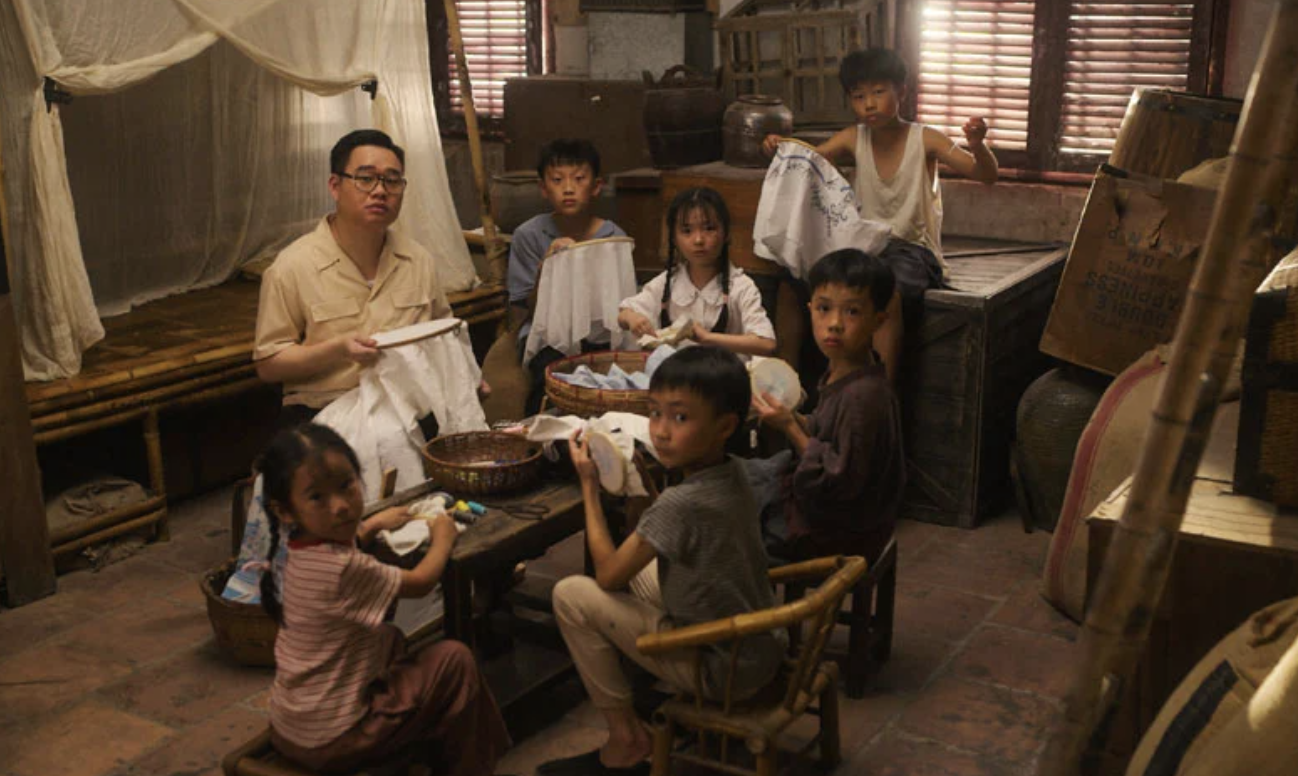 A scene from "Dear You". Photo from Golden Village
They added that the government "supports the use of dialects in practical ways", and will continue to keep its approach under review to support the appreciation and use of dialects in Singapore.
It's perhaps the clearest acknowledgement to date by the authorities that dialect no longer poses a threat to Singapore's Mandarin-speaking ambitions. Once a problem to be "policy-managed" away, dialect is now priceless cultural heritage that needs to be protected, or risk dying out.
More importantly, it is a green light, albeit a tentative one, for future dialect-promoting activities on our little island.
In future, could Chinese dialects be offered as a third language in schools? Maybe Hokkien- or Teochew-focused extracurriculars, enrichment classes, even tuition centres?
In his 2009 speech, then-Minister Mentor Lee had made a rare erroneous prediction: "The trend is clear. In two generations, Mandarin will become our mother tongue," he said.
Half a generation later, we are already there. The question is what comes next.