




Abroad


Chinese student, 22, scammed of S$1.35 million while studying in Hong Kong
Another victim travelled to Thailand and filmed a ransom video, which the syndicate sent to her family.
June 08, 2026, 07:15 PM
Top photo from Thai Police/Facebook & Royal Thai Police/Facebook


A Chinese student was cheated out of HK$8.21 million (S$1.35 million) after a scammer accused him of being connected to a fraud case.
According to the South China Morning Post (SCMP), Hong Kong police said on Jun. 7 that there were 42 cases of Chinese students studying in Hong Kong who had been cheated by scammers impersonating law enforcement officials from China in the first quarter of 2026.
Hong Kong police said Chinese students accounted for a quarter of the 164 reports involving scammers impersonating Chinese authorities, with total losses amounting to HK$289 million (S$47.6 million).
Largest case involved S$1.35 million
The largest case involving a student saw a 22-year-old male handing HK$8.21 million (S$1.35 million) over to a scammer posing as a Chinese police officer.
According to SCMP, the scammer accused the student of being associated with a fraud case and demanded that he hand over funds as proof of his innocence.
The student deposited the funds into six bank accounts before the scammer cut contact with him.
Another student staged own kidnapping based on syndicate's instructions
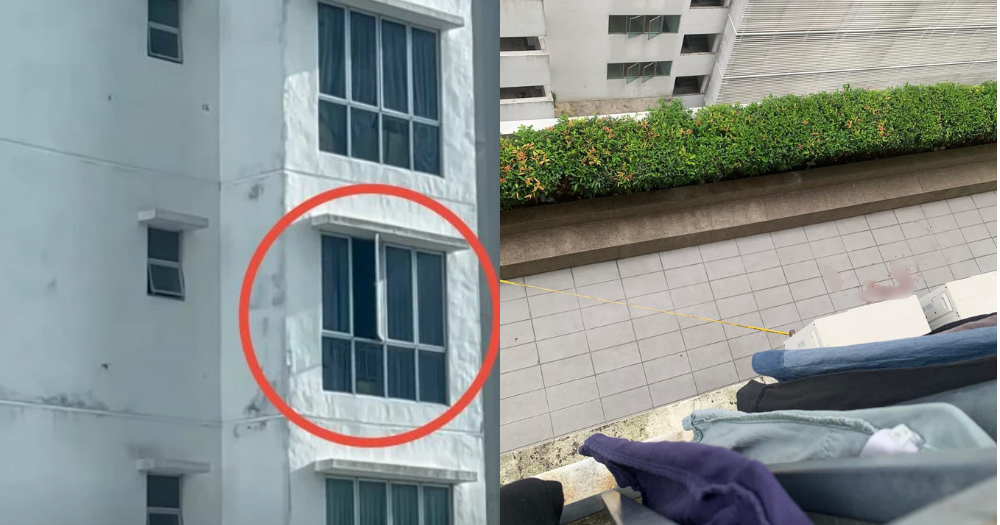
In another case, a female university student known by her surname, Wang, was rescued by Thai authorities after scammers impersonating Chinese police officers persuaded her to fly to Thailand.
According to SCMP, this was despite her having attended anti-scam courses at her university.
According to a Facebook post by Royal Thai Police, the scammers convinced the 21-year-old student to stage her own kidnapping to extort "ransom" money from her family in a virtual kidnapping scam.
The scammers approached the victim while she was studying in Hong Kong and accused her of being involved in money laundering.
Wang told the media that the scammers wore police uniforms when they video-called her and demanded she sign a non-disclosure agreement.
The scammers placed her under real-time surveillance.
Lied to parents
Following the scammer's directions, the victim lied to her family and asked for a remittance of HK$1.4 million (S$230,370), claiming that the funds were for her postgraduate studies.
Upon receiving the funds, the scammers told the student to travel to Thailand and provided her with flight tickets and accommodation.
The victim said she felt threatened and decided to go to Thailand.
She explained that if she did not go to Thailand, her parents would have gone to Hong Kong to look for her, and as a result, she may accidentally leak "confidential" information, breaking the "non-disclosure agreement".
She added: "Not only would I have faced criminal penalties, but my parents would also be implicated."
Filmed ransom video
On May 31, after arriving in Bangkok, fraudsters instructed the student to film a ransom video and to send photos of staged "injuries" to her family.
According to SCMP, Thai authorities shared a video showing the victim dressed in a ripped blue shirt with bruises on her knees, crying that she had been abducted by six strangers.
In the video posted to Facebook by Thai police, the victim asked her parents to send the scammers HK$3 million (S$493,550) and claimed that her "kidnappers" were hitting her.
Thai police said surveillance footage showed the victim checking into a Bangkok hotel alone, using a passport photo provided by the scammers.
The victim also took a taxi to buy ropes, a knife, body paint and red lipstick to create the illusion of assault and kidnapping.
She sent videos to the scam syndicate, which was used to pressure her family to pay a ransom.
Syndicate isolated victim
According to Thai police, the syndicate manipulated Wang and told her to cut off contact with her family, isolating her.
Hong Kong police said the victim only realised that she was being scammed when her father travelled to Thailand to look for her, reported SCMP.
The police said the victim was not abducted and had merely followed the scammers' directions at the hotel.
The victim's father made a police report upon losing contact with her and receiving the video.
She was rescued by Thai authorities and returned to Hong Kong on Jun. 2.
According to SCMP, Chinese students are required to complete an anti-scam questionnaire before arriving in Hong Kong.
The Hong Kong police commissioner also sends a letter at the start of the academic year, urging students and parents to be aware of common scam tactics.