Nova

S'pore influencer & NBCB boss, Tommy Wong, opens up on challenging year in the F&B industry
2024 saw the closure of over 3,000 F&B businesses.
February 20, 2025, 05:29 PM
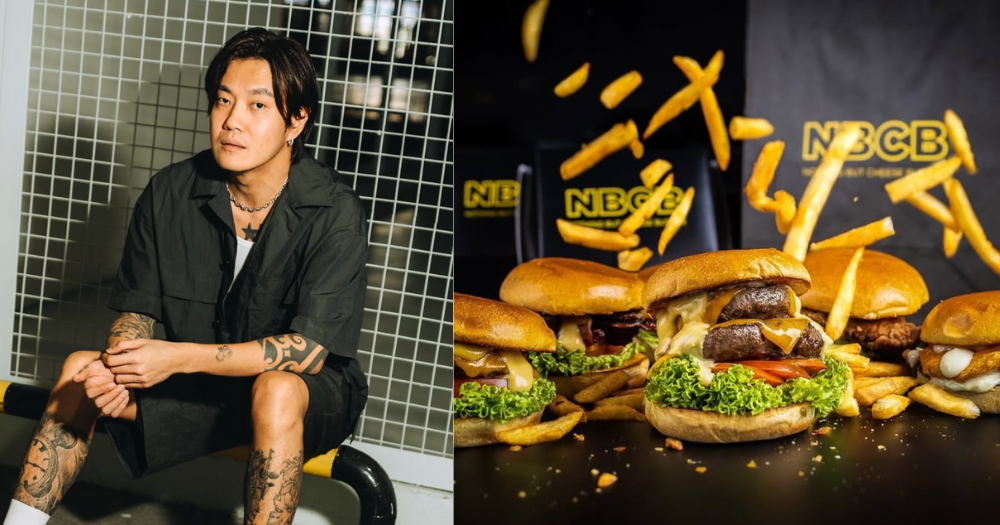


What started as a simple mission to satisfy his pregnant wife’s cravings during the Covid-19 lockdown soon transformed into a full-fledged business.
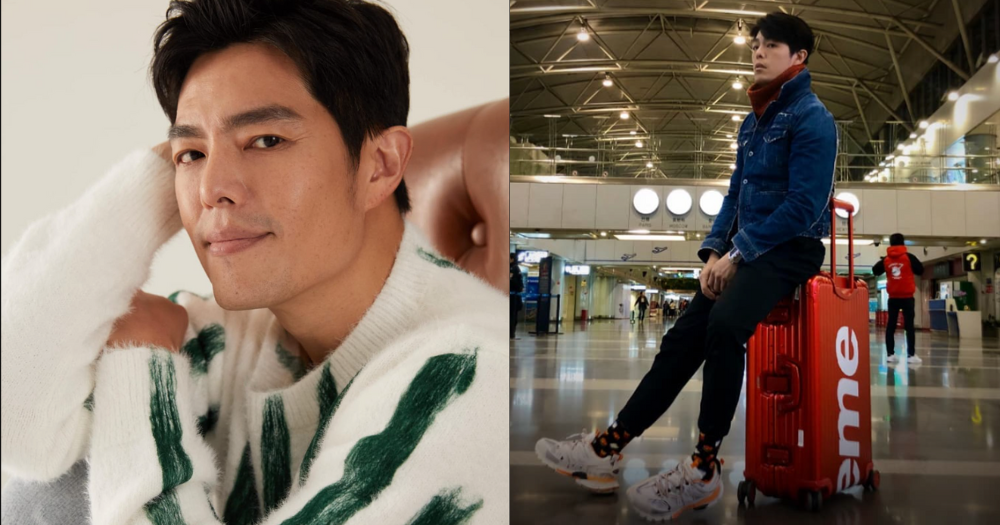
38-year-old Tommy Wong is the founder of Nothing But Cheeseburger (NBCB), a brand that started as a home-based venture and has since expanded to physical locations in Katong and Orchard.
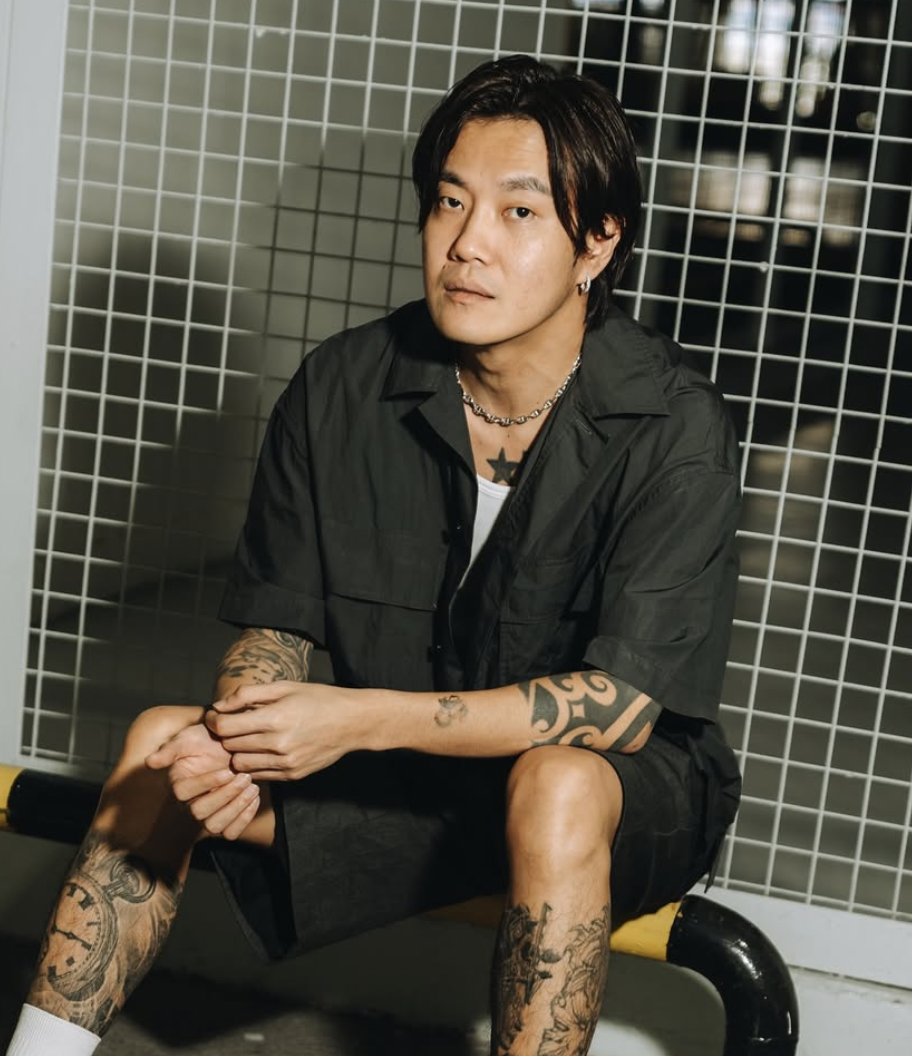 Photo from @tommynbcb from Instagram.
You might also know him for his comedic point-of-views and "Ah Beng" content on TikTok, where he has over 107,000 followers.
Despite the name, NBCB also has other items on the menu, such as rice bowls, fish burgers, sides and handcrafted drinks, all named after quirky Singlish swear word expressions.
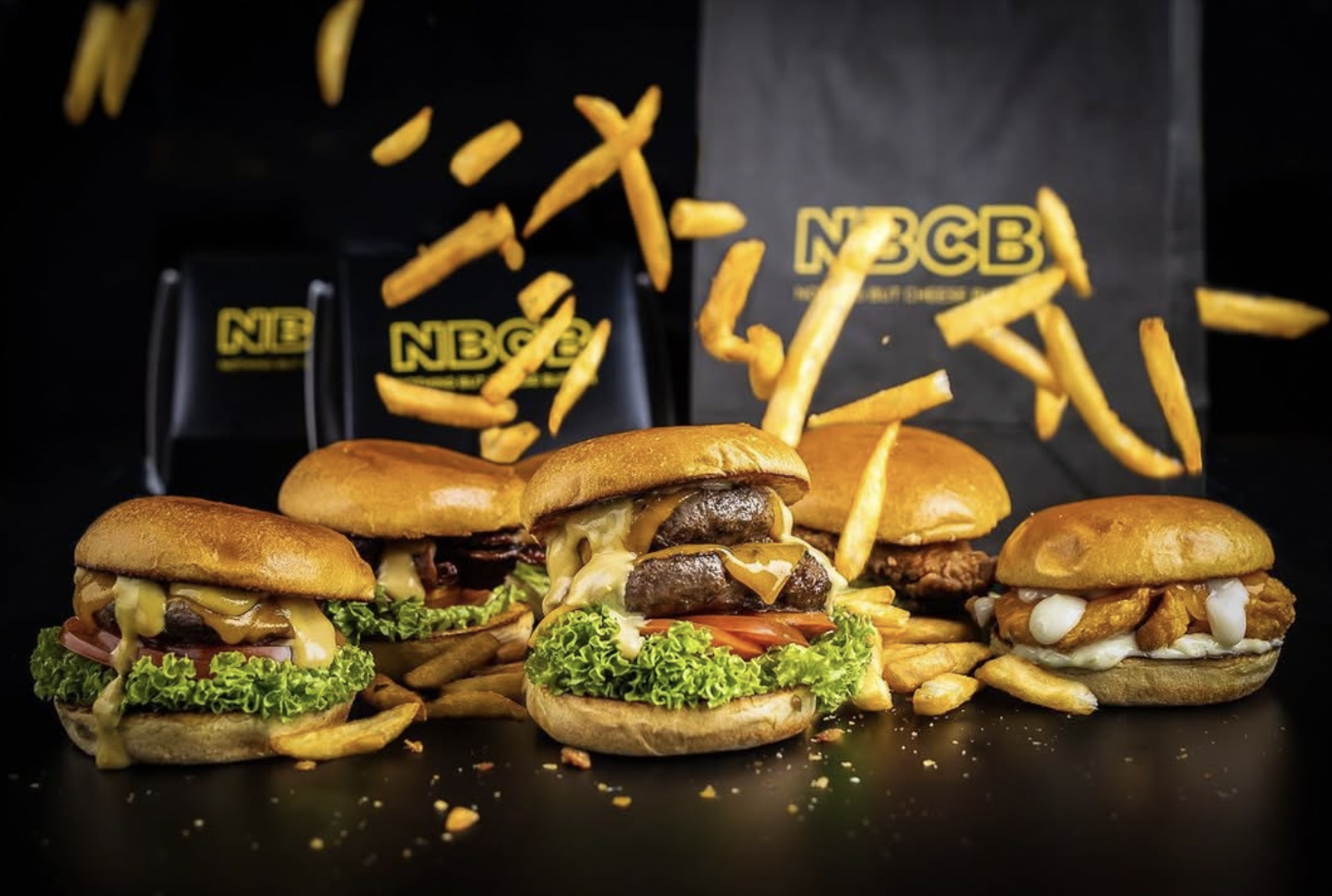 Photo from @nbcbsg on Instagram.
But the road to success in the food and beverage (F&B) industry hasn’t been without its bumps.
According to a CNA report, 2024 alone saw the closure of over 3,000 F&B outlets in Singapore, marking the highest number of closures since 2005.
Rising operating costs and fluctuating customer footfall have left many businesses in the F&B industry struggling to survive.
In the face of this adversity, Wong shares his journey with Mothership, his thoughts on the closures and his advice to aspiring F&B entrepreneurs.
From cravings to commerce
NBCB’s story didn’t start in a commercial kitchen but rather in Wong’s home during the height of the Covid-19 lockdown.
It was born out of a simple desire: to satisfy his then-pregnant wife’s cravings for cheeseburgers.
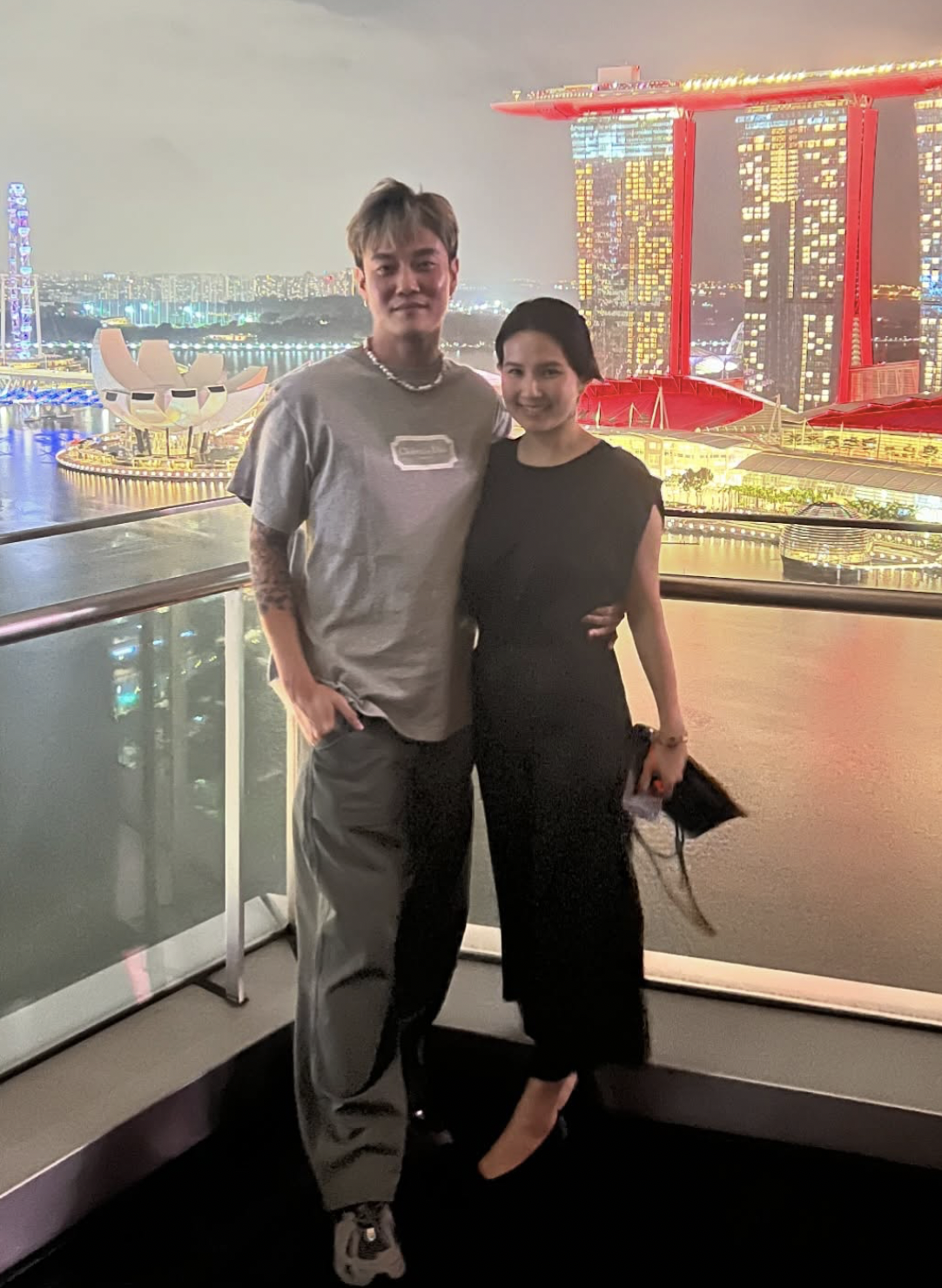 Photo from @tommynbcb from Instagram.
What began as a personal mission quickly gained traction when his wife encouraged him to share his homemade creations with others.
He took her advice and launched a home-based business selling cheeseburgers, and once pandemic restrictions eased, he and his partners decided to "tap into the resetting of the economy" and open a physical restaurant.
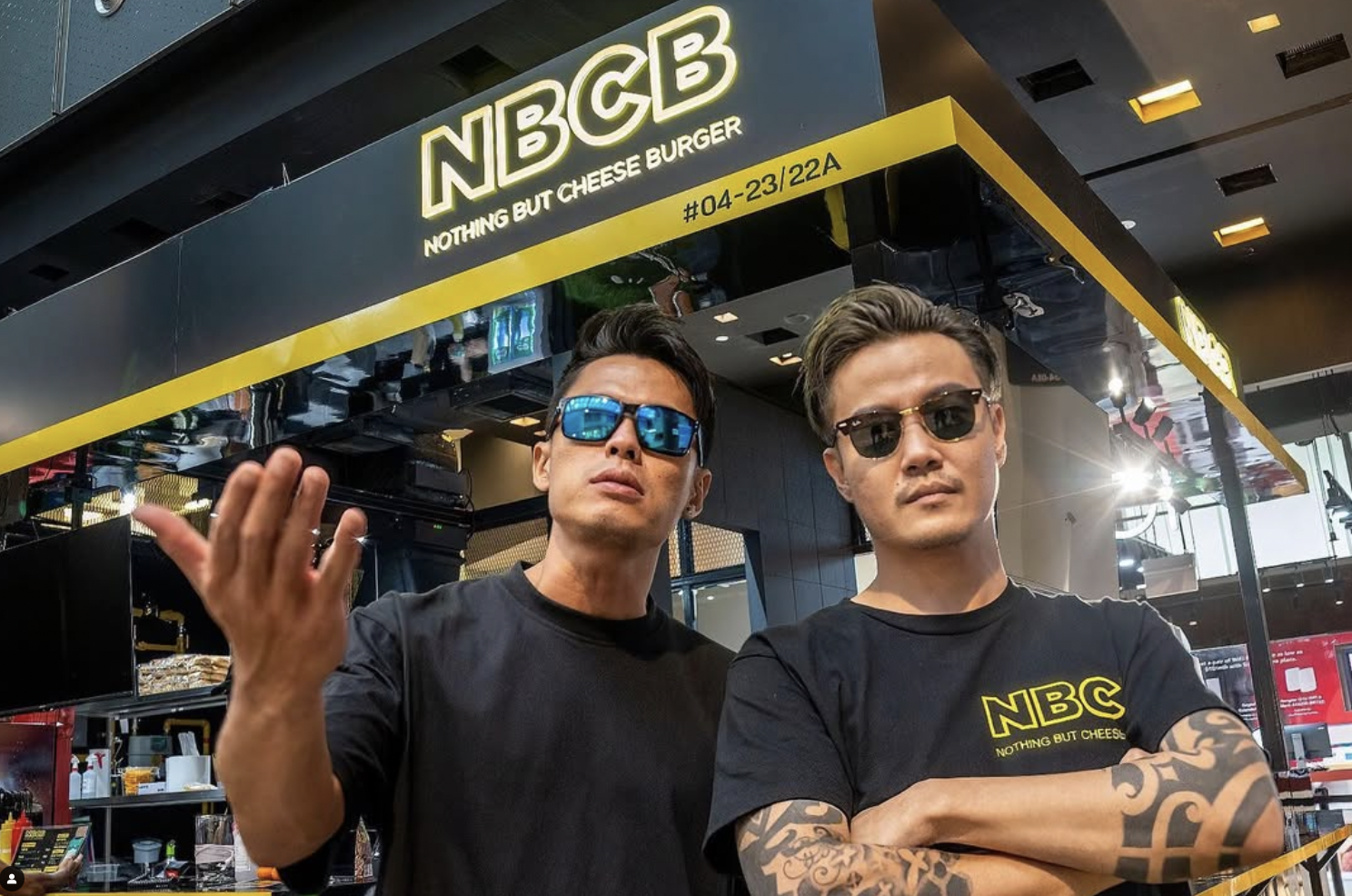 Photo from @nbcbsg on Instagram.
However, moving from a home-based setup to a brick-and-mortar location is no small feat.
For a home-based business, Wong could secure orders first and then buy the necessary supplies, ensuring he wasn't operating at a loss.
With a restaurant, Wong had to incur costs upfront before making any sales, constantly striving to cover expenses and turn a profit each day — and that’s where the challenge lies.
Operating a restaurant, as he learned quickly, meant dealing with higher stakes and the pressures of managing daily operations.
It’s a far cry from the flexibility he had at home, where he could adjust orders based on family help or delivery availability.
A tough reality check
The challenges facing Singapore’s F&B industry have never been more apparent.
With the many F&B closures in 2024 alone, Wong acknowledged that NBCB, like many others, is squeezed by rising costs across the board.
From a cost perspective, Wong mentioned that he is "at the mercy of the suppliers".
If supplier costs increase, the business has no choice but to either absorb those costs or pass them on to customers.
Additionally, rising rent prices and rental contracts tied to sales performance add to NBCB's challenges.
Wong faces the risk of rent hikes when sales are good and if another party is interested in the space, he could be at a disadvantage during lease renewal.
He believes the economic climate is a major factor behind the closures. “The economy is not good and people are tightening their pockets,” he explains.
Additionally, he points to the growing number of dining options in places like Johor Bahru, which have made the market even more competitive.
“There’s a lot in play,” he adds, highlighting the challenges of operating in a saturated market.
Competing against giants
Wong also highlighted how the competition from foreign food brands entering Singapore’s market impacts local businesses.
Foreign food chains entering Singapore come with bigger investments and a strong reputation from their home countries, creating an uneven playing field for local F&B businesses.
"It’s like David versus Goliath,” Wong says, noting that foreign brands with bigger investments have a clear advantage.
Despite all of the challenges, he remains focused on standing out through product quality and experience.
“Marketing can only bring you so far. It’s the product that sustains the business,” he emphasises.
He explained that the main focus is always on the product, the overall experience and how customers perceive the brand and the shop.
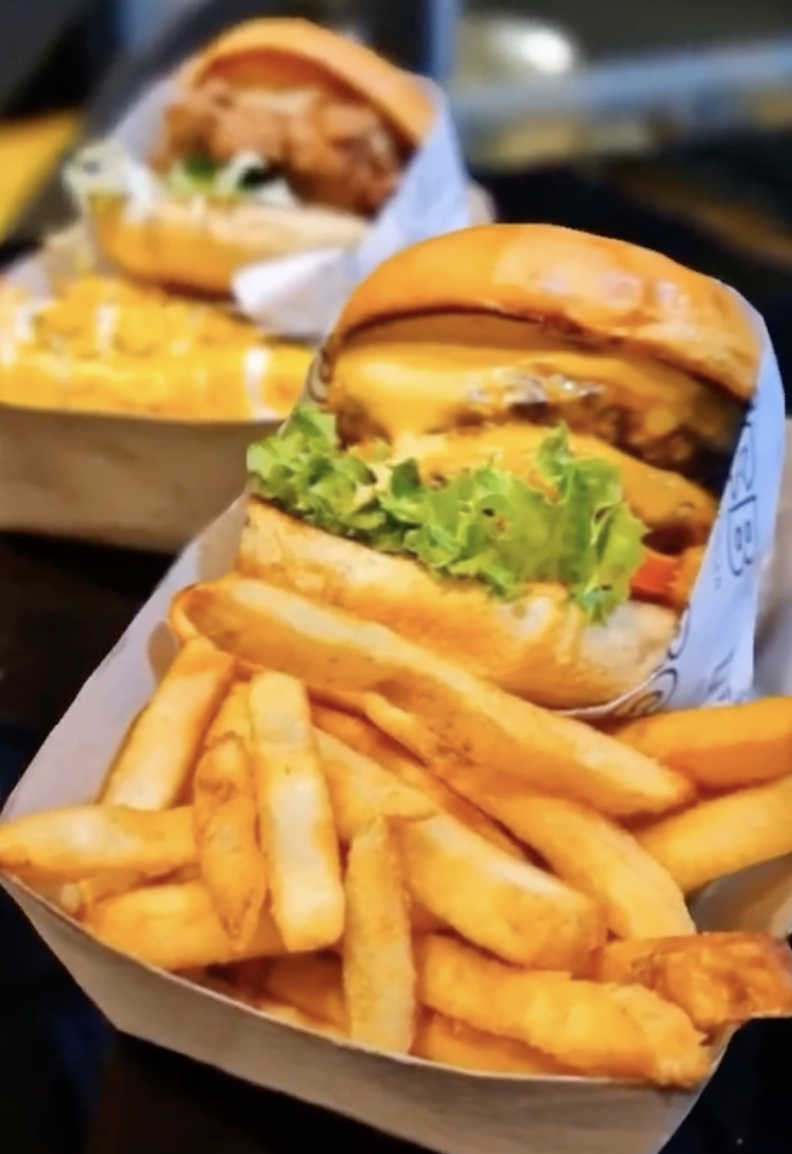 Photo from @tommynbcb from Instagram.
Navigating the challenges
Despite these obstacles, Wong remains focused on keeping NBCB afloat.
He’s turned to innovation, expanding his offerings to include healthier options, such as the salmon burger and listening to customers' feedback on adding Wagyu burger to the menu, which has already outpaced the sales of their regular burgers.
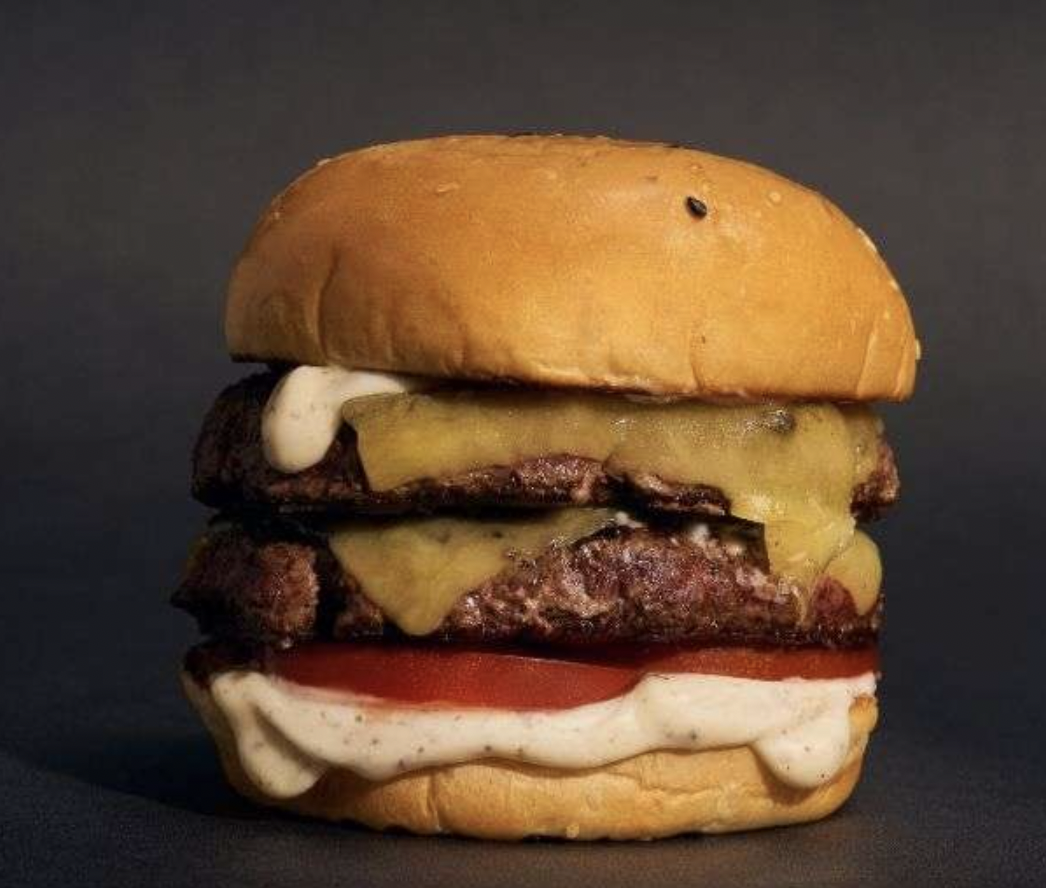 Photo from NBCB's website.
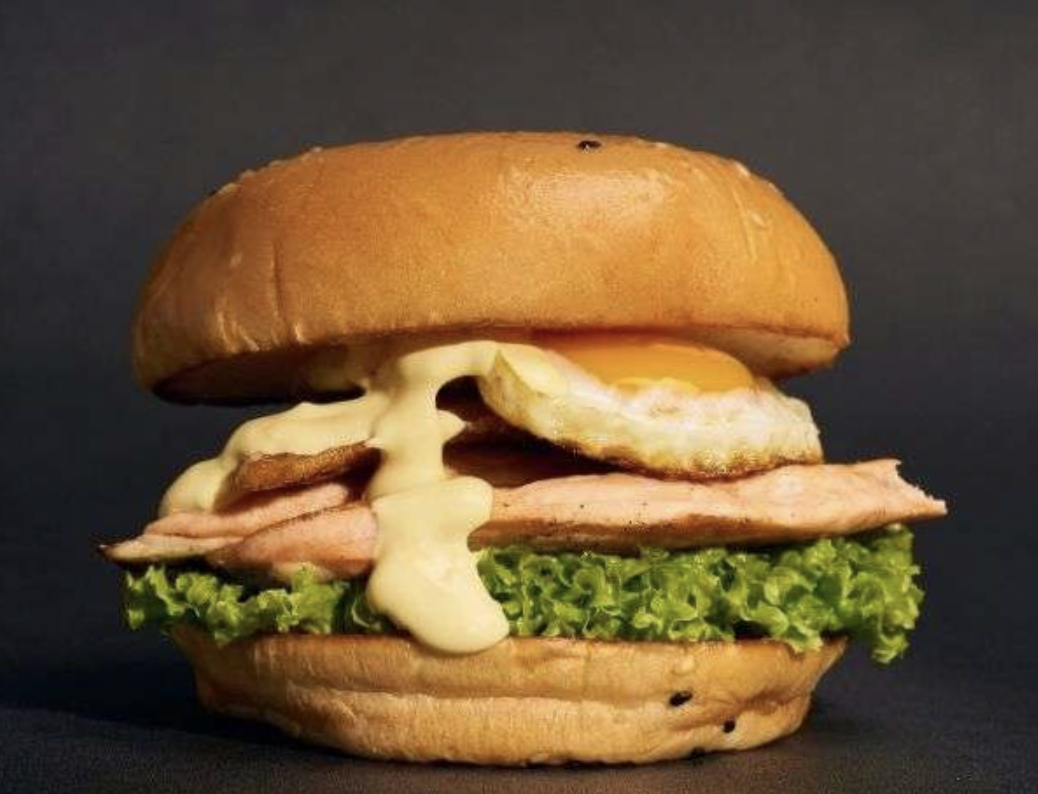 Photo from NBCB's website.
Reflecting on his menu, Wong recalled how he tried to work on every piece of customer feedback. He has since overcome this by taking the time to consolidate the feedback and focus on the most common suggestions.
NBCB has also adapted to changing consumer habits by shifting towards more targeted online sales and delivery options.
Wong pointed out that in the Katong outlet, a significant portion of weekend sales—comes from delivery and online ordering platforms.
But with the rise of food delivery apps, many question whether physical restaurants are still necessary.
He noted that in countries like Japan and South Korea, many restaurants operate with 10 to 15 seats, making it easier to manage sales and control costs without the heavy initial investment required for large spaces.
Inspired by this, Wong is considering smaller outlets or even a cloud kitchen model for NBCB, focusing on delivery to reduce overheads.
Passing the baton
NBCB’s success has earned Wong a loyal following, but he acknowledges the challenges of passing the business on.
“I can’t force my children to take on something they don’t want,” he says. “They must first enjoy it and have a passion for the industry.”
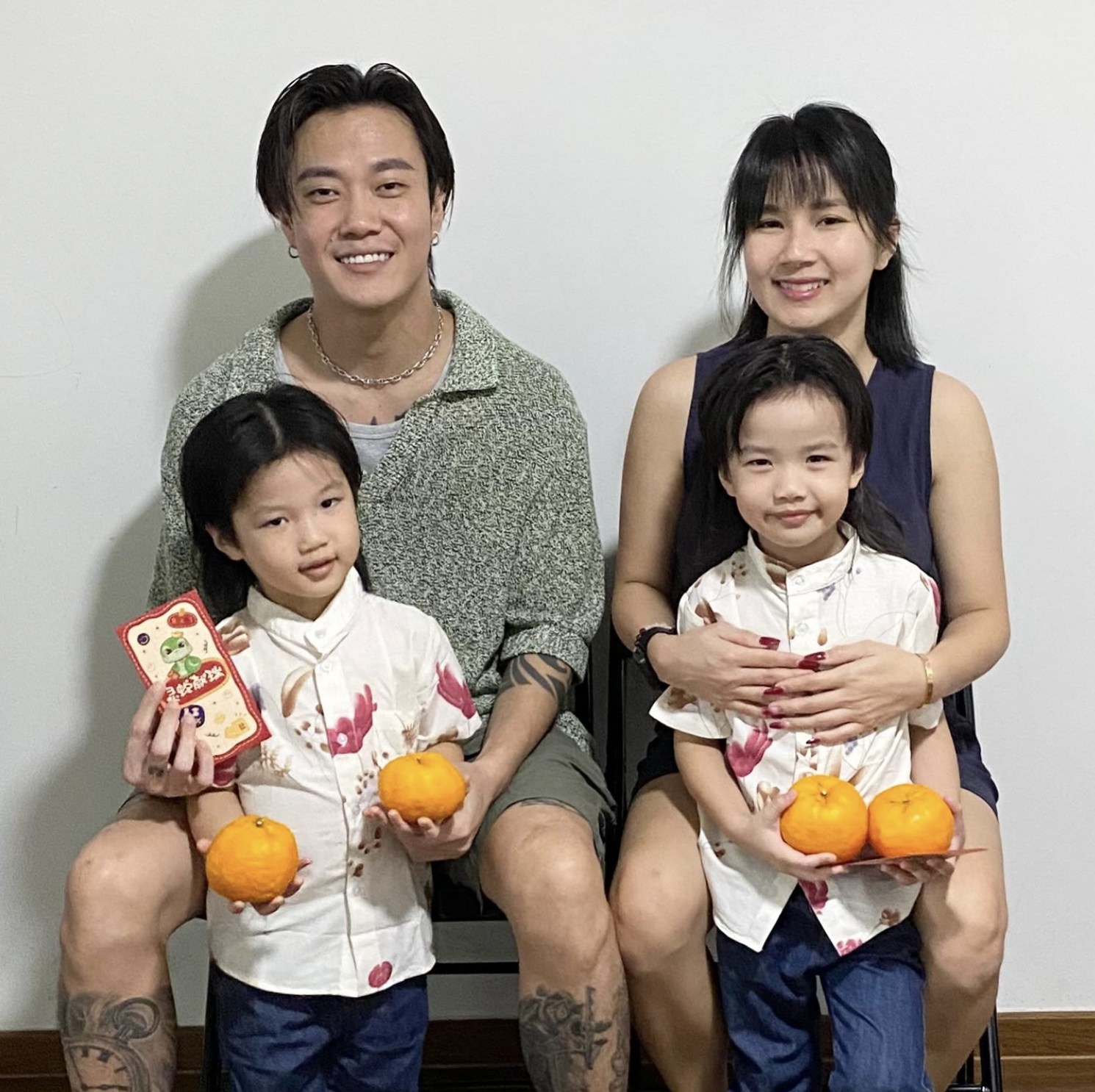 Photo from @tommynbcb from Instagram.
He compared opening a business to any other profession, whether in sports or other fields, emphasising that success takes time and doesn’t happen overnight.
Wong shared that while he experienced rapid growth and attention, it also brought stress due to inadequate facilities to handle the demand.
“We need to find the balance and be ready in terms of skill sets, experience, infrastructure and equipment to run the business effectively.”
He also noted his "worry" that many young entrepreneurs give up too soon when they realise the hard work involved. Wong advises focusing less on early sales and more on building a solid business concept first.
The future of NBCB
Looking ahead, Wong is exploring ways to expand NBCB, including the possibility of franchising.
He recognises that it’s a high cost for many to start an F&B business and is looking for ways to make it easier for others to get involved.
NBCB also hopes to expand to heartland areas like Punggol and Jurong, offering a more efficient service model to reduce wait times and keep customers happy.
What keeps him going
Wong discussed how regular customers have become like family to NBCB, often bringing their loved ones, offering angpaos (red packets) and oranges during Chinese New Year and motivating the team to continue their work.
He expressed that this level of connection was something he never anticipated when starting an F&B business, calling these moments "endearing".
Wong also emphasised that his staff is the driving force behind his commitment to the industry.
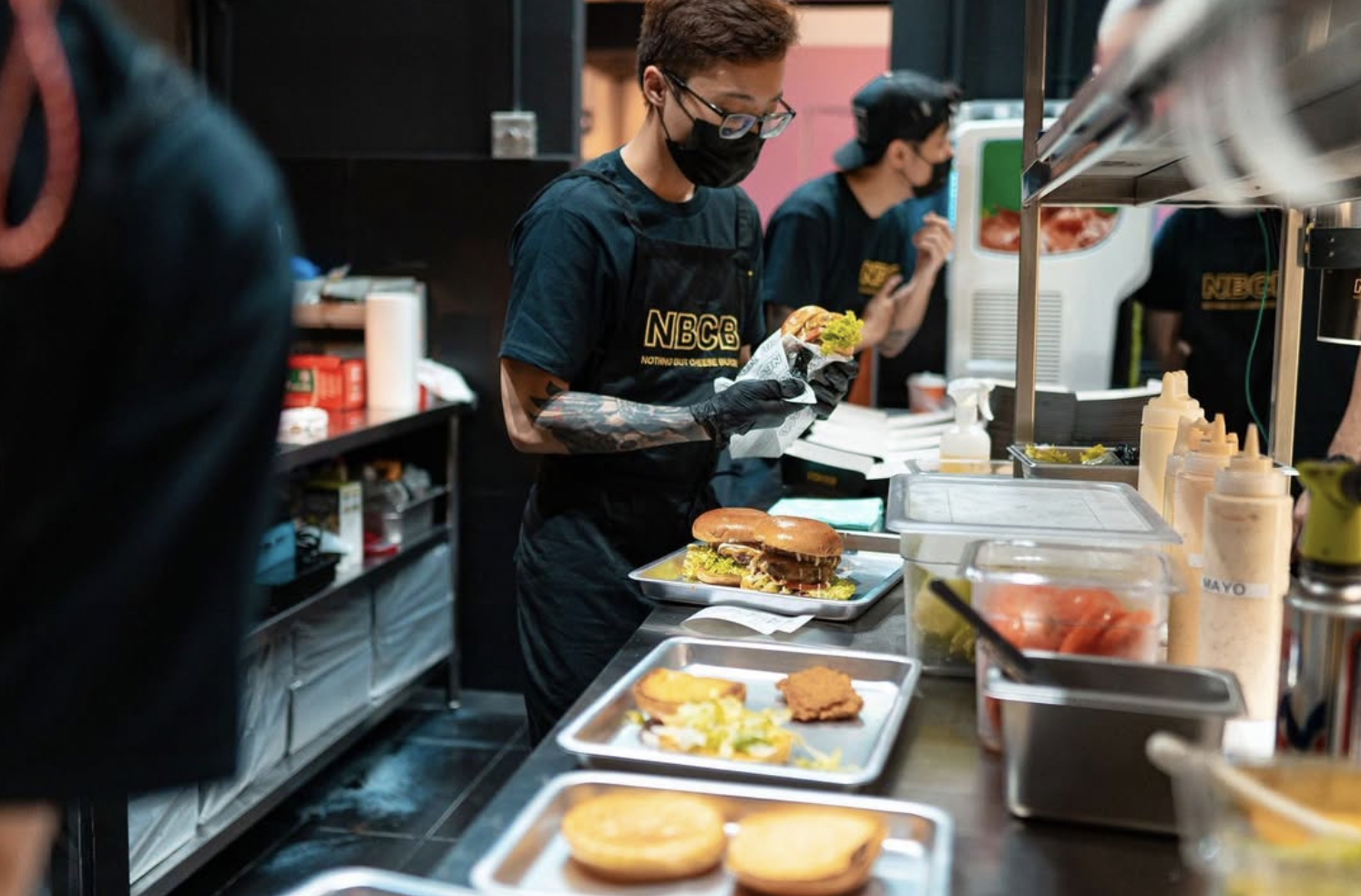 Photo from @nbcbsg on Instagram.
"Closing the business would have no personal negative impact on me, but it would be difficult for my staff," he explained.
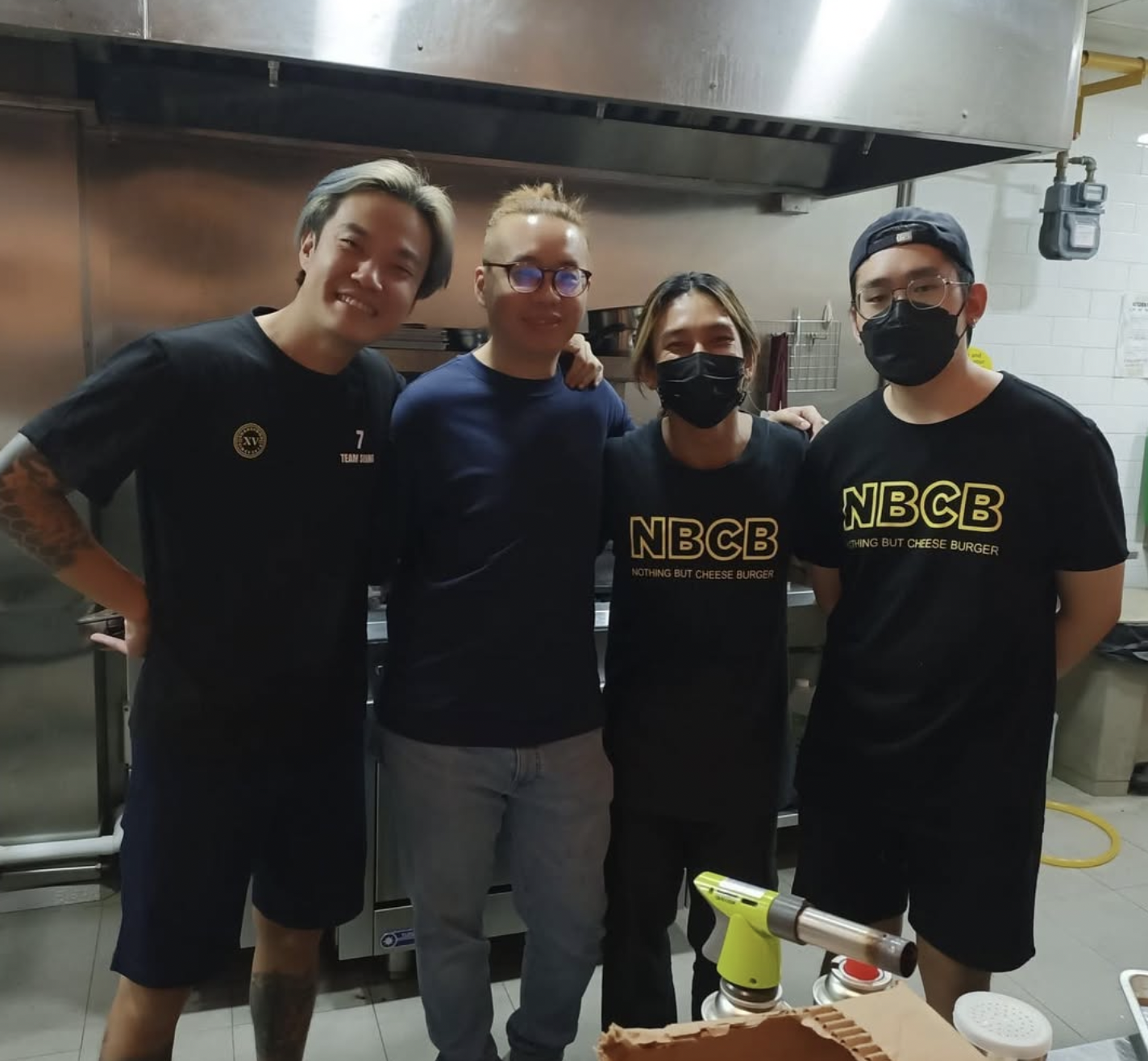 Photo from @nbcbsg on Instagram.
He noted that they have been part of the NBCB community for a long time, and there is a deep sentimental value attached to it.
What a boss.
Top images via @tommynbcb and @nbcbsg on Instagram.
Congratulations! You have made it to the end of the article (whether by speed-scrolling or otherwise). This alone qualifies you to apply for the role of an Editorial Intern (Nova) at Mothership. Click here to find out more.