



Abroad


Hackers attack French blood bank, raising fridge temperatures from -30°C to 110°C
Similar cyberattacks were launched on supermarket fridges across Europe last week.
November 07, 2026, 05:10 PM
Photos from Canva


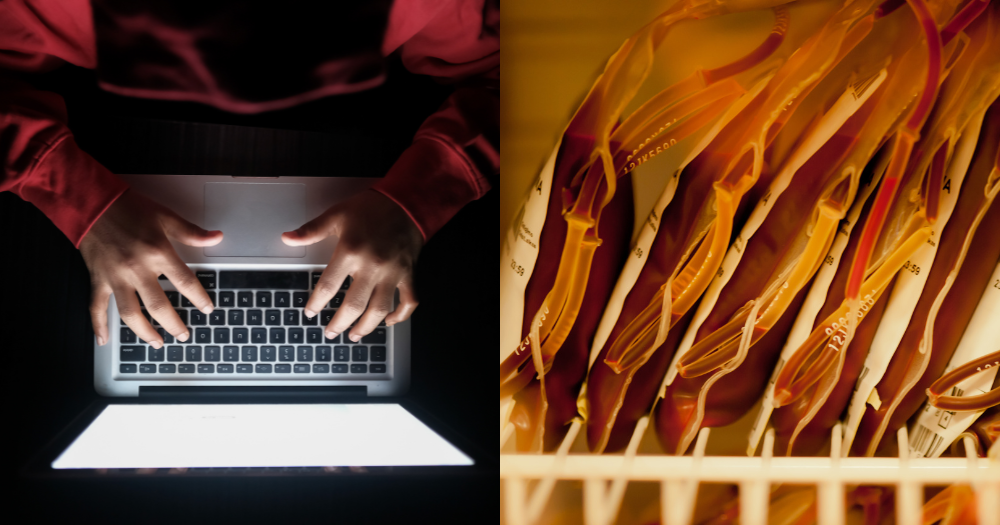
A cyberattack hit France's blood storage authorities on Nov. 4, with hackers raising blood fridge and freezer temperatures to dangerous levels.
According to the Associated Press, hackers attempted to raise the temperatures of blood refrigeration equipment of the French Blood Establishment (EFS), normally at -30°C, up to as high as 110°C.
Fortunately, monitoring systems quickly detected the problems, allowing staff to act in time and prevent blood products and samples from being destroyed, EFS said.
“No health consequences have been identified, and no blood products were lost,” it added.
The Guardian reported that EFS said it was not directly targeted, as the cyberattacks were directed at cold stores run by its contractors.
The affected rooms contained blood plasma for transfusions and medicine manufacturing.
EFS, short for Établissement français du sang, is France's public blood transfusion institution, responsible for collecting and distributing blood, plasma, and other blood products.
Europe supermarket attacks
The cyberattacks on EFS came after a wave of similar attacks were launched on supermarket fridges across Europe in October and November.
Supermarkets in France, Belgium, Luxembourg, Sweden, Ireland, the Netherlands, Estonia, and Finland were affected.
Hackers gained access to fridge software – which allows supermarkets to control their cold storage remotely via the internet – and raised the temperatures of fridges and freezers to as high as 50°C.
Refrigeration solutions firms such as Sabcobel and Danfoss provide such software.
This caused staggering quantities of food to spoil across Europe, forcing supermarkets to throw away millions of euros worth of products.
It is not yet clear who is behind the attacks.
The BBC reported that analysts have speculated variously on the identity of the hackers, with some pointing fingers at Russian or Iranian cyberattack groups, and others disagreeing that it was a state actor.
One expert told the BBC that the attacks hit several European countries in a simultaneous wave, which suggested some degree of planning and coordination.
Cybersecurity firms noted that the hackers' activities seemed to be confined mainly to Europe.
They had laid out 'honeypots', or decoy computer networks or files with poor security, to entice attackers to hack them, revealing both their activity as well as their methods of attack.
One such UK-based firm Lupovis, said that none of their honeypots in other regions such as Africa or South America were targeted, with even Ukraine being untouched.