



Abroad


China expels record 33 officials, sees lowest Central Committee attendance since Mao
The expulsion of three former politburo members were confirmed.
November 03, 2026, 10:47 AM
Image via AFP


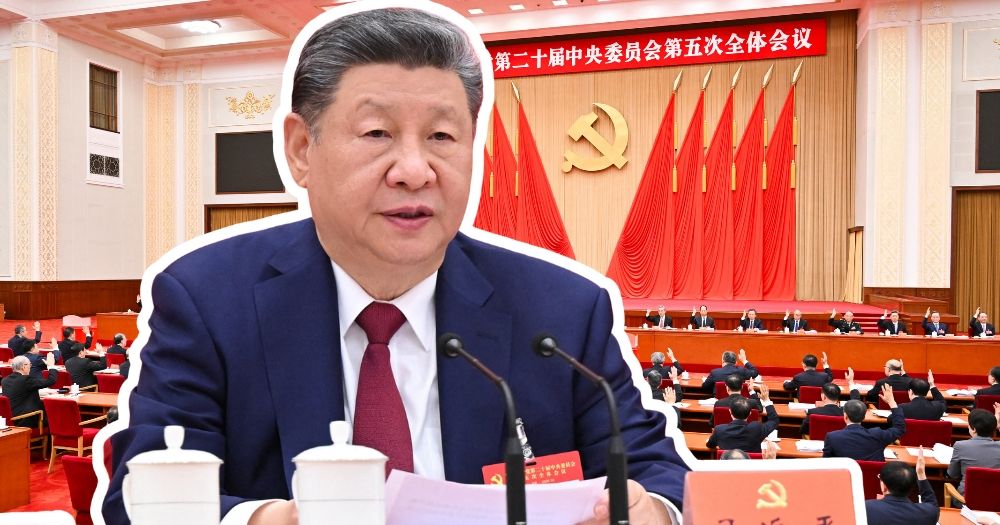
China completed the Fifth Plenary session of the 20th Central Committee of the Communist Party of China (CPC) on Oct. 29, bringing together 162 of the most influential members of the CPC and their 117 alternates.
While speculation prior to the Plenum was that there might be a focus on leadership renewal, it turned out that discipline and party expulsions were also a central narrative of the session, as Nikkei reports 33 high-ranking party members being purged from leadership positions.
It also confirmed that the CPC would convene the 21st National Congress in Beijing in the second half of 2027.
So what is the Plenum, who was purged, and were there any promotions to take note of?
Plenum priorities
The Chinese Communist Party is required to hold annual Plenums which bring together its most senior leaders to discuss its, and by extension China's, most important issues.
The Asia Society reports that each Central Committee is to hold at least five annual Plenums during its five-year term, but it is more usual for seven Plenums to be held, discussing issues such as leadership positions, economic and governance reform, ideology and party building.
ThinkChina reported that the Plenum had placed “cadre management, discipline enforcement, and anti-corruption work” at the heart of the party’s agenda.
The purge (continues)
This effectively meant a continuation of China President Xi Jinping’s ongoing purge of CPC members for alleged corruption, a purge that AP estimated had affected at least 7.9 million CPC members and officials.
The highest segments of CPC leadership have not been immune from these purges, with AP reporting that since Xi became China’s leader, 963 senior officials had been disciplined.
In fact, the 20th Central Committee had been elected in 2022 with 205 full members and 171 alternate members, 376 in total, as reported by NPR.
However, according to the official CPC communique release on Oct. 29, 162 full members and 117 alternate members attended the 2026 Plenum.
ThinkChina reports that this means only 74.2 per cent of the original central committee cohort attended the four years, which the Wall Street Journal noted was the lowest attendance since when Mao was in power.
The Plenum approved 34 disciplinary reports involving 16 military officials and 18 officials from party, state, financial, and state-sector institutions.
This resulted in 33 expulsions, with the final one only being removed from their party posts.
Two of these expulsions involved former members of the Politburo, the core decision-making body, Zhang Youxia and Ma Xingrui, indicating that practically no level of the party was safe.
But also a promotion
The military aspect of the purge is particularly stark.
ThinkChina also noted that the Plenum only promoted 10 alternate members to full members of the central committee, none of whom were from the military.
But the Plenum also saw one promotion of note, that of Central Military Commission vice-chairman Zhang Shengmin.
China’s military is controlled by the powerful seven-member Central Military Commission, which is traditionally headed by China’s leader, in this case Xi Jinping.
The remaining six members are senior People’s Liberation Army members, but as of the present moment, only one, Zhang Shengmin, remains.
A commentary by Nikkei says that the purges leave China’s top military body “hollowed out”, and time will tell if it will be renewed at the 21st National Congress in 2027.
Until then, the situation concentrated a vast amount of direct control over the military in Xi’s hands.
Direct control
Zhang Shengmin is perhaps one of the few CPC officials and military leaders who have seen their star rise after recent purges.
He was made CMC vice-chairman in October 2025, at this most recent Plenum, he has been promoted to the Politburo, indirectly replacing his predecessors.
In China, positions in the Party outweigh that of State positions, meaning that Zhang Shengmin's CMC role outweighs that of Dong Jun, the Minister of National Defense.
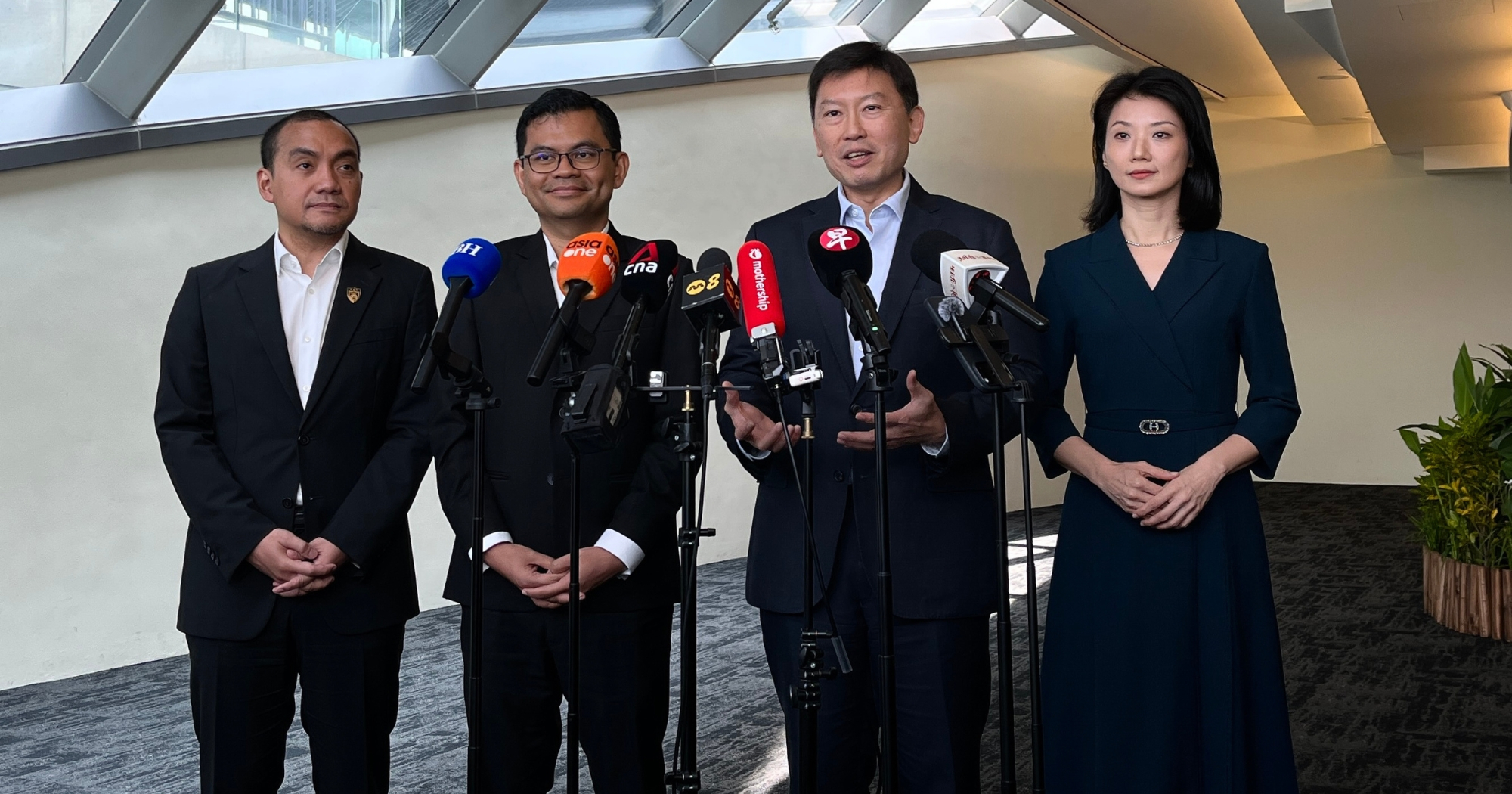
In this context, Zhang Shengmin has been seen as a key figure in China's defence establishment appearing at international forums like the Xiangshan Forum in Beijing, where he met Singapore's defence minister Chan Chun Sing.
Nikkei's report on the Plenum called Zhang Shengmin a "bridge" between a "purged military and a rebuilt one", but said that the Plenum showed Xi still lacked trust in his top military leadership.
Full and rigorous Party Self-Governance
If there was one phrase to take from the communique, it was “full and rigorous Party Self-Governance”, which appears 22 times and was the central theme of an earlier Xinhua explainer on the Plenum, published on Oct. 27.
The explainer said that improving the lives of Chinese citizens was a central goal of the CPC, and that goal was only achievable through "rigorous self-governance ".
Through this, the purges were compared to the party turning “the blade inward”, the gory imagery encapsulating the damage that outsiders imagine the party is inflicting on itself, but that a commentator that Xinhua quoted said represented "moral strength."
But the explainer also signalled that the inward blade was an ongoing process, that the finding and removal of officials that the CPC found wanting was a crucial process through which it safeguarded China, and the explainer credited China's ongoing success to that process.
In this imagery, both perceptions of the purge are acknowledged, damaging but purposeful. The only part left unsaid is which process acts quicker.