




Branded

‘I couldn’t understand anything because of the acronyms’: S’pore international students share biggest culture shocks
Unlike words, there are no shortcuts to building real bonds.
Top photos from National Youth Council
Short forms and acronyms without context irk me.
Wdym u js cmi longer? (Yes, I am aware this article will use a lot of acronyms. Sorry, senator, I’m Singaporean)
It turns out I wasn’t the only one, and this aspect of Singlish came as a culture shock to Noelle Chong, the 20-year-old Malaysian Nanyang Technological University (NTU) accountancy student I met at the inaugural Crossing Cultures, Creating Community Symposium organised by the National Youth Council (NYC) on Sep. 12, 2026.
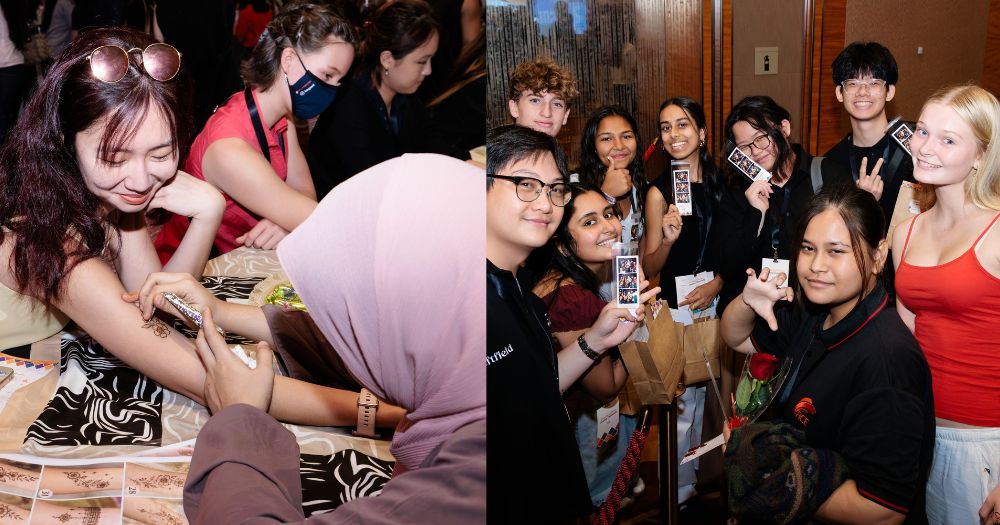
The event brought together local and international youths for social mixers, cultural activities, and discussions about issues on integration in Singapore.
The final-year undergraduate who spoke with a measured, polite cadence told me that during a leadership camp, her teammates were having “a really heated debate about certain initiatives” like co-curricular activities (CCAs).
“I couldn't understand anything because there were acronyms I didn't understand, and I had to ask them to explain to me over and over again.”
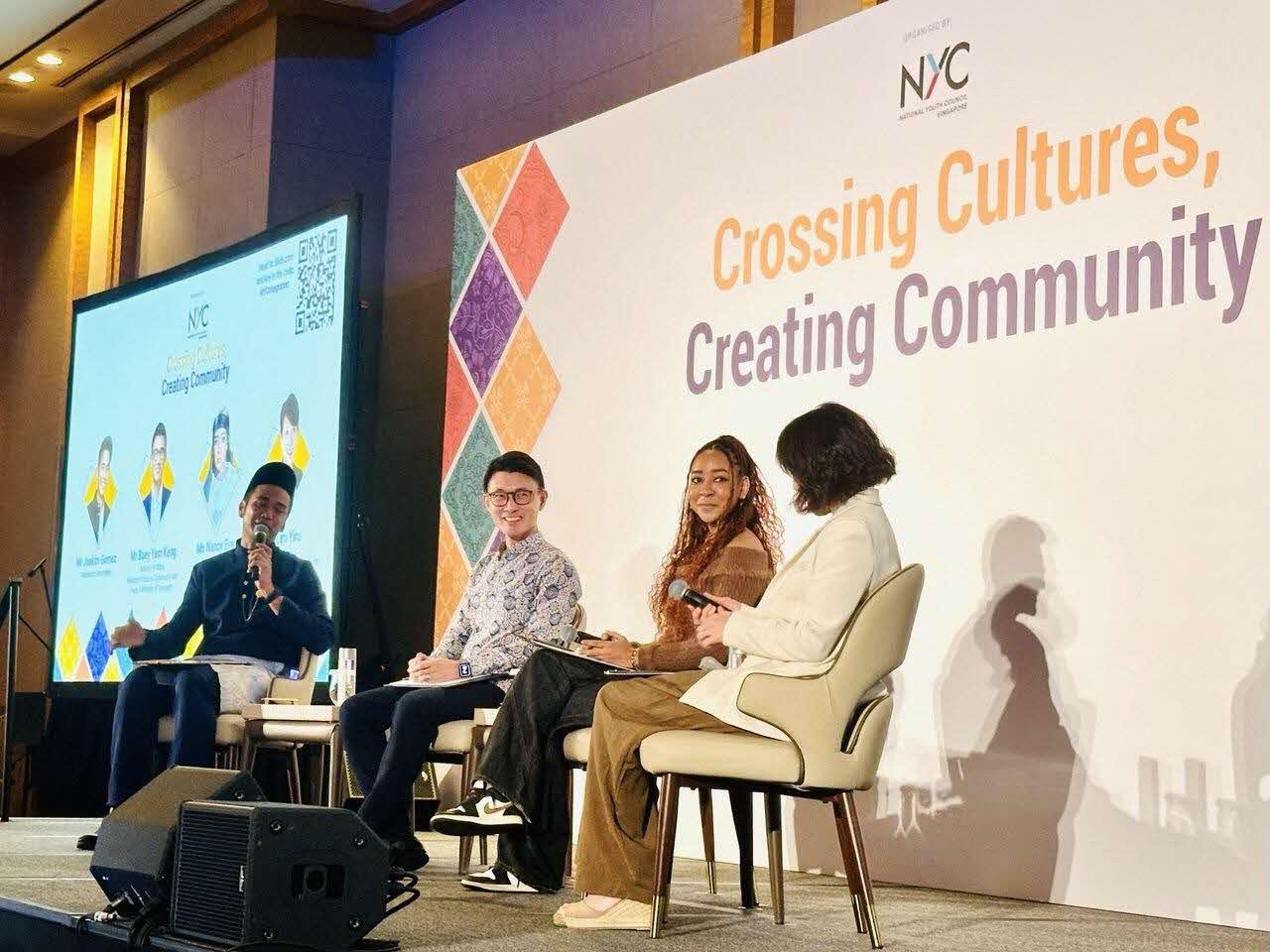 Photo from Mothership
Common barriers stalling interactions
It turns out there were other Singaporeans and international youths who felt the same way.
An online poll held during the panel dialogue with Minister of State for the Ministry of Culture, Community and Youth & Ministry of Transport, Baey Yam Keng, content creator Nancy Eva and Vice Dean of Singapore University of Social Sciences, Lim Yiru, illustrated this fact.
Youth were asked what might make them hesitant to get to know someone from a different nationality.
The top response, with 45 co-signs, was “language or communication style felt like a barrier”.
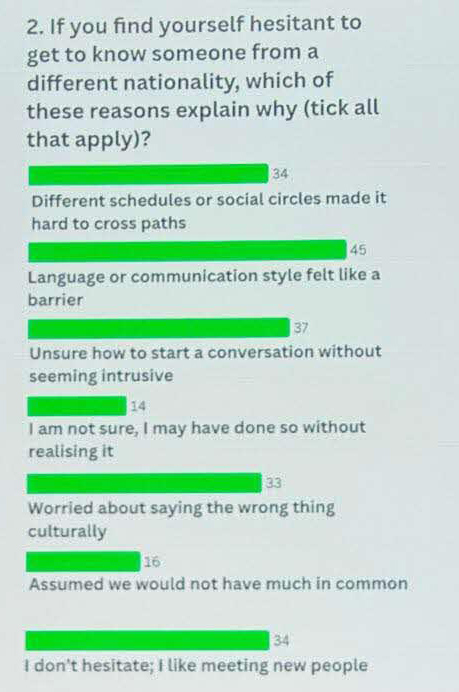 Photo from Mothership
I spoke to a current student from the National University of Singapore (NUS), Fan Yixiang, 20, whose family hails from Shanghai.
He said his biggest culture shock happened during the daily conversations he had with his classmates, “Sometimes they use English and sometimes they use Mandarin, or sometimes they use it interchangeably”.
While he said he eventually got used to code-switching, it made me wonder how international students navigated Singapore’s linguistically diverse environment.
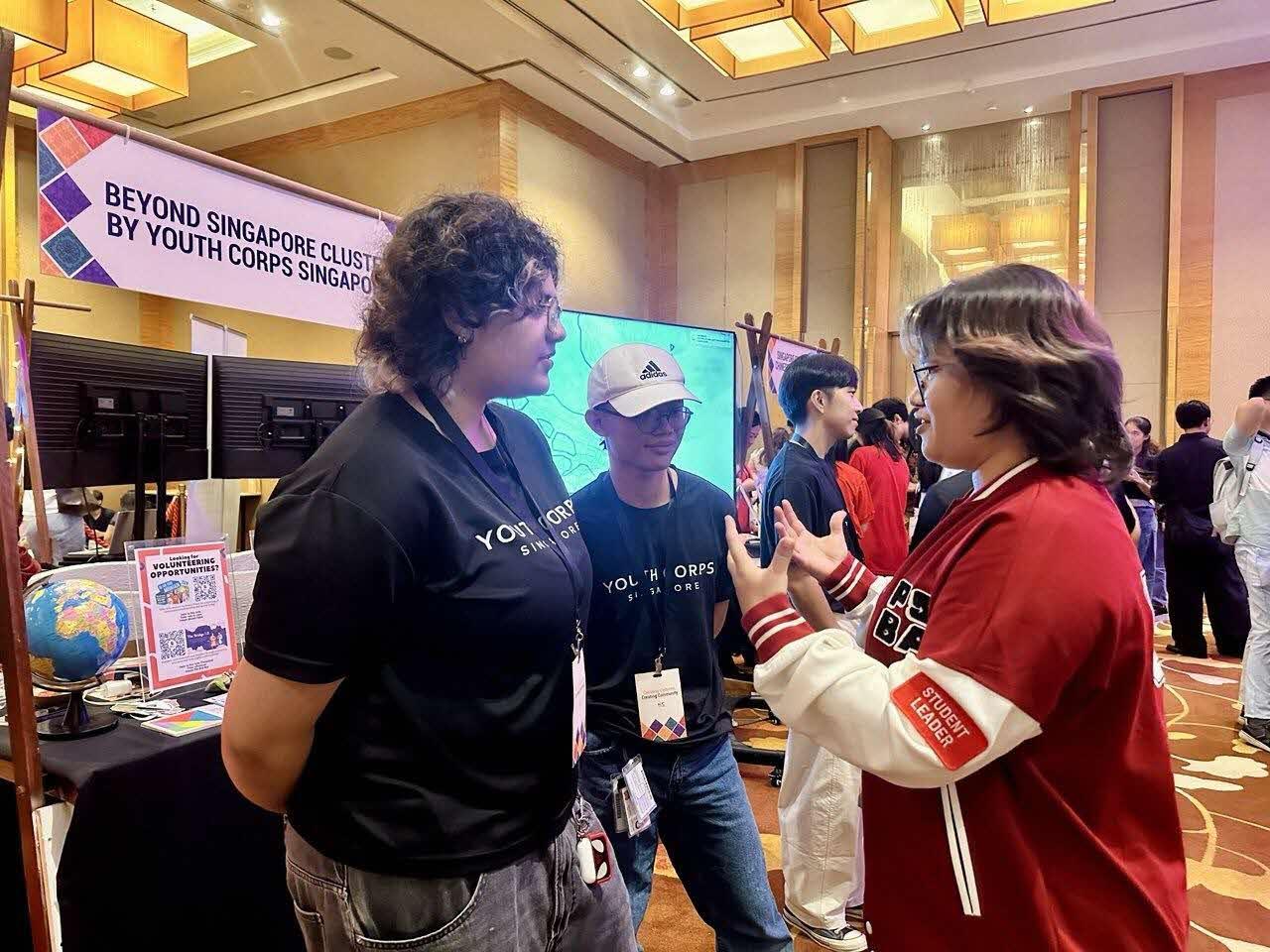 Photo from Mothership
Being part of the conversation
However, communication can also be the key to bridging people when both parties are willing to openly ask, explain and make the first move.
Chong said one of her most memorable conversations related to integration came from her lack of knowledge of Singaporean acronyms.
During a discussion about Singapore's education system and co-curricular activities at the 2026 National Youth Council Leaders Course (NYCLC), Chong was the only international student in her group.
The NYCLC is an annual three-day course that unites student leaders from Institutes of Higher Learning to embark on programmes including Outdoor Adventure Education and service journeys to build friendships and discuss leadership and governance.
Fellow attendees blended multiple languages, acronyms, short forms and references to local initiatives into their speech.
This communication style was familiar to them but not to her, making it a bewildering experience.
Rather than pretending she understood, Chong kept asking what the terms meant, and her group took the time to explain them.
They also turned the conversation around, asking her how similar issues were handled in Malaysia.
That exchange turned the experience from one where she was simply trying to catch up to one where she could contribute her own perspective, enriching the team’s discussions.
Chong said: “We are not that different. So I might be Malaysian, you might be Singaporean, but that doesn’t mean that we cannot be in the same circles.”
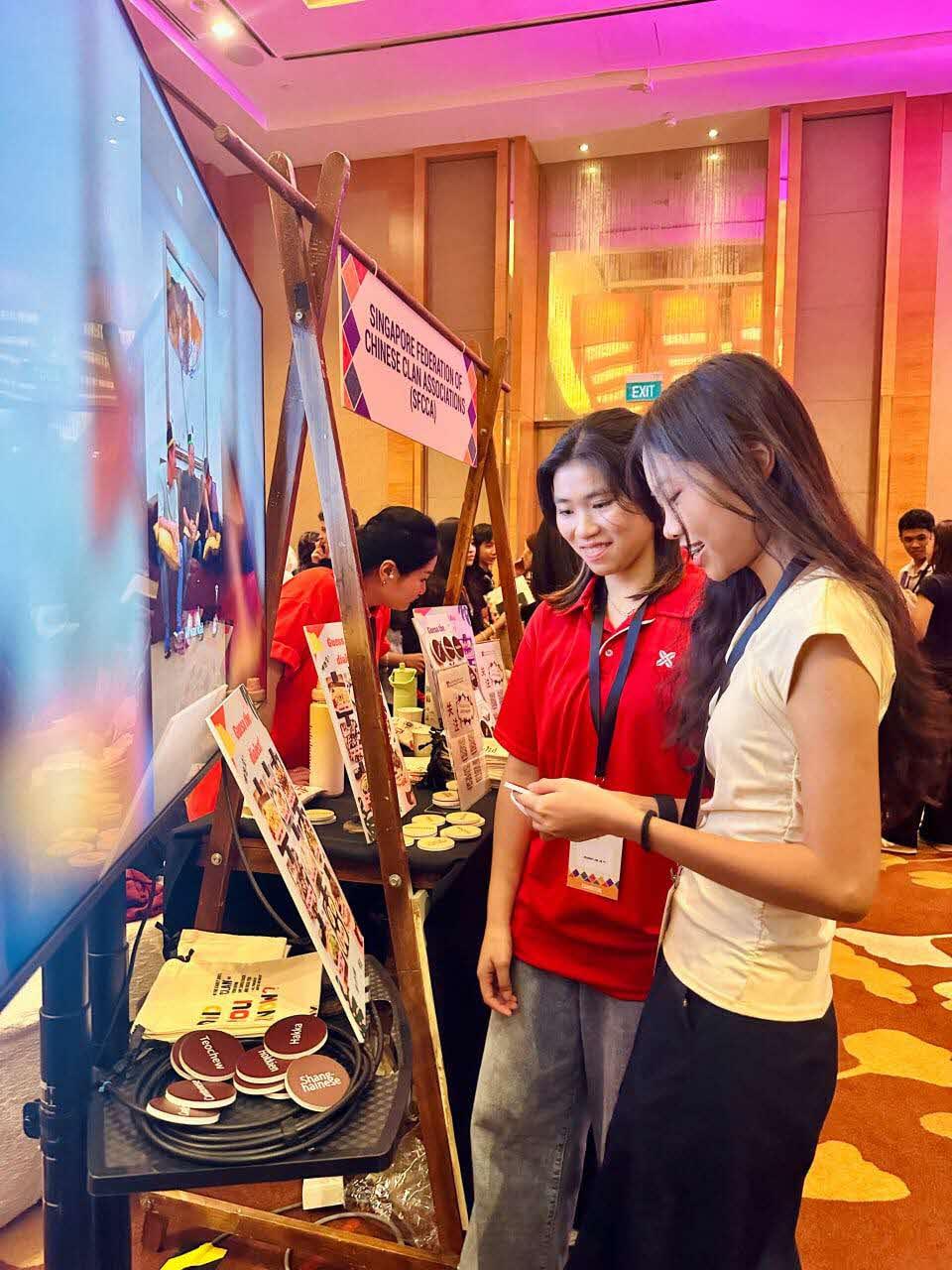 Photo from Mothership
Don’t let uncertainty stop you from reaching out
Singaporean Harishpal Singh, a 34-year-old Senior Business Analyst at Crédit Agricole CIB, has seen the other side of the equation.
As head of the Young Sikh Association (Singapore), Harishpal regularly organises events that bring together youths from different backgrounds.
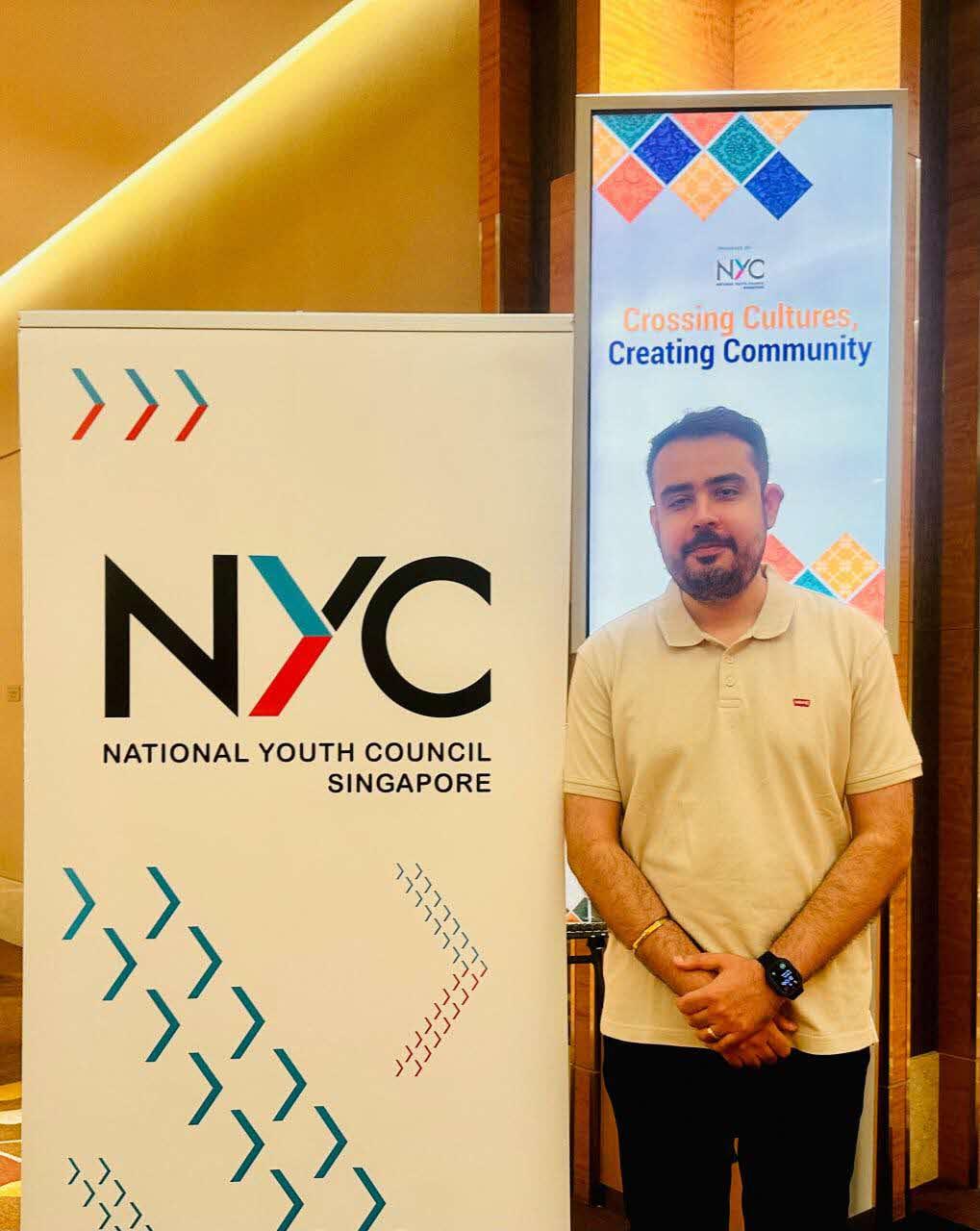 Photo from Mothership
His own experience with integration began years earlier, when an international exchange student at university seemed to be struggling to find his footing in Singapore.
Singaporeans can sometimes be “reserved”, Harishpal said, and may hesitate to approach people from different countries because they feel they have not had enough exposure to other cultures.
“When I observe my time growing up as a Singaporean, sometimes there might be that inferiority complex kind of situation where we feel that it's hard for us to reach out to our international counterparts or youths.”
“Youths should just take the first step, approach them [international students]”, said Harishpal, noting that the perceived lack of worldly knowledge should not be a hindrance when reaching out to start a conversation.
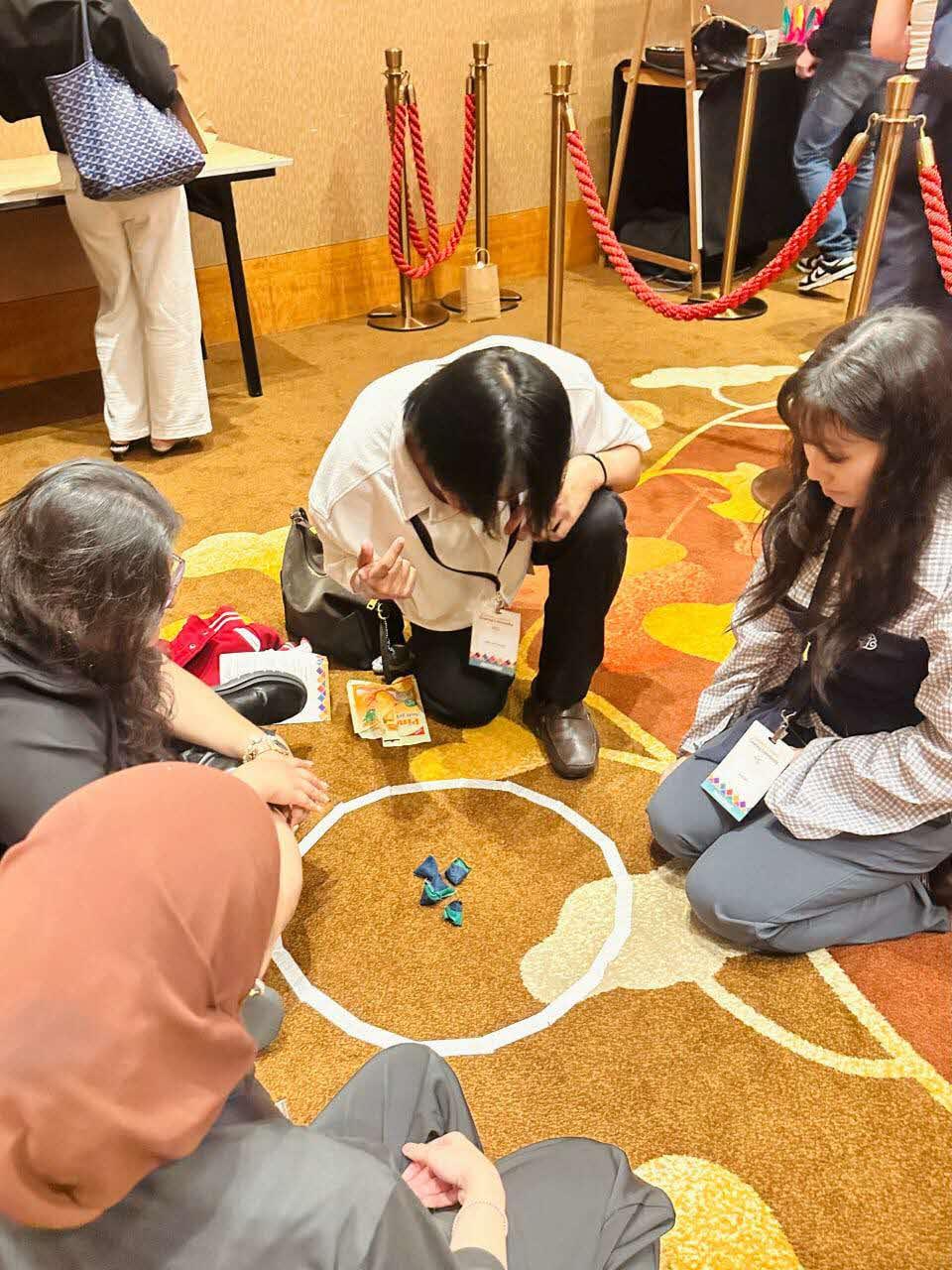 Photo from Mothership
Creating spaces to cross those circles
Chong noted that the symposium provided a space for youth to discuss integration openly and think about how they could get involved.
Her experience with NTU’s Association of Malaysian Chinese Independent School Alumni (AMCISA) had already shown her the value of having a community that felt familiar.
Surrounded by people who shared similar backgrounds and experiences, she felt a sense of belonging in Singapore.
But she also realised that it could be easy to stay within that comfort zone.
Through her Singaporean friends, she was introduced to perspectives and social circles outside her own, while she was able to bring them into her Malaysian circle as well.
To her, meaningful integration does not mean leaving behind where you come from. Instead, it means being willing to look beyond the people you already know, while bringing others into your own circle too.
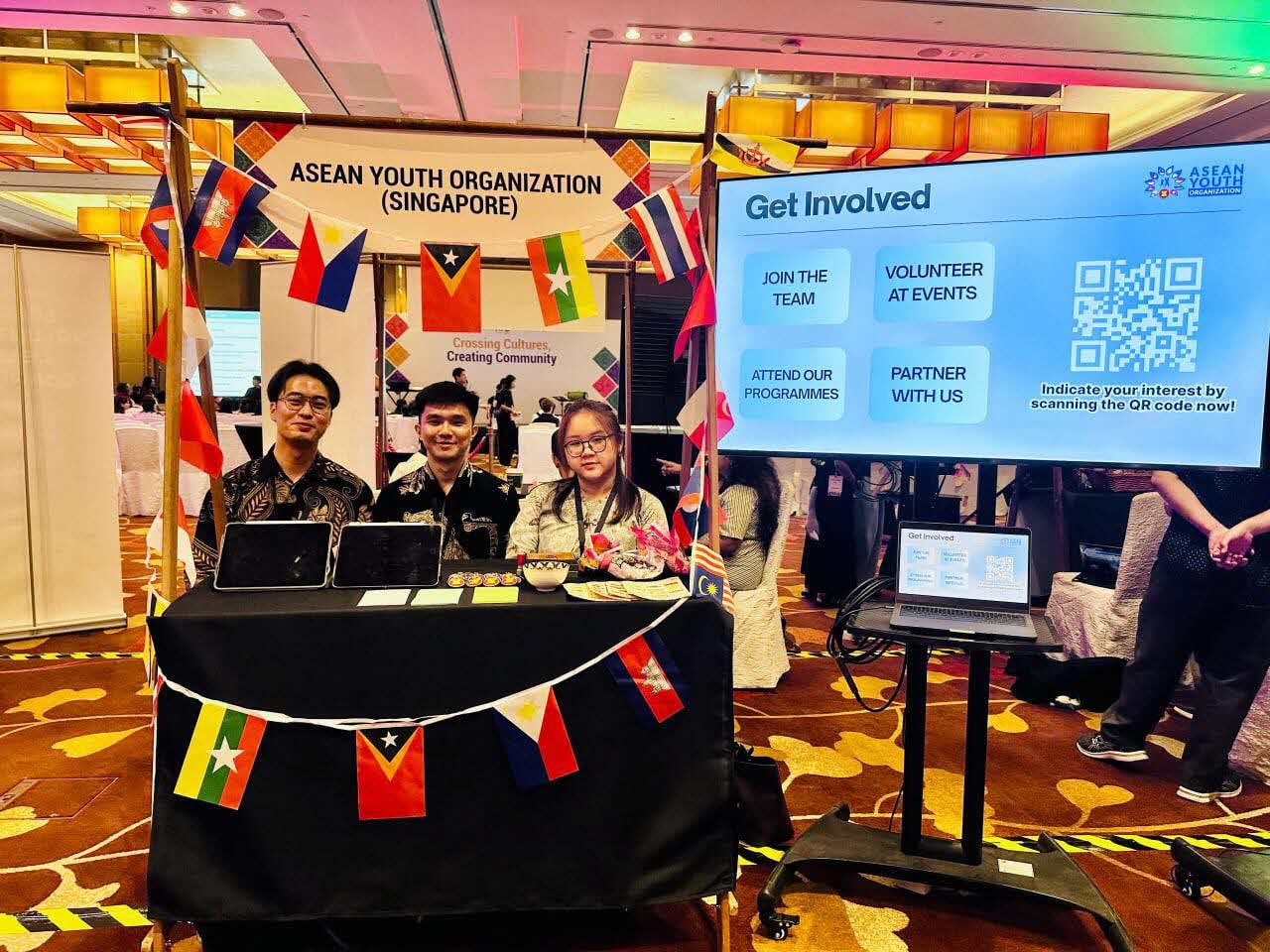 Photo from Mothership
 Photo from Mothership
Be the bridge
Communication may be a barrier, but it can also be the key.
NYC's pilot Integration Ambassador Programme (IAP) aims to bring together Singaporeans and Singapore-based foreigners to develop initiatives that foster integration.
For youths aged 18 to 35 who are passionate about bridging different cultures, the six-month programme offers an opportunity to move from simply talking about integration to thinking about what they can do to shape it.
The programme comprises a two-day induction programme at the end of October and a post-induction journey that runs till March 2027.
Participants will also have the opportunity to be invited for future local-foreigner integration events and platforms post-IAP, such as government and partner organisation programmes.
If you think you have what it takes to bridge cultures and wish to meet like-minded youth from all walks of life, join the IAP here.
This sponsored article by NYC made this writer reflect on how much we can learn by stepping outside our usual social circles.