Abroad


Taiwan couple allegedly ran elaborate scam ring that cheated 20,000 men of S$36 million, punished underperformers with sex acts
A total of 57 people were charged in connection with the scam.
September 03, 2026, 02:38 PM
Image from Sinchew and Ettoday


A couple in Taiwan allegedly ran a love scam ring that used photos of attractive women and AI-generated female voices to lure male victims on dating apps into buying overpriced products.
On Sep. 2, a total of 57 people were charged in Taiwan in connection with the sophisticated romance scam.
The scam ring allegedly defrauded more than 20,000 people of at least NT$900 million (S$36 million), Focus Taiwan reported.
A man surnamed Huang and his wife, surnamed Hsu, reportedly divided their operations into several teams: “lead generation”, “new customers”, “public relations” and “returning customers”.
Lured victims on dating app
According to Focus Taiwan, the scam operation began in 2022.
Prosecutors said the lead-generation team created profiles on dating apps using photos and names of women to attract potential victims.
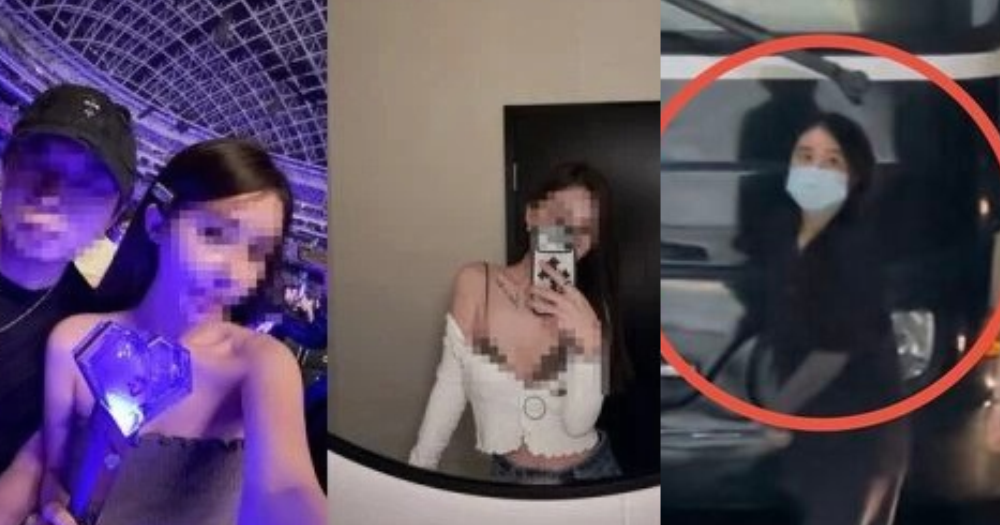
These women included members of the group's public relations team.
Victims who showed interest in the profiles were subsequently handed over to the new-customer team, whose members posed as the women and chatted with them online.
The team then persuaded victims to purchase products priced at around NT$1,000 to NT$2,000 (S$40 to S$80), claiming that the purchases would help the women meet their sales targets.
The products included fish oil, Antrodia cinnamomea and power banks.
Cultivated relationships
Members of the cultivation team will reportedly continue communicating with the victim and cultivate romantic relationships with them, prosecutors added.
Once a relationship had been established, the victims were asked to buy or give gifts, including phones, air purifiers and hair dryers, prosecutors said.
Women from the public relations team would reportedly meet victims in person for dates and sometimes have sex with them.
They would then collect cash, phones, appliances and other gifts, which were returned to the group.
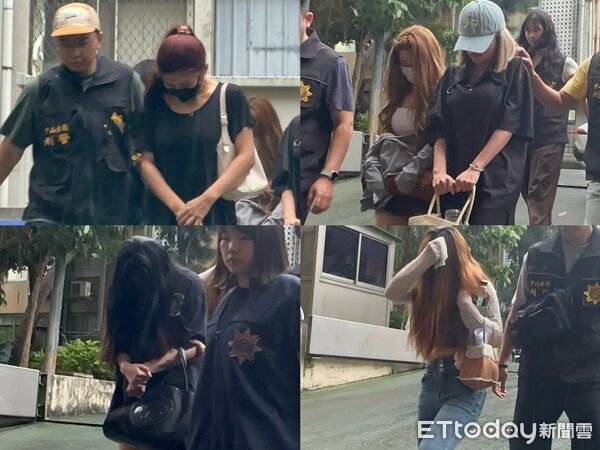 Image from ETToday
According to Focus Taiwan, the returning-customer team would also solicit money from the victims for living expenses, medical bills, and cosmetic surgery debts, as well as payments for beauty and tattooing courses from businesses run by associates, prosecutors said.
AI voice-changing software
According to prosecutors, an engineer, surnamed Chung, developed AI voice-changing software that allowed members of the group to impersonate women from the public relations team during phone calls with the victims.
According to ET Today, the ring's leaders also subjected members who failed to meet performance targets to physical punishments, including being electrocuted with fly swatters, and coerced into performing sex acts.
The defendants were indicted on charges under the Fraud Crime Hazard Prevention Act, the Money Laundering Control Act and Criminal Code provisions covering internet fraud committed by three or more people.
Prosecutors are seeking sentences of at least 25 years for Huang and 18 years for Hsu.