Parliament


Pritam Singh: WP agrees with increase in MPs' salary but differs on formula
Singh also questioned the job of mayors in his response.
September 10, 2026, 02:14 PM
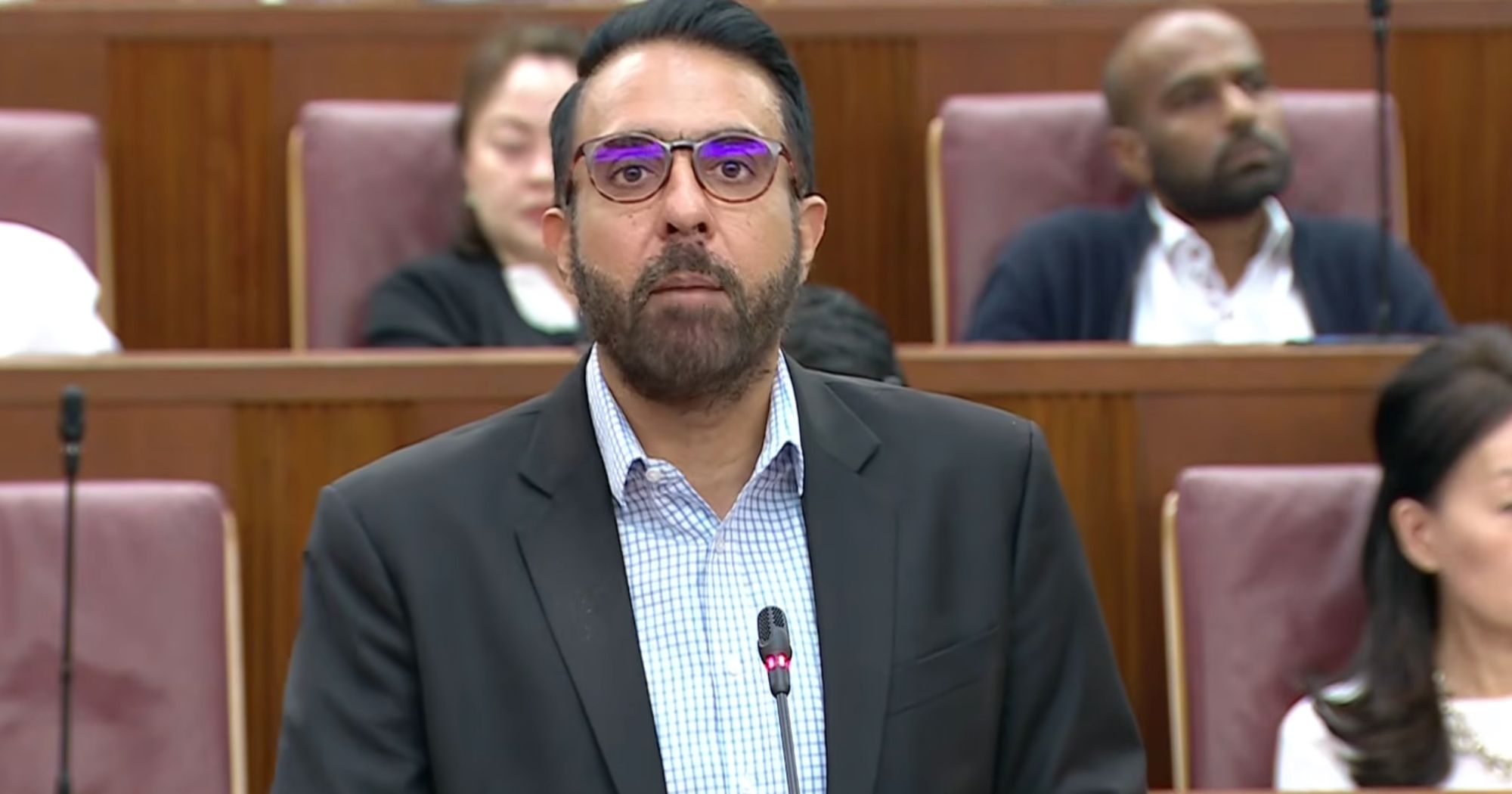
Photo from MDDI/YouTube


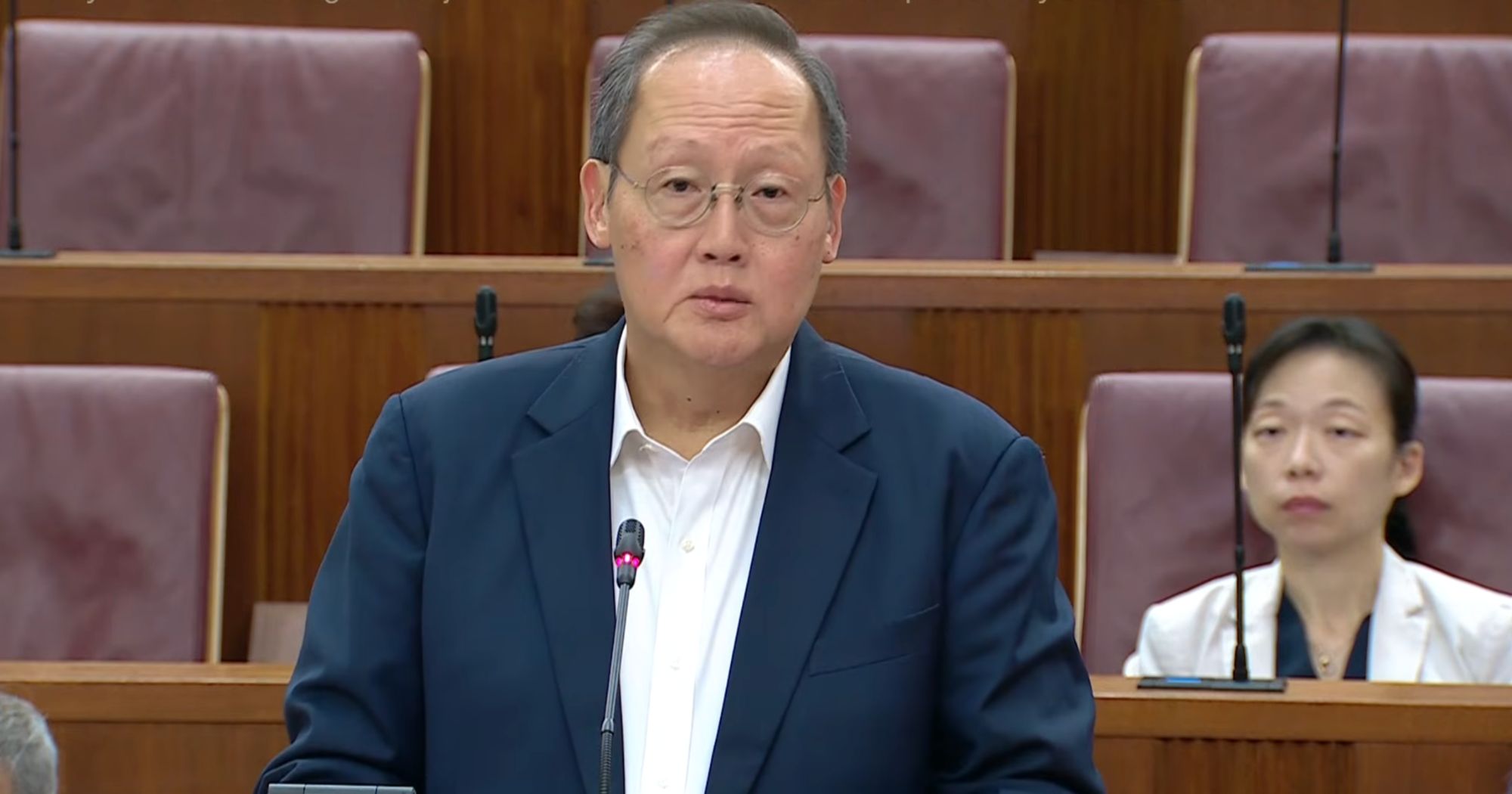
WP chief Pritam Singh said the Workers' Party supports the increase in salaries to Members of Parliament (MPs) in view of inflation, and also agrees with the decision of the Prime Minister not to increase the salaries of ministers beyond up to 9 per cent.
He was speaking at the parliamentary debate on the ministerial salary review.
However, Singh said that WP takes the view that a multiple of an MP's salary pegged at that of a senior public servant, combined with a more modest variable component, would be a better approach.
This differs from the committee's recommendation to continue pegging ministerial salaries to the median salary of the top 1,000 earners in Singapore with a discount.
Differing position on how figures are derived
Singh said that WP favours the formula they laid out previously in 2012 to derive political salaries.
In their view, it went further to address the "overly emotive elements" surrounding discussions on political salaries, by pegging it to a "more accessible reference point" for the public.
This involves pegging ministerial salaries to a multiple of an MP's salary, which is in turn derived from a public sector appointee's salary.
This formula is preferred to one that bases ministerial salaries from a discount to the median salary of the top 1,000 earners in Singapore, he said.
"Under our 2012 proposal, and with the passage of time, the increases to a minister's total salary would be more modest," he said.
However, in the case of ministers, a "more calibrated and measured" approach has been taken by Prime Minister Lawrence Wong in response to the committee's recommendations, he said.
The committee has referenced its recommendations to wage increases for Singaporeans at the 50th and 20th percentiles of incomes since 2012, he noted.
While this may be a "plausible and useful comparison" to consider, employing the same reasoning to adjust the MR4 minister total annual salary norm produces a "much more significant absolute quantum of increase".
"This increase has not gone unnoticed by members of the public, and it is an increase which the committee itself considers significant," he said.
He further pointed out that under the committee's proposed structure, the annual MP allowance package will increase from S$192,500 to S$259,000, an increase explained largely by inflation.
Meanwhile, an entry-level minister's annual reference salary will increase from S$1.1 million to S$1.8 million.
Singh noted that a minister also earns an MP's allowance.
He further noted that the percentage increase for an MR4 minister is roughly 1.8 times that of an MP.
This could explain why PM Wong has proposed a first step increase of up to 9 per cent and has committed that paying a minister 1.8 million dollars, as laid out in the committee's report, is not a target, he said.
WP agrees with his "more sober approach" to raising ministerial salaries compared to the committee's recommendation, Singh said.
However, Singh raised a clarification, asking the PM if this meant that there will be no further across-the-board adjustments, with any subsequent increases based solely on individual performance and responsiblities.
Gap between norm annual salary for ministers
Next, Singh addressed the public confusion about the variable component of the MR4 minister's total salary norm, as expressed in the committee's report.
At S$1.1 million today, the MR4 reference annual salary assumes 13 months of fixed pay and seven months of variable pay.
The variable components comprise the annual variable component, performance bonus, and national bonus.
The government has clarified that the S$1.1 million is an all-in reference figure comprising fixed and variable components.
He noted that the government disclosed that from 2013 to 2017, actual variable payments or the bonus to cabinet ministers averaged 9.7 months a year, not seven months as assumed by the annual salary norm in the committee's report.
He then sets out the case that it would be more transparent to disclose how actual total remuneration received by MR4 ministers has compared with the annual salary norm since the new formula was introduced in 2012.
"This would provide a more accurate picture of what ministers have actually received in practice, as distinct from the annual total salary norm used by the committee as a key point of reference," he said.
Singh further noted that the committee's proposal calls for a wider range of salaries at each ministerial grade to accommodate a greater diversity of talent, while "potentially giving the PAP more flexibility in recruiting political candidates from the private sector", as alluded to by the PM.
He cautioned that this increased flexibility will also contribute to a "concomitant increase in public scrutiny" about the total annual salaries of individual ministers, in the interests of transparency.
Reality of WP candidate
Touching on PM Wong's observation in his ministerial speech on Sep. 8 that a proper MP allowance would enable both the PAP and the Workers' Party to recruit and field strong candidates.
Singh stated that while remuneration is not unimportant, remuneration is not what drives an "individual to become a Workers’ Party candidate".
"The Workers' Party fields candidates who not only believe in a more democratic and balanced political system, but they are prepared to stand behind their convictions against significant odds while working for Singaporeans on the ground," he said.
He explained that the "reality" is that winning an election for the opposition represents a "gargantuan challenge" both personally and professionally.
"For a Workers' Party candidate, there can be no assumption of electoral success, particularly given the structural advantages enjoyed by the incumbent governing party," he said.
Job scope of mayors
Singh also questioned the job of mayors in his response.
He noted that the 2026 Review Committee has now recognised that the considerations for community-related roles such as MPs and mayors may differ from those for full-time political appointment holders.
The Committee has recommended that the Government study establishing a basis for sizing the payments for these roles that is delinked from the MR4 benchmark, while remaining adequate for these roles to be carried out faithfully and effectively.
He noted that the Government has accepted this recommendation and will undertake such a study.
He questioned when the study is likely to be completed and also asked the government to include in its study whether it intends to keep the Office of the Mayor and to explain its scope, role and function.
Noting that three out of five mayors are also political office holders, Singh said the treatment of such mayors amplifies the public interest in the real job scope of mayors.
Review of legislative assistants and secretarial assistants' salary
On his last point, Singh called for a review of the allowance provided to legislative assistants and secretarial assistants to MP.
He noted that the remuneration and manpower support for these groups have not been reviewed as part of the recent exercise.
Noting that the allowances were last updated in 2007, he questioned why this was so.
"Their allowances should also increase to accommodate the inflation over close to two decades," Singh said, adding that legislative assistants and secretarial assistants are "unseen contributors" behind the scenes that help MPs discharge their responsibilities to their constituents or to this House.