Parliament


Using AI for complex religious answers? Best to check with a qualified asatizah: Acting Minister-in-charge of Muslim Affairs on religious guidance
"It's very difficult to police algorithms," said Zaqy Mohamad.
September 09, 2026, 01:44 PM
Top images via MDDI Singapore


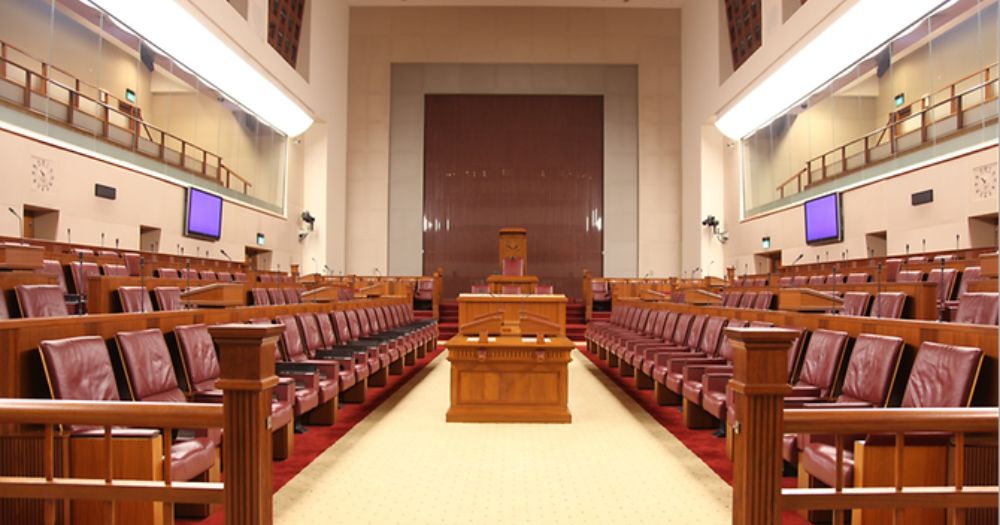
Generative AI and online platforms can make religious knowledge more accessible, but should not be relied on as the primary source of religious guidance, Acting Minister-in-charge of Muslim Affairs Zaqy Mohamad said in Parliament.
He was responding to a question on whether MUIS would issue guidance to help Muslims verify AI-generated religious answers against authoritative sources, and know when to consult qualified asatizah.
Zaqy said complex religious matters require scholarly interpretation and contextual understanding, and that a qualified asatizah or other trustworthy source should be consulted in those situations.
MUIS has been reinforcing this through Friday sermons, public talks and the MuslimSG platform, and will continue delivering practical guidance through social media and community partners to strengthen digital religious literacy.
How do you check an answer you cannot evaluate?
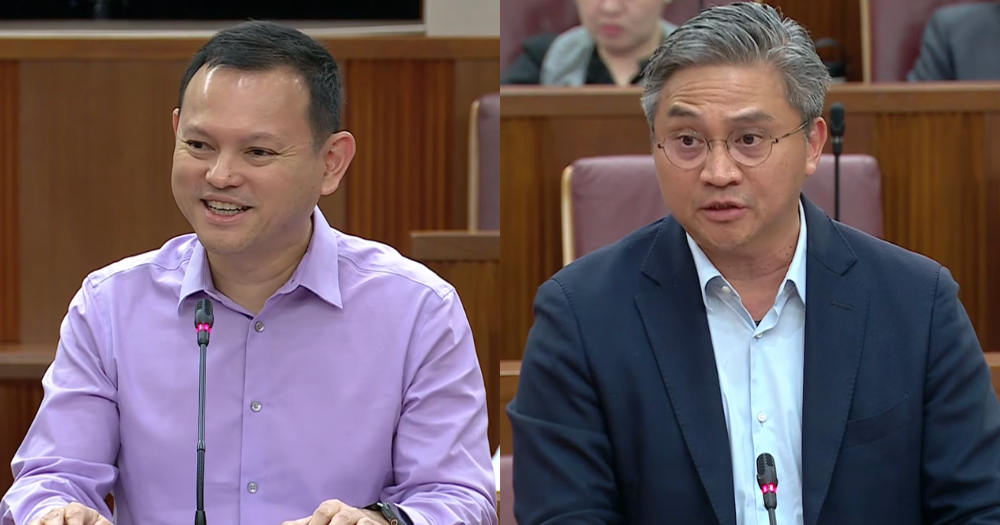
In two follow-up questions by Saktiandi Supaat, MP of Bishan-Toa Payoh GRC, PAP, he noted that someone seeking religious guidance may not have the knowledge to verify an AI-generated answer, even when references are provided.
He asked whether MUIS could strengthen existing channels so members of the public could submit such answers for checking by qualified asatizah and receive a timely response, particularly on matters affecting important family or personal decisions.
He also asked how MUIS would reach Muslims who get most of their religious information online, including those who do not regularly attend mosque programmes or religious classes.
"Certainly room for us to improve"
Agreeing that the questions were valid, Zaqy said the concern extends beyond the Muslim community to how people consume content generally, given that influencers now come from all over the world.
On accessibility, he said: "There's certainly room for us to improve accessibility to information, accessibility to asatizah, for example."
He said MUIS is looking at upgrading the MuslimSG platform, and that it could be made more interactive and accessible in future.
MUIS is also training its teachers to work with the technology.
He said:
"We're educating and even upgrading many of our asatizahs to be more familiar with generative AI and new digital tools. Some of them have already undergone training to better understand the effects, or even how to use AI better, because ultimately they do have to explain."
Asatizah are accessible through the Asatizah Recognition Scheme (ARS) website, he added, and people can also approach MUIS directly for religious guidance.
He said religious education has to be approached holistically across both the physical and digital realms, and that MUIS is conscious of the need to reach young people who may be influenced, given the risk of radicalisation and false teachings.
He said the asatizah community also has a role in helping Muslims contextualise teachings received from overseas clerics and muftis into the Singapore context.
A dedicated unit to comb the internet?
PAP MP Dr Wan Rizal then asked whether MUIS could set up a dedicated unit to search the internet for religious misinformation before it gains traction in the community, suggesting the current approach was defensive.
Zaqy said that in an “ideal state with unlimited resources” it might be possible, but the internet is vast and it is very difficult to pick out every site or source.
What matters more, he said, is identifying themes that resonate with people but may be false or not contextualised to Singapore.
He gave an example from a few years ago, when there were questions over whether Muslims could wish others a Merry Christmas.
Themes that run against the spirit of inclusivity and Singapore's multiracial and multireligious context have to be addressed, he said.
"Very difficult to police algorithms"
Zaqy said generative AI presents a particular problem because it does not draw from a single site.
He said:
"Generative AI does not come from sites as well, it comes from algorithms that are pulled together from different sites. So it's very difficult to police algorithms."
He compared it to the risk of self-styled influencers giving out religious information.
He said:
"It's not about guarding where the information comes from, but it's really also about inoculating our people in terms of how to recognise the risk, helping parents also recognise the risk with what's going on with their kids."