News


S'porean man, 55, who retired at 35, rents out room in fully-paid S$87,000 flat to recoup costs, helps underprivileged overseas
Extreme but doable.
July 31, 2026, 06:19 PM
CNA Insider & Giving & Taking Free Stuff Facebook


A video about the simple lifestyle of a 55-year-old man in Singapore, who retired at age 35, has blown up online.
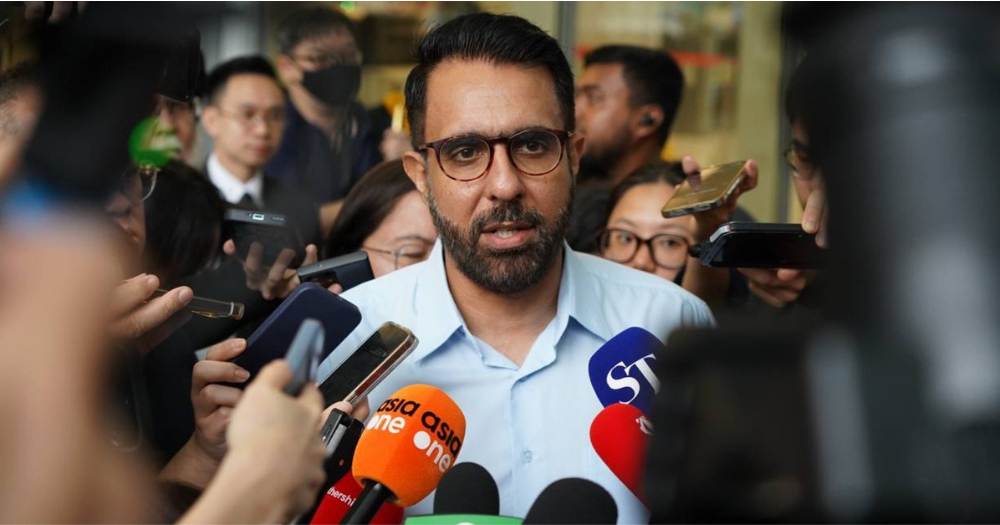
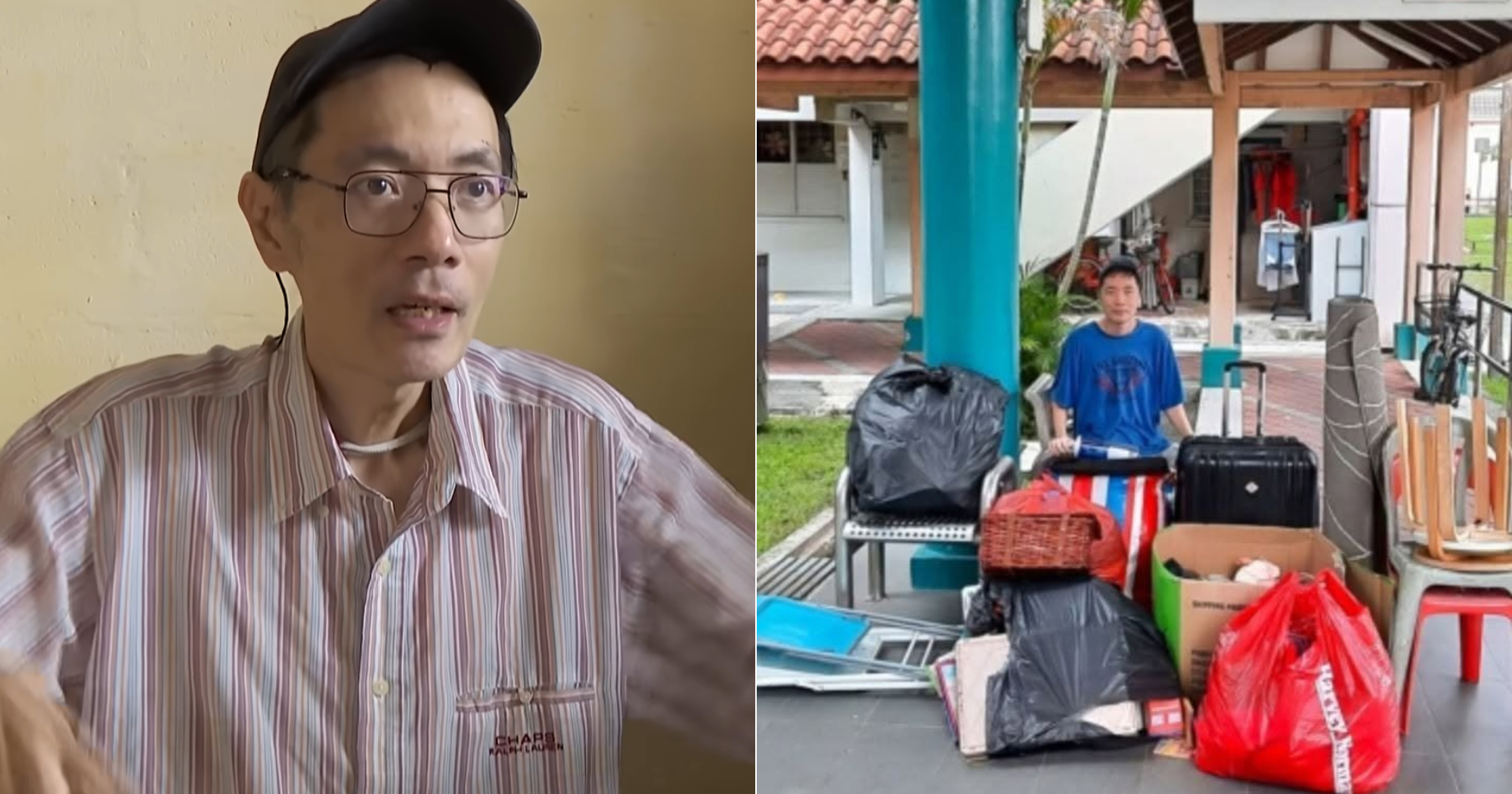
Colin Lau shared about his life and his unorthodox approach to his finances in a Jul. 24, 2026 video by CNA Insider.
The video has been viewed 1.7 million times in under a week.
His story
Lau said he was traumatised as a child after seeing his aunt cry about being retrenched.
His aunt informed him then that it was normal for people to get retrenched at around age 45.
He then pledged to save as much money as he humanly could to avoid the same fate.
Lo and behold, he got retrenched at 35 instead of 45.
The language learning centre he worked for shut down after the building was demolished.
It was a massive blow.
He "cried and cried", he wrote on Facebook.
Buying a house to generate cash flow
However, he learned from a property agent about a way to generate cash flow.
As a single man who had hit 35 years old, he was able to buy the cheapest flat he could afford to pay in full and rent out a room.
He ended up purchasing a S$87,000 three-room flat in 2007 that had about 64 years left on its lease.
He did not take a loan as you "lose a lot of money by paying mortgages", he wrote.
The flat was built in 1971, the year Lau was born — he could live there till he turns 99.
Renting out room paid for flat
He also revealed that he recouped the cost of his flat after renting out a room for eight years.
This works out to about S$900 a month in rent that he still collects to this day from a tenant.
He explained his financial thinking: "I bought a cheap flat. Eight years later, the cheap flat is free of charge for me. And then the price of the flat went up."
Gets S$2,500 cash flow per month
Besides asset appreciation, Lau's life, as shared, revolved around saving aggressively, spending very little, and setting the rest of his money aside to be invested or used for another day.
He said of his approach: "Everybody was spending money like water, I was spending like a test tube."
He also estimated that he saved the bulk of what he earned: "I don't know, maybe, 80 per cent? I think it's pretty high, right? Sometimes it was 90 per cent."
These days, he receives payouts from insurance plans that he purchased when he was younger.
His cash flow is about S$2,500 a month, inclusive of the money he makes as a landlord.
He said he spends less than S$150 a month these days.
He continues to save the remainder of this S$2,500 monthly payout for the day he needs a helper to take care of him or check into a nursing home when he grows old as a bachelor.
He urged people not to save on the small things, but focus on the big ticket items, such as housing: "The real saving is when you save on the expensive stuff."
He admitted that he does not eat much as he wants to manage his blood glucose level.
He wrote that he was fat before and he is now thin and he chooses to be thin so that he would not have gut issues.
What he has been doing with his life
Lau writes in a self-deprecating tone.
This is evident from his Facebook post where he called himself "an extreme cheapskate".
He also revealed in his interview that he enjoys music, reading, and listening to podcasts — activities that are free and stimulate him mentally.
Trade-offs
But some of the trade-offs he has had to make included not being able to buy a bigger home or have children of his own.
He keeps a dog though.
Health issues have also cropped up.
In June 2025, his feet became swollen and he fainted.
He was found by his neighbours.
He underwent 15 surgeries and had a 62-day hospital stay.
His hospital bill came up to S$146,000.
But he paid nothing out of pocket as he chose the lowest ward class and had insurance coverage.
Helping the underprivileged in the Philippines
With all his free time on hand, Lau spends it helping others too.
He wrote that he has a "weird" hobby: Dumpster diving.
He will find items that are too good to be thrown away and have them shipped to Manila in the Philippines.
He was able to liaise with a cargo ship boss who would pack the cargo ship with loose items to make use of any free space on board.
Lau wrote: "Yes, very poor people in Manila slums will fight for the stuff that people in Singapore throw away in perfect condition."
"I never get upset with my Singapore people for throwing away stuff that look brand new."
Lau runs a Facebook page that collects usable items from people in Singapore.