




Environment


Approved cat fosterers can keep up to 6 cats in HDB flats & 10 in private premises from Aug. 3 under pilot scheme
This includes both pet and fostered cats.
July 18, 2026, 12:16 PM
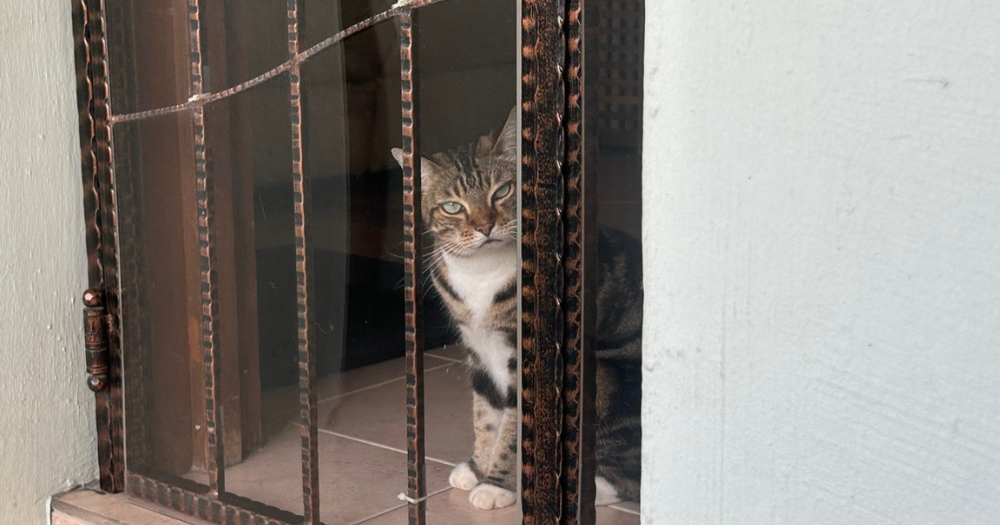
Image by Mothership

 From Aug. 3, approved cat fosterers will be allowed to license and keep up to six cats in three-room or larger Housing & Development Board (HDB) flats under a new two-year pilot scheme.
Under the same pilot scheme, approved fosterers are allowed to keep up to 10 cats in private premises.
The limits in both cases include all pet and foster cats in each household, the Animal and Veterinary Service (AVS) said in a Jul. 18 press release.
AVS shared that the scope of the pilot was developed gathering responses via extensive public engagements since 2023. Responses from fosterers, residents, cat owners, non-cat owners were gathered to ensure diverse perspectives were considered and discussions were held with animal welfare groups.
Licensing fees waived for approved cat fosterers during pilot period
The pilot scheme came after consultation with various stakeholders and with inputs from HDB for cat owning households in public housing, said AVS.
"AVS recognises that fosterers play an important role in cat management, by providing safe homes for cats in need, including those that are sick, injured, require palliative care, or pending adoption."
Fosterers also help reduce the number of free-roaming cats in the community and the potential disamenities they can cause, it added.
To support the efforts of cat fosterers, AVS will waive licensing fees for approved cat fosterers during the pilot period.
For unsterilised foster cats, a one-year licence will be issued with licensing fees waived, though this licence will not be renewable if the cats remain unsterilised upon expiry.
All cats in household must be sterilised
All cats in the household must also be sterilised to prevent unintended breeding.
For new foster cats taken in by approved fosterers, all kittens must be sterilised by six months of age or within two months of fostering, whichever is later, unless medically exempted.
All cats over six months of age must be sterilised within two months of fostering, unless medically certified to be incapable of reproduction.
Those who require assistance with microchipping and sterilising community cats can seek support through the Trap-Neuter-Rehome/Release-Manage (TNRM) programme.
How to apply for recognition as a responsible cat fosterer
Individuals can apply to be a recognised responsible cat fosterer from Aug. 3 via an online form.
Pre-requisites to be approved include:
- Experience caring for pet or foster cats;
- Available resources, including financially and time-wise, to care for foster cats in addition to pet cats, if any;
- Residence in private premises or a three-room or larger HDB sold flat;
- Sterilised and microchipping of all existing cats kept and fostered at the point of application;
- No adverse feedback relating to pets or disamenities on the premises in the two years prior to application;
- No track record of any animal welfare or pet licensing-related offences under the Animals & Birds Act in the two years prior to application.
Following the two-year period, AVS will assess whether it meets the needs of fosterers and gather feedback on the longer-term approach for fosterer recognition.
Non-licensing of pet cats to be an offence from Sep. 1
From Sep. 1, it will become an offence if a pet cat is not licensed.
Licensed pet cat owners will also need to ensure their cats are kept in a safe environment and take reasonable steps to protect them from hazards, such as installing mesh or grilles to prevent the cats from roaming freely or falling from height.
In public, cat owners will need to ensure that their cats are kept under physical control such as by placing their cat in a carrier or using a harness.
Those caught by AVS with unlicensed cats or for non-compliance to cat-keeping rules can face a fine of up to S$5,000.
The law will come into effect after the expiry of the ongoing two-year transition period that allowed cat owners to ease into meeting AVS' licensing requirements of pet cats.
Since Sep. 1, 2024, microchipping and licensing of pet cats has been made free at over 120 drives and sessions across the island, AVS updated on Jul. 18.
About 11,500 pet cats have been microchipped thus far, according to AVS.
Cat owners can apply for a licence for their pet cats via AVS’ online link.
To do so, pet cats must first be microchipped and first-time cat licence applicants will need to complete a one-time free online pet ownership course on basic pet care skills and responsible pet ownership.
Cat-keeping limits for licensed cats
Existing cat owners who have owned their cats before Sep. 1, 2024, and whose cats are licensed during the transition period, can continue to keep all their cats even if they exceed the limits permitted for HDB flats or private premises from Sep. 1, 2026.
For example, a household with five existing pet cats that have been licensed within the transition period will be allowed to keep all of them beyond Sep. 1, 2026.
At the same time, cat owners are reminded that abandonment of pets is an offence punishable by a fine of up to S$10,000, a jail term of up to 12 months, or both.