News


IMDA to take 'more flexible approach' to screening of dialect films in S'pore
MDDI noted the growing interest in dialects, including among younger Singaporeans.
June 22, 2026, 07:05 PM
Photos from Golden Village website


The Ministry of Digital Development and Information (MDDI) said it has heard the recent calls from the public for dialect movies to be screened more freely in Singapore cinemas.
The Infocomm Media Development Authority (IMDA) will take a more "flexible approach" in considering applications for such screenings.
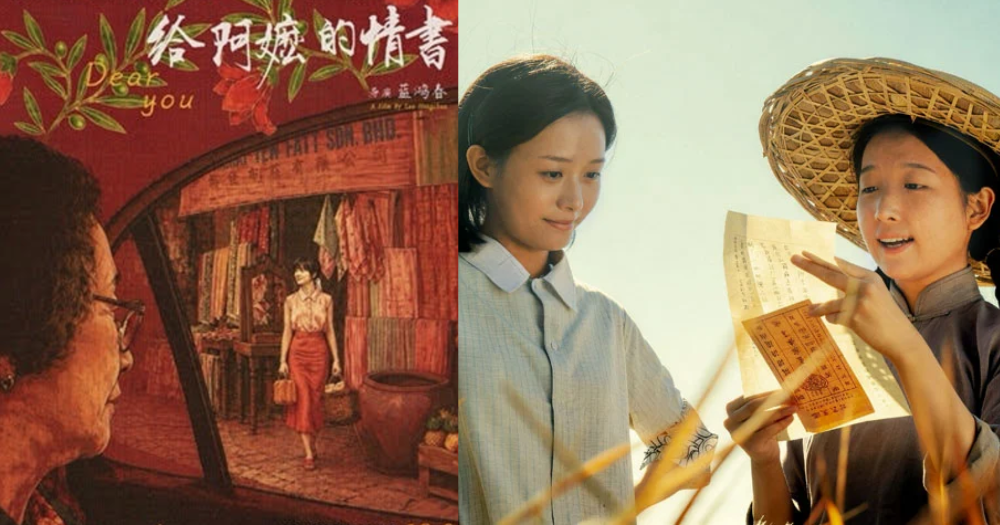
The ministry added that it will remain open to facilitating and supporting further Teochew screenings of the movie "Dear You", should the distributor wish to apply for them, in response to audience interest.
These remarks were included in a Jun. 22 statement from MDDI, hours after the second slate of screenings for the Chinese movie in its original Teochew dialect were released due to high demand.
Welcomes the conversation
MDDI thanked members of the public for their feedback and interest in the release of "Dear You".
"We welcome the broader conversation it has sparked about Chinese dialects and cultural identity in Singapore," the ministry said.
While the movie is mainly filmed in the Teochew dialect, it has been dubbed in Mandarin for its general release in Singapore.
The initial round of 10 screenings in Teochew, launched by operator Golden Village and distributor Clover Films, were sold out within two hours on Jun. 16.
Due to "overwhelming audience response", they added eight more screenings, which was supported by IMDA.
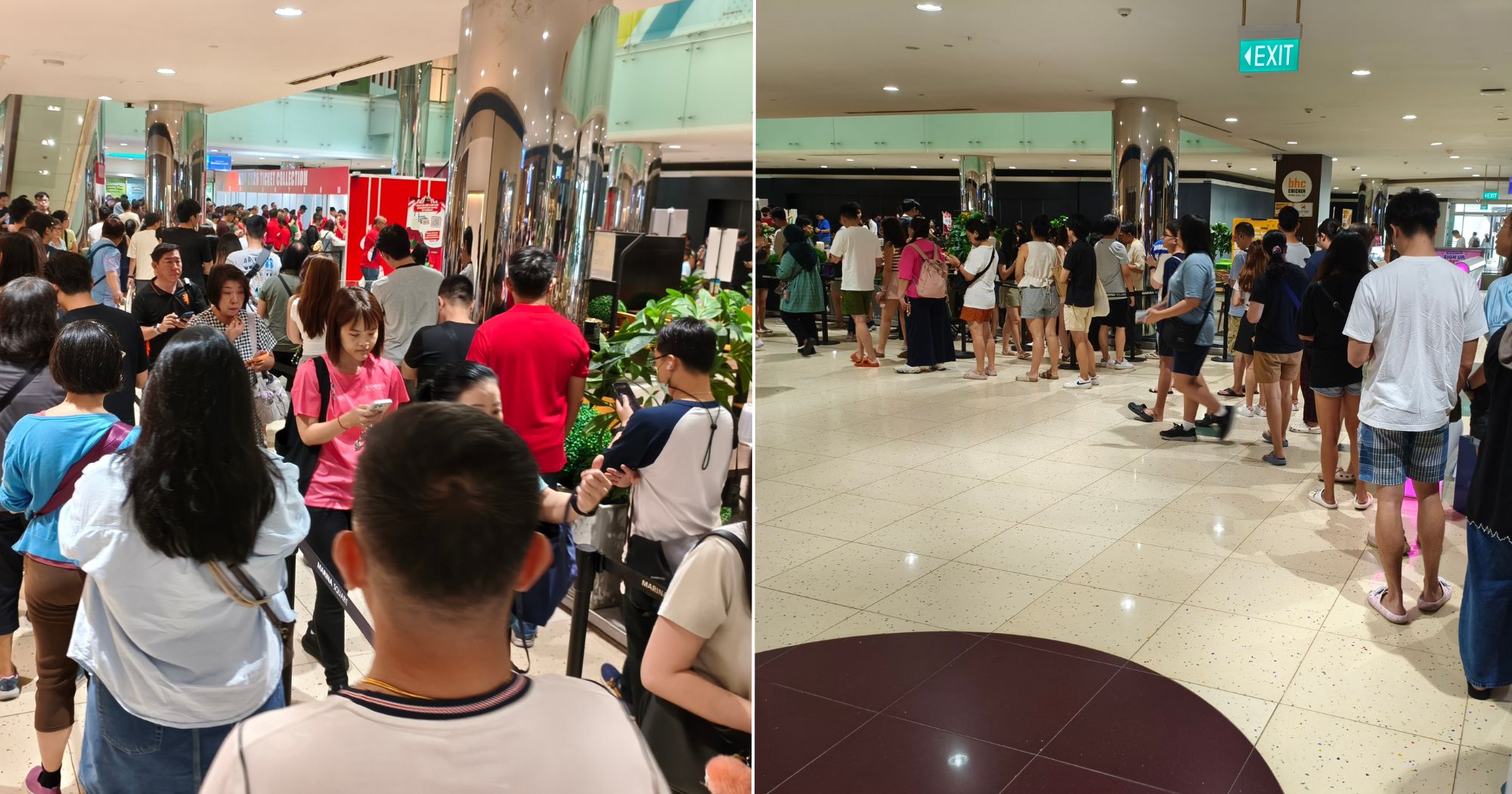
These screenings were sold out in under an hour and a half on Jun. 22, with wait times of up to four hours, according to a Mothership reader.
About 200 people queued in person at Golden Village's VivoCity outlet to secure a ticket, according to 8world.
Role of dialects
In their statement, MDDI reiterated the government's longstanding policy to promote Mandarin as one of our four official languages.
"This has helped to strengthen Mandarin proficiency across generations and facilitate communication among Chinese Singaporeans from different dialect backgrounds," the ministry said, adding that these objectives "remain relevant today".
It also acknowledged that dialects are an important part of Singapore’s cultural heritage.
"There is also growing interest, including among younger Singaporeans, in learning and appreciating dialects as part of understanding their heritage."
Today, the government supports the use of dialects in practical ways, MDDI added.
They include through the communication of important public information in dialects, Mediacorp programmes for seniors, and arts and cultural productions.
MDDI distinguished the role of Mandarin and that of other Chinese dialects in Singapore society.
"Mandarin continues to play an important unifying role among Chinese Singaporeans, while dialects remain a valued part of Singapore’s cultural heritage and identity," it said.
"We are encouraged by the growing interest in dialects, including among younger Singaporeans," the ministry added, stating that it will keep reviewing its approach to support the appreciation and use of dialects in Singapore.