Court


S'pore man, 72, ordered to sell family's S$9 million Eunos home after losing lawsuit against youngest brother
Their late mother became the sole owner of the property after her husband died in 1992.
June 22, 2026, 03:05 PM
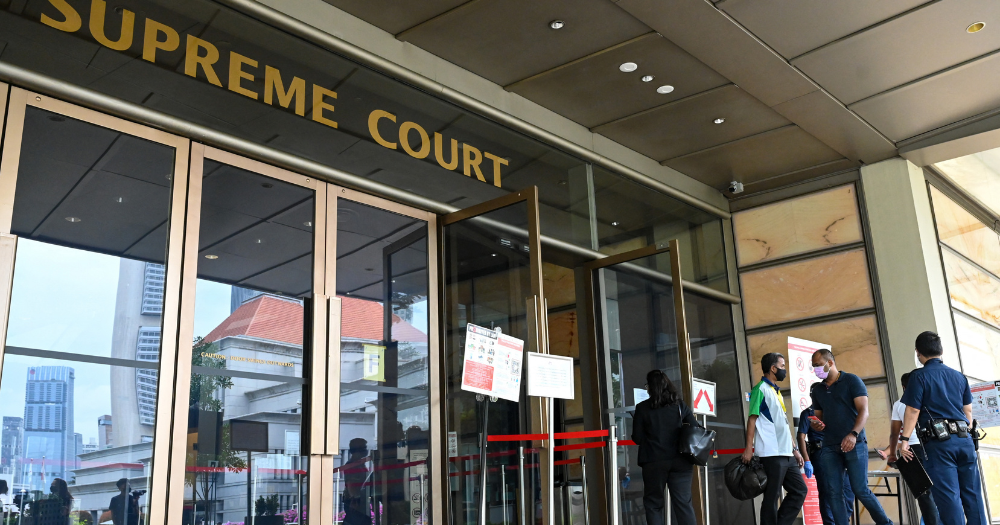
Photo from AFP.


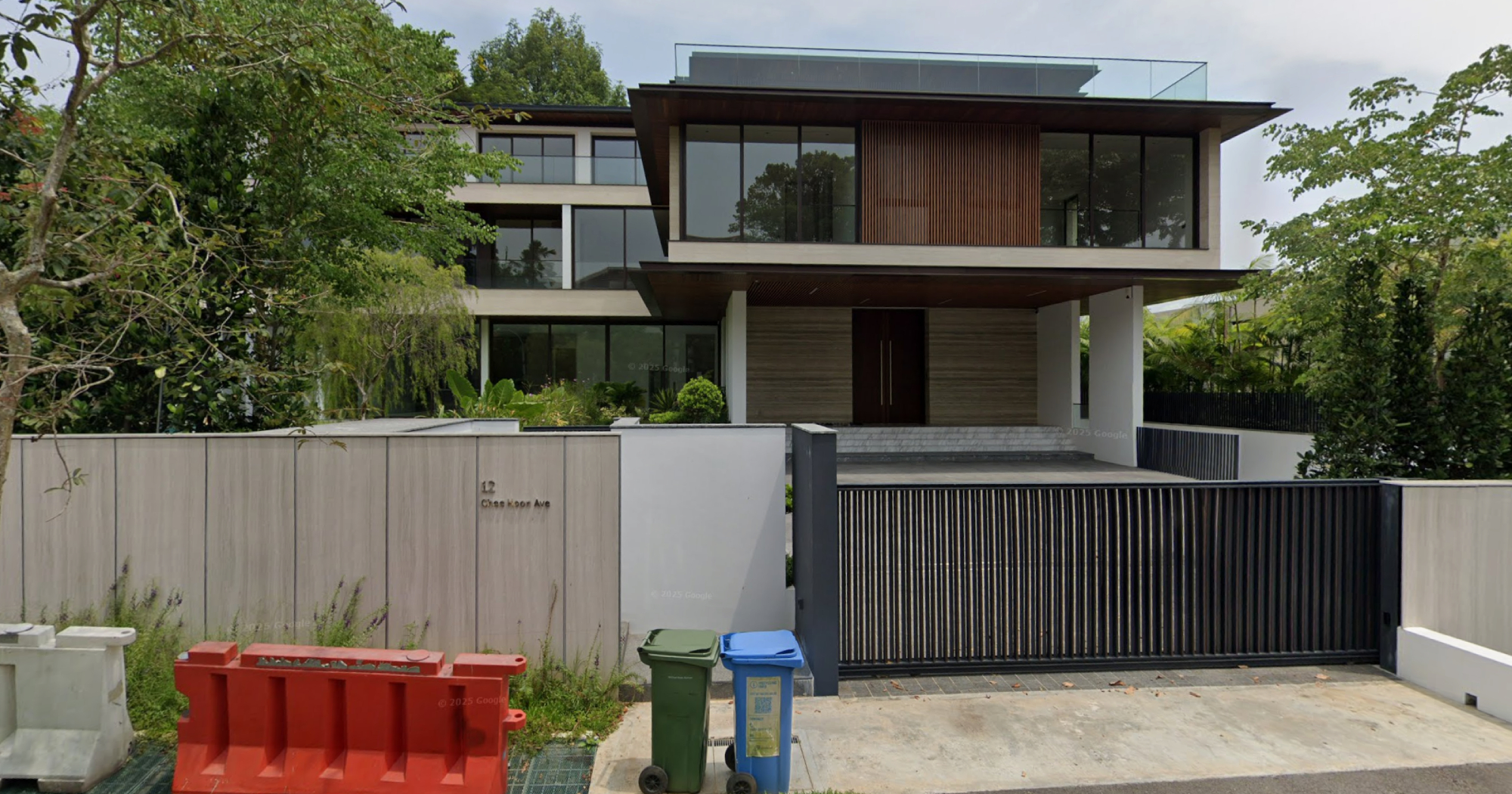
A 72-year-old man has lost a lawsuit brought by his youngest brother over their share of the family home in Eunos, a property valued at S$9 million according to The Straits Times (ST).
According to a judgement paper made available on Jun. 16, Lim Sze Eng, the eldest of eight children, was sued by 61-year-old Lin Tze Kin, the youngest sibling, after he refused to honour their late mother's wishes for her half-share of the property to be sold and the proceeds distributed.
Background
Their late mother, Tan Ah Kar, became the sole owner of the property after her husband died in 1992.
According to ST, the other siblings moved out, but Sze Eng continued to live there with his wife, children and grandchildren.
In 2008, Lim brought his mother to a lawyer's office, where she signed documents transferring half of the house to him and his wife.
Four years later, in 2012, Tan drew up a will leaving her remaining half-share of the property to Lin and his two sons, with her other assets to be split equally among all eight children.
Following her death in 2023, Lim demanded that Lin hand over their mother's half-share of the house to him, claiming that he and his wife had purchased the entire property for S$570,000 in 1992.
This prompted Lin and his wife to take legal action, seeking a declaration over Tan's half-share of the home as well as her portion of proceeds from two shop units at Far East Plaza, which Lim had retained.
Judge rejected claim
According to the judgement, the judge ruled against Lim, finding no documentary proof that such a sale agreement existed, or that he and his wife had paid S$570,000 for the property using their own funds.
"There is no documentary evidence to support the existence of the agreement or that the defendants paid, out of their own monies, S$570,000 for the property pursuant to the purported agreement."
She also found that the couple had fabricated their account of how the money was raised.
Defendant's case
Lim told the court that his mother had feared the property, which was pledged as collateral against an overdraft facility, would be force-sold, as she could not keep up with the loan's interest payments.
He claimed that, as such, she asked him and his wife to buy the property for S$570,000 in 1993, to which they agreed.
According to him, the couple raised the funds by selling two properties in Taiwan and used the proceeds to clear the loan.
He added that there was no written record of the arrangement due to the close relationship between him and his mother.
Lim had produced two cheque deposit slips as evidence, but the judge noted these did not indicate the account from which the funds were drawn.
There was also no proof that the Taiwan properties had been sold in 1993.
Lim said he could not provide bank records or a sales agreement for the Taiwan properties due to the passage of time.
However, the judge was unconvinced, noting that he had retained other documents dating back to 1993, including an advertisement and service reports.
She also pointed out that the couple had taken no action to formally transfer any share of the property to themselves for more than 14 years after the alleged payment, which supported the conclusion that no such agreement had existed.
Recorded conversations presented as evidence
During the trial, Lin and his wife submitted video recordings of conversations between Tan and two of her daughters, taken between 2010 and 2022.
In one recording, Tan said she had transferred half of the property to Lim to honour her late husband's wishes, adding that she feared he would make her life difficult if she refused, given that they lived together.
"... and if I didn’t sign it to him, he would make my life miserable, we live together every day, I would be unable to eat or sleep."
Court's decision
In her will, Tan stated that her half-share of the house should be sold, with 60 per cent of the proceeds going to Lin and the remaining 40 per cent split equally between his two sons.
Her other assets were to be divided equally among all eight children.
The judge ordered the house to be sold, granting Lim and his wife the first option to purchase Tan's half-share.
She noted that it would be unfair to Lin's family if the property remained unsold while Lim's family continued living there, whereas Lim's family could use their share of the proceeds to purchase another home.
The proceeds were ordered to be split equally between both parties, with a portion of Lin's share, tentatively assessed at about S$305,000, set aside as reimbursement to Lim for renovation costs he had incurred.
On the Far East Plaza shop units, the court found that Tan held a 10.67 per cent stake in the properties, which were sold for S$3.78 million in 2007.
The judge ordered Lim to pay the estate 10.67 per cent of the net sale proceeds, along with an account of Tan's share of rental income from July 2004 onwards.
The court also dismissed Lim's counterclaim for S$1.5 million, which he alleged he had given to his mother for safekeeping.