News


Automated clearance to extend to all vehicles at Tuas Checkpoint from early 2027
The system will be rolled out first at Tuas Checkpoint after live trials, and later to redeveloped Woodlands Checkpoint.
May 08, 2026, 12:01 PM
Photos from ICA


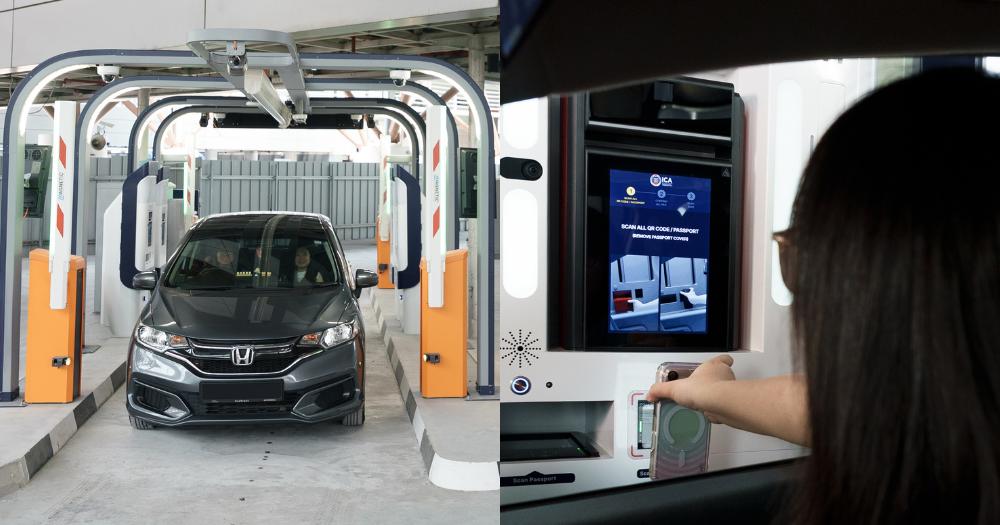
In the near future, drivers and passengers entering Singapore at its land checkpoints by cars and cargo vehicles will be able to clear immigration without disembarking from their vehicles, through an automated system.
Known as the Automated Passenger Clearance System (APCS), it will be one of the world’s first automated systems enabling multiple travellers to self-clear immigration concurrently, ICA's Deputy Director for the Operations Division Joe Tan said on May 8.
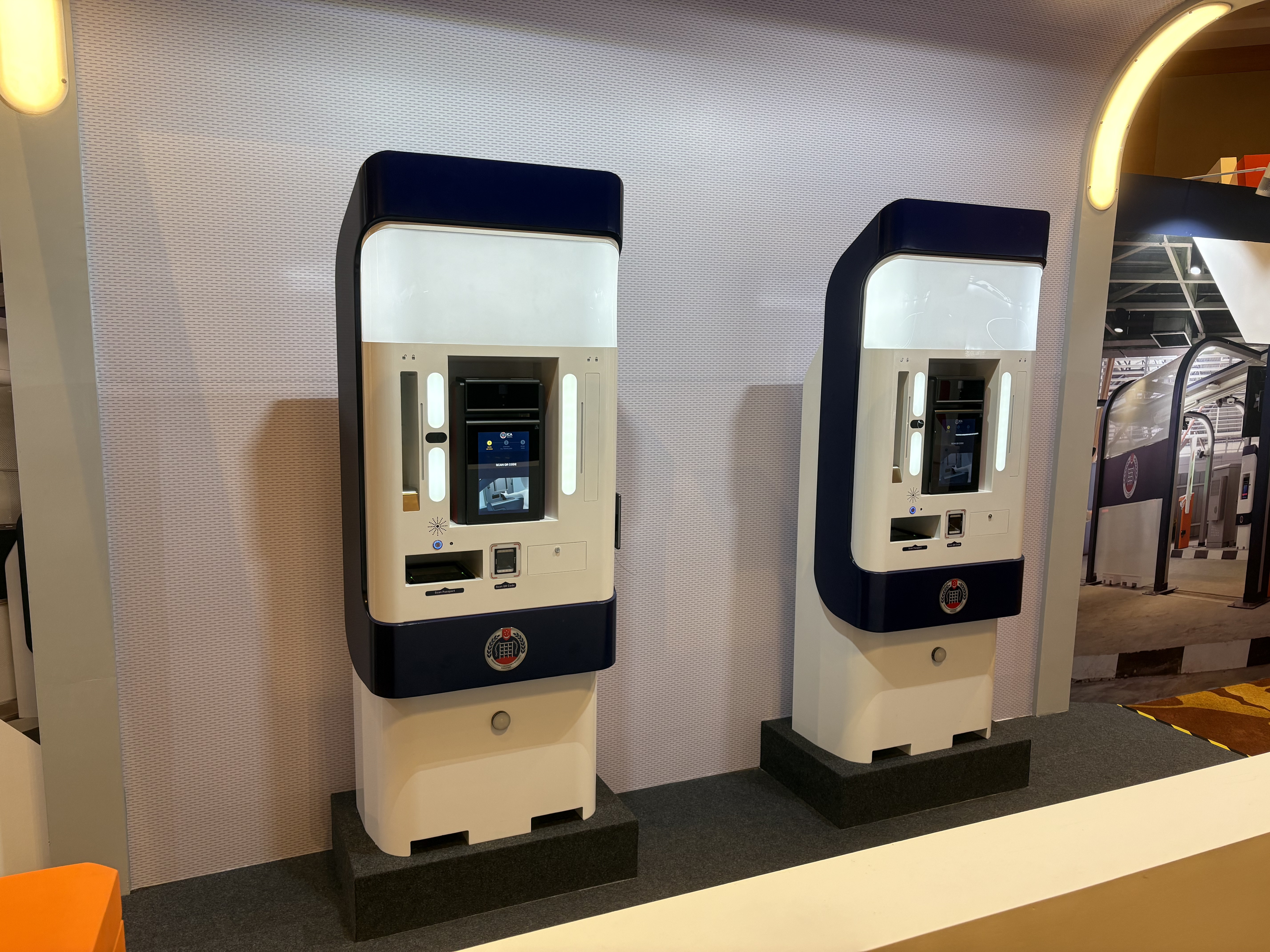 Photo by Mothership
How it works
While staying inside their vehicles, drivers and passengers can scan their passports or QR codes (generated via the MyICA mobile application) at the APCS lanes, followed by facial biometric verification.
For passengers sitting in the third row of a multi-purpose vehicle, away from the window, there will be mobile tablets at the kiosks that they can use to do the facial biometric verification.
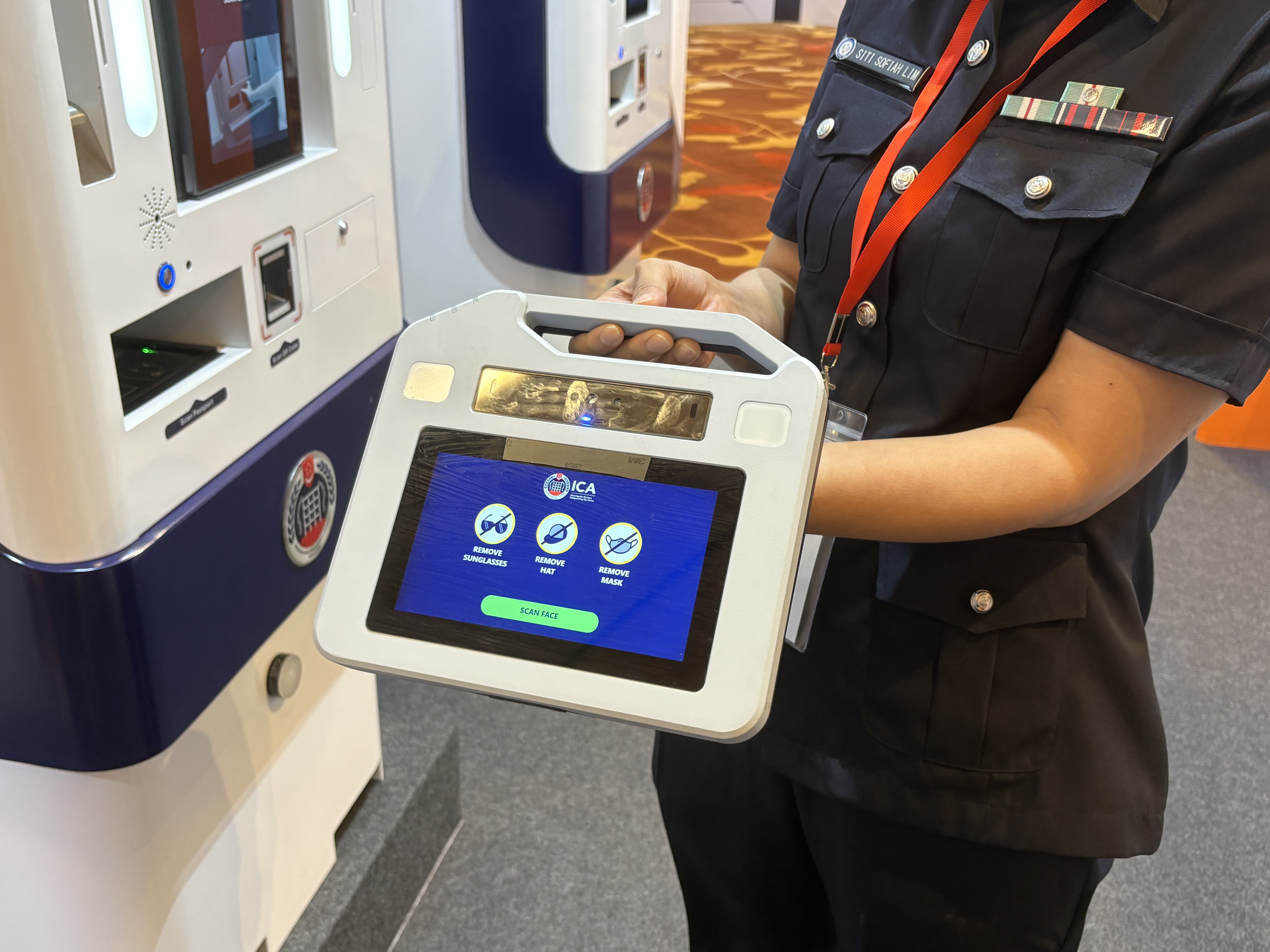 Photo by Mothership
The APCS will be implemented for cars and cargo vehicles progressively, from early 2027 at Tuas Checkpoint, and later to the redeveloped Woodlands Checkpoint.
ICA will conduct live trials of the APCS lanes at Tuas Checkpoint in the months ahead, to collect user feedback and refine the system.
Enhanced automated clearance for motorcyclists
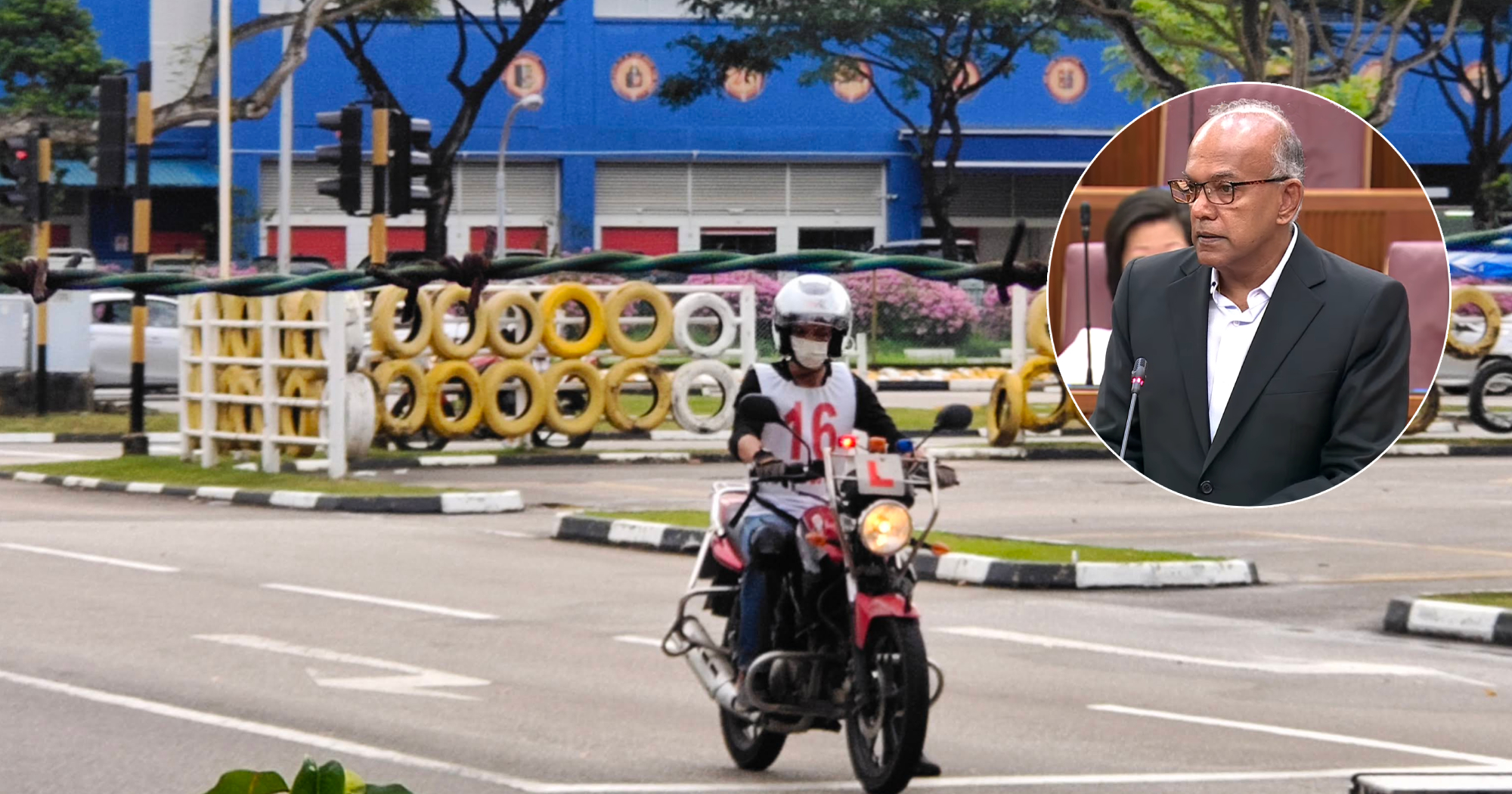
Such technology was previously introduced for motorcyclists and pillion riders at Woodlands Checkpoint from Mar. 31, allowing them to clear immigration faster using facial recognition instead of fingerprint scanning.
As of Apr. 30, a month after its launch, more than 1.2 million motorcyclists and pillion riders have cleared immigration using facial images, ICA said.
The system will be extended to motorcyclists at Tuas Checkpoint in the third quarter of 2026.
The APCS lanes for cars may also be configured to clear up to two motorcycles at any one time, if traffic conditions and operational needs require.
Strengthening border security
In addition to making immigration clearance faster and more seamless, the APCS also strengthens border security.
The APCS lanes will be equipped with counter-forgery capabilities and multi-modal biometric verification, to detect imposters and fraudulent documents.
The system is also complemented by ICA’s Integrated Targeting Centre (ITC), which uses advance passenger and vehicle information along with data analytics to identify high-risk travellers, vehicles, and consignments ahead of their arrival.
Such cases will be flagged at the APCS lanes and referred for more stringent checks, enabling more targeted and effective detections.
Additionally, with less need for manual intervention, officers can be redeployed to other roles such as profiling and conducting targeted interviews and investigations.
Using AI and other digital technologies
Moving forward, ICA will adopt more digital technologies, including artificial intelligence (AI), to enhance immigration and registration services.
Partnering with HTX, the agency has developed a tool known as a Multimodal AI for Text Recognition & Information eXtraction (MATRIX), to streamline document processing.
MATRIX can improve the accuracy of data extraction by up to three times, ICA said.
An AI anomaly detection initiative will also be introduced to automatically spot irregularities in documents submitted as part of immigration applications, so that officers can process applications with greater precision.
Lastly, self-service enrolment kiosks will be installed at the ICA Services Centre (ISC), starting with a trial in the fourth quarter of 2026.
Using these kiosks, customers can self-enrol their biometrics and complete their formalities such as permanent residence (PR) or Long-Term Pass applications securely and conveniently.
Helping officers upskill and focus on more meaningful tasks
Speaking at the ICA Workplan Seminar on May 8, Coordinating Minister for National Security and Minister for Home Affairs K Shanmugam underscored that the ICA officers are at the heart of the agency's transformation.
The aim is for officers to be freed from manual and repetitive tasks so that they can focus on "more meaningful tasks that require their critical judgment, conducting risk assessments, handling complex casework, and managing automated systems."
He added that continuous digital upskilling programmes need to be provided to the officers, and committed to giving support to those affected by changes in roles to adapt.