
News

6 more people, 17-38, arrested over unauthorised attempts to change addresses on ICA e-service
13 people have been arrested in relation to the attempts so far.
January 18, 2025, 12:11 PM
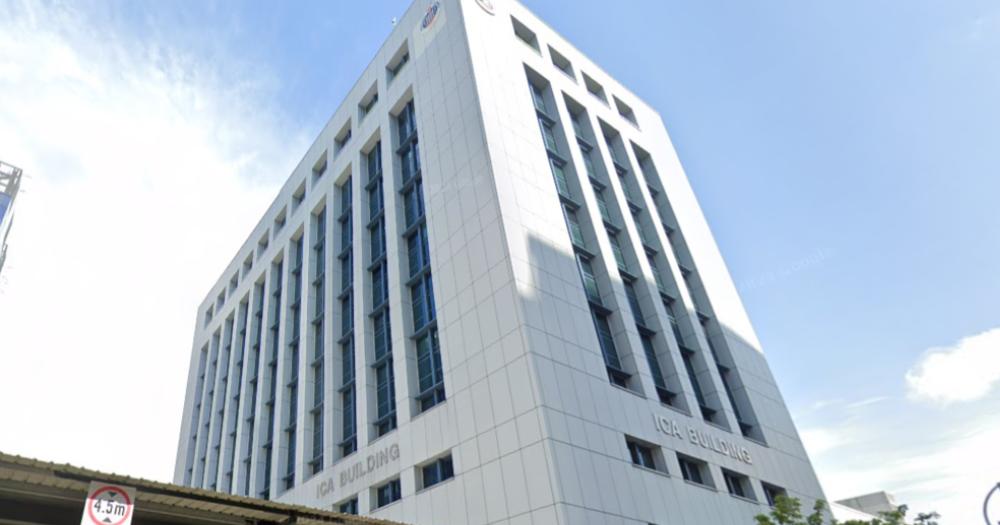

 Six more people — five men and one woman — have been arrested in relation to a series of unauthorised attempts to change registered residential addresses through the Immigration & Checkpoints Authority’s (ICA) electronic change of address (eCOA) service.
They are between 17 and 38 years old and were arrested following island-wide operations by the Singapore Police Force (SPF).
This brings the total number of people arrested over the recent attempts to change addresses to 13, the SPF announced in a press release on Jan. 17, 2025.
The police previously announced that they had arrested seven people between Jan. 11 and 13 in relation to the incident.
Collectively, the 13 persons are believed to be responsible for at least 66 of the cases of attempted unauthorised changes to residential addresses.
What did the police do upon discovering the attempts?
Following the discovery of this incident, the police visited the addresses to which the perpetrators had changed the victims’ registered addresses and engaged the occupants to gather information and advise them to secure their mailboxes.
Four out of 32 valid addresses to which PIN mailers were sent were found to have unsecured or faulty letterboxes, which would have enabled the perpetrators to easily obtain the mailers.
What exactly are the suspects being investigated for?
Nine of the suspects are being investigated for alleged offences under the Computer Misuse Act 1993, for abetting or causing
unauthorised disclosure of access codes.
Two suspects are being investigated for alleged offences under the Computer Misuse Act 1993, including disclosure of access codes related to the national digital identity service.
One suspect is being investigated for an alleged offence under the Computer Misuse Act 1993 for transmitting the credentials of another person in relation to the national digital identity service.
One suspect is being investigated for allegedly transferring benefits from criminal conduct under the Corruption, Drug Trafficking and Other Serious Crimes (Confiscation of Benefits) Act 1992.
The ICA is also investigating some of the suspects for alleged breaches of Regulation 20(a) of the National Registration Regulations.
Four of the 13 already charged
In addition, amongst the 13 persons, four men, aged between 26 and 38, have already been charged in court on Jan. 15 and Jan. 17, 2025, for offences under the Computer Misuse Act 1993.
According to SPF, one of the men, a 31-year-old, allegedly abetted the disclosure of the PIN from ICA to facilitate the unauthorised change of a victim's address.
He was charged on Jan. 15, 2025, with unauthorised disclosure of access codes under the Computer Misuse Act 1993.
The second person, aged 38, had allegedly transmitted the Singpass credentials belonging to a 26-year-old man to the perpetrators to facilitate criminal activities.
On Jan. 17, 2025, he was charged with transmitting another person's credentials to the national digital identity service under Section 8B of the Computer Misuse Act 1993.
The third person is the aforementioned 26-year-old who had allegedly relinquished his Singpass credentials to the 38-year-old.
He was also charged on Jan. 17, 2025, for the offence of disclosure of access codes in relation to the national digital identity service under the Computer Misuse Act 1993.
The fourth person is a 30-year-old man who allegedly abetted the PIN disclosure from ICA to facilitate unauthorised changes of address belonging to multiple victims.
He was also charged on Jan. 17, 2025, with unauthorised disclosure of access codes under the Computer Misuse Act 1993.
Under the Computer Misuse Act, first-time offenders who unauthorisedly disclose access codes, disclose passwords or access codes related to the national digital identity service or supply another person's credentials related to the national digital identity service can face a jail term of up to three years, a fine of up to S$10,000, or both.
The offence of transferring benefits from criminal conduct under the Corruption, Drug Trafficking and Other Serious Crimes (Confiscation of Benefits) Act, 1992, carries a sentence of up to 10 years in prison, a fine of up to S$500,000, or both.
Breaching regulation 20(a) of the National Registration Regulations can result in an imprisonment term of up to two years, a fine of up to S$3,000, or both.
Investigations into the matter are still ongoing, the police added.
Top image via Google Streetview