



Features


'They think we are bad people': Ex-rough sleepers in S'pore on how they ended up on the streets
Everyone has a story.
October 22, 2026, 02:55 PM
It was in 2010 when Lee* found himself on the streets.
He'd lost his job and his marriage had broken down. To financially support his son and his ageing parents, he sold his flat.
He still recalls his first night sleeping rough. It was in a park, near a sex worker district.
He struggled to sleep; when he finally succeeded, he woke up to find his shoes missing.
"I'd never slept outside in my whole life," he tells Mothership. It was meant to be a temporary measure while he looked for a rental flat.
In the end, Lee would spend the next 10 years on the streets of Singapore.
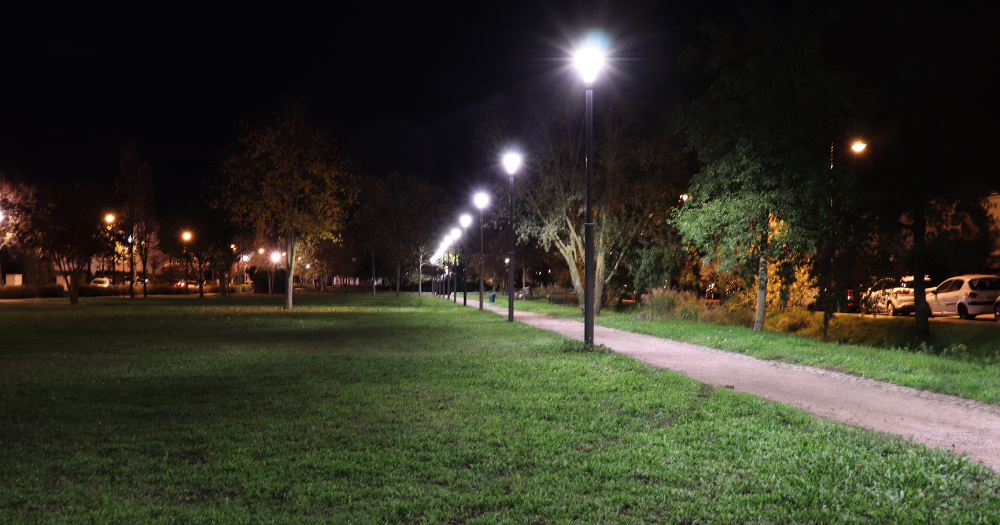 Photo from Canva
The invisible people
Lee recalls how he would sleep in corridors, parks, beaches. He'd use a piece of cardboard as his mattress, and his bag as his pillow.
To dodge the police, he'd wake up early, around 5am.
Eventually, he met other rough sleepers, who told him where to get free food, where to shower. Temples and churches and stadiums with public toilets.
Some nights, he faced "prowlers": people who would lurk in such areas, attempting to steal from the rough sleepers as they slept.
"[One of them] tried to snatch my handphone," he recalls. "Even though we are so poor."
In the day, he'd work in F&B. He only returned late at night, past 10pm, to avoid any misunderstandings from the public.
"They think we are bad people," he says.
"Because of the way people look at you, I never tell people I'm a rough sleeper.
...When you're sleeping on the road, what can you have? You have nothing.
It's not that I want [to be in these] circumstances, right? Your marriage breaks down, you lose your job. The only alternative is sleeping out."
Dealing with doubt
Today, Lee is off the streets and safely in a rental flat.
After he fell sick and became unable to work, he approached a social worker, who referred him to New Hope Community Services — a social service agency which runs transitional shelters in Singapore for rough sleepers.
But he is just one of the hundreds of people in Singapore who find themselves out on the streets every year.
Each with an entirely unique story of their own. While at a fundraising event at New Hope, I also met Cedric* — cheerful, well-spoken, and a father-of-two.
The Singaporean shared that he first ended up on the streets in 2017, when he was essentially kicked out of the house by his mother.
He'd met a woman, his now-wife, who is Indonesian. "My mother, my own mother, couldn't understand why I had to get into a relationship with a foreigner. She couldn't accept it," he tells us.
For a while, things seemed to be getting better. They were married in 2018, and managed to get a rental flat.
But one day, he was abruptly evicted. "[The landlord] said, 'go and pack your stuff, then you move'. Three days only," he says wryly.
With his wife and two young children in tow, he returned to the same place he slept at previously: the beach.
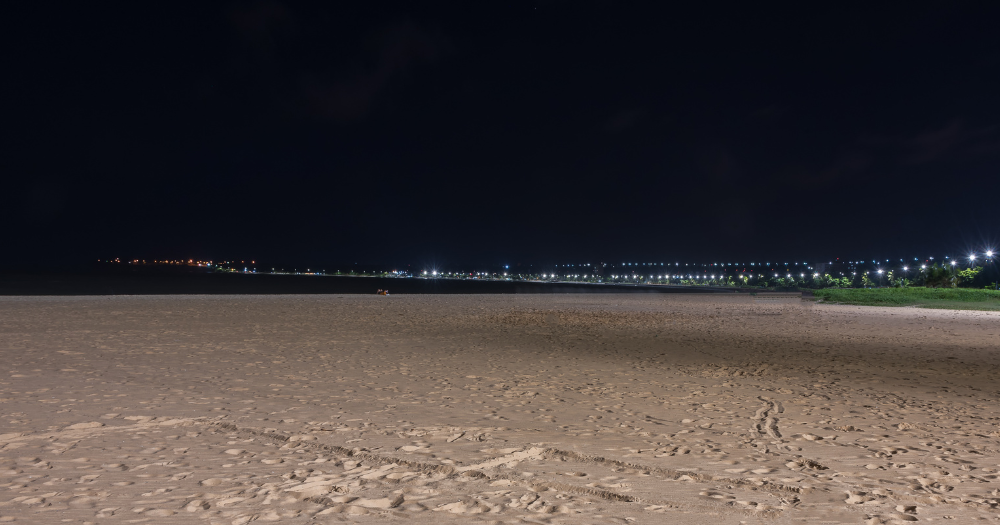 Photo from Canva
The worst part
"The first night, we didn't have any tentage, we didn't have any blankets, nothing. So it was just really cold," he recalls.
Eventually, they acquired more necessities: tents, LED lights.
But every morning, they had to wake up at 4:30am to evacuate before the authorities descended on the place.
"We'd pack and tie it up with a string, then put it up a tree so the cleaners don't sweep away your things," he says. His wife would bring the kids to a nearby shopping mall and wait for the library to open, and he would head to work.
To save money, he walked — around eight or nine kilometres. But he was constantly late as a result.
Eventually, his performance at work began to deteriorate. "That's how suddenly I was out of the house, I had no job, and my children [to take care of]."
As difficult it was to deal with the exhaustion and insecurity, Cedric tells me that the worst part was feeling like a failure.
"That you cannot provide even a simple thing as a roof over the head," he confesses.
"The hardest part as a father was when [on the weekends]. All the families would be there enjoying themselves. Then... at 7pm, the beach suddenly goes quiet.
That means everybody had a place to go home to. But you are still down here."
Bouncing back
Like Lee, Cedric has since found a rental flat with the help of New Hope.
It was a somewhat bittersweet twist of fate that led him here: after avoiding the police for so long, they were eventually caught.
But they were brought to the New Hope shelter, where Cedric went for a course, attended career coaching, and did part-time jobs to save up for a rental.
Now, he's found a stable new job in security, which it's clear he's proud of. His children are older; their memories of sleeping on the beach are distant.
To them, the beach is just another place for family outings.
The couple are "very ambitious", he tells me. Despite their past struggles, they are working towards a BTO flat. They've have even come up with a retirement plan.
 Photo from Canva
As for Lee, the peace and safety of having a home for his retirement — after all those years on the streets — is something he cherishes deeply.
He stays home, he reads the Bible, he goes for walks. He keeps fish and plants. Some days he cooks his own meals.
"I'm happy, I'm healthy," he says. "I can have my own meal, I can do whatever I want. Even though it's a small flat... It's comfortable lah."
*Not their real names